
Pharmaceutical Microbiology — Pharm D Year 2
Notes for Pharmaceutical Microbiology, Pharm D Year 2, organised unit by unit following the PCI Pharm D syllabus. 10 units, 20 diagrams.
Syllabus: Pharm D Year 2 syllabus
Practicals: Pharmaceutical Microbiology practicals
Units in this subject
- Unit 1: Introduction to Microbiology
- Unit 2: Classification and Morphology
- Unit 3: Nutrition, Growth and Cultivation
- Unit 4: Isolation, Identification, Staining and Counting
- Unit 5: Sterilization and Sterility Testing
- Unit 6: Disinfectants, Antiseptics and Preservatives
- Unit 7: Immunology and Toxins
- Unit 8: Diagnostic Tests
- Unit 9: Microbial Assays and Standardization
- Unit 10: Infectious Diseases
Unit 1: Introduction to Microbiology
Expanded detail
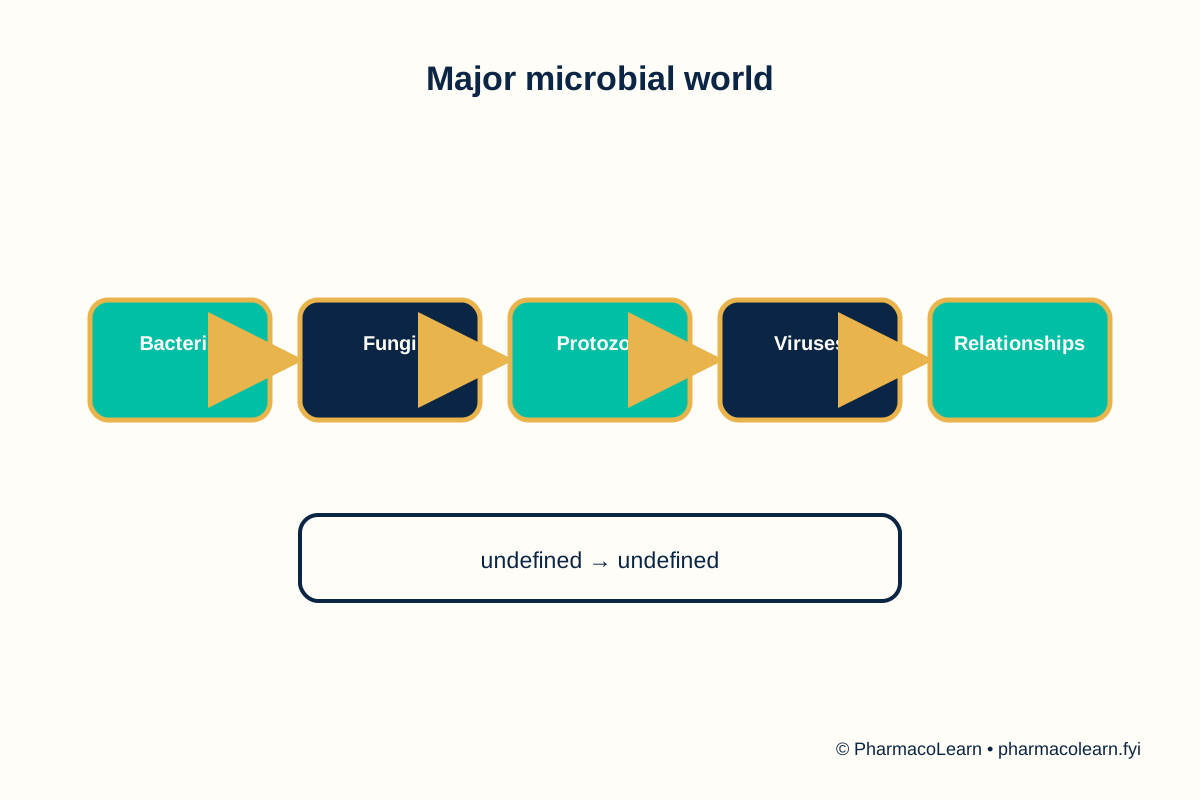
The relationship between microbes is ecological as well as taxonomic. Microbes compete for nutrients, exchange genetic material, form communities and influence host tissues. A harmless organism can become opportunistic when barriers fail, immunity falls or normal flora is disturbed. Pharmaceutical environments therefore control water, air, personnel, surfaces and raw materials. The sequence for a contamination investigation is identify the recovered organism, compare it with environmental and product isolates, review the likely entry point, assess product risk and document corrective action.
Syllabus scope
This unit covers microbiology, the major microbial groups and their relationships.
Core theory
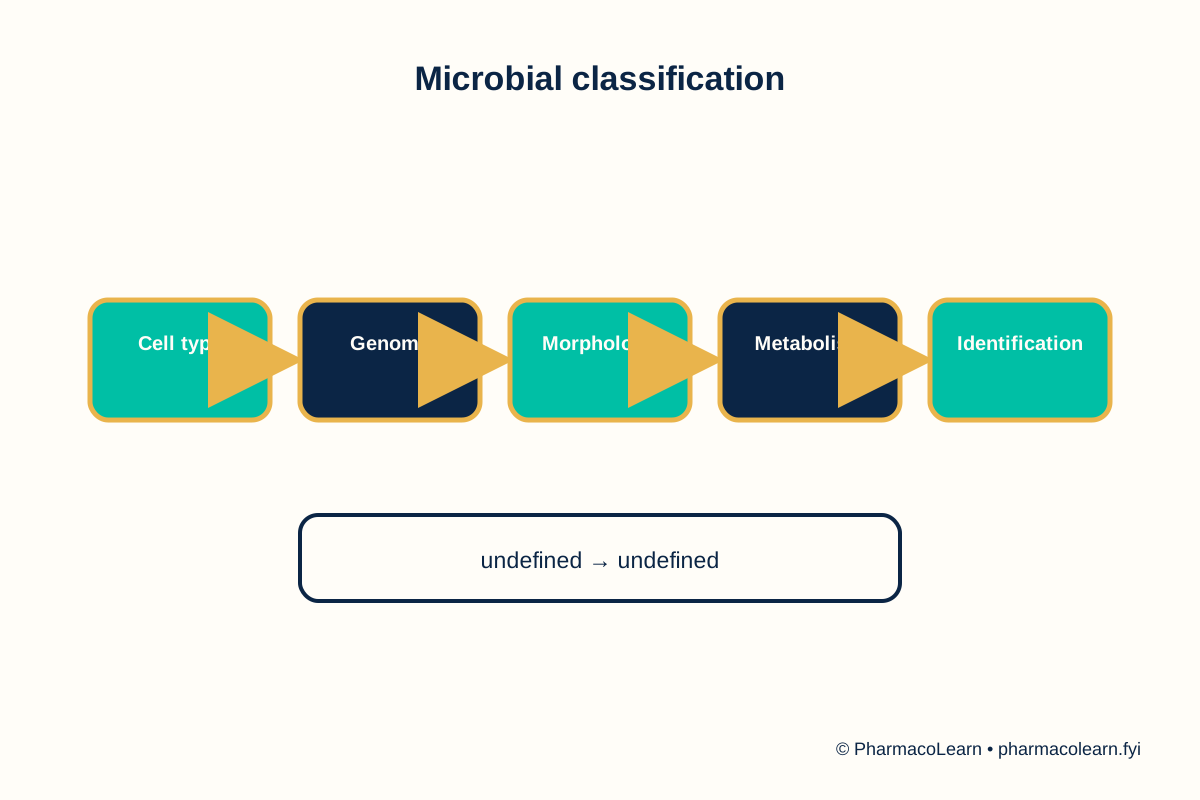
Microbiology examines organisms and biological agents too small to study unaided. The microbial world includes bacteria, fungi, protozoa, algae, viruses and subcellular agents. Classification uses cellular organization, genetic material, metabolism, morphology, reproduction and evolutionary relationships. Bacteria are prokaryotic cells, fungi are eukaryotic organisms, and viruses require host cells for replication. Rickettsiae and related intracellular organisms have unusual dependence on host cells, while spirochetes are slender motile bacteria with distinctive axial filaments.
Clinical and pharmaceutical correlation
A pharmacist relates microbial identity to contamination risk, product preservation, infection transmission and antimicrobial selection. The same organism may be harmless in one site and pathogenic in another. Normal microbiota can protect against colonization, but disruption by illness or antimicrobials may permit opportunistic infection.
Stepwise study framework
- Identify the microorganism or biological process.
- State the structural or biochemical feature that explains its behavior.
- Connect growth, transmission or immune response with the clinical or pharmaceutical consequence.
- Select the appropriate laboratory or quality-control method.
- Interpret the result with its limitations and required controls.
Study tip: compare organisms by cell type, genome, reproduction, culture requirement, transmission and susceptibility. Never call a virus a bacterium or assume that all microbes respond to antibacterial agents.
FAQs and takeaways
- Why must the method match the question? Identity, viability, susceptibility, contamination and immunity are different measurements.
- Why are controls essential? They show whether a negative or positive result is technically credible.
- What is the main takeaway? Microbiological conclusions require correct sampling, validated methods and context.
References: PharmacoLearn Year 2 syllabus; Pharmacy Council of India, Pharm.D. Regulations 2008; Prescott's Microbiology; Topley and Wilson's Microbiology and Microbial Infections; Ananthanarayan and Paniker's Textbook of Microbiology.
Exam focus
When comparing microbes, organize the answer under cell type, structure, reproduction, culture requirement, transmission and pharmaceutical significance. This prevents a list of disconnected facts and makes the relationship between classification and control clear. A pharmacist should also state whether the organism is a contaminant, commensal, pathogen or opportunist in the situation being discussed.
Unit 2: Classification and Morphology
Expanded detail
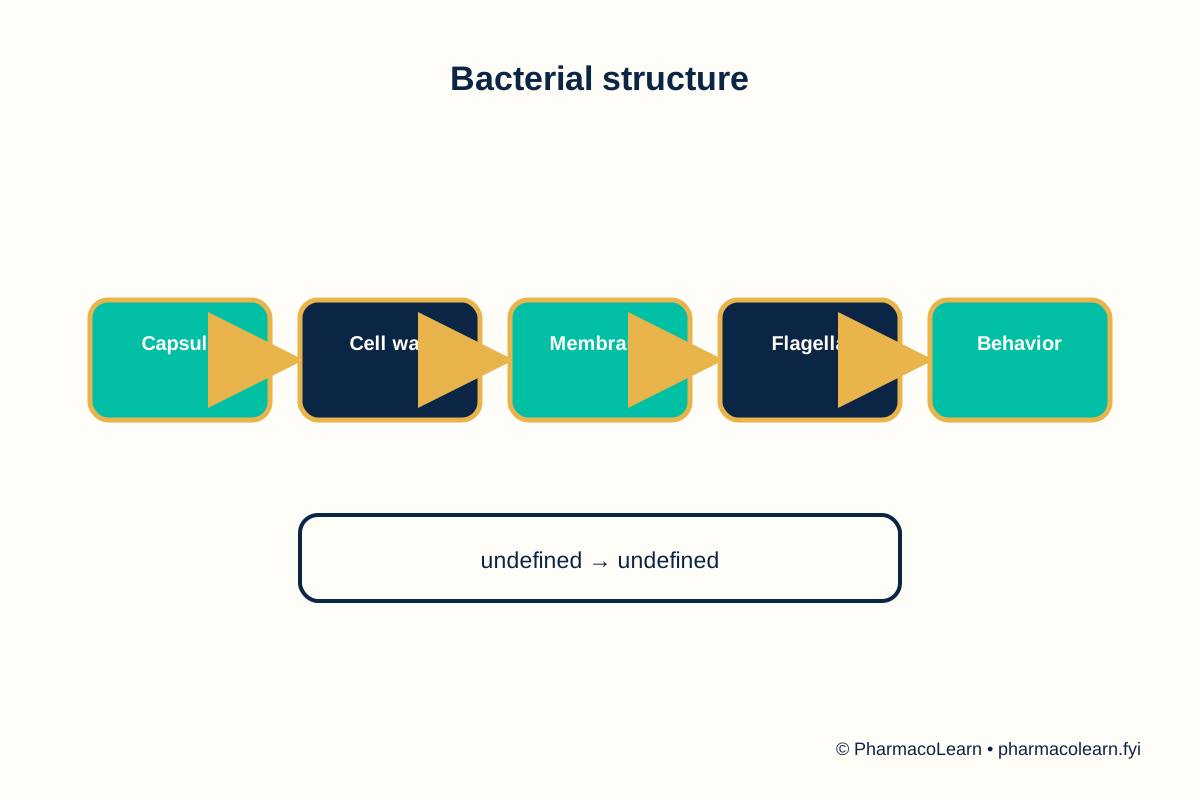
The bacterial cell wall determines shape, osmotic protection and response to differential stains. The capsule can assist adherence and immune evasion. Flagella support motility, while pili can support attachment or genetic exchange. Fungal hyphae extend through substrates and spores support dissemination or survival. Viral envelopes come from host membranes but carry viral proteins needed for entry. These differences explain why detergents, heat, antibiotics and disinfectants have different spectra. A structure should never be used as a substitute for confirmatory identification.
Syllabus scope
This unit covers methods of microbial classification and the morphology of bacteria, fungi, viruses, rickettsiae and spirochetes.
Core theory
Classification may be phenotypic, biochemical, serologic or molecular. Bacterial morphology includes cocci, bacilli, curved forms and filamentous forms, with arrangements determined by division and separation. Cell walls, capsules, flagella, pili, spores, cytoplasmic membranes and ribosomes contribute to structure and behavior. Fungi may occur as yeasts, molds or dimorphic forms. Viruses are described by nucleic acid, capsid, envelope, replication strategy and host range. Rickettsiae are small intracellular bacteria. Spirochetes are flexible, spiral organisms that move using internal filaments.
Clinical and pharmaceutical correlation
Morphology guides preliminary identification but is not a complete diagnosis. A capsule may reduce phagocytosis, a spore may increase environmental persistence, and an envelope may make a virus vulnerable to detergents. The pharmacist uses this knowledge to choose cleaning, storage and infection-control strategies.
Stepwise study framework
- Identify the microorganism or biological process.
- State the structural or biochemical feature that explains its behavior.
- Connect growth, transmission or immune response with the clinical or pharmaceutical consequence.
- Select the appropriate laboratory or quality-control method.
- Interpret the result with its limitations and required controls.
Study tip: structure predicts function. Link each structure with motility, survival, adherence, immune evasion or transmission.
FAQs and takeaways
- Why must the method match the question? Identity, viability, susceptibility, contamination and immunity are different measurements.
- Why are controls essential? They show whether a negative or positive result is technically credible.
- What is the main takeaway? Microbiological conclusions require correct sampling, validated methods and context.
References: PharmacoLearn Year 2 syllabus; Pharmacy Council of India, Pharm.D. Regulations 2008; Prescott's Microbiology; Topley and Wilson's Microbiology and Microbial Infections; Ananthanarayan and Paniker's Textbook of Microbiology.
A useful control question is whether the selected method can recover the organism in the condition being tested. If the answer is no, a negative result may represent method failure rather than absence. This principle applies to culture, counting, sterility testing, antimicrobial assays and diagnostic testing.
Unit 3: Nutrition, Growth and Cultivation
Expanded detail
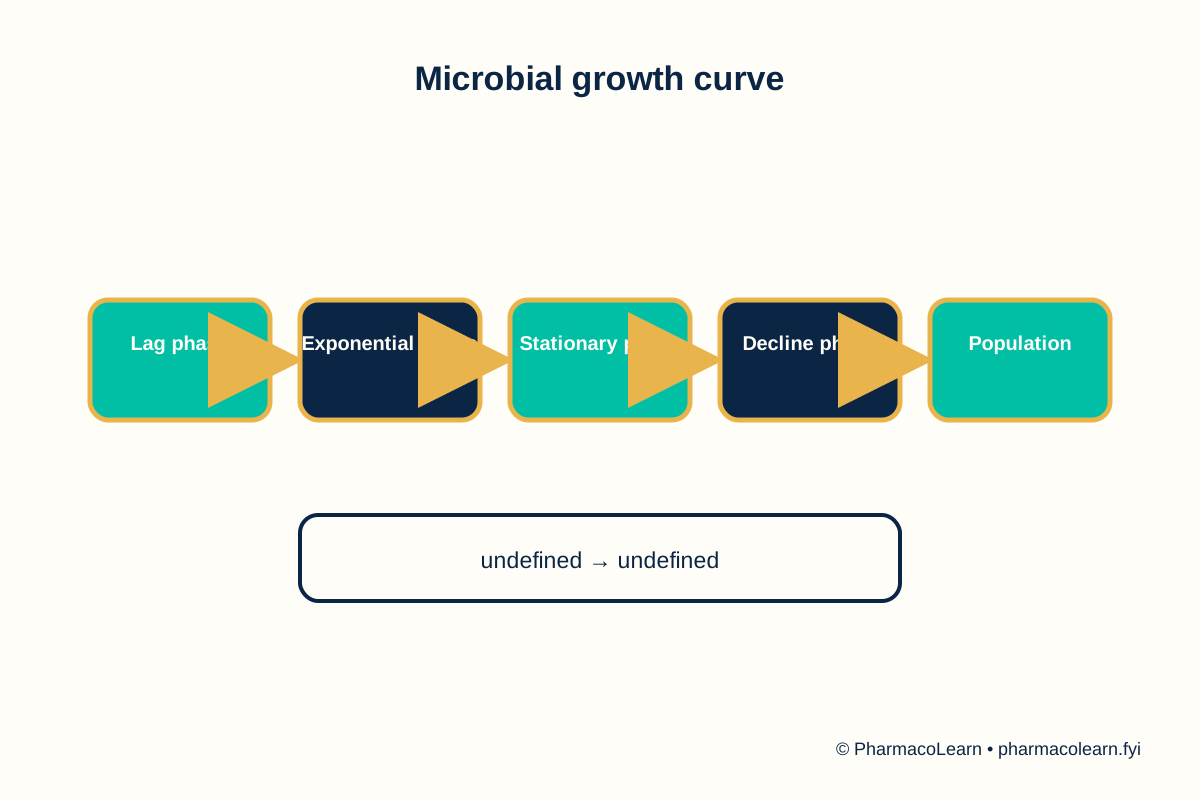
Growth is a population process. During lag, cells adapt to the environment. During exponential growth, cell division is rapid and nutrients are used predictably. During stationary phase, nutrient limitation and waste accumulation balance growth. Decline follows loss of viability. Temperature changes enzyme activity and membrane behavior. pH changes transport and protein structure. Water activity and osmotic pressure influence whether cells can multiply. In pharmaceutical culture work, the recovery condition must be capable of detecting the organism that the test is intended to find.
Growth conditions must be documented because they determine recovery and interpretation.
Syllabus scope
This unit covers nutritional requirements, microbial growth, cultivation, media, aerobic and anaerobic organisms, differential and selective media, and culture maintenance.
Core theory
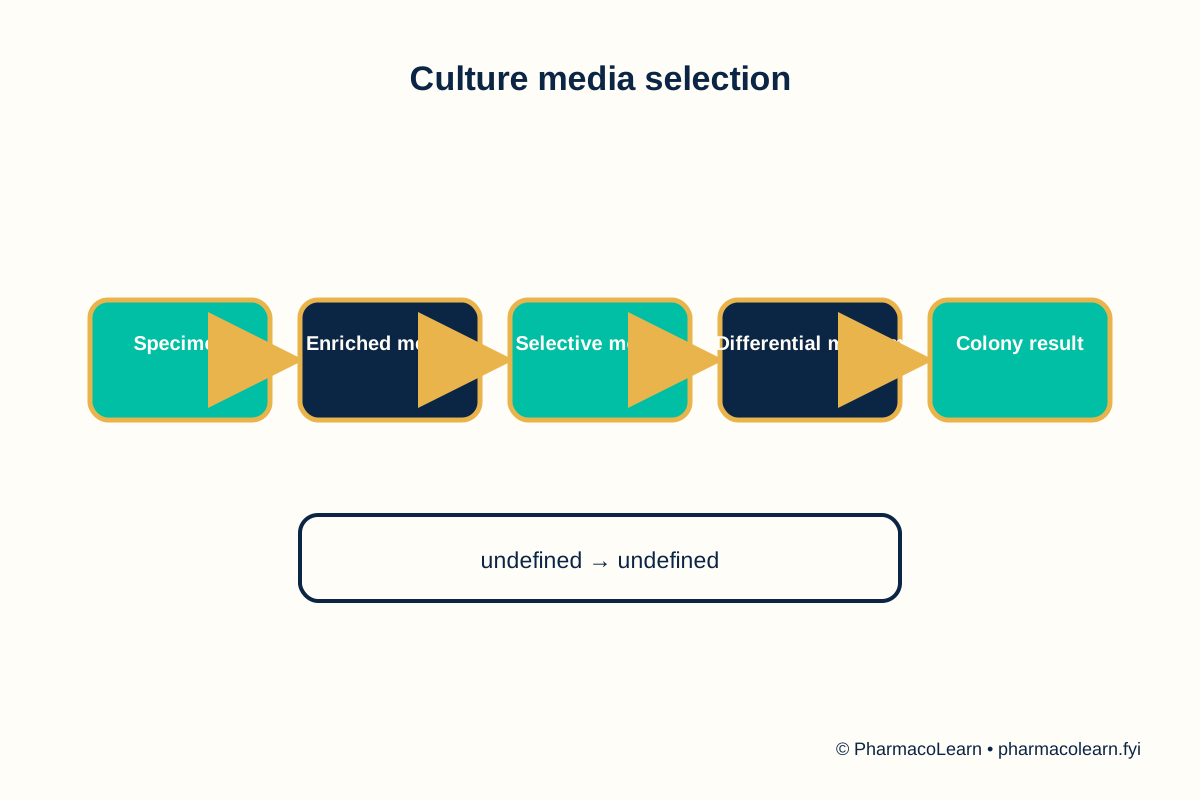
Microbes require carbon, nitrogen, minerals, water, energy and suitable physical conditions. Growth depends on temperature, pH, oxygen, osmotic pressure and time. A bacterial growth curve includes lag, exponential, stationary and decline phases. Aerobes use oxygen, anaerobes are harmed by it to varying degrees, and facultative organisms adapt to both conditions. Culture media may be enriched to support demanding organisms, selective to suppress unwanted organisms, differential to reveal metabolic differences, or reducing to remove oxygen.
Clinical and pharmaceutical correlation
Cultivation proceeds by choosing a specimen, selecting a medium and atmosphere, inoculating without contamination, incubating under defined conditions, and observing colonies or broth changes. Maintenance of laboratory cultures requires purity checks, correct labeling, controlled storage and periodic subculture. Repeated subculture can change phenotype or select variants.
Stepwise study framework
- Identify the microorganism or biological process.
- State the structural or biochemical feature that explains its behavior.
- Connect growth, transmission or immune response with the clinical or pharmaceutical consequence.
- Select the appropriate laboratory or quality-control method.
- Interpret the result with its limitations and required controls.
Pharmaceutical relevance includes microbial limits, contamination investigation, preservative assessment and production of biological materials. A pharmacist must distinguish a sterile product requirement from a product where controlled microbial limits apply.
FAQs and takeaways
- Why must the method match the question? Identity, viability, susceptibility, contamination and immunity are different measurements.
- Why are controls essential? They show whether a negative or positive result is technically credible.
- What is the main takeaway? Microbiological conclusions require correct sampling, validated methods and context.
References: PharmacoLearn Year 2 syllabus; Pharmacy Council of India, Pharm.D. Regulations 2008; Prescott's Microbiology; Topley and Wilson's Microbiology and Microbial Infections; Ananthanarayan and Paniker's Textbook of Microbiology.
Unit 4: Isolation, Identification, Staining and Counting
Expanded detail
A pure culture is a quality requirement for reliable identification. Colonies should be selected from well-separated growth, and the source plate, medium and incubation conditions should be recorded. A stain is interpreted with a control organism and a known staining sequence. Counting requires representative sampling, accurate dilution and replicate plates within a countable range. If cells clump, one colony may represent several cells. If stressed cells cannot recover on the selected medium, the count may underestimate contamination. Every count therefore has a method boundary.
Syllabus scope
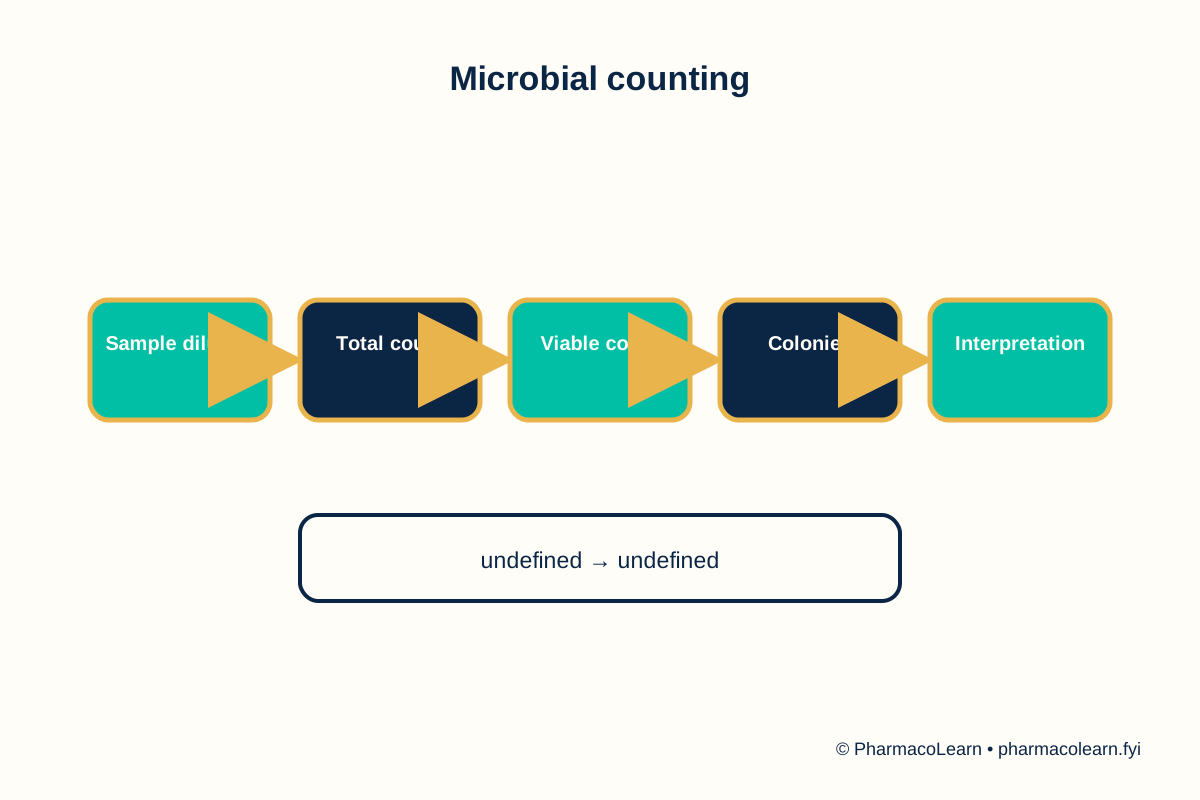
This unit covers isolation and identification methods, staining techniques, biochemical reactions, total count and viable count.
Core theory
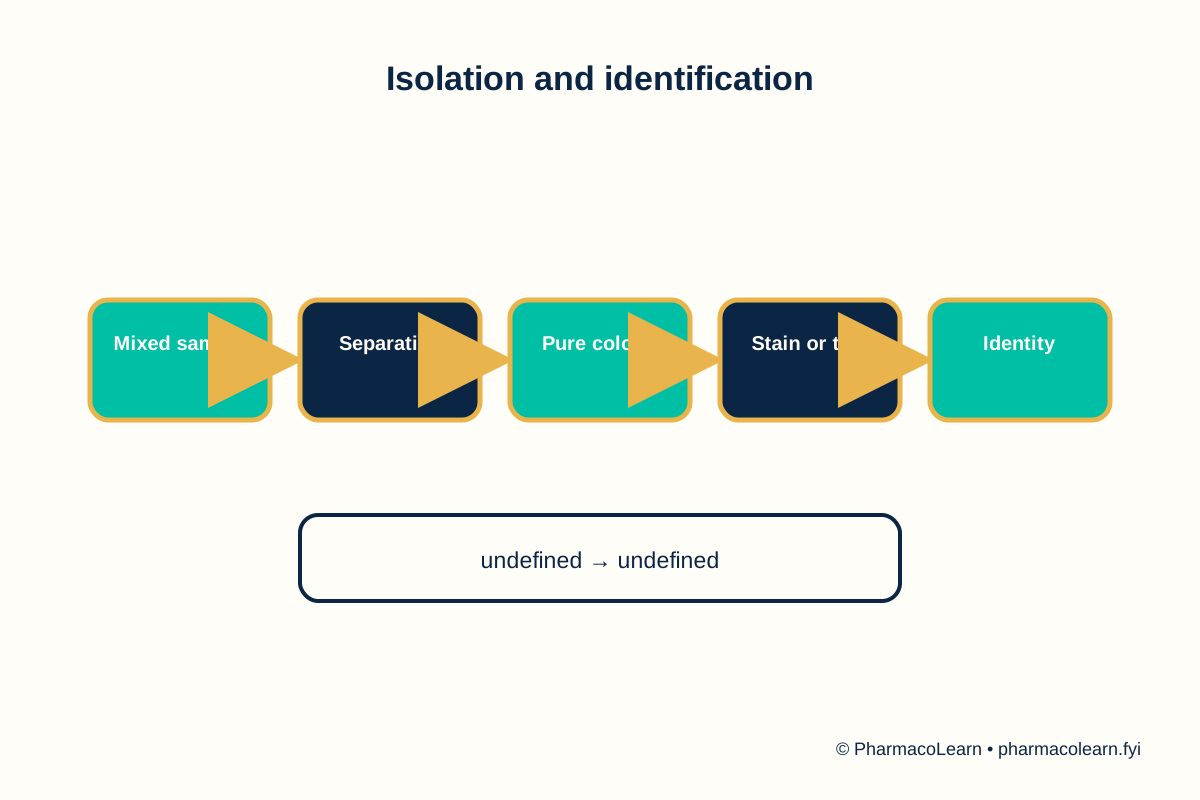
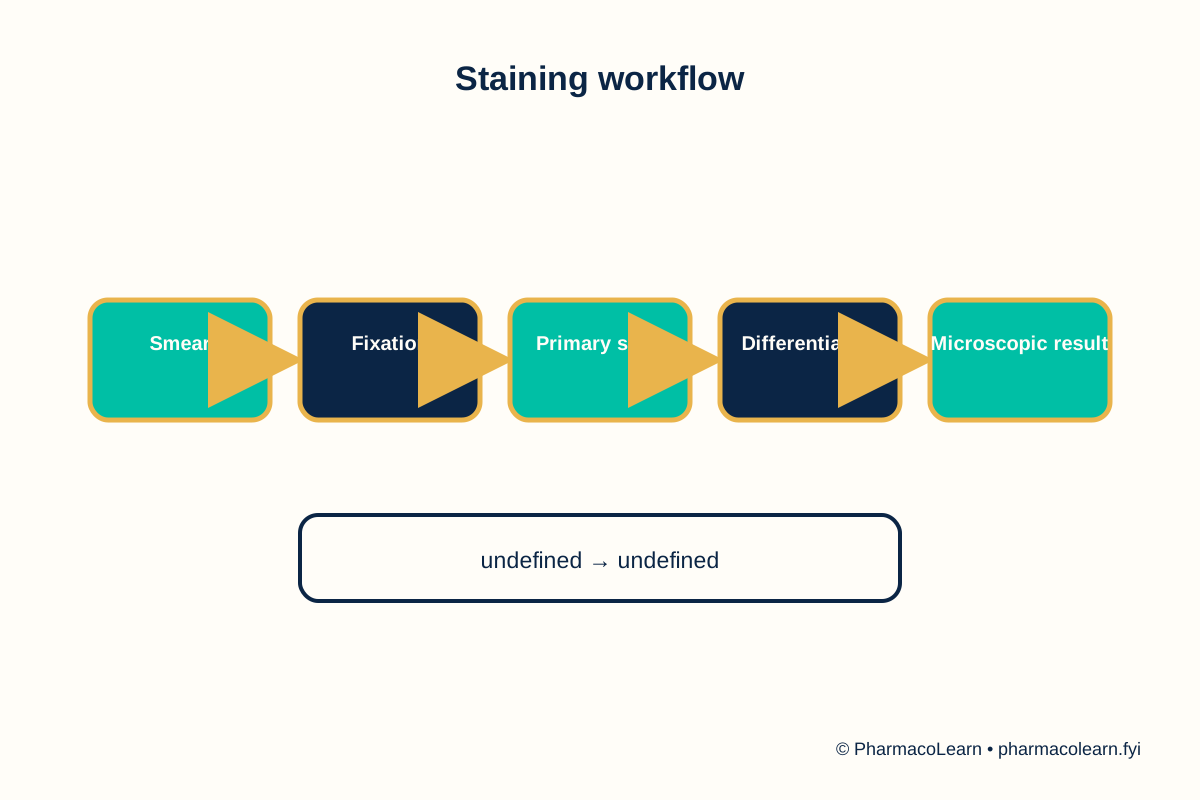
Isolation aims to obtain a pure culture from a mixed specimen. Streaking, spreading or dilution methods separate cells so that colonies arise from individual viable units. Identification combines colony appearance, microscopy, staining, biochemical reactions, antigen detection and molecular tests. Simple staining shows shape and arrangement. Differential stains separate organisms by cell-wall or structural properties. Negative staining outlines cells without strongly staining them. Special stains can demonstrate spores, capsules or acid-fast features.
Clinical and pharmaceutical correlation
Biochemical reactions detect metabolism such as carbohydrate use, enzyme activity or substrate breakdown. Total counts include living and dead cells, whereas viable counts estimate cells capable of reproduction under the test conditions. Optical density is rapid but indirect. Plate counts depend on dilution, mixing, incubation and the assumption that a colony represents a viable unit.
Stepwise study framework
- Identify the microorganism or biological process.
- State the structural or biochemical feature that explains its behavior.
- Connect growth, transmission or immune response with the clinical or pharmaceutical consequence.
- Select the appropriate laboratory or quality-control method.
- Interpret the result with its limitations and required controls.
A pharmacist interprets counts in contamination investigations and product quality testing. Sampling error, inhibition, clumping and unsuitable recovery conditions can produce falsely low counts.
FAQs and takeaways
- Why must the method match the question? Identity, viability, susceptibility, contamination and immunity are different measurements.
- Why are controls essential? They show whether a negative or positive result is technically credible.
- What is the main takeaway? Microbiological conclusions require correct sampling, validated methods and context.
References: PharmacoLearn Year 2 syllabus; Pharmacy Council of India, Pharm.D. Regulations 2008; Prescott's Microbiology; Topley and Wilson's Microbiology and Microbial Infections; Ananthanarayan and Paniker's Textbook of Microbiology.
Unit 5: Sterilization and Sterility Testing
Expanded detail
Moist heat works through coagulation and denaturation, but air removal and steam contact are essential. Dry heat requires penetration and longer exposure. Filtration depends on pore retention, integrity testing and aseptic transfer after filtration. Radiation dose must reach the product uniformly. Gas processes depend on concentration, humidity, temperature and aeration. Sterility assurance is built into design, validated cycles, environmental control, container closure and investigation of deviations. A negative sterility test from a poorly controlled process is not sufficient evidence of safety.
Syllabus scope
This unit covers sterilization methods, merits and limitations, pharmaceutical products, sterility testing and validation.
Core theory
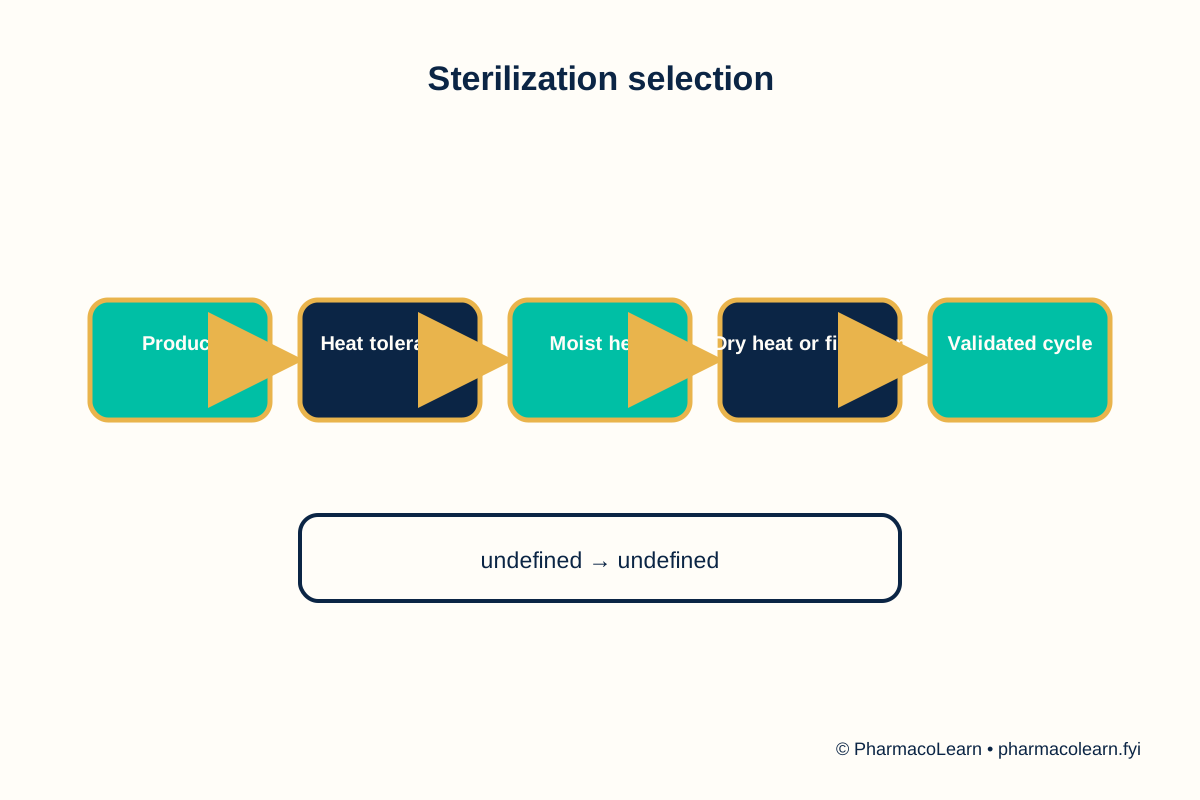
Sterilization destroys or removes all viable microorganisms, including resistant forms, when the validated process is correctly applied. Moist heat denatures proteins and is effective when temperature, pressure and exposure time are controlled. Dry heat causes oxidative damage and requires different conditions. Filtration removes organisms from heat-sensitive liquids or gases but does not sterilize the filter or container. Radiation damages nucleic acids. Gas or vapor methods can treat materials that tolerate neither heat nor liquid.
Clinical and pharmaceutical correlation
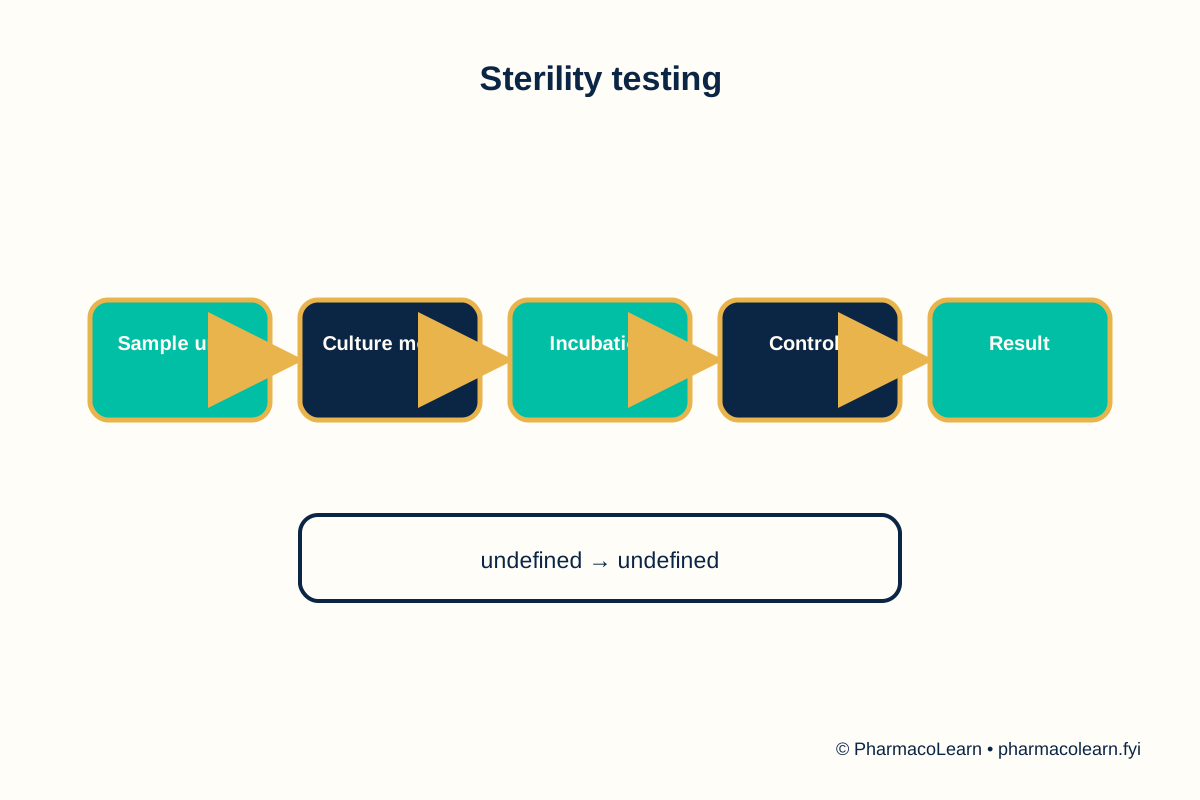
Selection depends on the product, container, moisture, penetration, compatibility and required assurance. Sterility testing samples a batch but cannot prove every unit is sterile, so process design and validation are essential. Validation establishes that the cycle repeatedly achieves the intended result. Biological and chemical indicators provide process evidence, but their interpretation must follow the validated procedure.
Stepwise study framework
- Identify the microorganism or biological process.
- State the structural or biochemical feature that explains its behavior.
- Connect growth, transmission or immune response with the clinical or pharmaceutical consequence.
- Select the appropriate laboratory or quality-control method.
- Interpret the result with its limitations and required controls.
Pharmacists assess load configuration, packaging, cleaning, equipment qualification, environmental monitoring and deviations. A failed test triggers investigation rather than automatic release or rejection without evidence.
FAQs and takeaways
- Why must the method match the question? Identity, viability, susceptibility, contamination and immunity are different measurements.
- Why are controls essential? They show whether a negative or positive result is technically credible.
- What is the main takeaway? Microbiological conclusions require correct sampling, validated methods and context.
References: PharmacoLearn Year 2 syllabus; Pharmacy Council of India, Pharm.D. Regulations 2008; Prescott's Microbiology; Topley and Wilson's Microbiology and Microbial Infections; Ananthanarayan and Paniker's Textbook of Microbiology.
Quality control perspective
A microbiology result is only as strong as its chain of custody. Record the sample source, collection time, transport condition, method, controls, incubation and interpretation. When a result is unexpected, check the sample, medium, equipment, operator, controls and calculations before assuming a new biological event. This approach reduces false conclusions and supports defensible pharmaceutical quality decisions.
Unit 6: Disinfectants, Antiseptics and Preservatives
Expanded detail
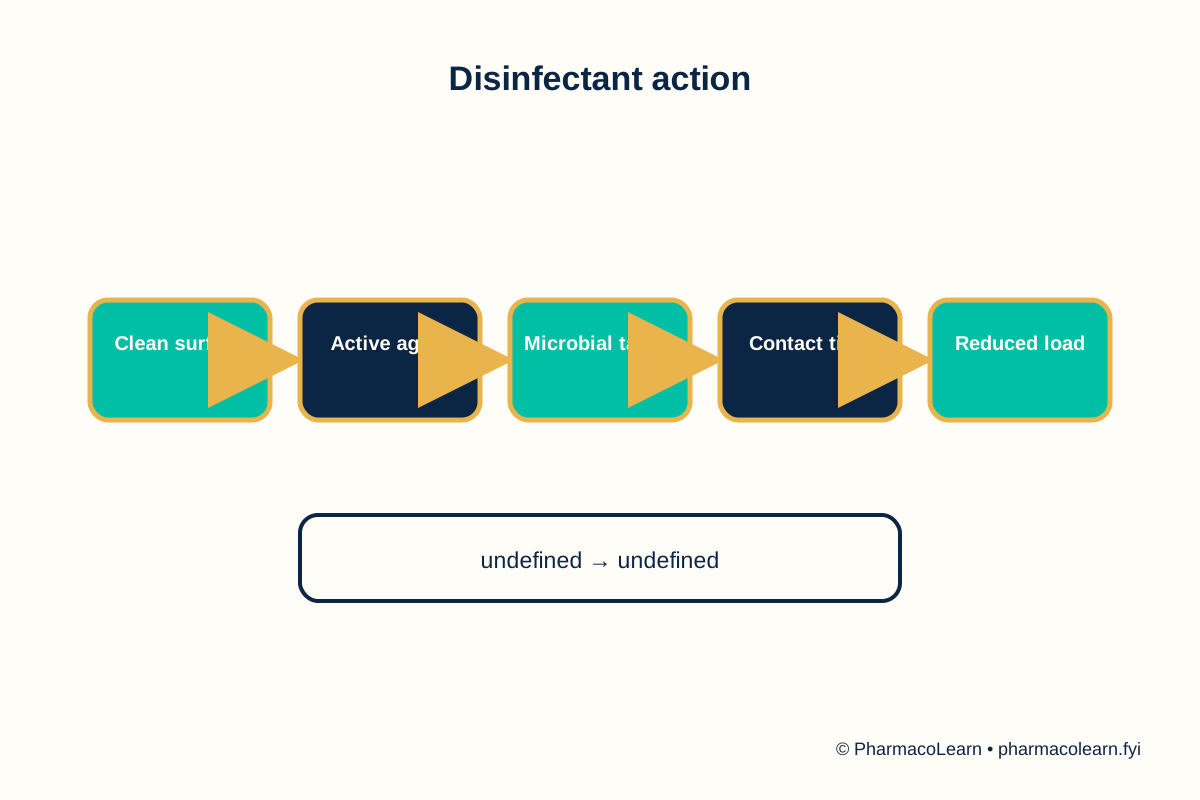
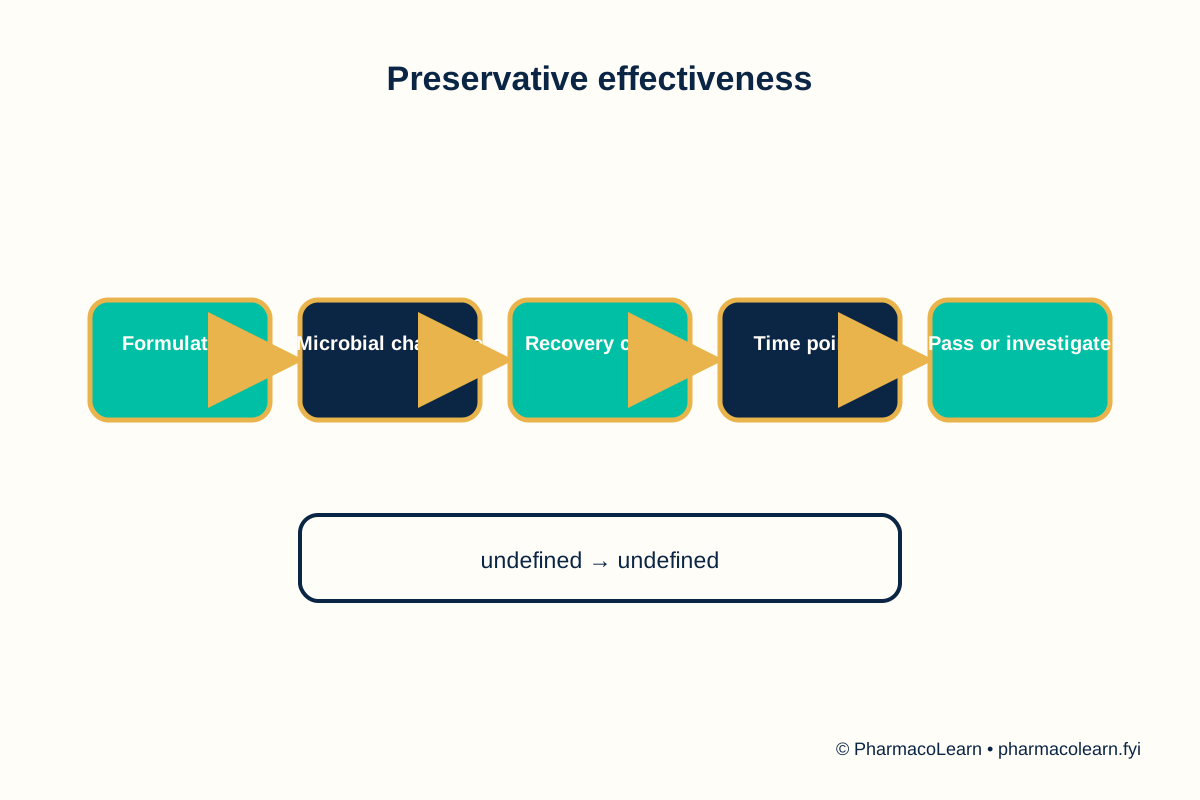
Microbial killing is affected by the number and type of organisms present. Spores, biofilms and organic residue can be more resistant than freely suspended cells. Contact time begins only when the surface is adequately wet. Dilution errors can convert an effective disinfectant into an ineffective one. Material compatibility matters because corrosion or surface damage can create new contamination niches. Preservative systems must remain active throughout shelf life, including after repeated opening, and must not be neutralized by packaging or excipients.
Syllabus scope
This unit covers disinfectants, antiseptics, fungicidal and virucidal agents, activation factors, mechanisms, evaluation and preservatives.
Core theory
Disinfection reduces or eliminates pathogenic microorganisms on inanimate surfaces, while antisepsis is applied to living tissue. Agents act by membrane disruption, protein denaturation, oxidation, nucleic-acid damage or metabolic inhibition. Fungicidal and virucidal activity depends on fungal structure or viral envelope and capsid. Preservatives prevent or limit microbial growth in multidose or susceptible formulations.
Clinical and pharmaceutical correlation
Activity depends on concentration, contact time, temperature, pH, organic matter, water hardness, microbial load, biofilm and the presence of spores. Evaluation may compare inhibition, killing, carrier performance, suspension activity or preservative effectiveness according to the applicable standard. A bacteriostatic agent suppresses multiplication, while a bactericidal agent kills under defined test conditions.
Stepwise study framework
- Identify the microorganism or biological process.
- State the structural or biochemical feature that explains its behavior.
- Connect growth, transmission or immune response with the clinical or pharmaceutical consequence.
- Select the appropriate laboratory or quality-control method.
- Interpret the result with its limitations and required controls.
A pharmacist chooses an agent for the target organism, surface or tissue, required contact time, toxicity and material compatibility. Poor cleaning before disinfection can protect microbes inside organic residue. Preservatives cannot compensate for poor manufacturing hygiene.
FAQs and takeaways
- Why must the method match the question? Identity, viability, susceptibility, contamination and immunity are different measurements.
- Why are controls essential? They show whether a negative or positive result is technically credible.
- What is the main takeaway? Microbiological conclusions require correct sampling, validated methods and context.
References: PharmacoLearn Year 2 syllabus; Pharmacy Council of India, Pharm.D. Regulations 2008; Prescott's Microbiology; Topley and Wilson's Microbiology and Microbial Infections; Ananthanarayan and Paniker's Textbook of Microbiology.
Unit 7: Immunology and Toxins
Expanded detail
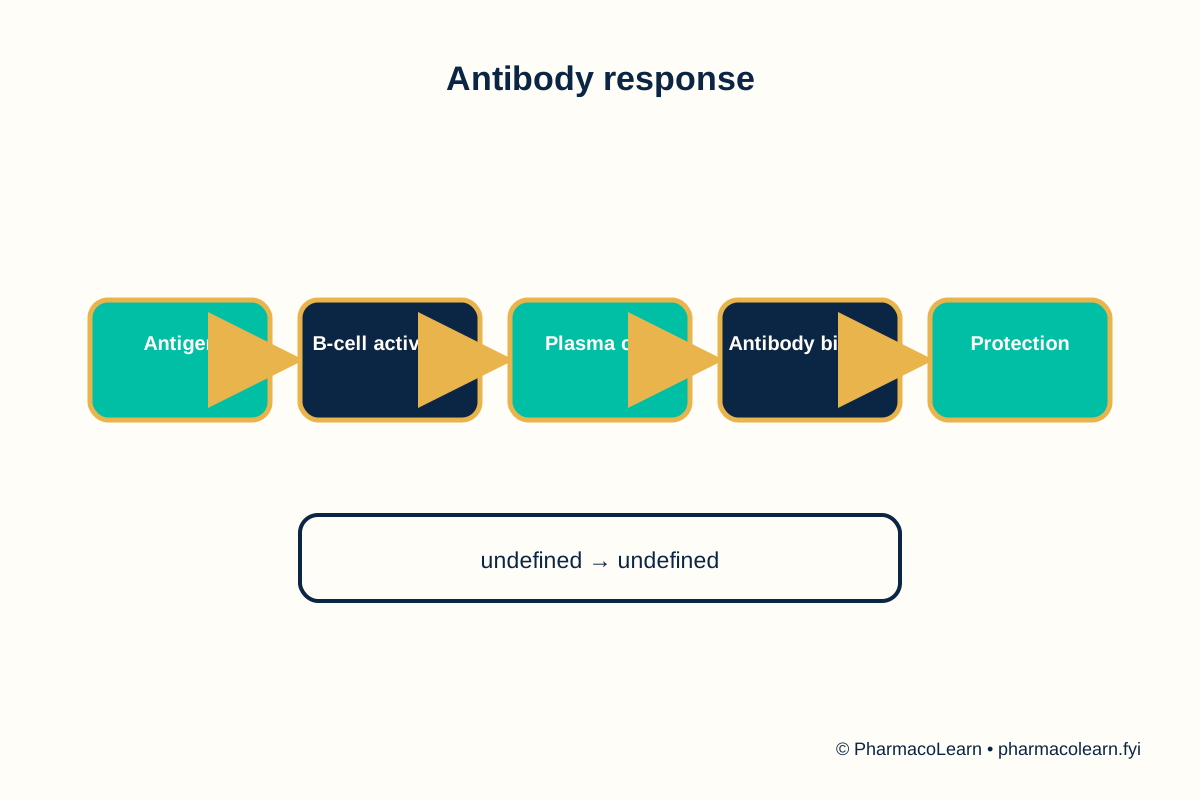
Innate and adaptive immunity are linked. Antigen presentation activates specific lymphocytes, cytokines coordinate communication and memory improves a later response. Antibodies can neutralize toxins, block attachment, opsonize microbes and activate complement. Exotoxins have specific molecular targets, whereas endotoxin can produce generalized inflammatory signaling. Toxoids illustrate how harmful activity can be removed while antigenic recognition is retained. Booster dosing is based on the expected persistence of immune memory and the policy for the relevant vaccine.
Syllabus scope
This unit covers innate and acquired immunity, phagocytosis, antigens, antibodies, antigen-antibody reactions, toxins, toxoids and immunization.
Core theory
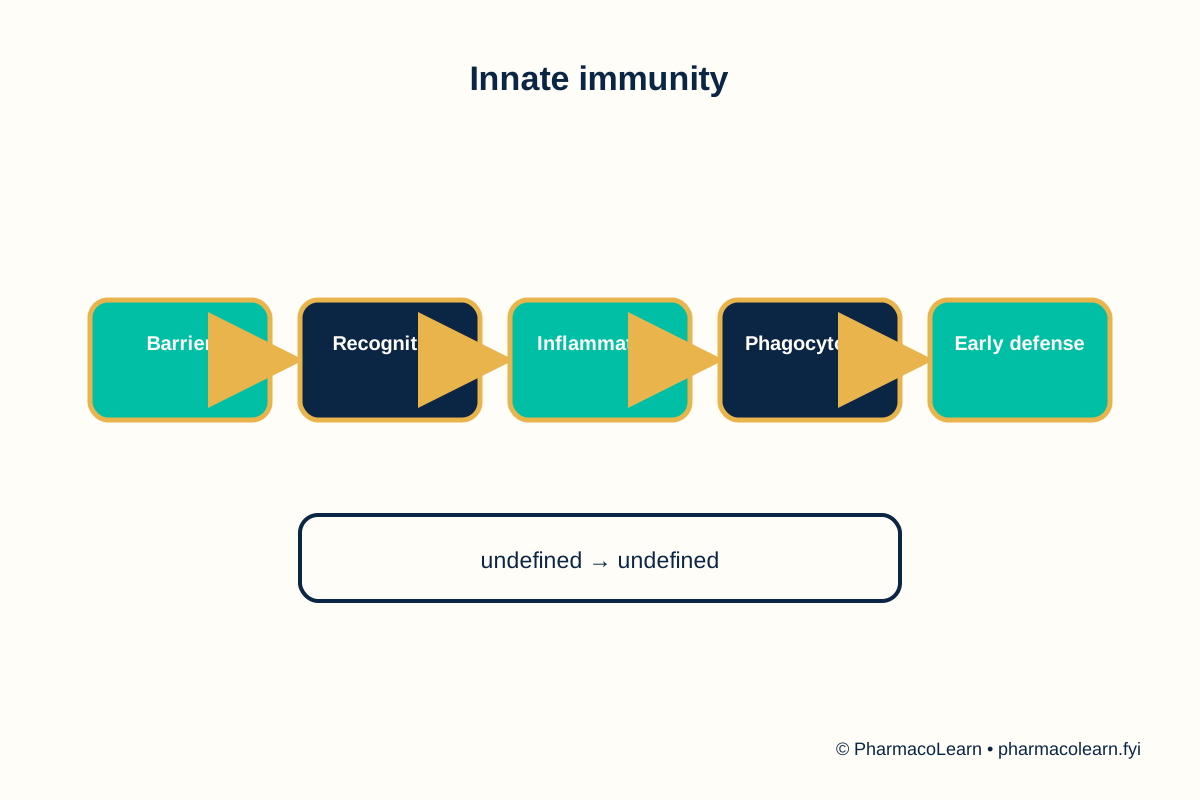
Innate immunity uses barriers, complement, phagocytes, inflammatory mediators and pattern recognition. Acquired immunity is active or passive, cellular or humoral, and develops specificity and memory. Phagocytosis involves chemotaxis, attachment, engulfment, phagosome formation, fusion with lysosomes and killing. Antigens contain structures recognized by immune receptors. Antibodies have variable regions that bind antigen and constant regions that determine effector functions.
Clinical and pharmaceutical correlation
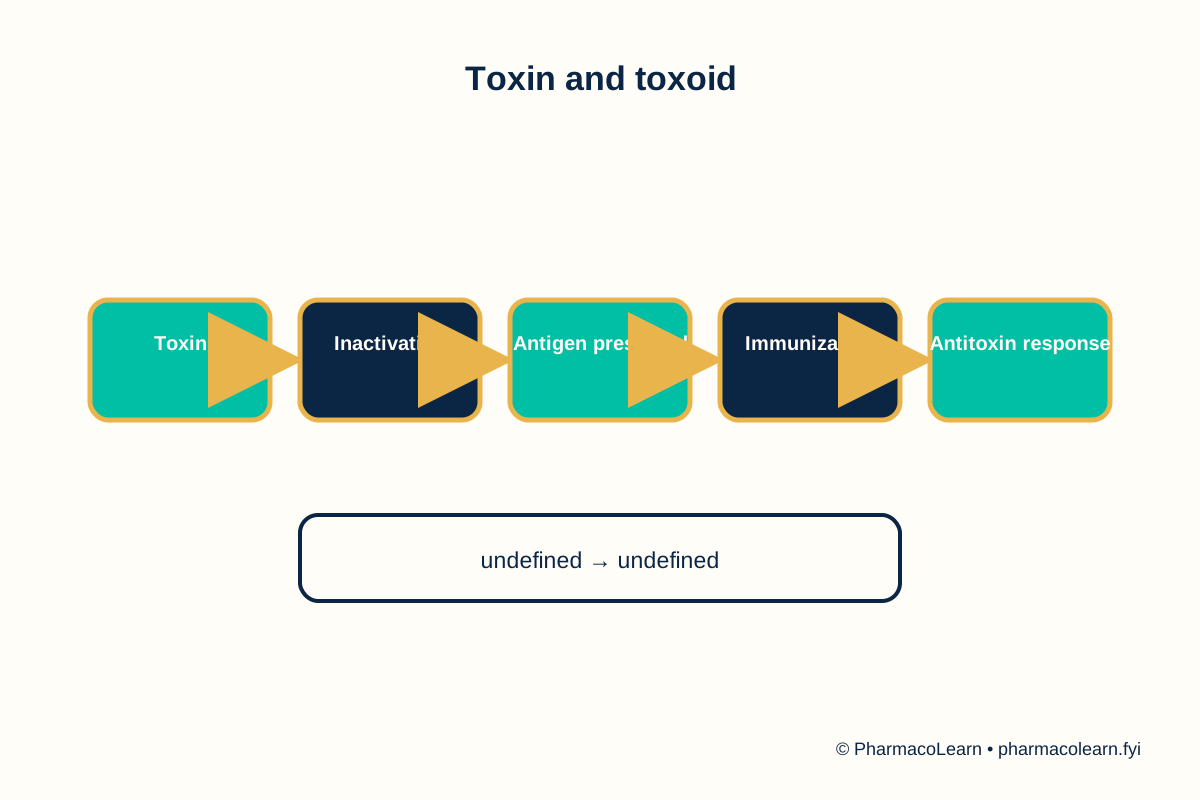
Antigen-antibody reactions include agglutination, precipitation, neutralization, complement fixation and labeled immunoassays. Exotoxins are secreted proteins with specific cellular targets. Endotoxin is associated with the outer membrane of certain Gram-negative bacteria and can trigger intense inflammatory responses. Toxoids are inactivated toxins that retain immunogenicity and can support active immunization.
Stepwise study framework
- Identify the microorganism or biological process.
- State the structural or biochemical feature that explains its behavior.
- Connect growth, transmission or immune response with the clinical or pharmaceutical consequence.
- Select the appropriate laboratory or quality-control method.
- Interpret the result with its limitations and required controls.
Immunization programs create individual and community protection. Booster doses restore or strengthen memory when immunity declines or when the schedule requires it. Pharmacists counsel on timing, storage, contraindications and adverse-event observation according to current policy.
FAQs and takeaways
- Why must the method match the question? Identity, viability, susceptibility, contamination and immunity are different measurements.
- Why are controls essential? They show whether a negative or positive result is technically credible.
- What is the main takeaway? Microbiological conclusions require correct sampling, validated methods and context.
References: PharmacoLearn Year 2 syllabus; Pharmacy Council of India, Pharm.D. Regulations 2008; Prescott's Microbiology; Topley and Wilson's Microbiology and Microbial Infections; Ananthanarayan and Paniker's Textbook of Microbiology.
Unit 8: Diagnostic Tests
Expanded detail
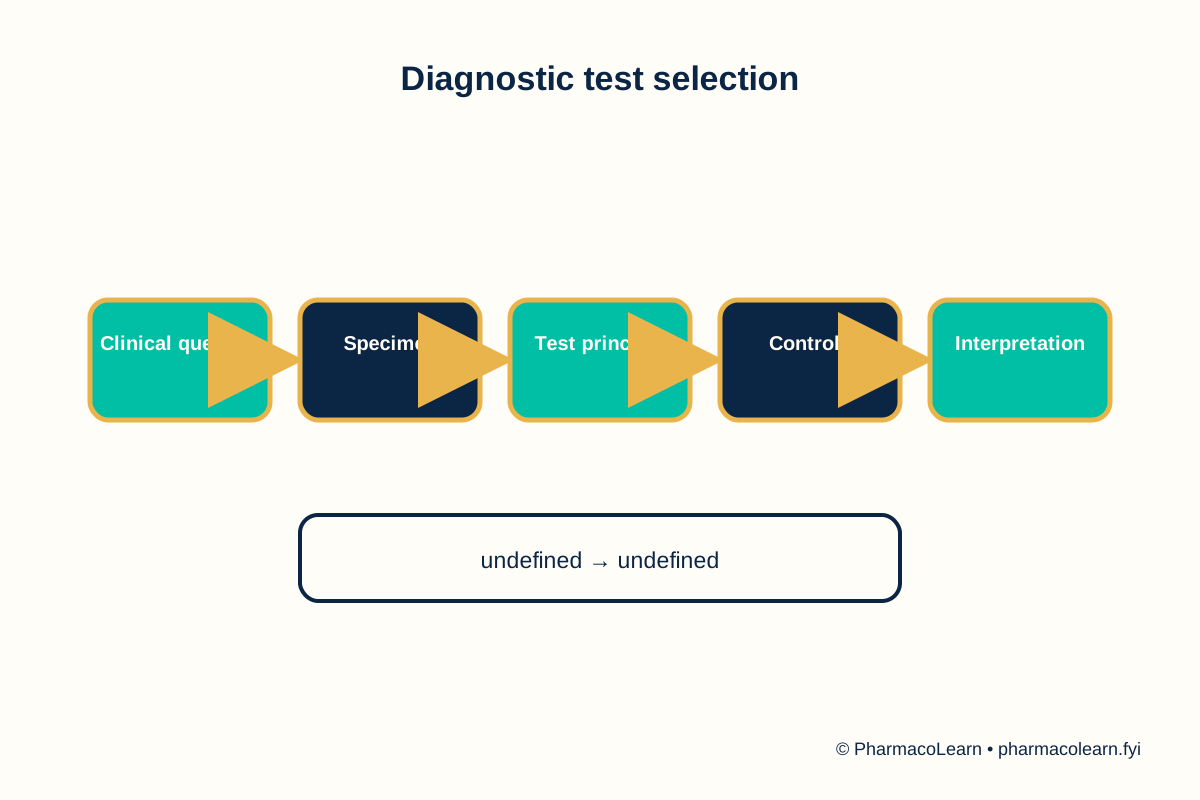
A diagnostic result has pre-analytical, analytical and post-analytical stages. The specimen must be collected before contamination or therapy alters the target. The assay must include positive and negative controls, and the operator must understand cross-reactivity, window periods and detection limits. A positive antibody test can indicate exposure rather than active infection. A negative nucleic acid test can occur when the specimen is collected too early or from the wrong site. Results are interpreted with clinical and epidemiological information.
Syllabus scope
This unit covers Schick, ELISA, Western blot, Southern blot, PCR, Widal, QBC, Mantoux, peripheral smear and malaria parasite.
Core theory
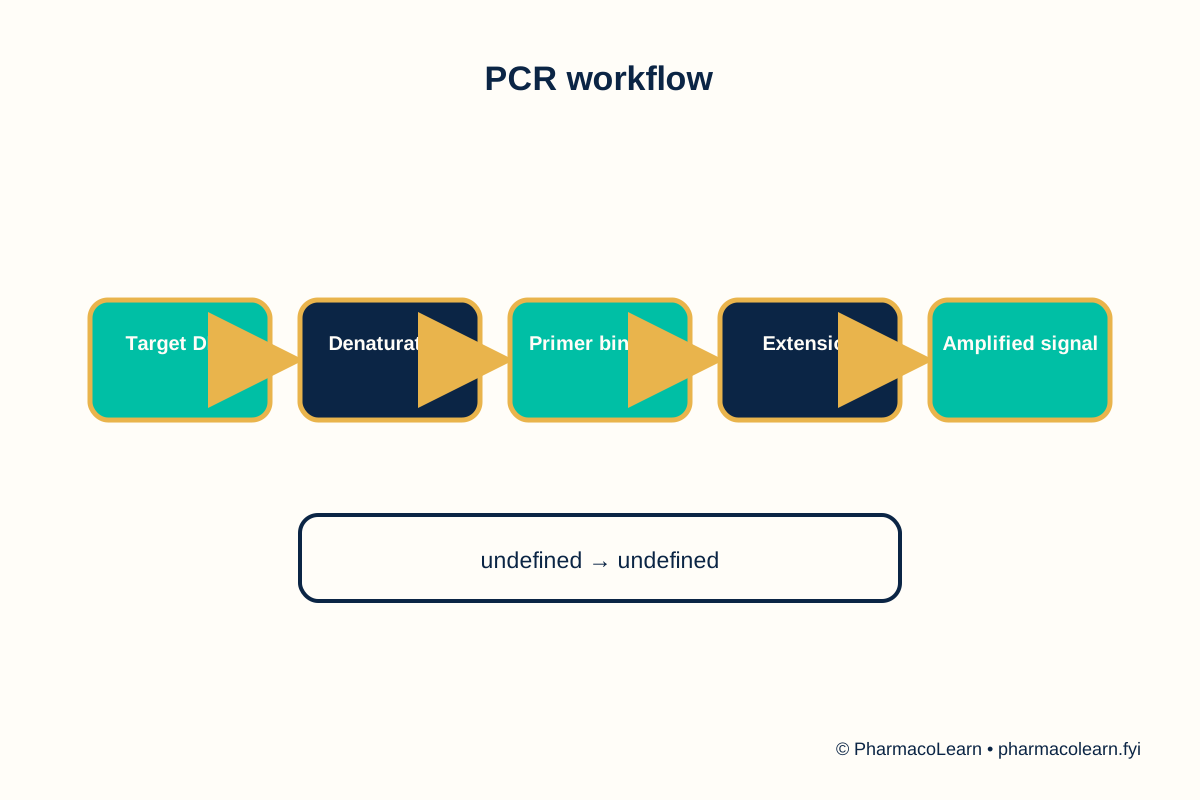
Diagnostic testing begins with clinical question, correct specimen, timing and a method suited to the suspected disease. Schick testing historically assessed susceptibility to diphtheria toxin. ELISA uses enzyme-labeled detection to generate a measurable signal. Western blot separates proteins and detects specific binding. Southern blot detects selected DNA sequences after separation and transfer. PCR amplifies target nucleic acid and requires contamination control.
Clinical and pharmaceutical correlation
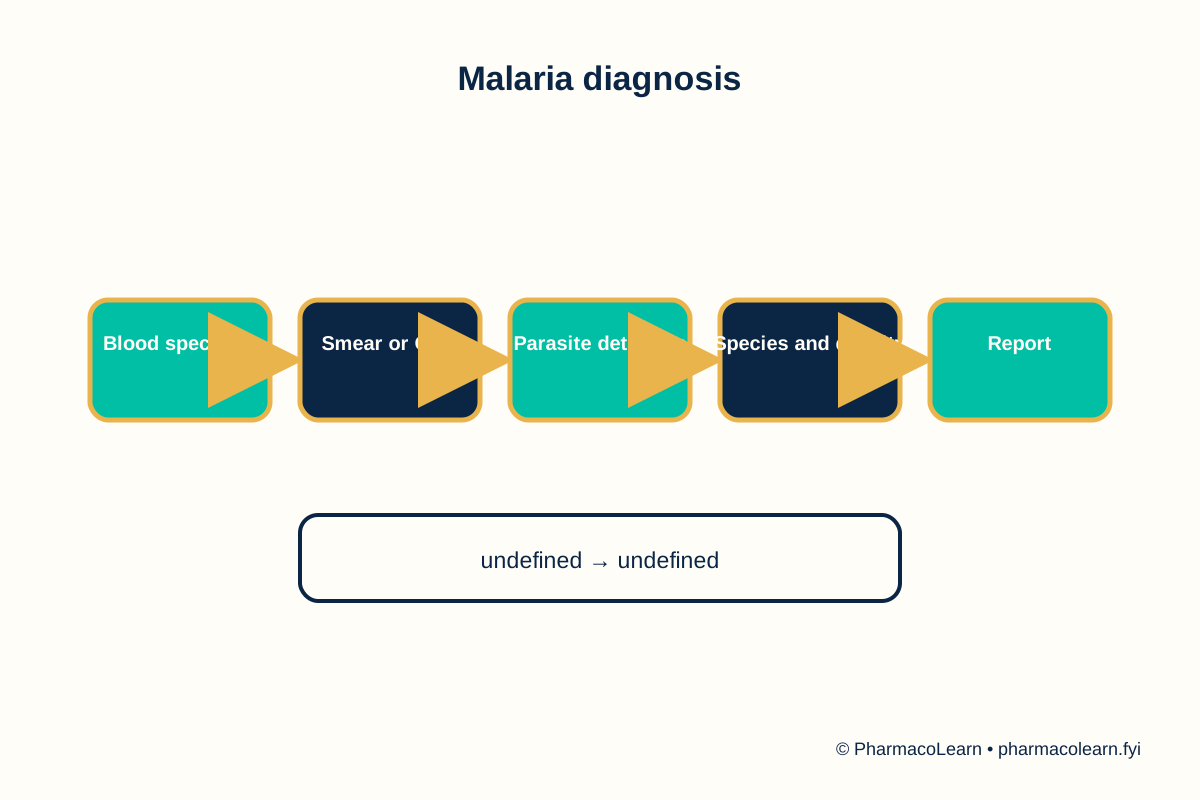
Widal testing detects agglutinating antibodies against selected Salmonella antigens, but interpretation depends on timing, background exposure and local performance. QBC and peripheral smear methods can support malaria detection. The Mantoux test reflects delayed hypersensitivity to mycobacterial antigens and does not by itself prove active disease. Malaria diagnosis considers parasite morphology, stage, density and species.
Stepwise study framework
- Identify the microorganism or biological process.
- State the structural or biochemical feature that explains its behavior.
- Connect growth, transmission or immune response with the clinical or pharmaceutical consequence.
- Select the appropriate laboratory or quality-control method.
- Interpret the result with its limitations and required controls.
Sensitivity and specificity are not interchangeable. Predictive value changes with disease prevalence. False positives can arise from cross-reactivity or contamination, while false negatives can follow poor sampling, early testing or prior therapy.
FAQs and takeaways
- Why must the method match the question? Identity, viability, susceptibility, contamination and immunity are different measurements.
- Why are controls essential? They show whether a negative or positive result is technically credible.
- What is the main takeaway? Microbiological conclusions require correct sampling, validated methods and context.
References: PharmacoLearn Year 2 syllabus; Pharmacy Council of India, Pharm.D. Regulations 2008; Prescott's Microbiology; Topley and Wilson's Microbiology and Microbial Infections; Ananthanarayan and Paniker's Textbook of Microbiology.
Unit 9: Microbial Assays and Standardization
Expanded detail
Susceptibility testing is a standardized comparison, not a direct prediction of every patient response. Breakpoints depend on organism, drug, method and exposure assumptions. A microbiological assay needs a reference standard, a test sample, a response model and controls. Potency is inferred from the position of the test response relative to the standard response. Vaccine and serum standardization also requires identity, purity, safety and stability. Outliers may indicate pipetting error, contamination, altered inoculum or reference deterioration.
Syllabus scope
This unit covers culture sensitivity, microbiological assays of penicillin, streptomycin and vitamins B2 and B12, and standardization of vaccines and sera.
Core theory
Culture sensitivity testing estimates whether an organism is inhibited by an antimicrobial under defined conditions. Interpretation depends on standardized inoculum, medium, incubation, drug concentration, controls and breakpoint criteria. A zone of inhibition is not interpreted without the method and organism context. Minimum inhibitory concentration is the lowest concentration preventing visible growth in a specified test.
Clinical and pharmaceutical correlation
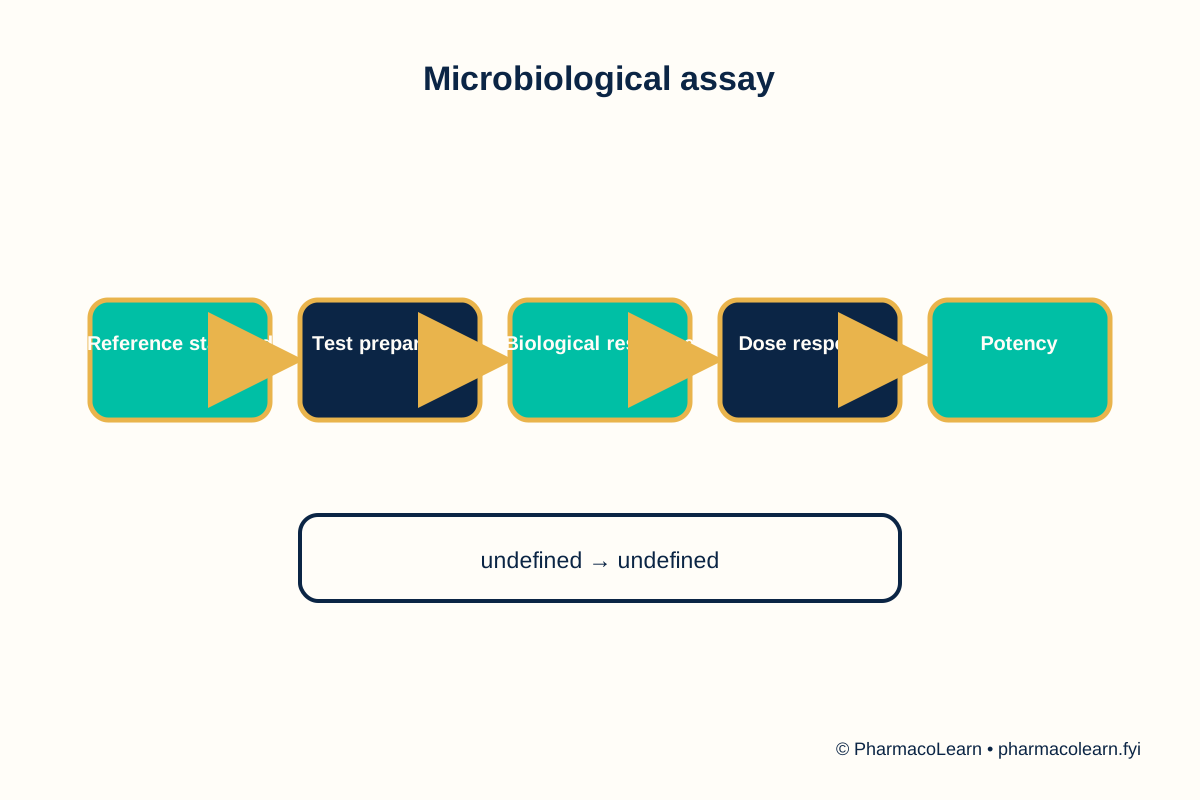
Microbiological assays compare the response produced by an unknown with that of a reference standard. Penicillin and streptomycin assays may use diffusion or dilution principles. Vitamin assays use organisms with defined nutritional requirements. The assay depends on a valid dose-response relationship, uniform inoculum, suitable medium and replicate controls.
Stepwise study framework
- Identify the microorganism or biological process.
- State the structural or biochemical feature that explains its behavior.
- Connect growth, transmission or immune response with the clinical or pharmaceutical consequence.
- Select the appropriate laboratory or quality-control method.
- Interpret the result with its limitations and required controls.
Vaccines and sera are standardized for identity, potency, purity, safety and consistency. Biological products require reference preparations, controlled storage and validated assays. A pharmacist evaluates trends, outliers and deviations instead of relying on one plate or one tube.
FAQs and takeaways
- Why must the method match the question? Identity, viability, susceptibility, contamination and immunity are different measurements.
- Why are controls essential? They show whether a negative or positive result is technically credible.
- What is the main takeaway? Microbiological conclusions require correct sampling, validated methods and context.
References: PharmacoLearn Year 2 syllabus; Pharmacy Council of India, Pharm.D. Regulations 2008; Prescott's Microbiology; Topley and Wilson's Microbiology and Microbial Infections; Ananthanarayan and Paniker's Textbook of Microbiology.
Unit 10: Infectious Diseases
Expanded detail
Infectious disease prevention combines source control, interruption of transmission and protection of susceptible people. Typhoid and cholera emphasize safe water and sanitation. Tuberculosis requires respiratory control, testing and adherence. Malaria requires vector control and timely diagnosis. Hepatitis prevention depends on route-specific precautions and vaccination where available. HIV prevention includes testing, safer sex, blood safety and prevention of mother-to-child transmission. Pharmacists support adherence and referral but must not make a definitive diagnosis from a symptom alone.
Syllabus scope
This unit covers typhoid, tuberculosis, malaria, cholera, hepatitis, meningitis, syphilis, gonorrhea and HIV.
Core theory
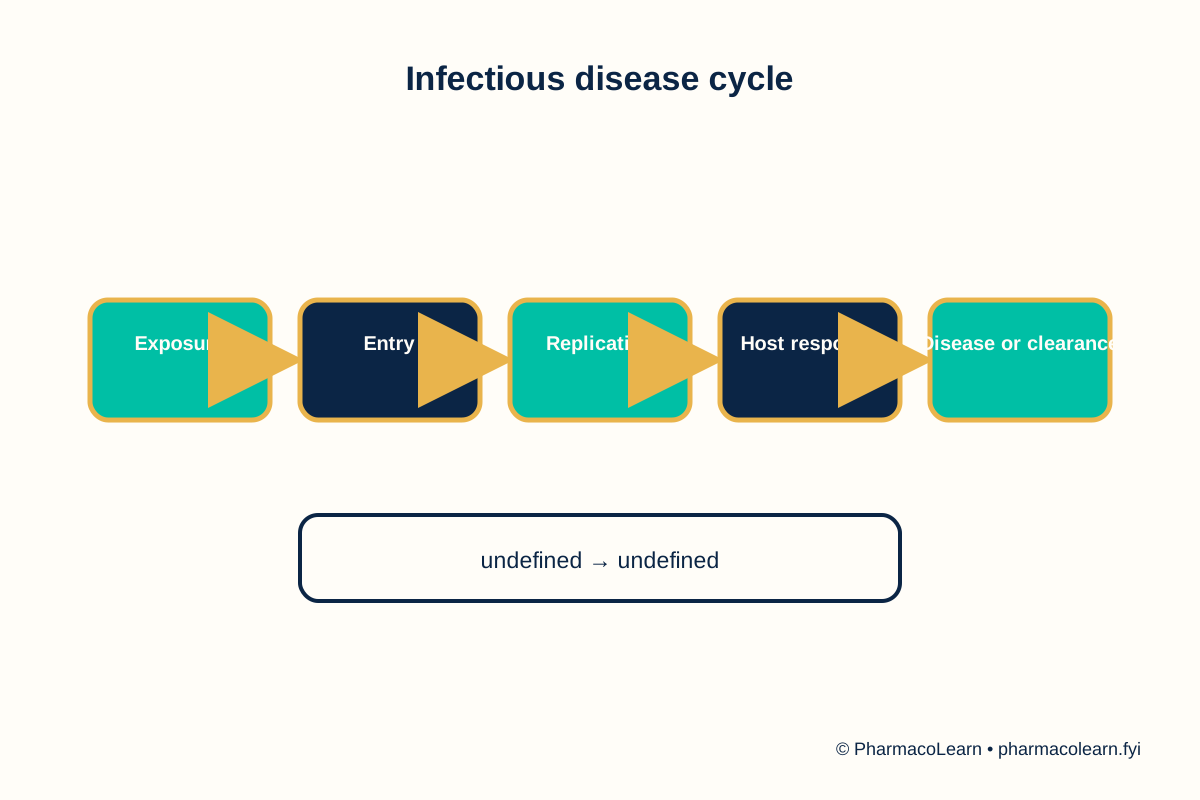
Infectious disease develops through exposure, entry, adherence, multiplication or toxin production, host response and tissue injury. Typhoid is an enteric systemic infection. Tuberculosis can persist in granulomas and reactivate when immunity falls. Malaria alternates between mosquito and human stages. Cholera causes secretory diarrhea through enterotoxin-mediated intestinal signaling. Hepatitis varies by virus, route, acute course and chronicity. Meningitis may rapidly cause inflammation of the protective coverings of the brain.
Clinical and pharmaceutical correlation
Syphilis progresses through recognized clinical stages. Gonorrhea can cause local infection, pelvic complications and neonatal disease. HIV progressively impairs immune coordination. Diagnosis depends on specimen, timing and test method. Control includes sanitation, safe water, vaccination where applicable, vector control, screening, safer sex, respiratory protection, adherence and antimicrobial stewardship.
Stepwise study framework
- Identify the microorganism or biological process.
- State the structural or biochemical feature that explains its behavior.
- Connect growth, transmission or immune response with the clinical or pharmaceutical consequence.
- Select the appropriate laboratory or quality-control method.
- Interpret the result with its limitations and required controls.
The pharmacist identifies red flags, supports correct use of therapy, checks interactions and reinforces prevention. Symptoms alone do not establish the organism or justify an antimicrobial. Current local guidance is required for case definitions, resistance patterns and treatment.
FAQs and takeaways
- Why must the method match the question? Identity, viability, susceptibility, contamination and immunity are different measurements.
- Why are controls essential? They show whether a negative or positive result is technically credible.
- What is the main takeaway? Microbiological conclusions require correct sampling, validated methods and context.
References: PharmacoLearn Year 2 syllabus; Pharmacy Council of India, Pharm.D. Regulations 2008; Prescott's Microbiology; Topley and Wilson's Microbiology and Microbial Infections; Ananthanarayan and Paniker's Textbook of Microbiology.
Diagrams
Other Year 2 subjects: Pathophysiology · Pharmaceutical Microbiology · Pharmacognosy and Phytopharmaceuticals · Pharmacology I · Community Pharmacy · Pharmacotherapeutics I · Year 2 · Pharm D