
Pathophysiology — Pharm D Year 2
Notes for Pathophysiology, Pharm D Year 2, organised unit by unit following the PCI Pharm D syllabus. 9 units, 20 diagrams.
Syllabus: Pharm D Year 2 syllabus
Units in this subject
- Unit 1: Cell Injury and Adaptation
- Unit 2: Inflammation and Wound Repair
- Unit 3: Diseases of Immunity
- Unit 4: Cancer
- Unit 5: Shock
- Unit 6: Biological Effects of Radiation
- Unit 7: Environmental and Nutritional Diseases
- Unit 8: Common Noninfectious Diseases
- Unit 9: Infectious Diseases
Unit 1: Cell Injury and Adaptation
Core concepts
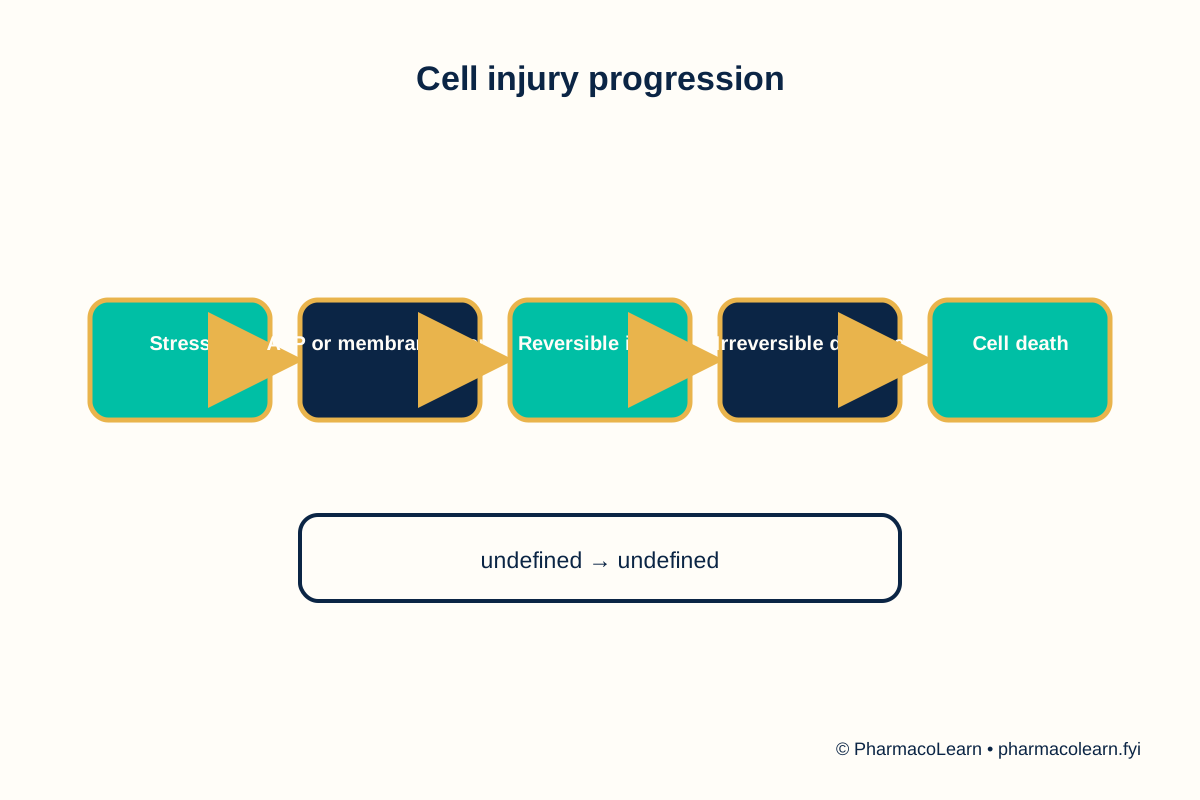
Cell injury develops when a stress exceeds the cell's ability to adapt. Common causes include oxygen deprivation, physical agents, chemicals, infections, immune reactions, genetic defects and nutritional imbalance. The sequence is: stress changes cellular energy or structure, ATP production falls or demand rises, ion pumps fail, water enters, organelles swell, and membrane or mitochondrial damage may progress. Reversible injury can resolve when the cause is removed. Persistent injury leads to irreversible membrane damage, calcium dysregulation, mitochondrial failure and cell death.
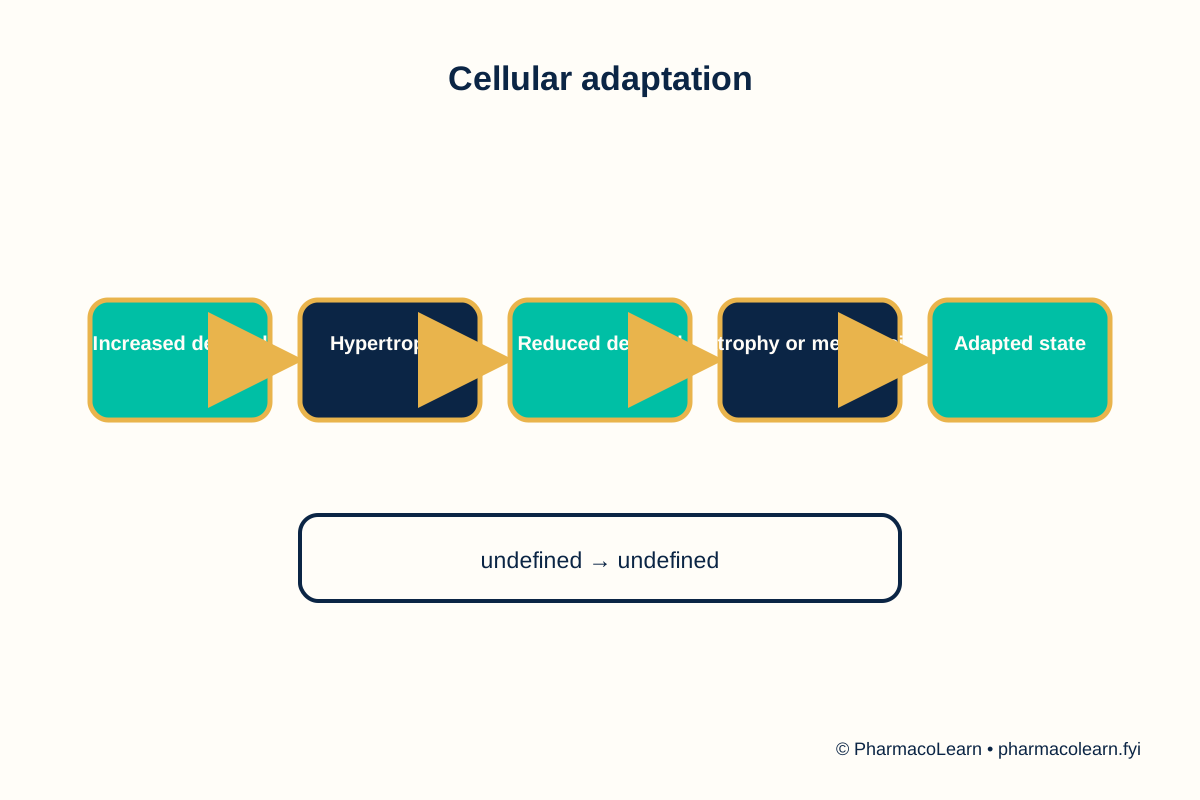
Adaptation includes hypertrophy, hyperplasia, atrophy and metaplasia. These responses alter cell size, number or phenotype to meet demand or reduce stress. Lipoproteinaemia may produce lipid accumulation in cells. Glycogen infiltration reflects abnormal storage or excessive intracellular glycogen. Glycogen storage diseases result from inherited enzyme defects, so glycogen accumulates in selected organs.
Clinical correlation
The pharmacist connects injury mechanism with drug toxicity, organ function and monitoring. A medicine that injures mitochondria may cause energy failure, while a medicine affecting lipid or glycogen metabolism may reveal an underlying storage problem.
FAQs and takeaways
- Is adaptation always harmless? No. Persistent adaptation can impair function or become a setting for injury.
- What separates reversible from irreversible injury? Recovery of mitochondrial function and membrane integrity is central.
References: PharmacoLearn Year 2 syllabus; Robbins and Cotran Pathologic Basis of Disease; Kumar, Abbas and Aster, Basic Pathology.
Detailed mechanism
Mitochondria are especially sensitive to hypoxia because oxidative phosphorylation requires oxygen as the final electron acceptor. ATP depletion reduces sodium-potassium pump activity, causing sodium and water accumulation inside the cell. Anaerobic glycolysis increases, glycogen stores fall and lactic acid lowers intracellular pH. Ribosomes detach from rough endoplasmic reticulum, reducing protein synthesis. If oxygen returns early, these changes may reverse. Persistent injury causes calcium entry, activation of phospholipases, proteases, endonucleases and ATPases, damaging membranes, cytoskeleton and DNA.
Necrosis involves membrane rupture, enzyme leakage and inflammation. Apoptosis is regulated cell deletion with cell shrinkage, chromatin condensation, apoptotic bodies and limited inflammation. The intrinsic pathway responds to mitochondrial stress, while the extrinsic pathway begins with death-receptor signaling. Adaptation may become harmful when the stress continues. Metaplasia can protect against one stress but reduce specialized function and create a setting for dysplasia.
Study tips
Remember the progression as energy failure, pump failure, swelling, calcium injury, membrane damage and inflammation. For storage disease questions, connect the defective enzyme with the accumulated substrate and the organ that normally processes it.
Clinical reasoning should connect the injurious stimulus to the altered organ function and then to the observable sign, symptom or laboratory abnormality. This chain is more useful than memorizing isolated morphology.
Unit 2: Inflammation and Wound Repair
Acute and chronic inflammation
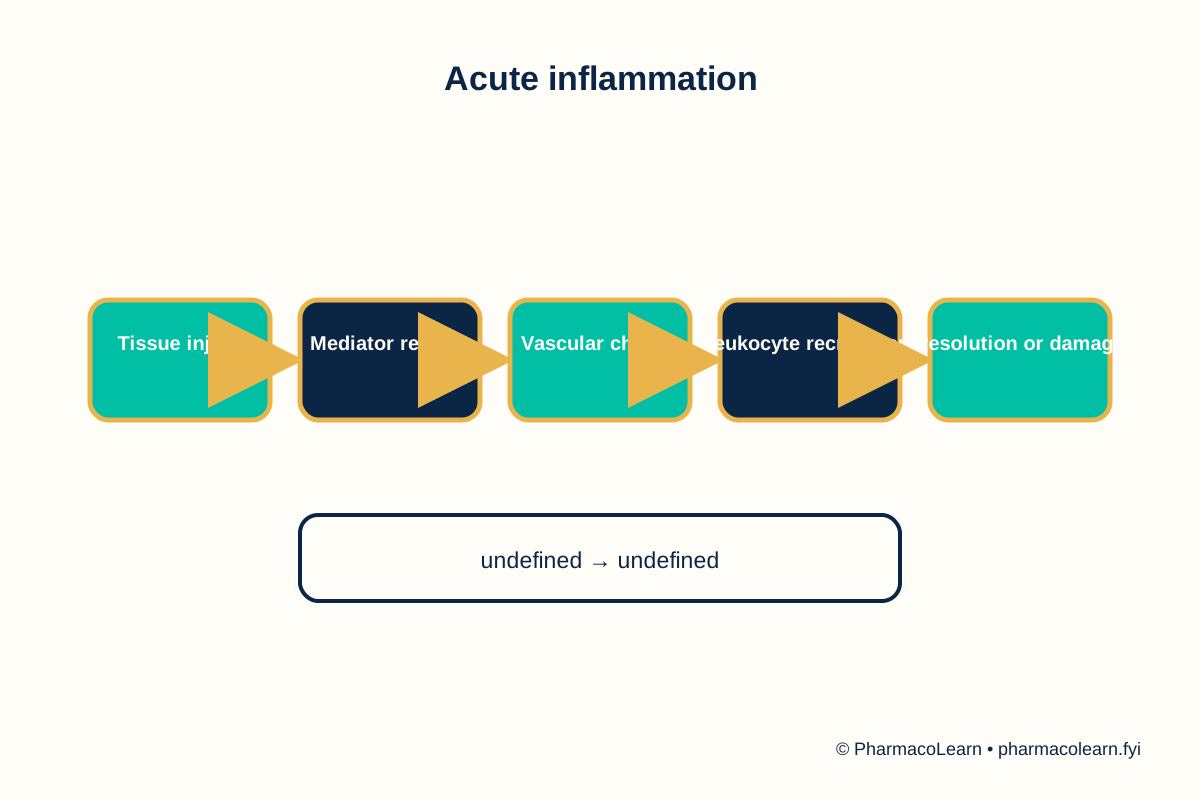
Acute inflammation begins when tissue injury or infection activates resident cells. Vascular changes increase blood flow and permeability. Plasma proteins enter tissue, leukocytes slow, adhere to endothelium, migrate through the vessel wall and follow chemical gradients. Neutrophils recognize targets, ingest them and kill them using enzymes and reactive species. Chemical mediators include histamine, prostaglandins, leukotrienes, cytokines, complement fragments and kinins.
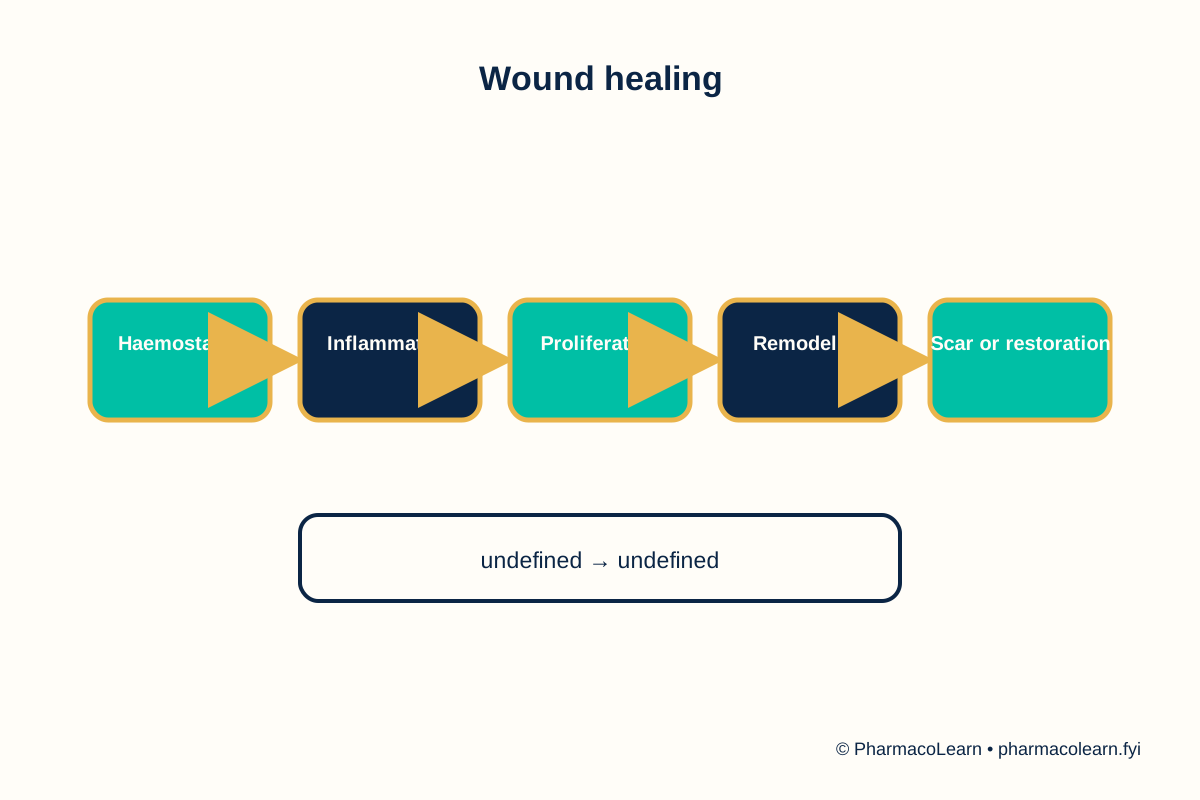
Chronic inflammation persists when the cause remains. Macrophages, lymphocytes and plasma cells predominate. Ongoing injury, repair and fibrosis occur together. Wound repair in skin proceeds through haemostasis, inflammation, proliferation and remodeling. Fibroblasts deposit extracellular matrix, new vessels form and epithelial cells cover the surface.
Healing is influenced by infection, poor perfusion, diabetes, malnutrition, corticosteroid exposure, foreign bodies, mechanical stress and the size or location of the wound.
Clinical correlation
Pharmacists monitor medicines that suppress inflammation or impair repair. They also identify infection, poor healing and adverse effects requiring referral.
FAQs and takeaways
- Why does inflammation cause swelling? Increased vascular permeability allows protein-rich fluid into tissue.
- Why can chronic inflammation cause fibrosis? Repeated injury activates repair pathways and persistent matrix deposition.
References: PharmacoLearn Year 2 syllabus; Robbins and Cotran; Abbas, Lichtman and Pillai, Cellular and Molecular Immunology.
Detailed mechanism
The acute inflammatory response is coordinated by recognition receptors on macrophages, mast cells and other sentinel cells. Histamine rapidly dilates arterioles and increases venular permeability. Complement fragments promote chemotaxis and opsonization. Cytokines activate endothelium, while selectins slow leukocytes and integrins secure adhesion. Leukocytes then cross the endothelium and migrate toward chemotactic signals. Phagocytosis requires recognition, engulfment and killing. Resolution depends on removal of the trigger, clearance of exudate and a shift toward anti-inflammatory mediators.
Repair may occur by regeneration when surviving cells and extracellular matrix remain adequate. Fibrous repair is favored when tissue destruction is extensive or the tissue has limited regenerative capacity. Granulation tissue contains new capillaries, fibroblasts and inflammatory cells. Remodeling changes collagen organization and tensile strength over time.
Pharmacist focus
A pharmacist checks whether a medicine affects platelet function, inflammation, immunity, glucose control or collagen formation. Nonhealing wounds require review of adherence, infection, perfusion, nutrition and medicine-related impairment.
Study tips
Separate vascular events, cellular events and repair phases. In examination answers, name the mediator class, the leukocyte, the repair cell and the factor that delays healing.
Unit 3: Diseases of Immunity
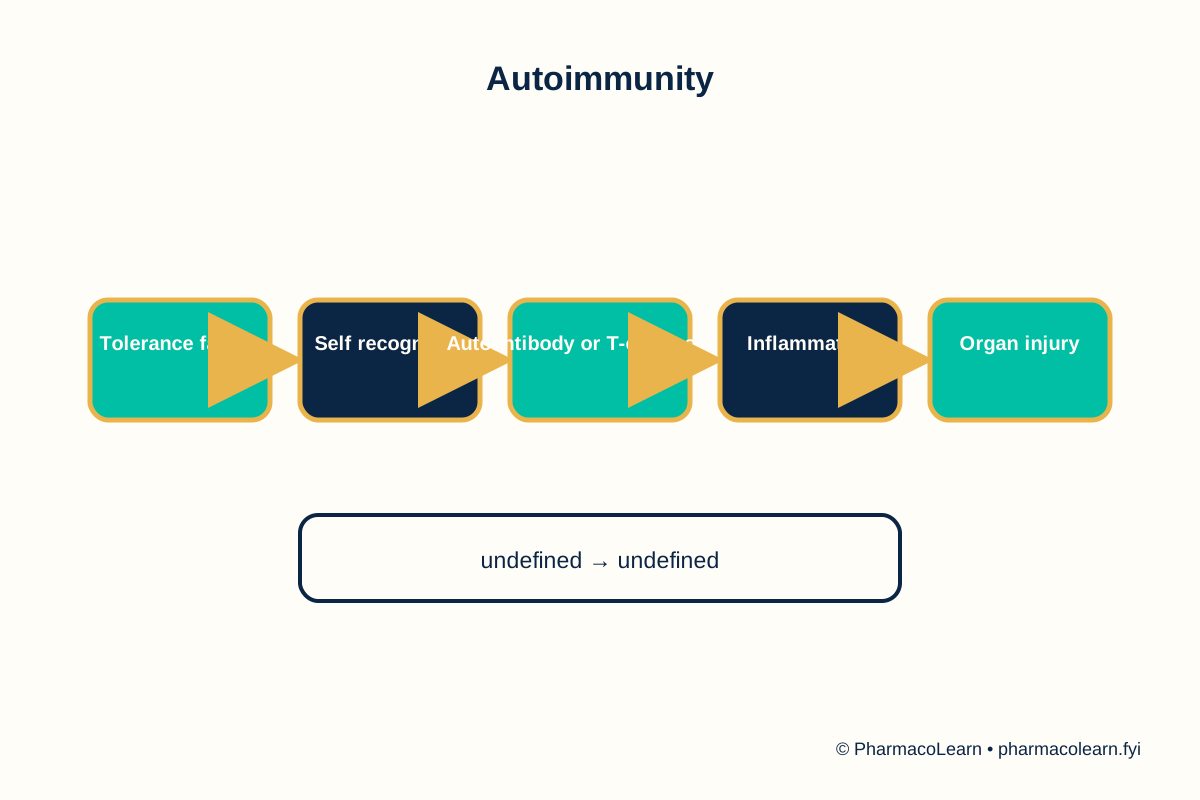
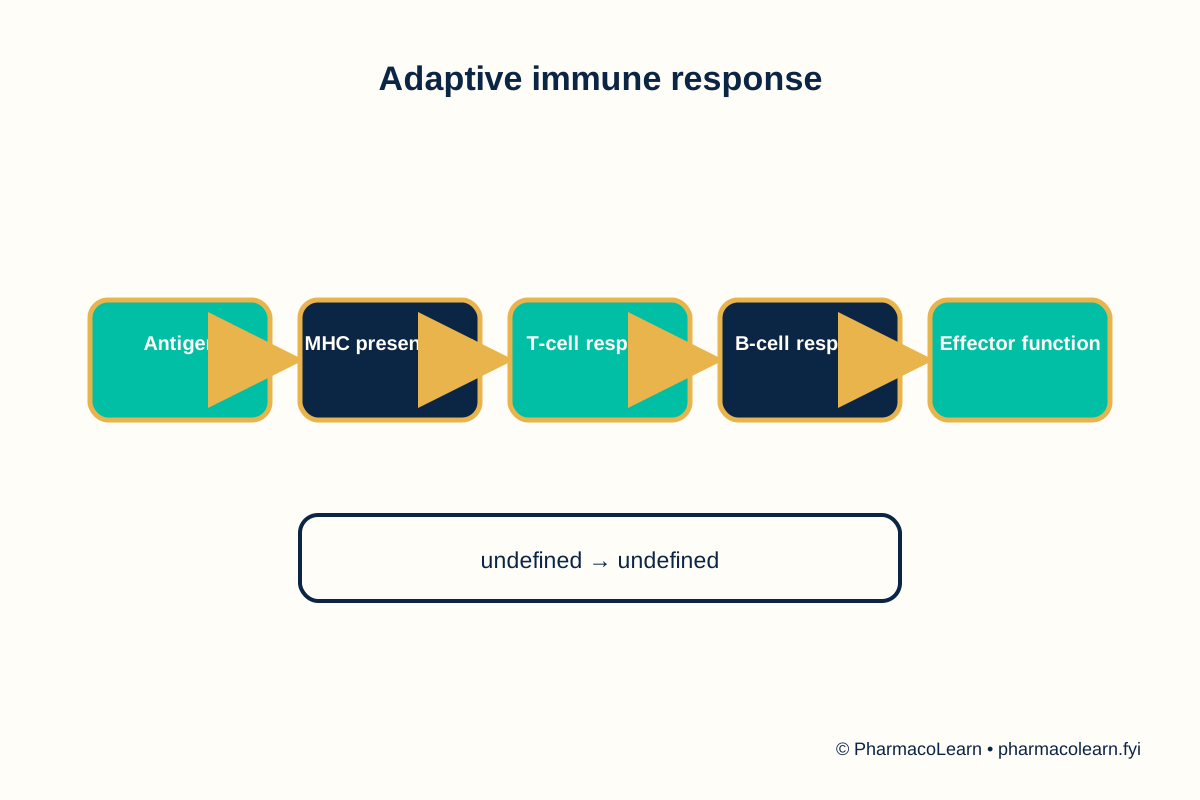
T lymphocytes coordinate cellular immunity, while B lymphocytes can differentiate into antibody-producing plasma cells. Antigen presentation through major histocompatibility complex proteins links innate recognition with adaptive responses. Tolerance prevents responses against normal self. Failure of tolerance can produce autoimmunity.
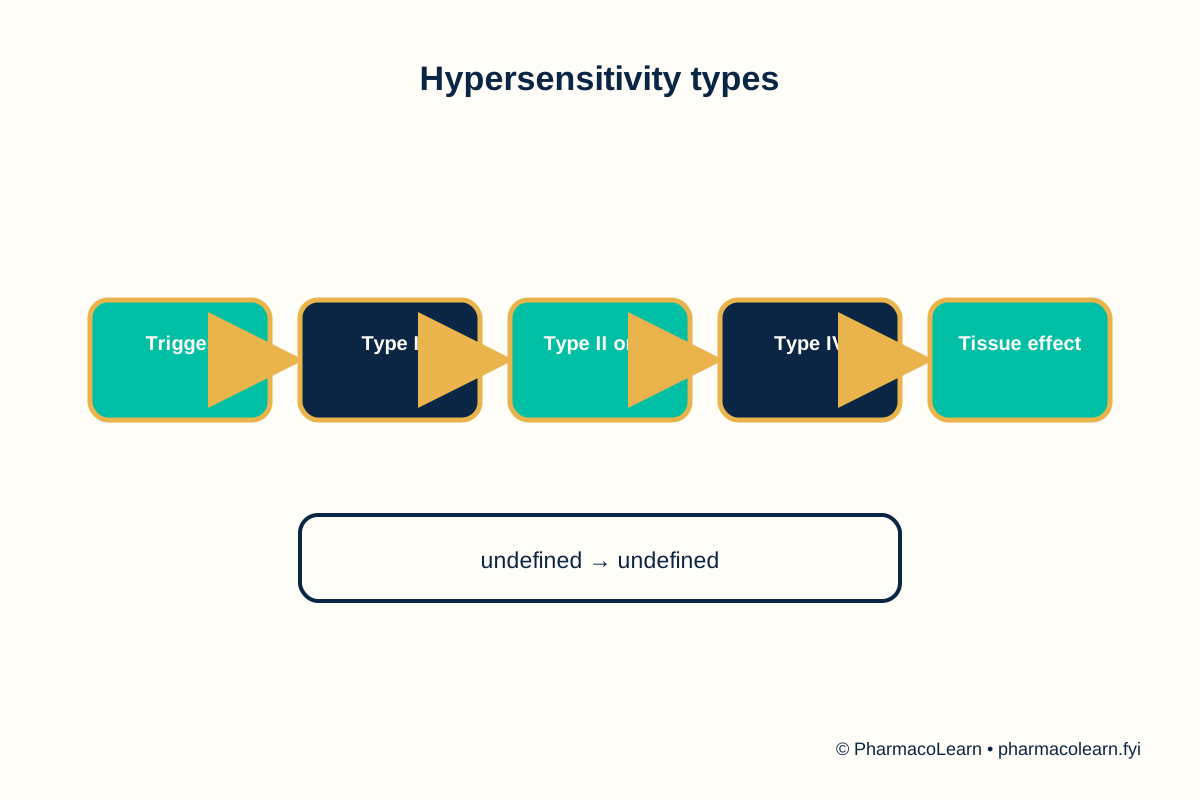
Hypersensitivity type I is immediate and commonly IgE mediated. Type II involves antibodies against cell or tissue antigens. Type III results from immune complex deposition. Type IV is delayed and T-cell mediated. Food, chemicals and drugs can provoke allergic or immune-mediated reactions.
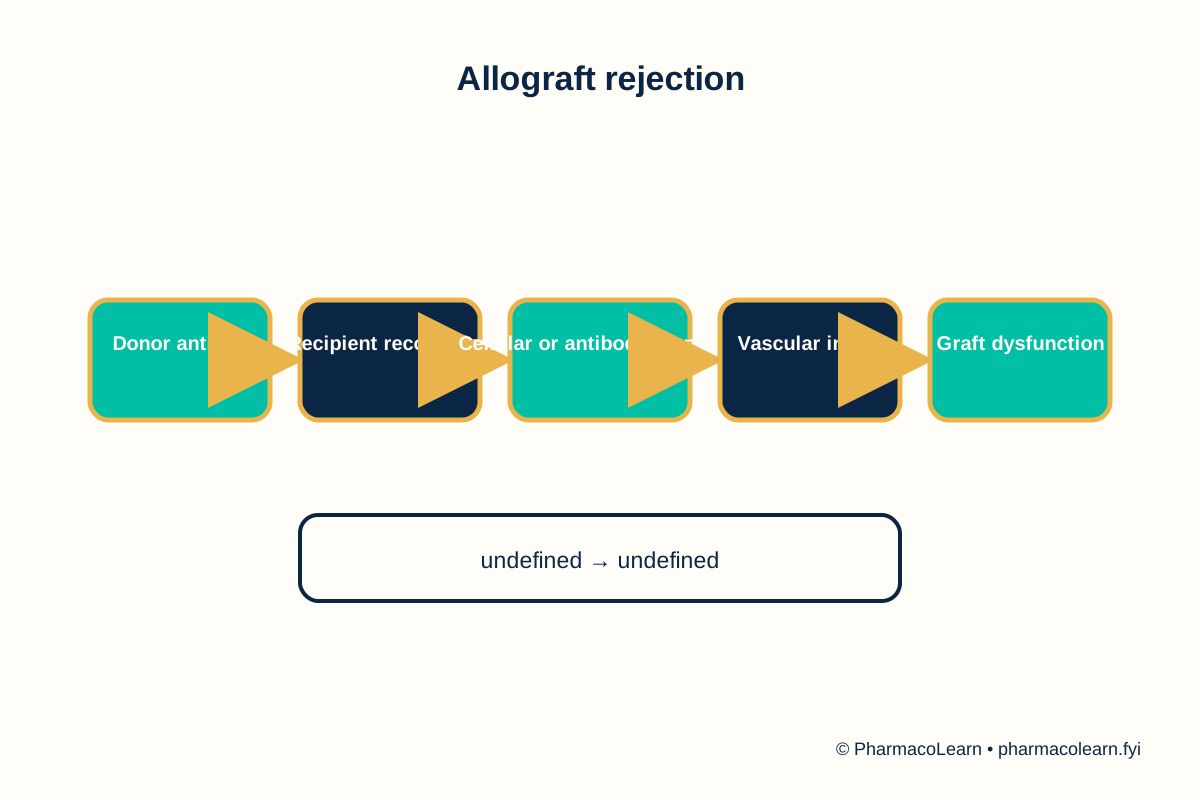
Autoimmune disease is supported by loss of self-tolerance, autoantibodies or autoreactive T cells, compatible tissue injury and exclusion of alternative causes. Allograft rejection may be hyperacute, acute or chronic, depending on preformed antibodies, cellular responses and vascular or fibrotic injury.
HIV infection progressively impairs immune function through loss and dysfunction of susceptible T cells. Amyloidosis is extracellular deposition of misfolded protein that can disrupt organ structure.
Clinical correlation
The pharmacist screens for allergy history, immune suppression, infusion reactions and drug-induced autoimmunity. A suspected severe reaction requires immediate escalation.
FAQs and takeaways
- Why are MHC proteins important? They display peptide information to T-cell receptors.
- Why does immunologic tolerance matter in transplantation? It limits recognition of donor tissue as foreign.
References: PharmacoLearn Year 2 syllabus; Robbins and Cotran; Abbas et al.; Janeway's Immunobiology.
Detailed mechanism
Adaptive immunity begins when an antigen is processed and displayed with MHC proteins. T helper cells release signals that activate macrophages and support B-cell differentiation. Cytotoxic T cells can kill infected or altered cells. B cells undergo clonal expansion, antibody secretion, class switching and memory formation. Active immunity follows exposure or vaccination. Passive immunity transfers ready-made antibody and is rapid but temporary.
Type I hypersensitivity requires sensitization, IgE binding to mast cells and later cross-linking that releases mediators. Type II antibodies bind cell-surface or matrix antigens and may cause complement activation or altered receptor function. Type III complexes deposit in tissues and activate complement. Type IV is delayed and driven by sensitized T cells and macrophages. Transplant rejection combines recognition of donor antigens with cellular, antibody and vascular injury.
Amyloid deposits are composed of misfolded protein fibrils and can compress cells, distort tissue and impair organ function. The precursor protein and deposition site influence clinical presentation.
Pharmacist focus
The pharmacist records allergy details carefully, identifies cross-reactivity concerns and monitors immunosuppressive therapy, infection risk and vaccination status. A suspected anaphylactic reaction is an emergency.
Study tips
Compare hypersensitivity by mediator, timing, target and tissue effect. For autoimmunity, explain tolerance failure before naming examples.
Unit 4: Cancer
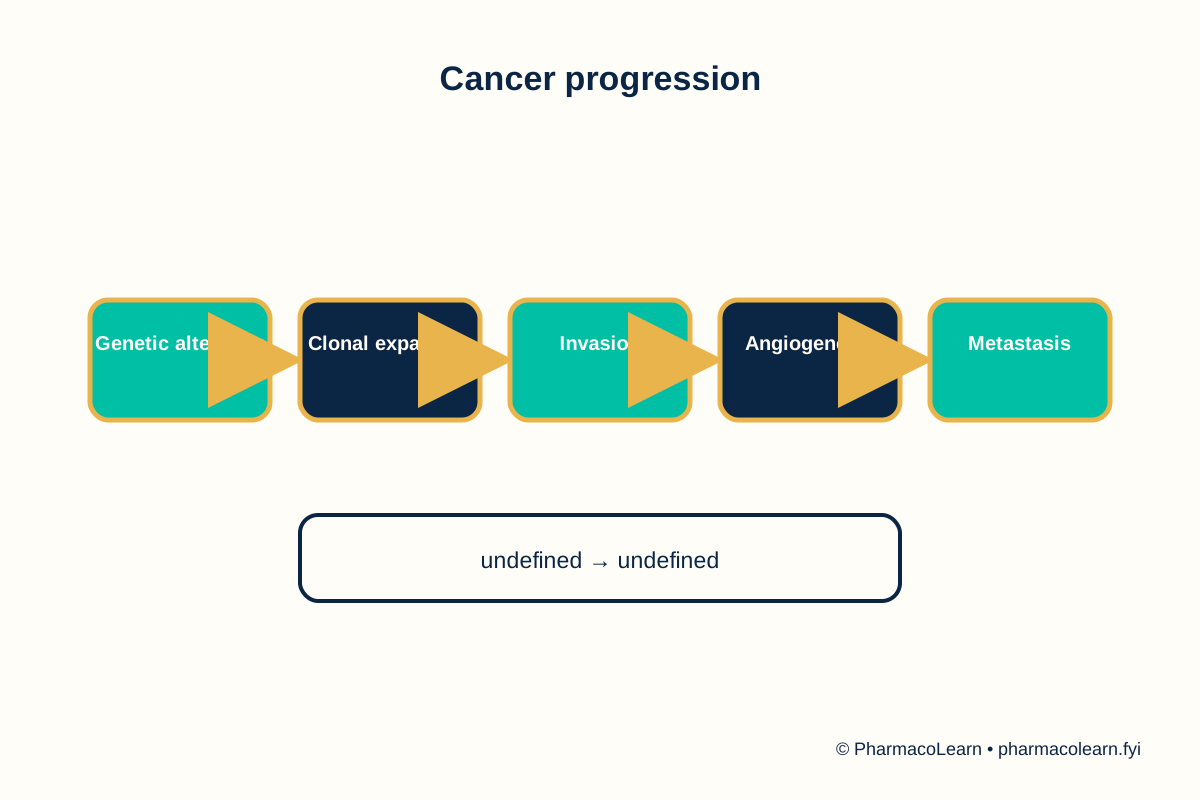
Cancer is a clonal disorder in which cells acquire changes that favor sustained proliferation, resistance to cell death, altered metabolism, angiogenesis, invasion and immune escape. Benign tumors are usually localized and resemble their tissue of origin more closely. Malignant tumors invade, destroy surrounding tissue and can metastasize.
Histological diagnosis evaluates architecture, cellular atypia, mitoses, differentiation and invasion. Spread occurs by direct extension, lymphatic channels, blood vessels or body cavities. Metastasis requires detachment, extracellular matrix degradation, migration, survival in circulation, extravasation and colonization of a distant site.
Etiology includes inherited susceptibility, chemicals, radiation, oncogenic infections, tobacco exposure and chronic inflammation. Tumor biology reflects driver mutations, tumor suppressor loss, genomic instability and interactions with the microenvironment.
Clinical correlation
The pharmacist supports safe use of antineoplastic medicines, recognizes treatment-related toxicity and distinguishes adverse effects from disease progression. Cancer diagnosis must remain pathology and oncology led.
FAQs and takeaways
- Is every rapidly growing tumor malignant? No. Growth rate alone does not define malignancy.
- Why is metastasis clinically important? It changes staging, prognosis and treatment strategy.
References: PharmacoLearn Year 2 syllabus; Robbins and Cotran; DeVita, Hellman and Rosenberg's Cancer.
Detailed mechanism
Tumor development is a multistep process. Initiation creates a permanent genetic change. Promotion gives the altered clone a growth advantage. Progression selects cells with additional changes that support invasion, angiogenesis, immune evasion and treatment resistance. Hallmarks of cancer include autonomous growth signaling, resistance to growth suppression, avoidance of apoptosis, limitless replication, angiogenesis, invasion, metastasis, altered metabolism and immune escape.
Grading describes microscopic differentiation and activity, while staging describes the anatomic extent of disease. Staging commonly evaluates the primary tumor, regional nodes and distant spread. A biopsy provides tissue for histology, immunohistochemistry and, when indicated, molecular testing. A tumor marker may support monitoring but does not automatically establish diagnosis.
Carcinogenesis can be chemical, radiation-related, infection-related or inherited. Chronic inflammation contributes by producing reactive species, growth signals and repeated repair. The tumor microenvironment includes fibroblasts, vessels, immune cells and extracellular matrix.
Pharmacist focus
The pharmacist verifies the regimen, dose, body-size or organ-function adjustment, handling precautions, supportive medicines and toxicity monitoring. Medication reconciliation is important because supplements and nonprescription medicines may alter cancer treatment.
Study tips
Do not confuse grade with stage. When explaining metastasis, include detachment, invasion, circulation, extravasation and colonization.
Diagnostic reasoning
Histology, imaging, molecular tests and clinical examination answer different questions. Histology can show differentiation and invasion, imaging can show distribution, and molecular testing can identify actionable changes. A result must be interpreted with specimen quality, disease stage and the patient's full presentation. This prevents the common error of treating one marker as a complete diagnosis or prognosis.
Unit 5: Shock
Shock is inadequate tissue perfusion with cellular oxygen and nutrient deficiency. Hypovolemic shock follows loss of blood or fluid. Cardiogenic shock follows pump failure. Distributive shock includes septic, anaphylactic and neurogenic patterns, in which vascular tone and distribution are abnormal. Obstructive shock results from impeded cardiac filling or outflow.
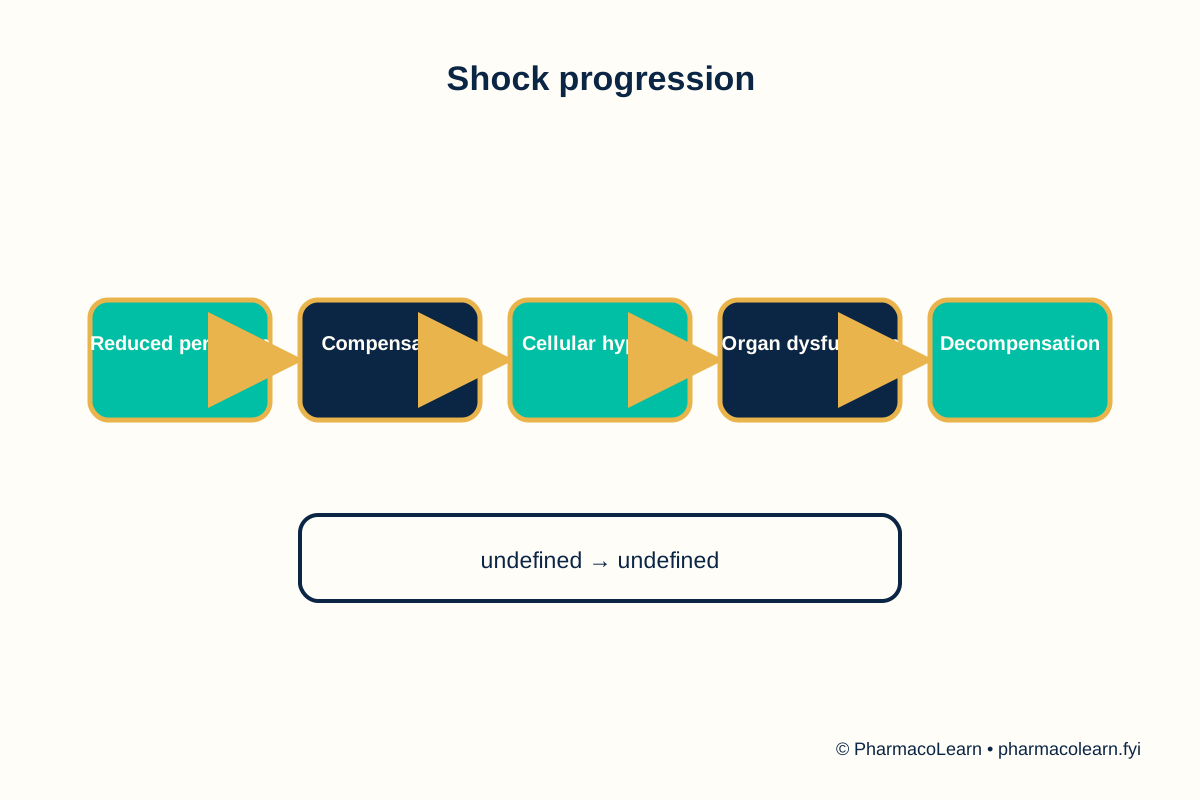
The progression is: reduced effective circulation, compensatory sympathetic activation, tachycardia and vasoconstriction, then cellular anaerobic metabolism and lactate production. If the cause persists, endothelial injury, inflammation, mitochondrial failure, coagulopathy and multiorgan dysfunction develop.
Management begins with identifying and correcting the cause, supporting airway and breathing, restoring circulation, controlling bleeding or infection, and monitoring perfusion, urine output, mental state, lactate and organ function. Exact treatment depends on the shock type and clinical setting.
Clinical correlation
Pharmacists recognize shock as an emergency. Medication history is important because sedatives, antihypertensives, diuretics and allergic triggers can contribute or mask signs.
FAQs and takeaways
- Why is urine output useful? Renal perfusion often falls early in systemic hypoperfusion.
- Can blood pressure be normal initially? Compensation can preserve pressure before decompensation.
References: PharmacoLearn Year 2 syllabus; Robbins and Cotran; Harrison's Principles of Internal Medicine.
Detailed mechanism
Compensatory responses in shock include sympathetic activation, catecholamine release, renin-angiotensin signaling and antidiuretic hormone secretion. These mechanisms increase heart rate, contractility, vascular tone and water retention. They preserve perfusion to the brain and heart but reduce flow to skin, gut and kidneys. Persistent hypoxia shifts metabolism toward anaerobic glycolysis and lactate production. Endothelial activation increases permeability and can worsen intravascular depletion.
Septic shock involves infection-related inflammation, vasodilation, endothelial dysfunction, altered microcirculation and sometimes myocardial depression. Anaphylaxis combines vasodilation, increased permeability and bronchoconstriction after mediator release. Cardiogenic shock follows severe pump failure, while obstructive shock follows a mechanical barrier such as impaired filling or outflow.
Monitoring includes mental status, pulse, skin, capillary refill, urine output, respiratory status, lactate and response to therapy. Management requires urgent clinical assessment, source control, fluid or blood support when appropriate, vasoactive support when indicated and treatment of the cause.
Pharmacist focus
Review recent medicines, overdose, allergy, bleeding, infection and missed steroid therapy. Avoid interpreting a single blood pressure reading without the full perfusion picture.
Study tips
Classify shock by mechanism first. Then describe the compensatory response, the cellular consequence and the emergency priority.
Examination framework
A complete shock answer should classify the type, state the hemodynamic problem, explain the compensatory response, describe the cellular consequence and identify the urgent management principle. Always distinguish restoring circulation from treating the cause. Monitoring should be repeated because shock is dynamic and a temporary improvement in pressure may conceal continuing tissue hypoxia.
Unit 6: Biological Effects of Radiation
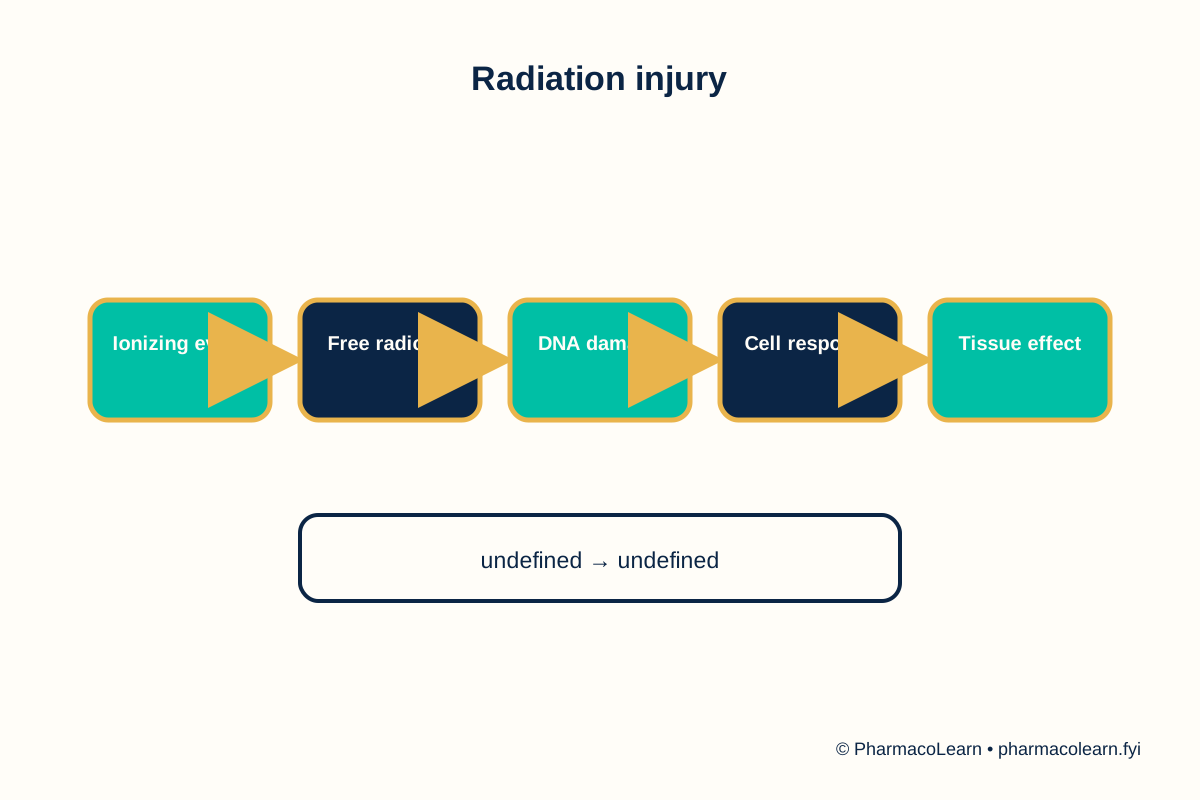
Ionizing radiation can remove electrons and damage DNA directly or indirectly through reactive species generated from water. Damage depends on radiation type, dose, dose rate, tissue sensitivity and oxygenation. Rapidly dividing or poorly differentiated tissues are generally more vulnerable.
Molecular injury may cause base damage, single-strand breaks, double-strand breaks, chromosome abnormalities, apoptosis or mutation. Tissue effects can be deterministic, with severity increasing above a threshold, or stochastic, where probability of events such as cancer increases with exposure.
Acute effects may include marrow suppression, gastrointestinal injury and neurologic damage at sufficiently high exposures. Delayed effects include fibrosis, cataract formation, infertility or malignancy. Protection uses time reduction, distance increase and shielding, with justified exposure and monitoring.
Clinical correlation
Pharmacists handling radiopharmaceuticals follow authorized procedures, dose verification, contamination control and waste rules. Pregnancy, occupational exposure and patient counseling require current local guidance.
FAQs and takeaways
- Why does oxygen matter? Oxygen can stabilize free-radical damage and make it less reversible.
- Why are children more sensitive to some risks? Developing tissues and longer future lifespan can increase concern.
Exact dose thresholds and regulatory limits depend on radiation type, jurisdiction and clinical context. Check the applicable current radiation-protection guidance before applying a limit.
Worked clinical reasoning example
If a worker reports a possible contamination event, the first reasoning step is to separate external exposure from contamination, stop the relevant activity, follow the authorized local response pathway, document the time and circumstances, and obtain radiation-safety assessment. The pharmacist does not estimate dose or improvise decontamination instructions.
References: PharmacoLearn Year 2 syllabus; Robbins and Cotran; IAEA radiation protection guidance.
Detailed mechanism
Radiation injury is influenced by linear energy transfer, tissue oxygenation and the cell cycle. DNA double-strand breaks are particularly important because inaccurate repair can cause chromosome rearrangement or cell death. Free radicals attack nucleic acids, proteins and membranes. Cells may pause the cycle to repair damage, enter senescence, undergo apoptosis or survive with mutation.
Tissue effects depend on radiosensitivity and turnover. Bone marrow injury can reduce blood cells and increase infection or bleeding risk. Intestinal epithelial injury can cause fluid loss. Gonadal and lens effects have different sensitivity patterns. Delayed injury may arise from vascular damage, chronic inflammation and fibrosis.
Radiation safety uses justification, optimization and dose limitation for workers and the public under applicable regulations. Shielding is selected for the radiation type. Contamination control differs from external exposure control.
Pharmacist focus
Radiopharmaceutical practice requires authorized training, activity measurement, identity checks, labeling, patient verification, contamination surveys and documented disposal. The pharmacist must not improvise shielding or release decisions.
Study tips
Separate direct DNA damage from indirect water radiolysis. Distinguish deterministic tissue reactions from stochastic cancer risk.
Unit 7: Environmental and Nutritional Diseases
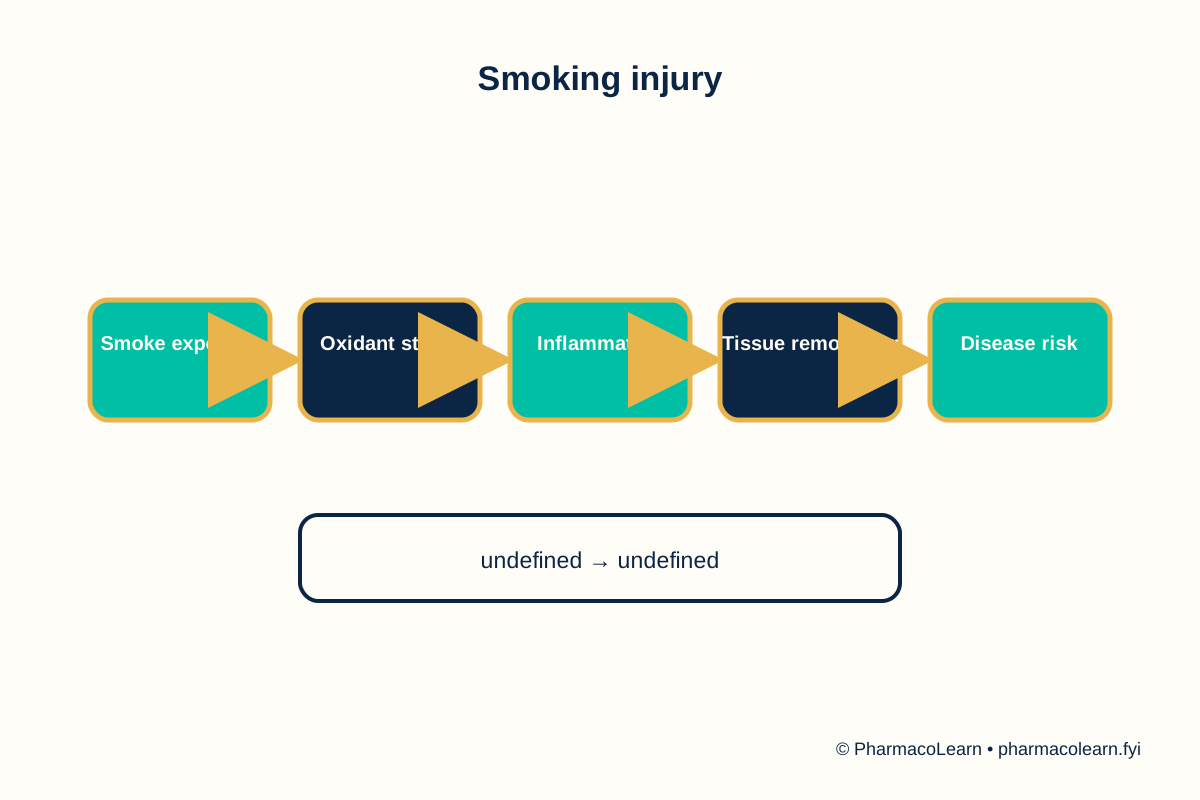
Air pollutants can injure respiratory and cardiovascular systems. Sulfur dioxide irritates airways. Nitrogen oxides participate in oxidative and inflammatory reactions. Carbon monoxide binds haemoglobin with high affinity and reduces oxygen delivery. Smoking adds oxidants, particulates and carcinogens that promote inflammation, endothelial injury, chronic lung disease and cancer.
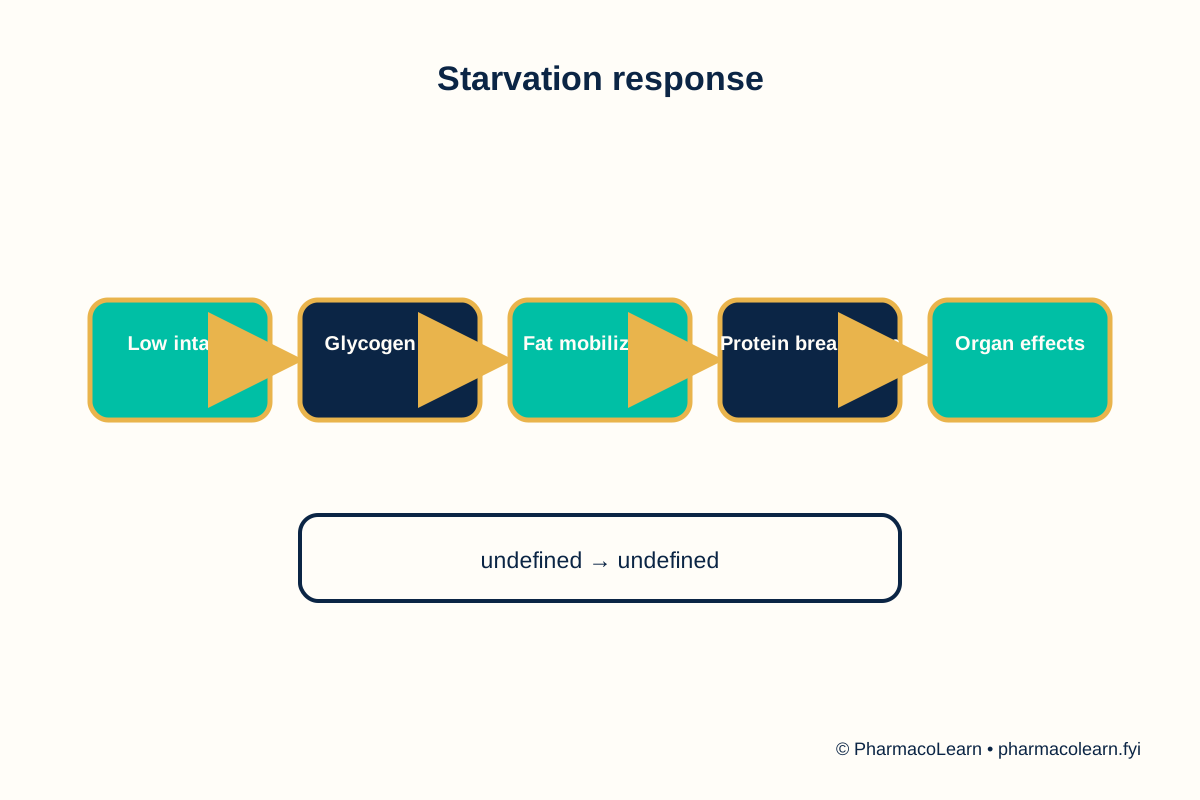
Protein calorie malnutrition results when energy or protein intake is insufficient. The body first uses glycogen, then fat, and later protein, causing loss of muscle and impaired immunity. Vitamin deficiency produces characteristic biochemical and tissue effects, while toxicity can occur with excessive supplementation. Obesity reflects chronic energy imbalance modified by genetics, appetite regulation, environment and endocrine signals. Adipose inflammation and insulin resistance contribute to complications.
Clinical correlation
The pharmacist provides prevention counseling, checks supplement duplication and recognizes interactions between malnutrition, absorption and medicine response.
FAQs and takeaways
- Why is carbon monoxide dangerous without obvious airway obstruction? It reduces oxygen carriage and impairs oxygen release from haemoglobin.
- Why can obesity be inflammatory? Enlarged adipose tissue can release mediators that promote metabolic dysfunction.
References: PharmacoLearn Year 2 syllabus; Robbins and Cotran; Modern Nutrition in Health and Disease; WHO technical guidance.
Detailed mechanism
Air pollution causes disease through particulate deposition, epithelial irritation, oxidative stress, inflammation and vascular effects. Sulfur dioxide and nitrogen oxides can provoke airway narrowing and inflammatory injury. Carbon monoxide forms carboxyhaemoglobin and reduces oxygen delivery. Tobacco smoke adds nicotine, carbon monoxide, oxidants, particulate matter and carcinogens. Smoking impairs ciliary clearance and macrophage function, increasing infection and chronic lung disease risk.
During starvation, insulin falls and counter-regulatory hormones rise. Glycogen is used first, followed by lipolysis and ketone production. With prolonged deficiency, protein breakdown supplies substrates for glucose production, causing muscle wasting and impaired immunity. Vitamin deficiency disrupts enzyme reactions, tissue maintenance, blood formation, vision, bone metabolism or neurologic function depending on the vitamin.
Obesity involves altered appetite signaling, adipocyte enlargement, insulin resistance and low-grade inflammation. Complications include diabetes, hypertension, fatty liver, sleep-disordered breathing and vascular disease.
Pharmacist focus
Counseling should include smoking cessation, nutrition, safe supplement use, weight stigma avoidance and referral for eating disorders or severe deficiency. Check whether poor intake changes absorption or toxicity of medicines.
Study tips
For each exposure, state the route, molecular injury, target organ and preventable complication.
Unit 8: Common Noninfectious Diseases
This unit links pathophysiology with clinical features and complications. Parkinsonism reflects impaired dopaminergic signaling in motor circuits and may produce bradykinesia, rigidity and tremor. Schizophrenia involves altered neurobiology with psychosis and cognitive or negative symptoms. Depression and mania reflect disorders of mood regulation, energy, cognition and behavior.
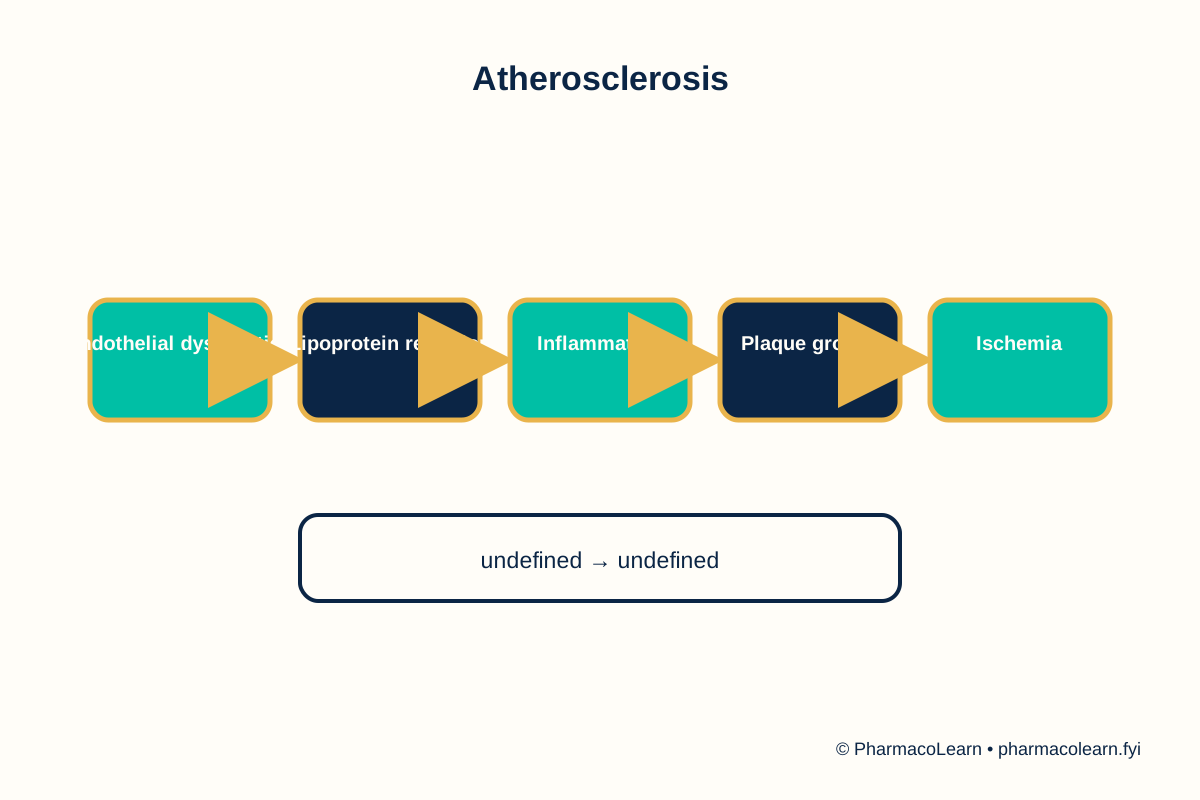
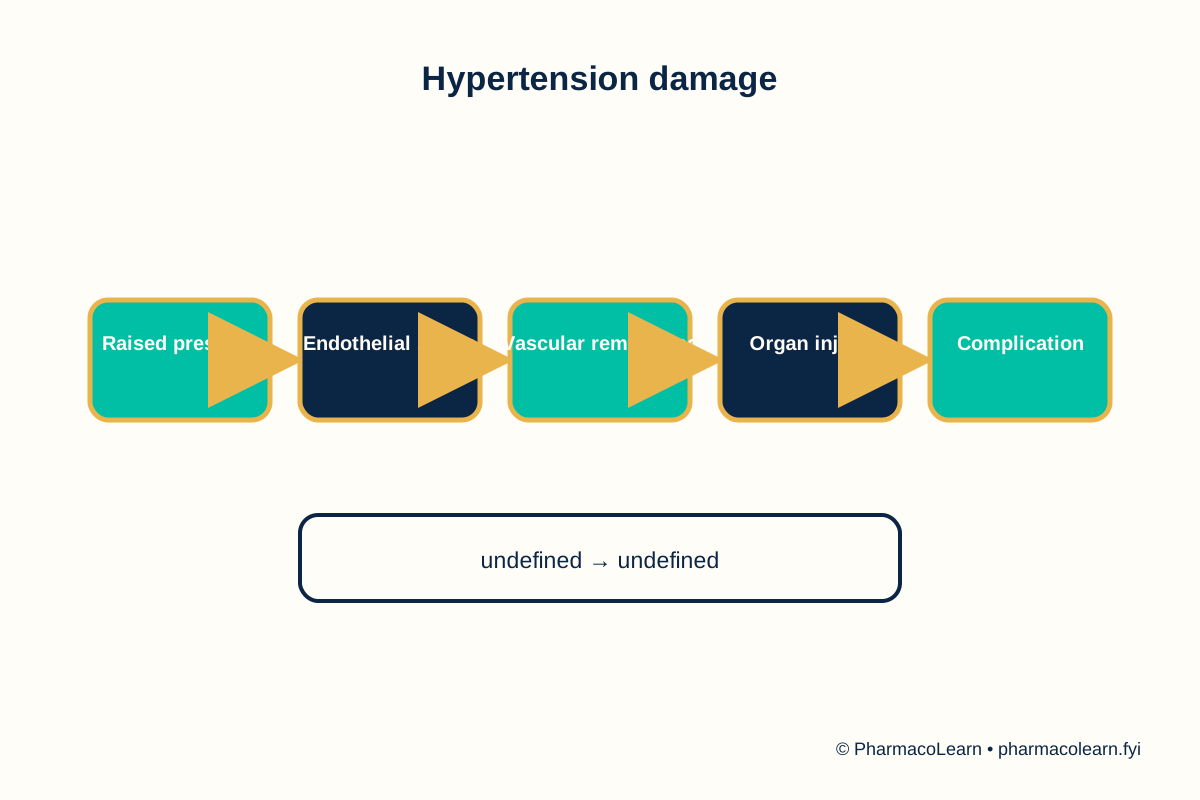
Hypertension causes sustained vascular stress and increases risk of stroke, heart failure, kidney disease and retinal injury. Stroke results from interrupted blood flow or hemorrhage and causes focal neurologic dysfunction. Angina reflects myocardial oxygen supply-demand imbalance. Heart failure reflects impaired pump performance or filling. Atherosclerosis begins with endothelial dysfunction, lipoprotein retention, inflammation and plaque formation. Myocardial infarction occurs when prolonged ischemia causes myocardial necrosis.
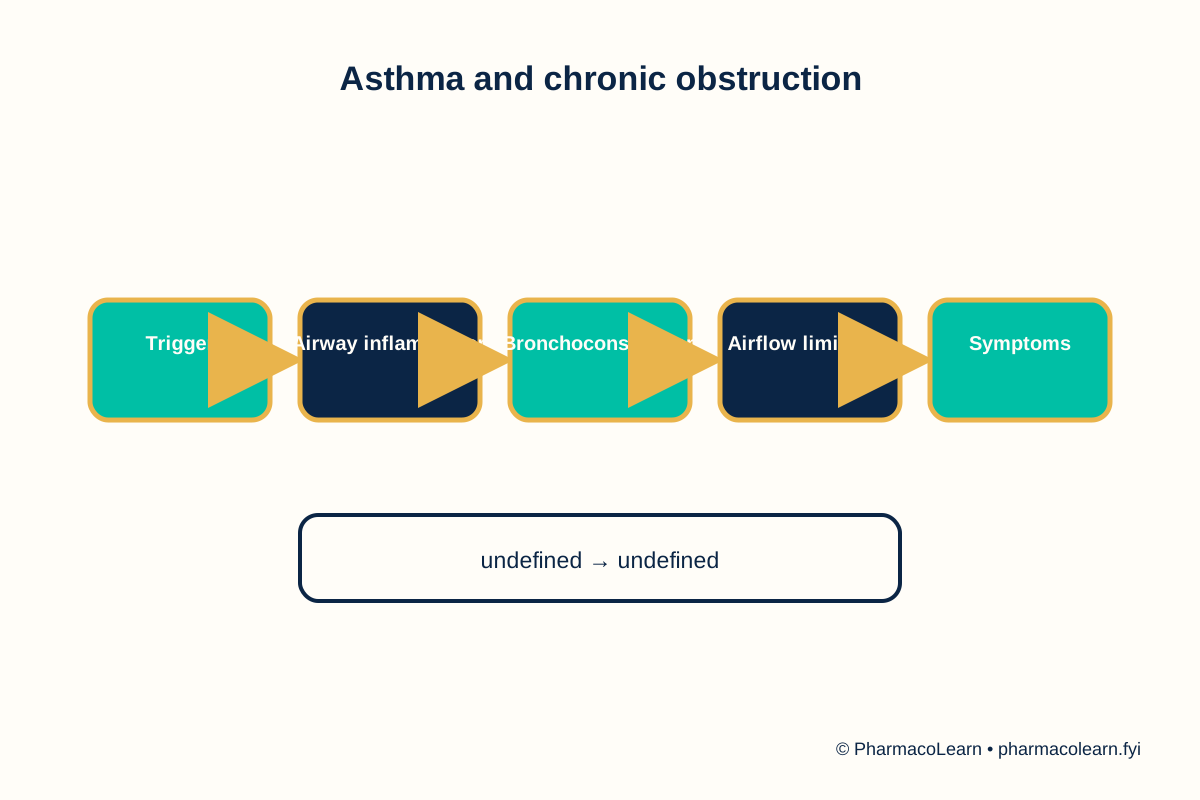
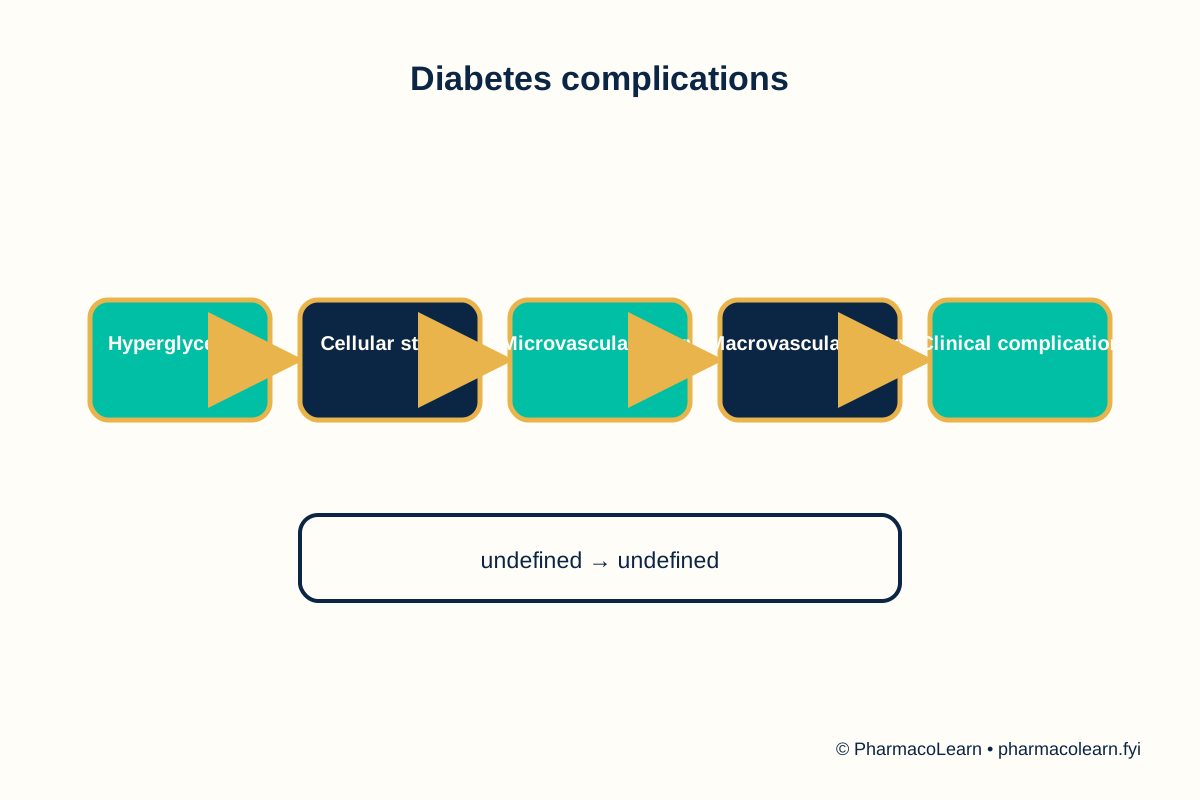
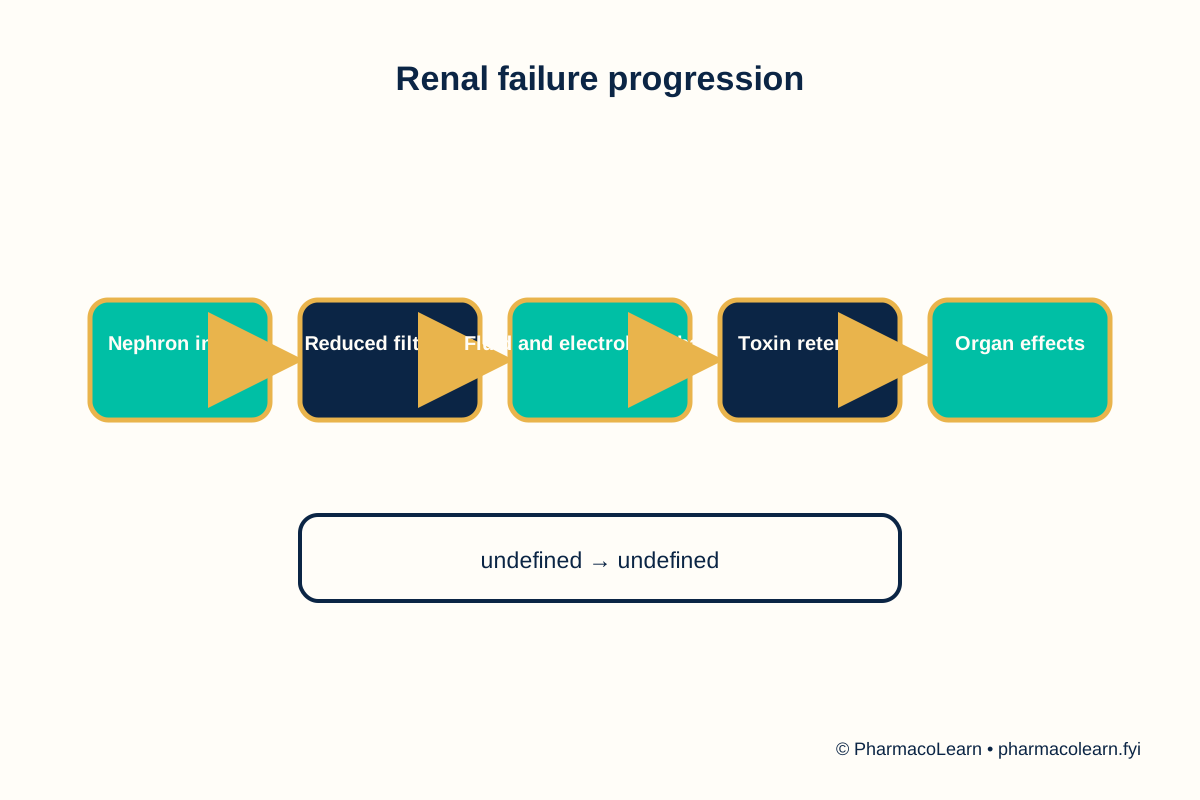
Diabetes involves abnormal glucose regulation and can cause vascular, renal, neural and retinal complications. Peptic ulcer and inflammatory bowel disease involve different mechanisms of mucosal injury and inflammation. Cirrhosis and alcoholic liver disease cause steatosis, inflammation, fibrosis and portal hypertension. Acute and chronic renal failure reduce filtration and homeostasis. Asthma causes variable airway narrowing and hyperresponsiveness, while chronic obstructive airway disease causes persistent airflow limitation.
Clinical correlation
The pharmacist monitors symptoms, organ function, adherence, interactions and warning signs. Treatment decisions require patient-specific assessment.
FAQs and takeaways
- Why is risk-factor control important across these diseases? Shared vascular, inflammatory and metabolic pathways cause preventable progression.
- Why distinguish asthma from chronic obstruction? Their variability, mechanisms and long-term management differ.
References: PharmacoLearn Year 2 syllabus; Robbins and Cotran; Harrison's Principles of Internal Medicine; Goodman and Gilman's.
Detailed mechanisms
Parkinsonism follows loss or dysfunction of dopaminergic neurons in motor pathways, producing an imbalance between facilitatory and inhibitory circuits. Schizophrenia includes altered salience, cognition, perception and behavior, with symptoms that may respond differently to treatment. Depression can include persistent low mood, loss of interest, cognitive change and somatic symptoms. Mania includes elevated or irritable mood, increased activity, reduced need for sleep and impaired judgment.
Hypertension causes endothelial stress and vascular remodeling. Atherosclerosis begins with endothelial dysfunction, lipoprotein retention, oxidation and inflammatory recruitment. Plaque rupture can trigger thrombosis and myocardial infarction or stroke. Diabetes causes advanced glycation, oxidative stress, endothelial injury and microvascular basement membrane change. Chronic hyperglycemia also accelerates atherosclerosis.
Renal failure reduces excretion, endocrine function, acid base control and fluid regulation. Asthma is characterized by variable, usually reversible airway narrowing and hyperresponsiveness. Chronic obstructive disease has persistent airflow limitation and structural remodeling.
Pharmacist focus
Medication review should include renal and hepatic function, blood pressure, glucose, lipids, mood, inhaler technique and adherence. Red flags such as chest pain, focal neurologic deficit, severe breathlessness, suicidality or acute kidney injury need urgent referral.
Study tips
For every disease, write cause, pathogenesis, key manifestations, complications and monitoring parameters. Keep pathophysiology distinct from the drug regimen.
Integrated clinical reasoning
The same patient may have several interacting mechanisms. Hypertension can accelerate renal injury, reduced renal function can increase blood pressure through sodium retention, and diabetes can worsen both through endothelial and metabolic injury. This is why a pharmacist reviews the complete patient profile rather than treating a laboratory number in isolation.
In heart failure, reduced forward output activates sympathetic and renin-angiotensin responses. These initially support circulation, but they also increase afterload, sodium retention and remodeling. In myocardial infarction, ischemia causes loss of contractile function and electrical instability. In stroke, the distinction between ischemic and hemorrhagic injury is essential because the mechanisms and immediate treatment pathways differ.
In liver disease, reduced synthetic function can change protein binding and coagulation, while cholestasis can alter elimination of substances excreted into bile. In renal failure, reduced filtration can increase exposure to renally cleared medicines and the acid base disturbance can change drug distribution. These relationships are pathophysiologic reasons for dose review and monitoring.
Respiratory disease illustrates the difference between airway narrowing and loss of elastic recoil. Asthma often varies over time and responds to bronchodilator or anti-inflammatory control, whereas chronic obstruction may involve persistent structural change. Symptoms such as cough and breathlessness are not specific enough to establish the diagnosis without history, examination and testing.
For neurologic and psychiatric disease, the pharmacist monitors function and safety as well as symptoms. Falls, sedation, movement abnormalities, mood change, suicidal thinking and impaired judgment may be more clinically urgent than a modest change in a symptom score.
Diagnostic thresholds, staging systems and treatment targets should be checked against the latest applicable clinical guideline before clinical publication or patient-specific use.
Worked clinical reasoning example
A patient with diabetes, hypertension and declining kidney function illustrates interacting mechanisms. Hyperglycaemia and vascular stress can worsen renal injury, while reduced renal clearance can increase medicine exposure. The pharmacist reviews trends, symptoms, medicines and monitoring rather than treating one isolated laboratory value as the complete diagnosis.
Unit 9: Infectious Diseases
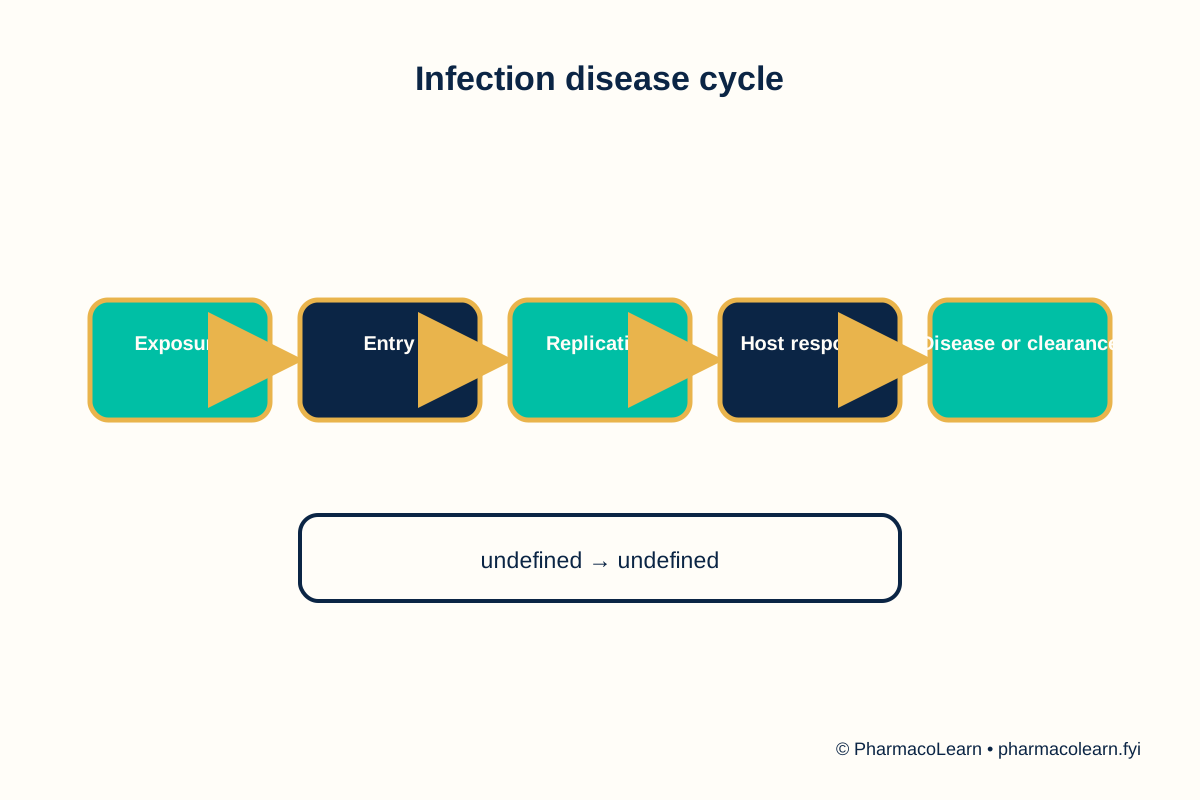
Infectious disease develops through exposure, entry, adhesion, invasion or toxin production, host response and tissue injury. Transmission may be respiratory, fecal oral, sexual, vector borne, blood borne or contact based. Diagnosis combines history, examination, specimen selection, microscopy, culture, antigen or antibody testing and molecular methods.
HIV causes progressive immune dysfunction. Syphilis and gonorrhea are sexually transmitted bacterial infections with different tissue patterns and complications. Urinary tract infection commonly follows bacterial entry and colonization of the urinary tract. Pneumonia produces alveolar inflammation and impaired gas exchange. Typhoid is an enteric infection with systemic features. Tuberculosis can persist in granulomas, while leprosy affects skin and peripheral nerves.
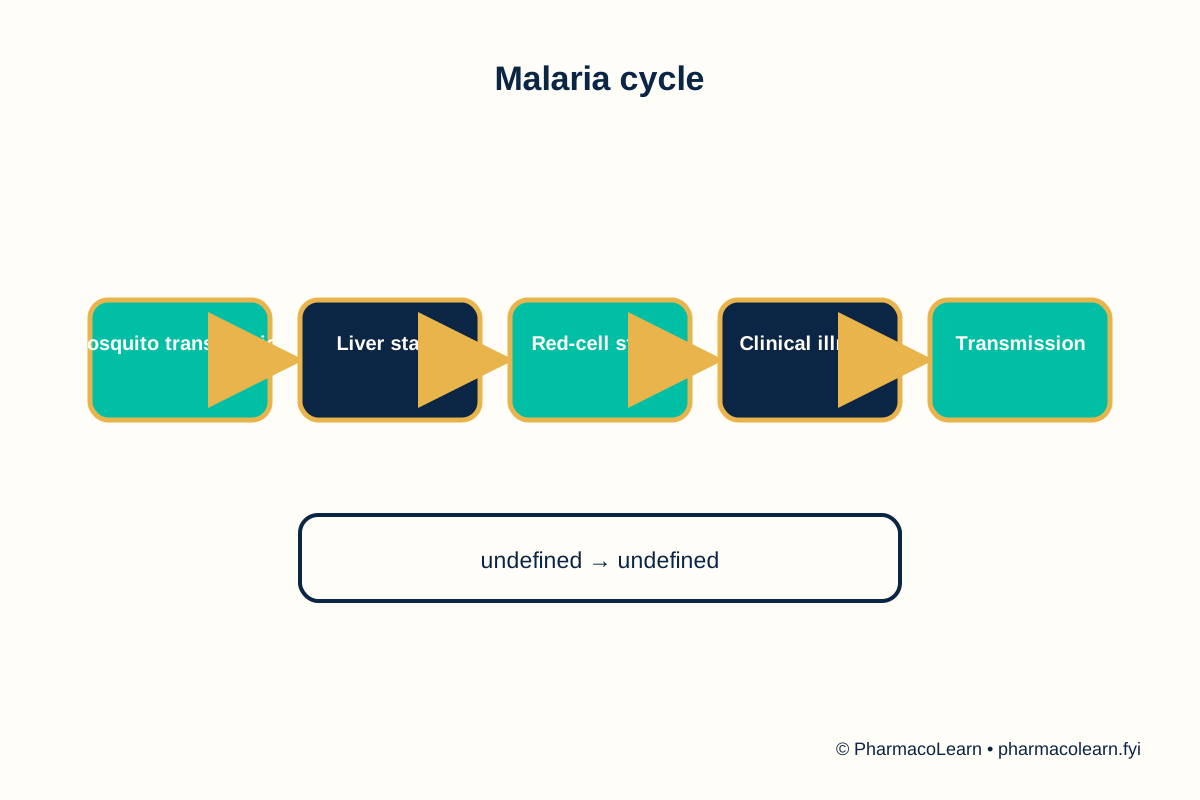
Malaria is transmitted by mosquitoes and cycles through liver and red cells. Dysentery may be bacterial or amoebic and causes inflammatory diarrhea. Infective hepatitis results from viral injury to the liver, with transmission and chronicity varying by virus.
Clinical correlation
Pharmacists emphasize adherence, prevention, testing, antimicrobial stewardship and referral for severe symptoms. They must avoid casual diagnosis from symptoms alone.
FAQs and takeaways
- Why is specimen choice important? The wrong specimen can miss the pathogen or create misleading results.
- Why does prevention matter after treatment? Reinfection, transmission and resistance can continue without public health measures.
Disease definitions, resistance patterns, diagnostic cutoffs and treatment regimens must be aligned with current local guidelines before clinical use.
Worked clinical reasoning example
A patient with fever, cough and breathlessness cannot be assigned an infectious diagnosis from symptoms alone. The pharmacist helps identify urgent features, confirms that an appropriate specimen and diagnostic pathway are being used, reviews recent antimicrobial exposure and allergy history, and supports timely referral and stewardship while awaiting evidence.
References: PharmacoLearn Year 2 syllabus; Robbins and Cotran; Mandell, Douglas, and Bennett's Principles and Practice of Infectious Diseases; WHO guidance.
Detailed mechanisms
Transmission is followed by attachment, entry, replication or toxin release, host recognition and tissue injury. Innate responses produce cytokines, fever and inflammatory recruitment. Adaptive responses clear infection but can also cause tissue damage. Persistent infection may lead to granuloma formation, fibrosis, immune exhaustion or latent reservoirs.
Tuberculosis is controlled in part by cellular immunity and granuloma formation. Malaria alternates between mosquito and human hosts, with liver infection followed by red-cell cycles that produce fever and hemolysis. Hepatitis viruses differ in route, chronicity and liver injury. HIV progressively impairs immune coordination. Gonorrhea and syphilis have distinct clinical stages and complications. Pneumonia impairs ventilation or gas exchange through alveolar inflammation. Urinary infection depends on microbial entry, adhesion and host defense. Dysentery causes inflammatory or invasive intestinal disease.
Diagnosis depends on the disease stage, prior therapy and specimen. Culture may provide susceptibility data, while molecular tests can detect nucleic acid rapidly. Prevention includes vaccination where available, sanitation, vector control, safer sex, screening and antimicrobial stewardship.
Pharmacist focus
The pharmacist supports adherence, adverse-effect monitoring, interaction checks, completion of therapy and public-health referral. Avoid recommending antibiotics for undiagnosed symptoms.
Study tips
For infectious disease answers, include agent, route, target tissue, clinical pattern, diagnostic method, prevention and the reason treatment adherence matters.
Diagrams
Other Year 2 subjects: Pathophysiology · Pharmaceutical Microbiology · Pharmacognosy and Phytopharmaceuticals · Pharmacology I · Community Pharmacy · Pharmacotherapeutics I · Year 2 · Pharm D