
Pharmacology I — Pharm D Year 2
Notes for Pharmacology I, Pharm D Year 2, organised unit by unit following the PCI Pharm D syllabus. 7 units, 20 diagrams.
Syllabus: Pharm D Year 2 syllabus
Units in this subject
- Unit 1: General Pharmacology
- Unit 2: Pharmacology of Drugs Acting on the Autonomic Nervous System
- Unit 3: Pharmacology of Drugs Acting on the Cardiovascular System
- Unit 4: Pharmacology of Drugs Acting on the Central Nervous System
- Unit 5: Pharmacology of Drugs Acting on the Respiratory Tract
- Unit 6: Pharmacology of Hormones and Hormone Antagonists
- Unit 7: Pharmacology of Autocoids and Their Antagonists
Unit 1: General Pharmacology
Expanded detail
Medication safety also depends on communication. The patient should know what the medicine is for, how to use it, what benefit to expect, which common effects are manageable and which signs require help. Reconciliation prevents duplicate therapy and identifies over-the-counter products that change exposure or effect.
Preclinical findings are translated cautiously because animal pharmacology and toxicity do not reproduce every human response. Clinical use therefore requires post-marketing surveillance, adverse-event reporting and continued evaluation of benefit versus risk. A pharmacist contributes by documenting suspected reactions with the medicine, timing, dose, dechallenge or rechallenge information when available, and relevant patient history.
The final decision also weighs untreated disease risk, patient preference, monitoring burden, affordability and the availability of safer alternatives. This is the practical meaning of benefit-risk assessment.
Document the reasoning and communicate follow-up clearly.
Then review.
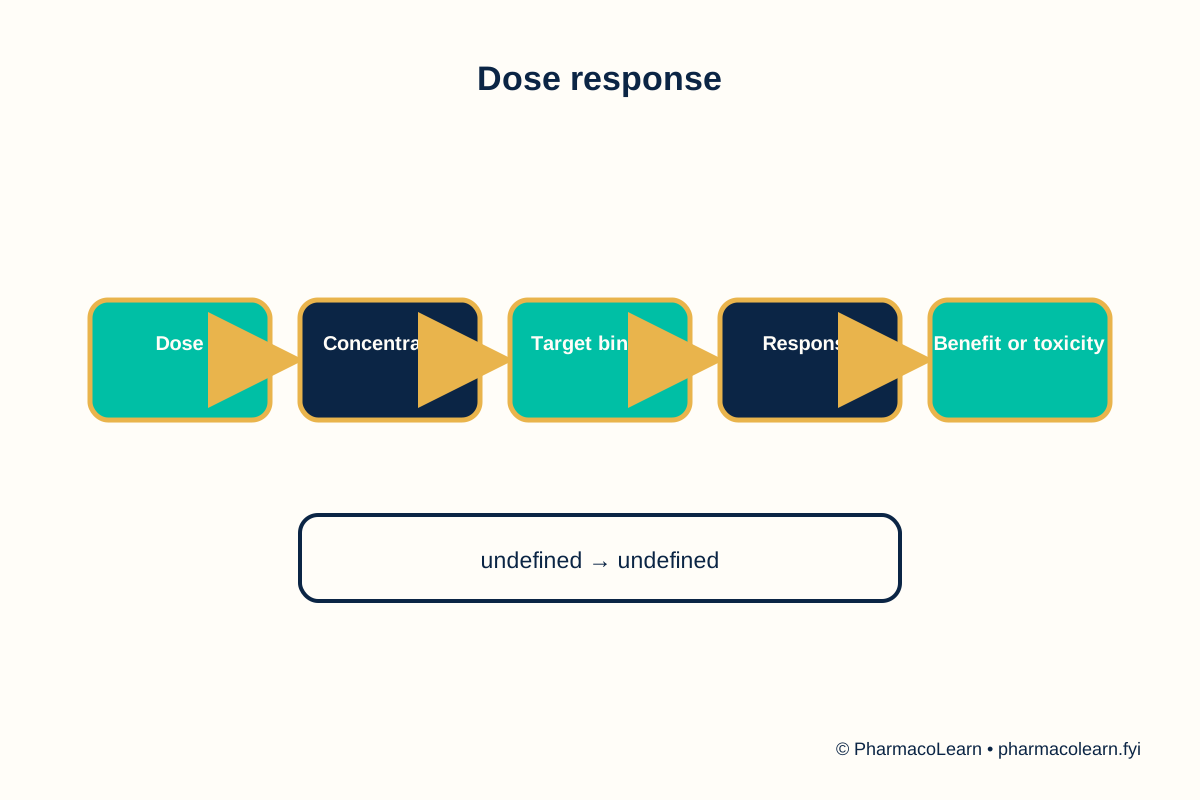
A useful dose-response sequence is binding, intrinsic activity, tissue response and clinical outcome. Potency describes the concentration needed for a defined effect, while efficacy describes the maximum effect. Therapeutic index compares effective and toxic exposure but does not replace patient monitoring. First-pass metabolism, protein binding, tissue distribution, active metabolites and renal clearance can all change response. Time-dependent effects may reflect receptor adaptation, tolerance, accumulation or delayed biology. An interaction is clinically important only when it changes exposure or effect enough to matter for that patient.
Syllabus scope
This unit covers definitions, scope, routes, pharmacokinetics, pharmacodynamics, factors modifying effects, toxicity, preclinical evaluation and drug interactions.
Core theory
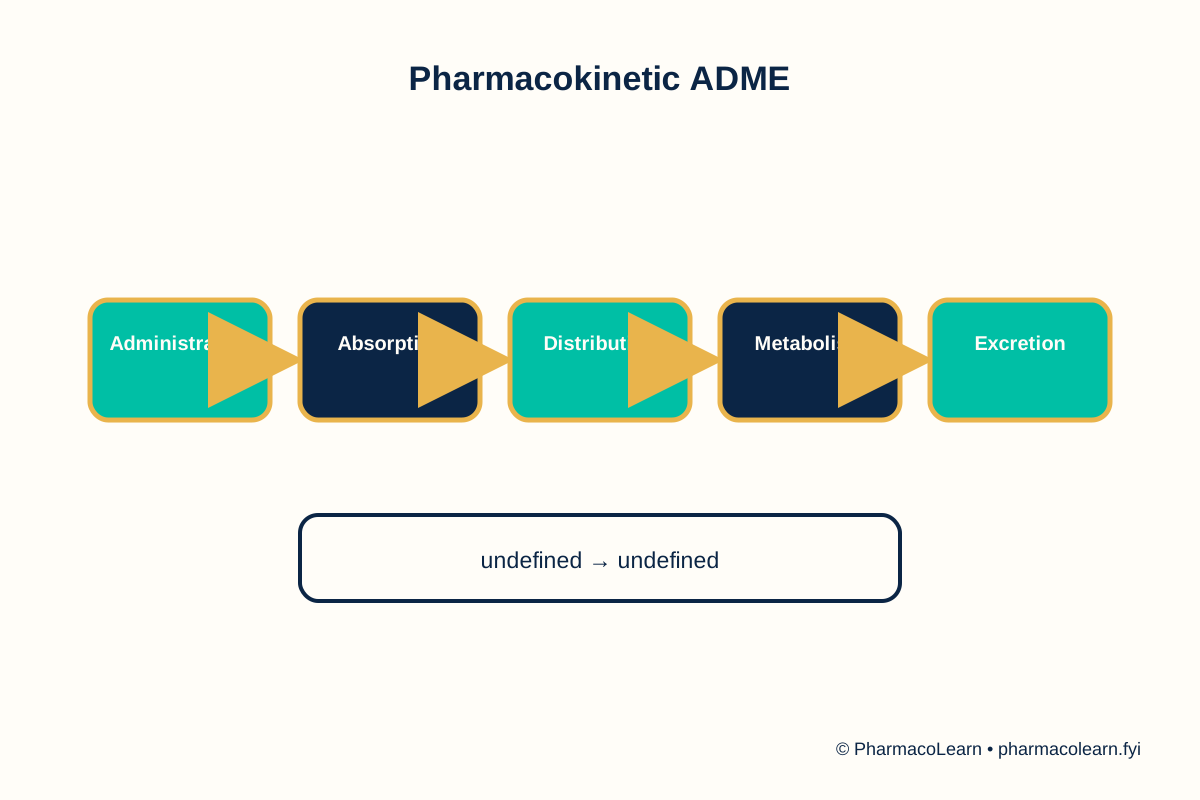
Pharmacology links a drug or biologic exposure to concentration, target interaction, response, benefit and harm. Pharmacokinetics describes absorption, distribution, metabolism and excretion. Pharmacodynamics describes receptor binding, signal transduction, dose-response and therapeutic effect. Bioavailability is the fraction reaching systemic circulation, while clearance describes removal. Half-life is a time constant that depends on distribution and clearance, not a universal duration of effect. Receptors may be ion channels, G-protein coupled receptors, enzymes, transporters or intracellular regulators. Agonists activate receptors, antagonists block them, partial agonists have limited efficacy, and inverse agonists reduce constitutive activity.
Routes alter onset, first-pass exposure, adherence and risk. Oral, sublingual, rectal, inhaled, topical, transdermal, intramuscular, subcutaneous and intravenous routes have different absorption and safety properties. Drug effects are modified by age, body size, genetics, disease, pregnancy, organ function, tolerance, adherence and concurrent therapy. Toxicity may be acute, subacute or chronic. Preclinical evaluation considers pharmacology, toxicology, safety pharmacology, reproductive effects, genotoxicity and pharmacokinetics before human study.
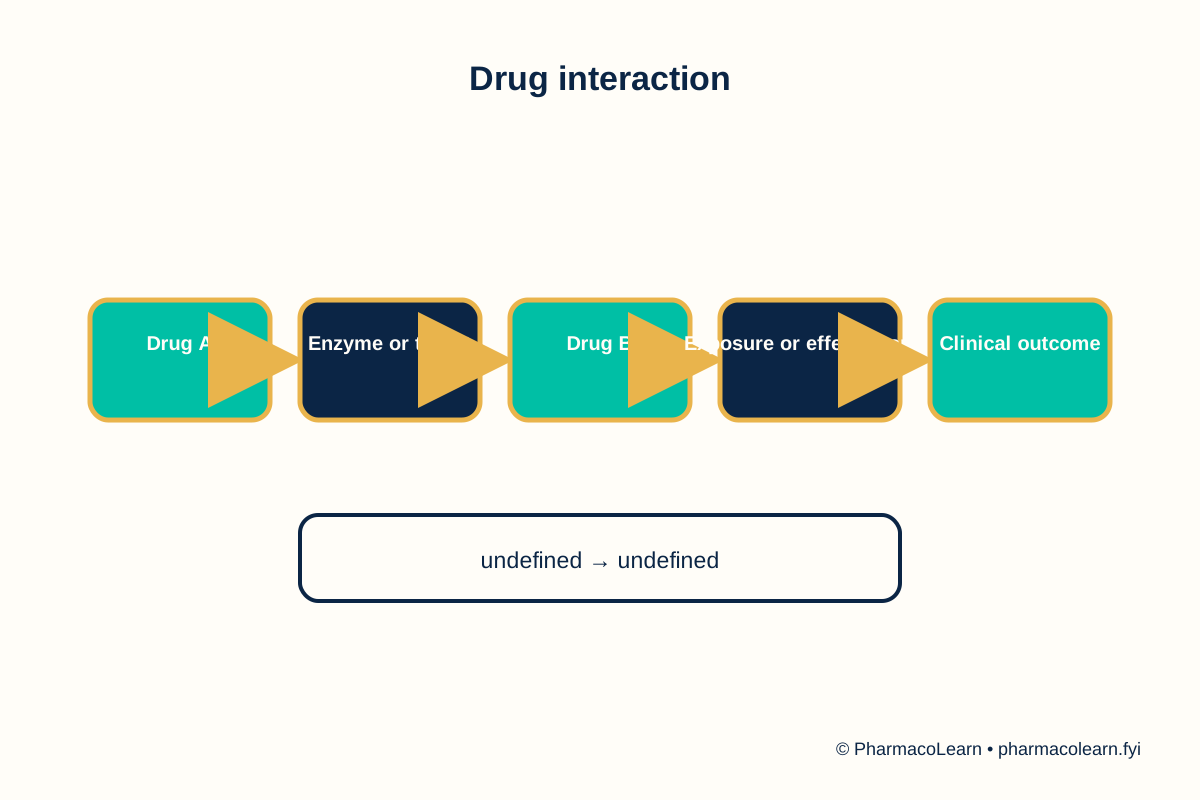
Interactions may be pharmacokinetic, pharmacodynamic or pharmaceutical. Enzyme induction can lower concentrations, enzyme inhibition can increase them, and additive effects can amplify sedation, bleeding, hypotension or toxicity. A pharmacist checks indication, contraindications, monitoring, interaction mechanism and patient-specific risk.
Mechanism and clinical reasoning
Start with the disease or physiologic process, identify the receptor, enzyme, transporter or ion channel involved, and then trace the effect from molecular interaction to organ response. Next, relate pharmacokinetics to onset and duration, pharmacodynamics to benefit and toxicity, and patient factors to treatment selection. A class name is not enough. Each medicine should be studied by mechanism, therapeutic role, route, adverse effects, contraindications, interactions, monitoring and counseling.
Pharmacist focus
The pharmacist verifies indication, medication history, allergies, pregnancy or lactation status, kidney and liver function, adherence, device or administration technique and monitoring plan. Dose and regimen decisions must follow the current approved product information and clinical guideline. Red flags, severe adverse effects and suspected toxicity require escalation rather than self-management.
Tips, FAQs and takeaways
- Why compare medicines within a class? Shared mechanisms create shared benefits, while selectivity and pharmacokinetics create important differences.
- Why separate pharmacokinetics from pharmacodynamics? Concentration over time is different from the effect produced at the target.
- What is the takeaway? Safe pharmacology connects mechanism, patient, monitoring and outcome.
References: PharmacoLearn Year 2 syllabus; Pharmacy Council of India, Pharm.D. Regulations 2008; Goodman and Gilman's The Pharmacological Basis of Therapeutics; Katzung, Basic and Clinical Pharmacology; Rang and Dale's Pharmacology.
Unit 2: Pharmacology of Drugs Acting on the Autonomic Nervous System
Expanded detail
When studying autonomic medicines, predict the effect on eye, heart, airway, gut, bladder and glandular tissue. Then check whether the patient has glaucoma, asthma, urinary retention, arrhythmia, orthostatic symptoms or cognitive vulnerability. This receptor-to-organ method improves both examination answers and dispensing safety.
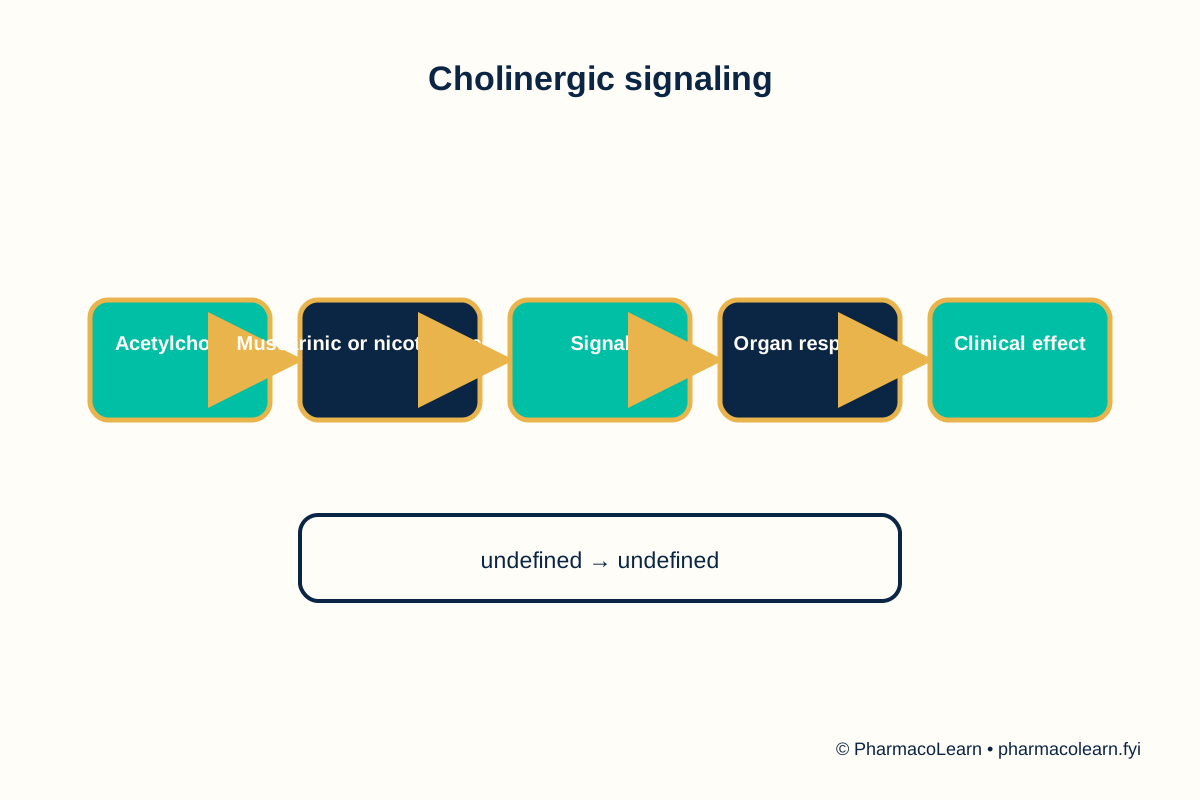
Autonomic effects are predictable when receptor distribution is considered. Sympathetic activation may change pupil size, heart rate, airway tone, gut activity and bladder function. Parasympathetic activation usually produces a different pattern. The pharmacist checks for additive effects across prescribed, nonprescription and herbal products. Neuromuscular blockade must always be separated from sedation and analgesia. In Parkinsonism, motor benefit must be balanced with dyskinesia, hallucinations, orthostatic symptoms, impulse-control concerns and wearing-off patterns.
Syllabus scope
This unit covers adrenergic and antiadrenergic drugs, cholinergic and anticholinergic drugs, neuromuscular blockers, mydriatics and miotics, medicines used in myasthenia gravis and Parkinsonism.
Core theory
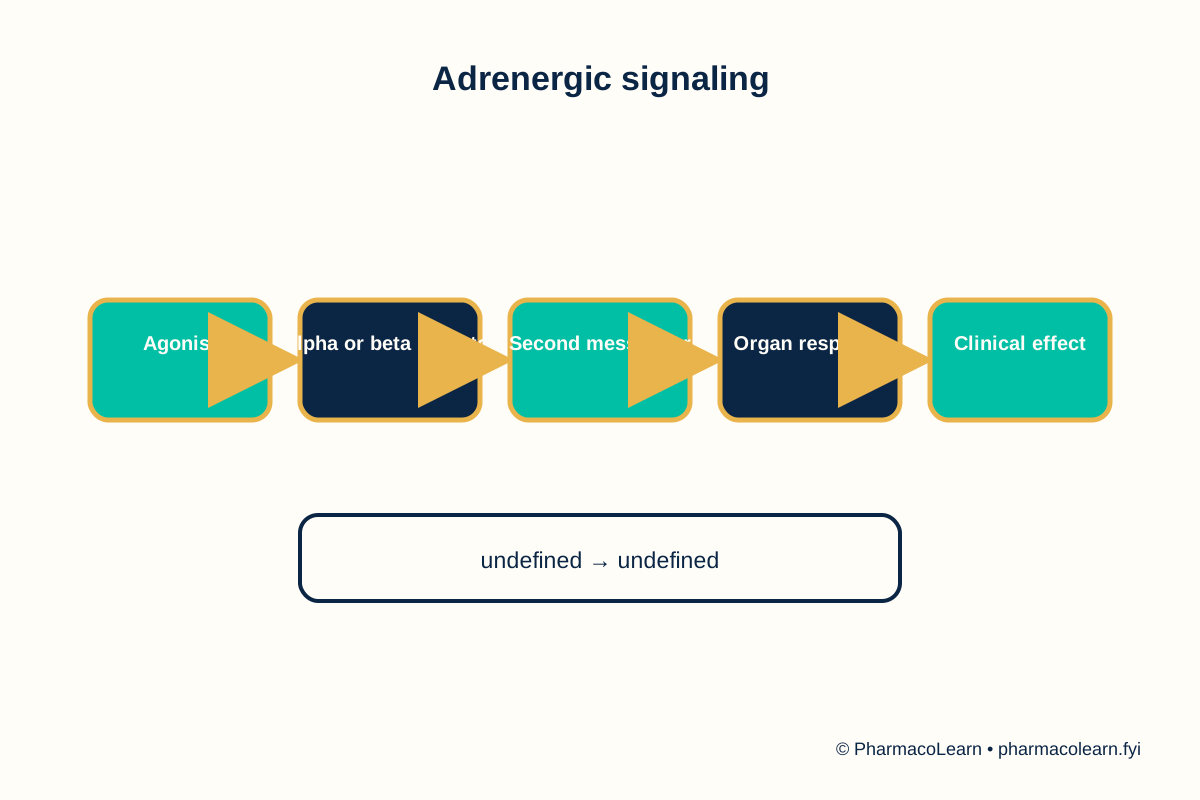
The autonomic nervous system uses sympathetic and parasympathetic pathways to regulate smooth muscle, glands, heart and vascular tone. Adrenergic agonists act at alpha or beta receptors. Alpha effects include vasoconstriction or reduced sympathetic neurotransmission depending on receptor subtype. Beta effects include cardiac stimulation, smooth-muscle relaxation or renin release. Antiadrenergic drugs reduce synthesis, storage, release, receptor activation or downstream response. Cholinergic agonists stimulate muscarinic or nicotinic receptors. Anticholinergic drugs block muscarinic responses and can produce dry mouth, blurred vision, urinary retention, tachycardia and cognitive effects.
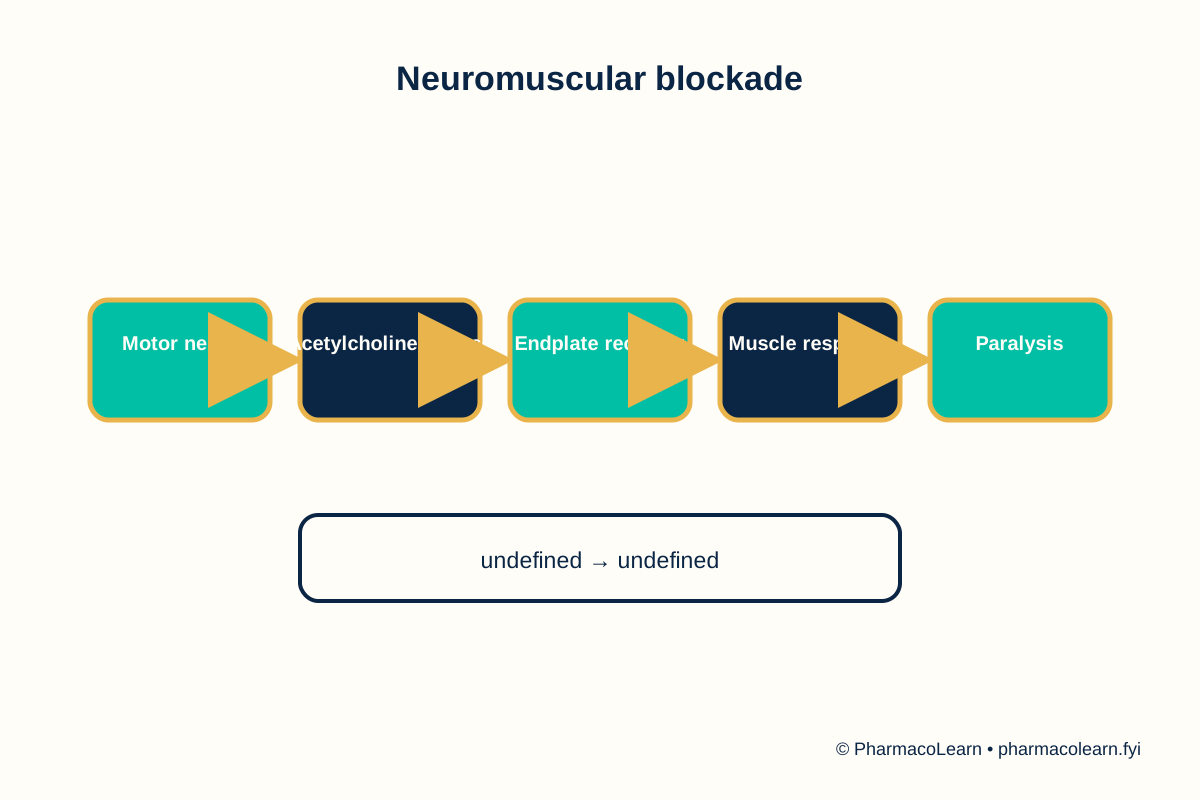
Neuromuscular blockers act at the neuromuscular junction. Depolarizing agents activate and then desensitize the endplate, while nondepolarizing agents competitively block nicotinic receptors. They cause paralysis without analgesia or unconsciousness, so airway and ventilation support are essential. Mydriatics relax the iris sphincter or stimulate the dilator, while miotics increase constriction and may improve aqueous drainage. In myasthenia gravis, reduced functional neuromuscular transmission causes fatigable weakness, so cholinesterase inhibition may improve signal persistence but excessive cholinergic activity can also cause weakness.
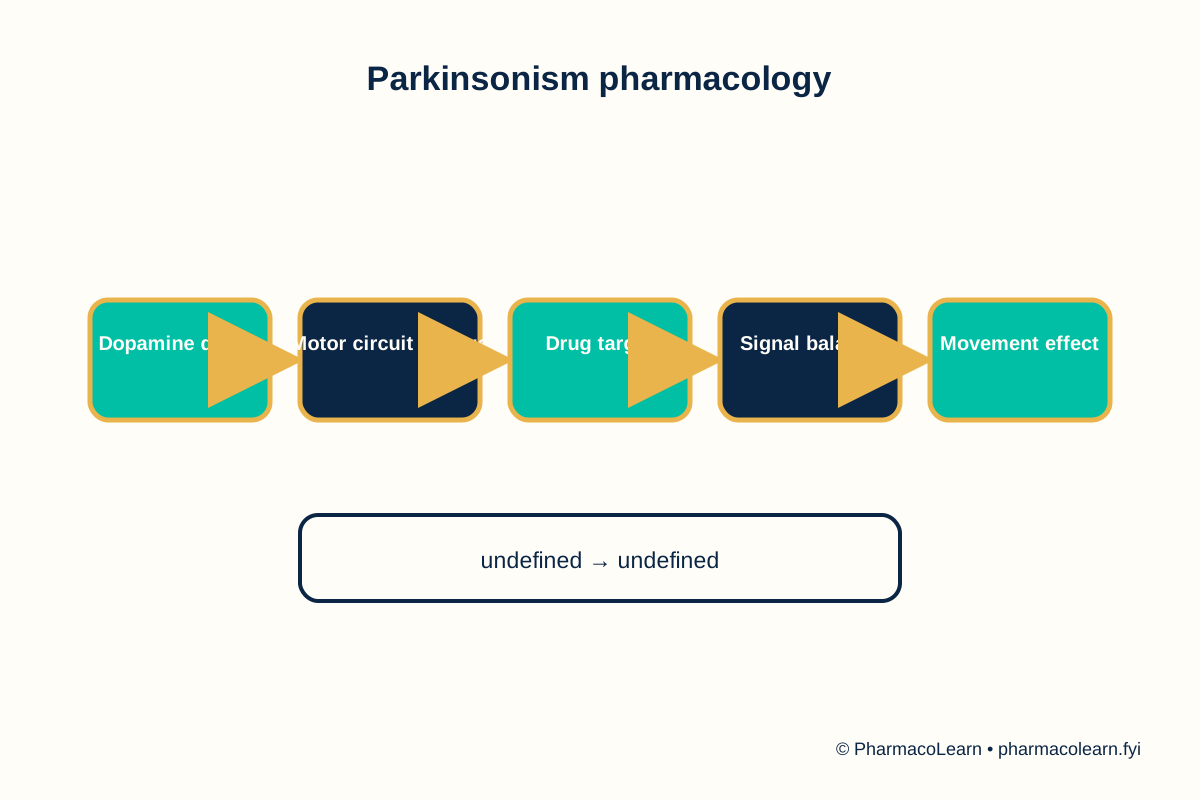
Parkinsonism involves deficient dopaminergic signaling and relative cholinergic activity in motor circuits. Drugs may increase dopamine formation, replace dopamine signaling, inhibit metabolism or reduce cholinergic effects. Pharmacists monitor movement symptoms, orthostatic effects, hallucinations, interactions and adherence.
Mechanism and clinical reasoning
Start with the disease or physiologic process, identify the receptor, enzyme, transporter or ion channel involved, and then trace the effect from molecular interaction to organ response. Next, relate pharmacokinetics to onset and duration, pharmacodynamics to benefit and toxicity, and patient factors to treatment selection. A class name is not enough. Each medicine should be studied by mechanism, therapeutic role, route, adverse effects, contraindications, interactions, monitoring and counseling.
Pharmacist focus
The pharmacist verifies indication, medication history, allergies, pregnancy or lactation status, kidney and liver function, adherence, device or administration technique and monitoring plan. Dose and regimen decisions must follow the current approved product information and clinical guideline. Red flags, severe adverse effects and suspected toxicity require escalation rather than self-management.
Tips, FAQs and takeaways
- Why compare medicines within a class? Shared mechanisms create shared benefits, while selectivity and pharmacokinetics create important differences.
- Why separate pharmacokinetics from pharmacodynamics? Concentration over time is different from the effect produced at the target.
- What is the takeaway? Safe pharmacology connects mechanism, patient, monitoring and outcome.
References: PharmacoLearn Year 2 syllabus; Pharmacy Council of India, Pharm.D. Regulations 2008; Goodman and Gilman's The Pharmacological Basis of Therapeutics; Katzung, Basic and Clinical Pharmacology; Rang and Dale's Pharmacology.
Unit 3: Pharmacology of Drugs Acting on the Cardiovascular System
Expanded detail
Worked reasoning example: if a patient develops dizziness after several medicines are added, review blood pressure, pulse, volume status, timing and renal function. Then map each medicine to vasodilation, diuresis, rate reduction or conduction effects. This is safer than blaming the newest drug without examining the combined pharmacodynamic pattern.
Cardiovascular monitoring is longitudinal. Compare symptoms, home readings, laboratory results, weight, pulse and adherence over time. A single normal value does not prove control, and a single abnormal value does not reveal the cause. The pharmacist should document the trend and communicate clinically important change.
Cardiovascular treatment is a feedback problem. A fall in pressure can activate reflex sympathetic tone, while diuresis can activate renin release. Drugs may be combined to address different mechanisms, but combination therapy can also produce hypotension, electrolyte abnormalities, renal dysfunction or bradycardia. Antiarrhythmic treatment requires attention to the rhythm diagnosis, conduction intervals, structural disease and proarrhythmic potential. Lipid therapy is risk based and should be reviewed with adherence, secondary causes and muscle or liver symptoms.
Syllabus scope
This unit covers antihypertensives, antianginal drugs, antiarrhythmics, therapy for congestive heart failure and medicines for hyperlipidaemias.
Core theory
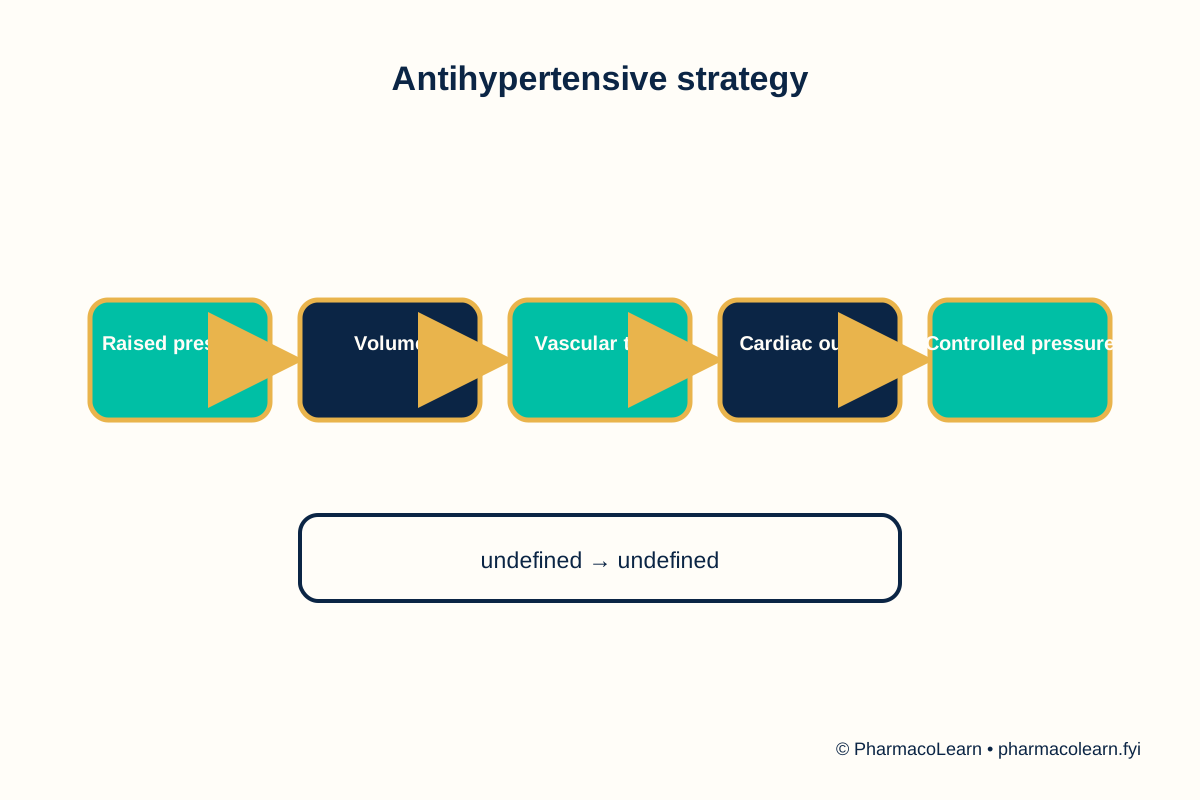
Cardiovascular pharmacology begins with pressure, flow, resistance, rhythm and myocardial oxygen balance. Antihypertensives reduce vascular resistance, cardiac output, circulating volume or maladaptive neurohormonal signaling. Diuretics reduce sodium and water retention. Drugs acting on the renin-angiotensin system reduce vasoconstriction, aldosterone effects and remodeling. Calcium-channel blockers alter vascular smooth muscle or cardiac conduction. Adrenergic blockers reduce sympathetic drive. Choice depends on age, kidney function, diabetes, pregnancy, comorbidity and adverse-effect risk.
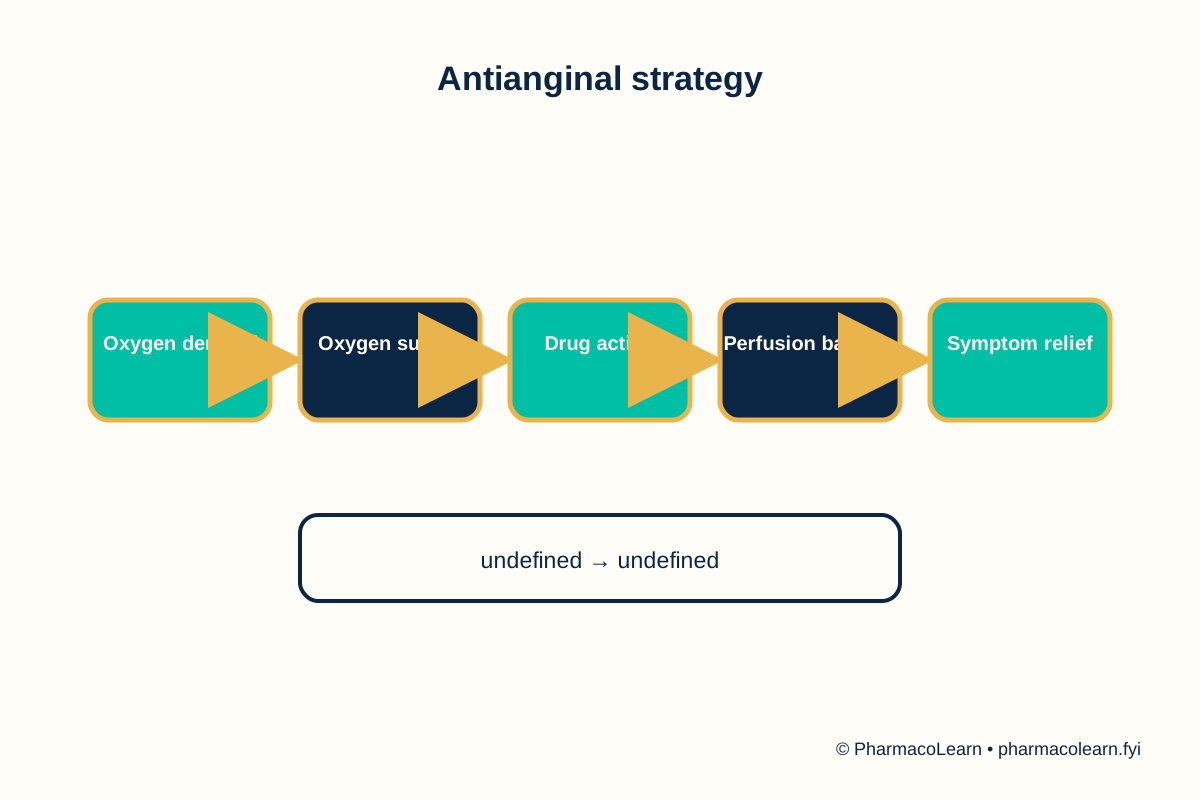
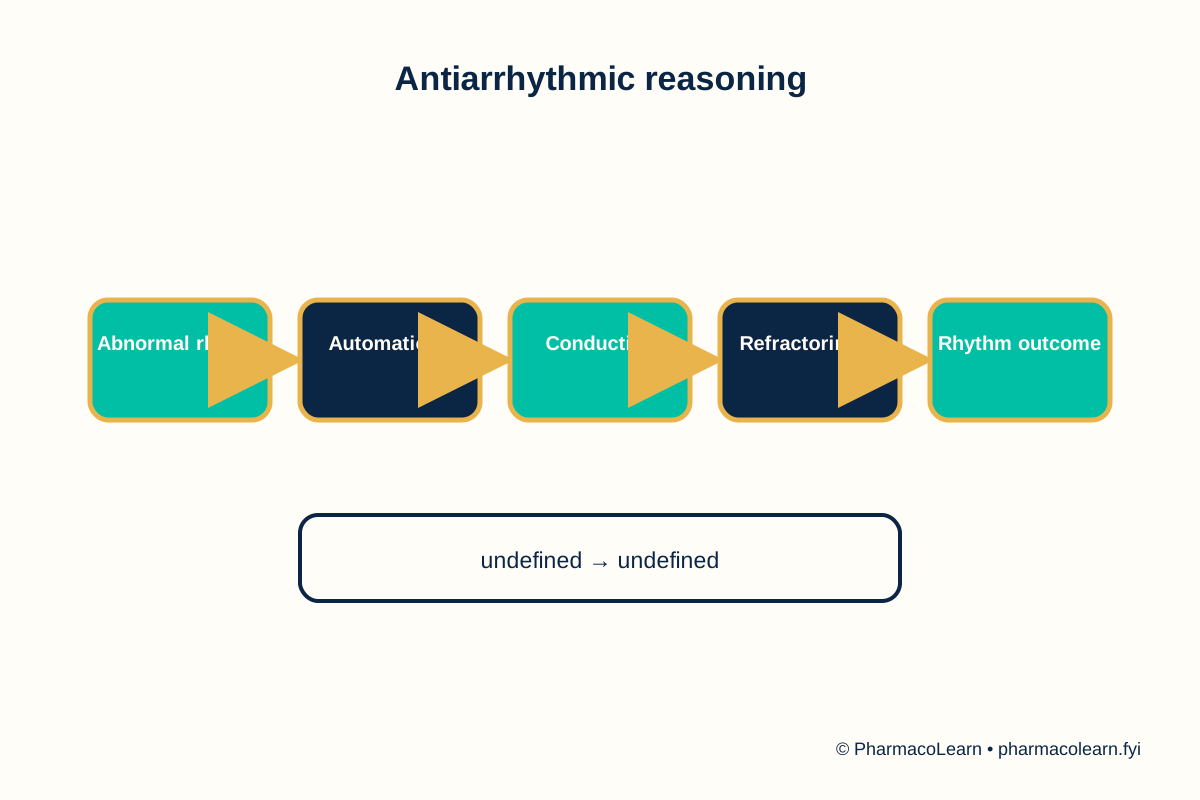
Angina results from mismatch between myocardial oxygen demand and supply. Nitrates reduce preload and improve coronary distribution, beta blockers reduce rate and contractility, and selected calcium-channel blockers reduce vascular tone or cardiac work. Antiarrhythmics alter automaticity, conduction, refractoriness or repolarization. The classification is useful but each medicine must be understood by its actual electrophysiologic action and proarrhythmic risk.
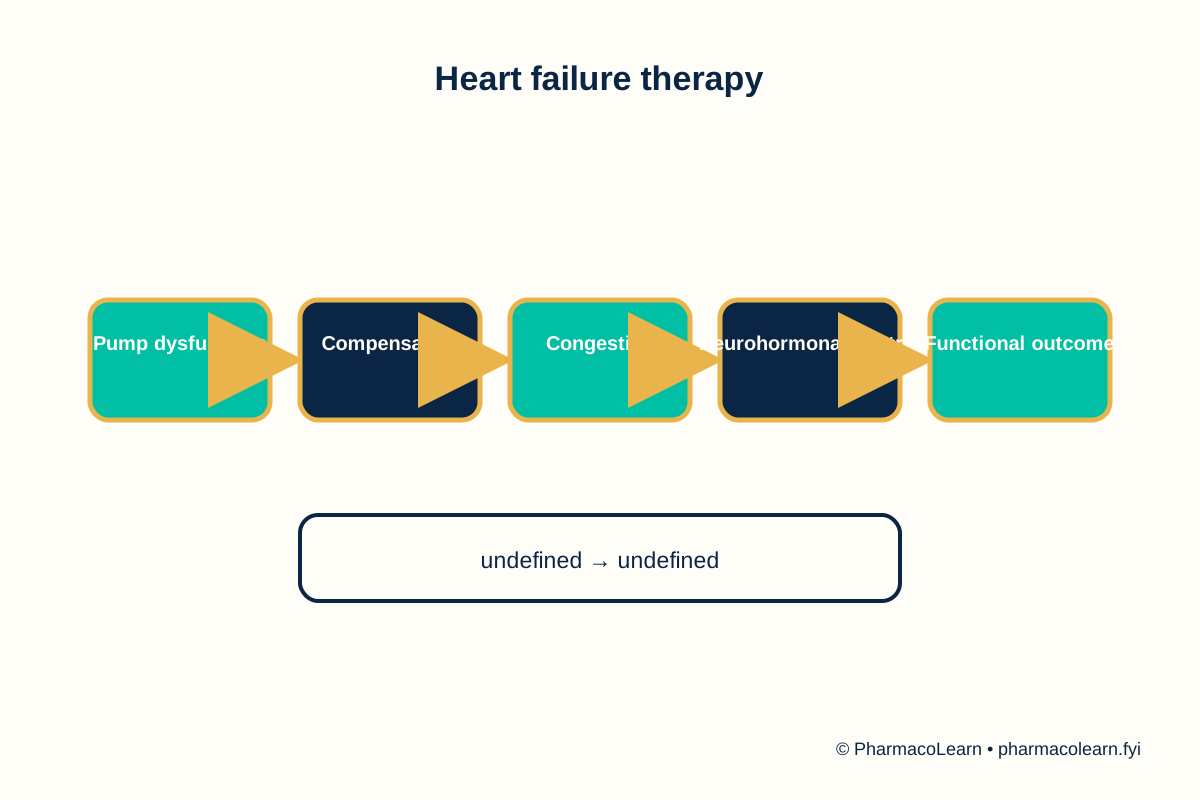
Heart failure involves impaired contraction, filling or both, with compensatory sympathetic and renin-angiotensin activation. Therapy may reduce congestion, improve neurohormonal balance, reduce remodeling or support contractility in selected settings. Monitoring includes weight, edema, blood pressure, renal function, electrolytes and symptoms.
Lipid-lowering medicines reduce synthesis, absorption, lipoprotein production or increase clearance. Pharmacists monitor muscle symptoms, liver considerations, interactions, adherence and risk-based goals rather than treating a number in isolation.
Mechanism and clinical reasoning
Start with the disease or physiologic process, identify the receptor, enzyme, transporter or ion channel involved, and then trace the effect from molecular interaction to organ response. Next, relate pharmacokinetics to onset and duration, pharmacodynamics to benefit and toxicity, and patient factors to treatment selection. A class name is not enough. Each medicine should be studied by mechanism, therapeutic role, route, adverse effects, contraindications, interactions, monitoring and counseling.
Pharmacist focus
The pharmacist verifies indication, medication history, allergies, pregnancy or lactation status, kidney and liver function, adherence, device or administration technique and monitoring plan. Dose and regimen decisions must follow the current approved product information and clinical guideline. Red flags, severe adverse effects and suspected toxicity require escalation rather than self-management.
Tips, FAQs and takeaways
- Why compare medicines within a class? Shared mechanisms create shared benefits, while selectivity and pharmacokinetics create important differences.
- Why separate pharmacokinetics from pharmacodynamics? Concentration over time is different from the effect produced at the target.
- What is the takeaway? Safe pharmacology connects mechanism, patient, monitoring and outcome.
References: PharmacoLearn Year 2 syllabus; Pharmacy Council of India, Pharm.D. Regulations 2008; Goodman and Gilman's The Pharmacological Basis of Therapeutics; Katzung, Basic and Clinical Pharmacology; Rang and Dale's Pharmacology.
Unit 4: Pharmacology of Drugs Acting on the Central Nervous System
Expanded detail
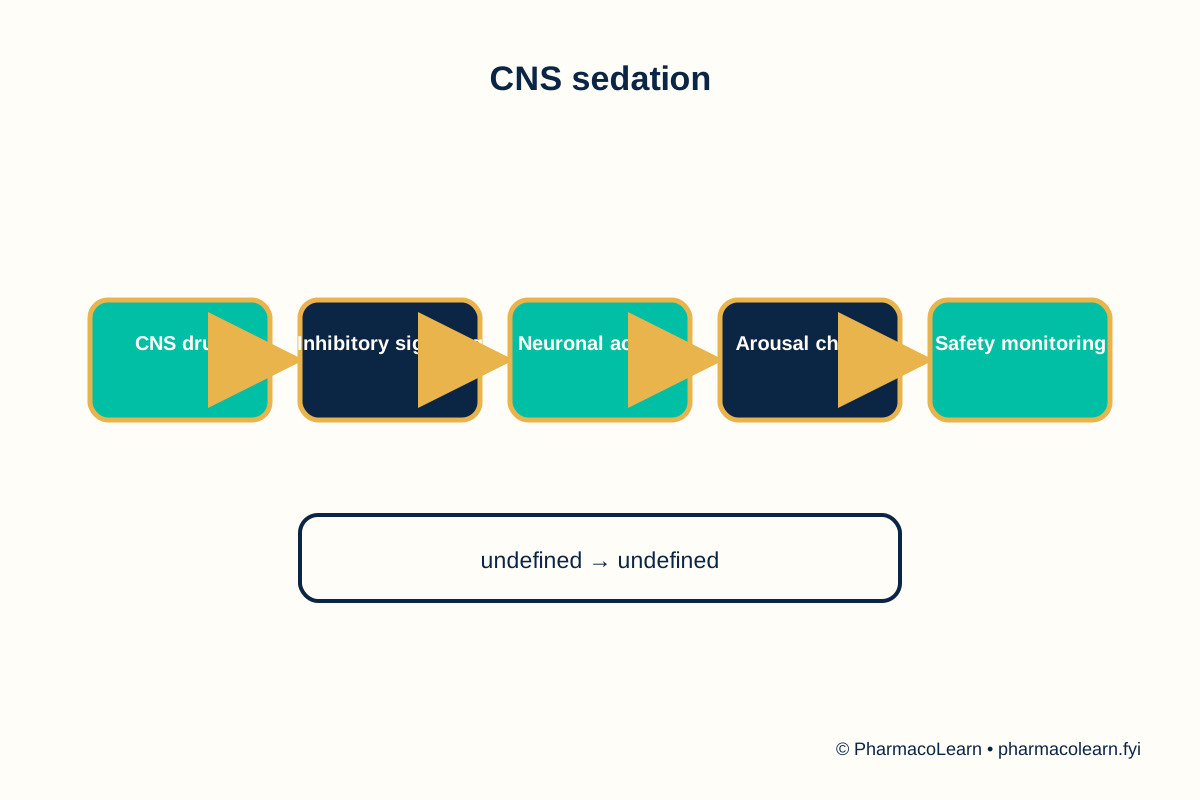
Worked reasoning example: sedation after a new CNS medicine may reflect dose, accumulation, impaired clearance, alcohol, sleep deprivation or another sedative. Check the time course, renal and hepatic function, adherence and all products before recommending a change. Sudden severe symptoms require urgent assessment. Dose changes should be gradual or supervised when withdrawal or rebound is possible. Dependence, tolerance and addiction are related but distinct concepts. A safe plan combines indication review, minimum effective exposure, monitoring and patient-centered follow-up.
CNS safety is strongly affected by age, sleep, alcohol, respiratory disease and other sedatives. Withdrawal after prolonged exposure can be dangerous for some drug classes. Opioid toxicity requires recognition of slowed breathing and reduced consciousness. Seizure medicines may cause sedation, ataxia, mood effects or interactions through enzyme induction or inhibition. Local anesthetic toxicity may begin with circumoral symptoms, tinnitus or agitation and progress to seizures or cardiovascular collapse. Product selection and monitoring are as important as the pharmacologic class.
Syllabus scope
This unit covers general anesthetics, sedatives and hypnotics, anticonvulsants, analgesic and anti-inflammatory agents, psychotropic drugs, alcohol and methyl alcohol, CNS stimulants, cognition enhancers and local anesthetics.
Core theory
CNS drugs alter neuronal excitability, synaptic transmission, arousal, pain processing, mood or seizure threshold. General anesthetics produce reversible loss of awareness and selected reflexes through multiple targets. Sedative-hypnotic medicines enhance inhibitory signaling or reduce excitatory signaling, but excessive exposure can depress breathing and protective reflexes. Anticonvulsants reduce repetitive firing through sodium-channel effects, calcium-channel effects, enhanced inhibition or reduced excitation.
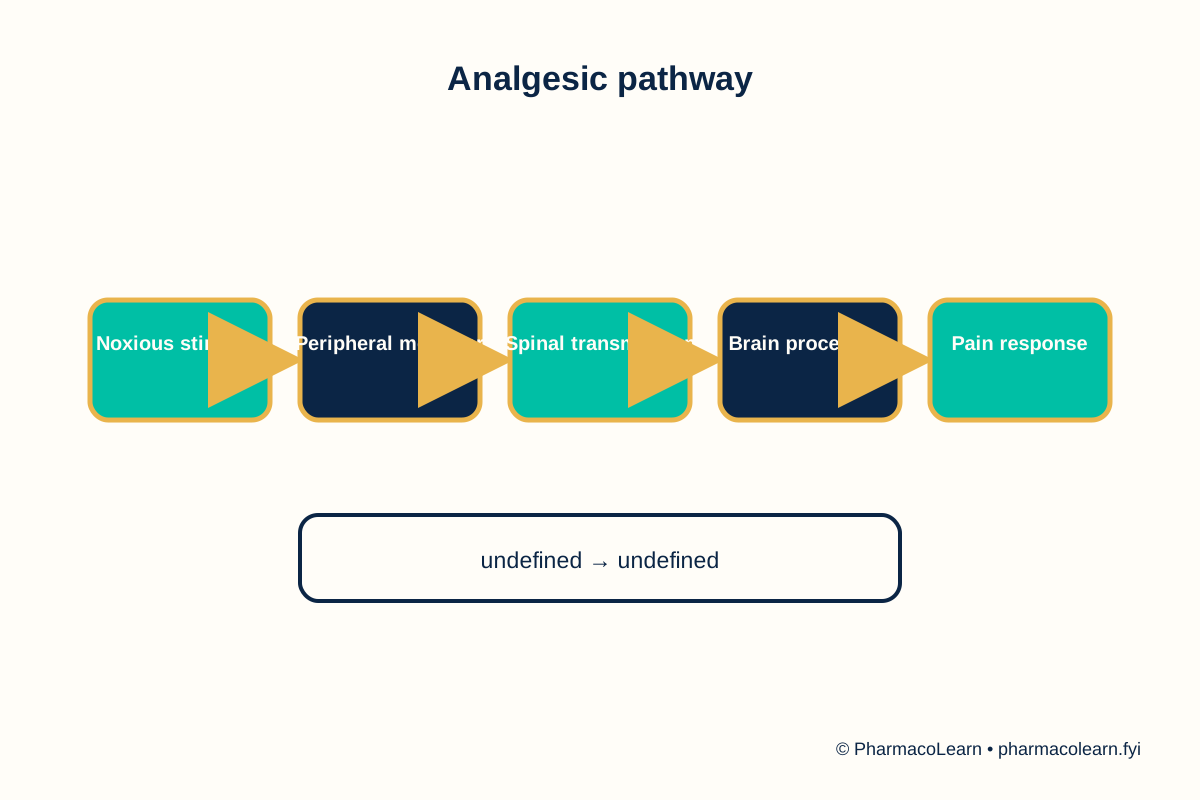
Analgesics include opioid and nonopioid mechanisms. Opioids activate receptor systems that reduce neurotransmitter release and pain transmission but can cause respiratory depression, constipation, sedation, tolerance and dependence. Anti-inflammatory drugs reduce mediator formation and can affect gastric, renal, platelet and cardiovascular function. Psychotropic drugs are selected according to symptom cluster, diagnosis, time course and risk. Antidepressant and antipsychotic effects may take longer than adverse effects, so counseling is essential.
Ethanol depresses the CNS and can cause acute impairment, dependence and organ injury. Methanol is metabolized to toxic products that can cause severe metabolic and visual injury. CNS stimulants increase arousal but can cause anxiety, cardiovascular stress and misuse. Cognition enhancers have limited indication-specific evidence and require careful review.
Local anesthetics block voltage-gated sodium channels, preventing action-potential propagation. Toxicity may affect the CNS and cardiovascular system. Pharmacists check route, formulation, dose, allergies, interactions and patient monitoring.
Mechanism and clinical reasoning
Start with the disease or physiologic process, identify the receptor, enzyme, transporter or ion channel involved, and then trace the effect from molecular interaction to organ response. Next, relate pharmacokinetics to onset and duration, pharmacodynamics to benefit and toxicity, and patient factors to treatment selection. A class name is not enough. Each medicine should be studied by mechanism, therapeutic role, route, adverse effects, contraindications, interactions, monitoring and counseling.
Pharmacist focus
The pharmacist verifies indication, medication history, allergies, pregnancy or lactation status, kidney and liver function, adherence, device or administration technique and monitoring plan. Dose and regimen decisions must follow the current approved product information and clinical guideline. Red flags, severe adverse effects and suspected toxicity require escalation rather than self-management.
Tips, FAQs and takeaways
- Why compare medicines within a class? Shared mechanisms create shared benefits, while selectivity and pharmacokinetics create important differences.
- Why separate pharmacokinetics from pharmacodynamics? Concentration over time is different from the effect produced at the target.
- What is the takeaway? Safe pharmacology connects mechanism, patient, monitoring and outcome.
References: PharmacoLearn Year 2 syllabus; Pharmacy Council of India, Pharm.D. Regulations 2008; Goodman and Gilman's The Pharmacological Basis of Therapeutics; Katzung, Basic and Clinical Pharmacology; Rang and Dale's Pharmacology.
Unit 5: Pharmacology of Drugs Acting on the Respiratory Tract
Expanded detail
A respiratory assessment should include symptom pattern, trigger, sputum, fever, smoking exposure, inhaler use, peak flow or lung testing when available, and response to previous treatment. A cough with blood, severe chest pain, confusion or marked breathlessness requires urgent evaluation rather than repeated symptomatic treatment.
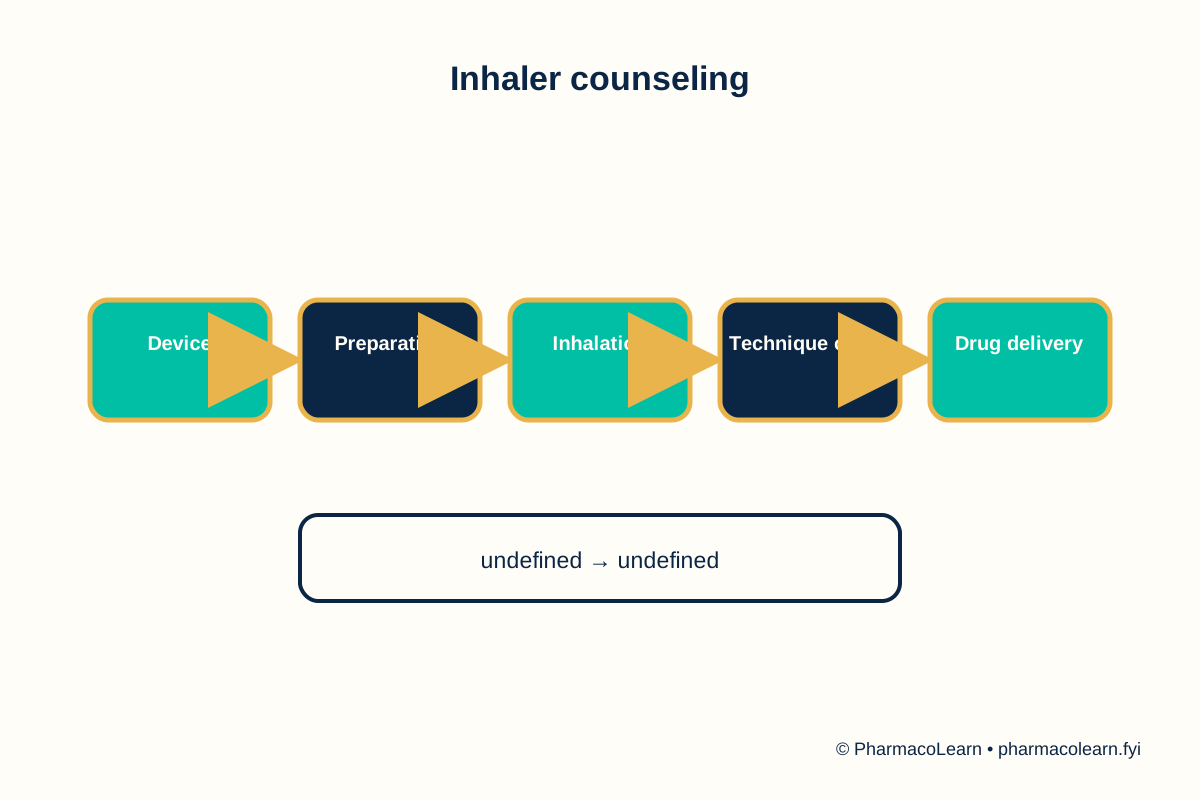
The pharmacist should distinguish reliever use from controller failure. Repeated rescue use, night waking, activity limitation or frequent exacerbation suggests inadequate control and requires clinical review. Inhaled delivery depends on device preparation, inspiratory flow, coordination and mouth rinsing where relevant. Mucus clearance can be worsened by dehydration or excessive cough suppression. Nasal decongestant counseling must include duration limits and cardiovascular cautions. Severe respiratory distress is not an over-the-counter problem.
Syllabus scope
This unit covers bronchodilators, mucolytics, expectorants, antitussives and nasal decongestants.
Core theory
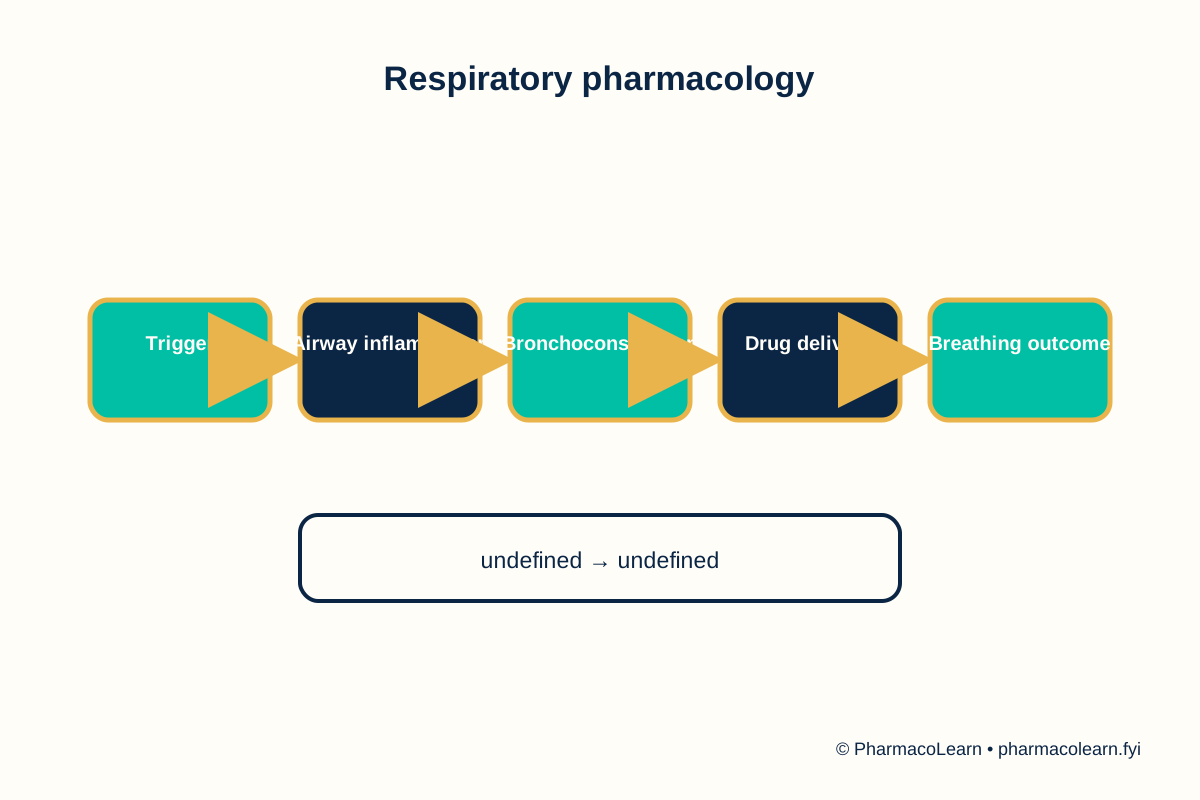
Airway medicines are chosen according to bronchoconstriction, inflammation, mucus, cough mechanism and nasal congestion. Bronchodilators relax airway smooth muscle through beta receptor stimulation, reduced cholinergic tone or altered intracellular signaling. Rapid relief and long-term control are different goals. In asthma, airway inflammation and hyperresponsiveness require anti-inflammatory control, while bronchodilation relieves narrowing. Chronic obstructive airway disease includes persistent airflow limitation and may need a different combination of bronchodilator strategies.
Mucolytics reduce mucus viscosity by changing polymer structure or hydration. Expectorants aim to support clearance by altering airway secretions, but hydration, ciliary function and treatment of the cause remain important. Antitussives suppress the cough reflex and are not appropriate when cough is needed to clear dangerous secretions. Nasal decongestants reduce mucosal vascular congestion, commonly through adrenergic vasoconstriction, but repeated topical use can cause rebound congestion.
Pharmacists check inhaler technique, device selection, adherence, trigger exposure, rescue use, nocturnal symptoms and signs of poor control. They should identify severe breathlessness, cyanosis, inability to speak comfortably or poor response to rescue therapy as urgent concerns. Drug interactions, tachycardia, tremor, dryness and sedation require counseling.
Mechanism and clinical reasoning
Start with the disease or physiologic process, identify the receptor, enzyme, transporter or ion channel involved, and then trace the effect from molecular interaction to organ response. Next, relate pharmacokinetics to onset and duration, pharmacodynamics to benefit and toxicity, and patient factors to treatment selection. A class name is not enough. Each medicine should be studied by mechanism, therapeutic role, route, adverse effects, contraindications, interactions, monitoring and counseling.
Pharmacist focus
The pharmacist verifies indication, medication history, allergies, pregnancy or lactation status, kidney and liver function, adherence, device or administration technique and monitoring plan. Dose and regimen decisions must follow the current approved product information and clinical guideline. Red flags, severe adverse effects and suspected toxicity require escalation rather than self-management.
Tips, FAQs and takeaways
- Why compare medicines within a class? Shared mechanisms create shared benefits, while selectivity and pharmacokinetics create important differences.
- Why separate pharmacokinetics from pharmacodynamics? Concentration over time is different from the effect produced at the target.
- What is the takeaway? Safe pharmacology connects mechanism, patient, monitoring and outcome.
References: PharmacoLearn Year 2 syllabus; Pharmacy Council of India, Pharm.D. Regulations 2008; Goodman and Gilman's The Pharmacological Basis of Therapeutics; Katzung, Basic and Clinical Pharmacology; Rang and Dale's Pharmacology.
Unit 6: Pharmacology of Hormones and Hormone Antagonists
Expanded detail
Patient education should use teach-back. Ask the patient to explain how the dose relates to meals, what to do after a missed dose according to the product instructions, and how to recognize low blood sugar or a serious adverse effect. Written instructions should match the prescribed product and current guidance.
Hormone counseling should also address storage, handling, monitoring appointments and the difference between expected physiologic effects and warning signs.
Hormone therapy requires feedback-aware monitoring. Replacing a hormone can suppress endogenous production, while receptor blockade can increase upstream signals. Insulin timing must match food intake and activity. Hypoglycemia may present with sweating, tremor, hunger, confusion or behavioral change and can progress rapidly. Hormonal contraceptive counseling includes adherence, vomiting or diarrhea, interacting enzyme inducers and symptoms of thrombosis. Oxytocin use requires obstetric monitoring because physiologic contractions can become excessive.
Syllabus scope
This unit covers thyroid and antithyroid drugs, insulin and analogues, oral hypoglycemics, sex hormones, oral contraceptives, oxytocin and other stimulants and relaxants.
Core theory
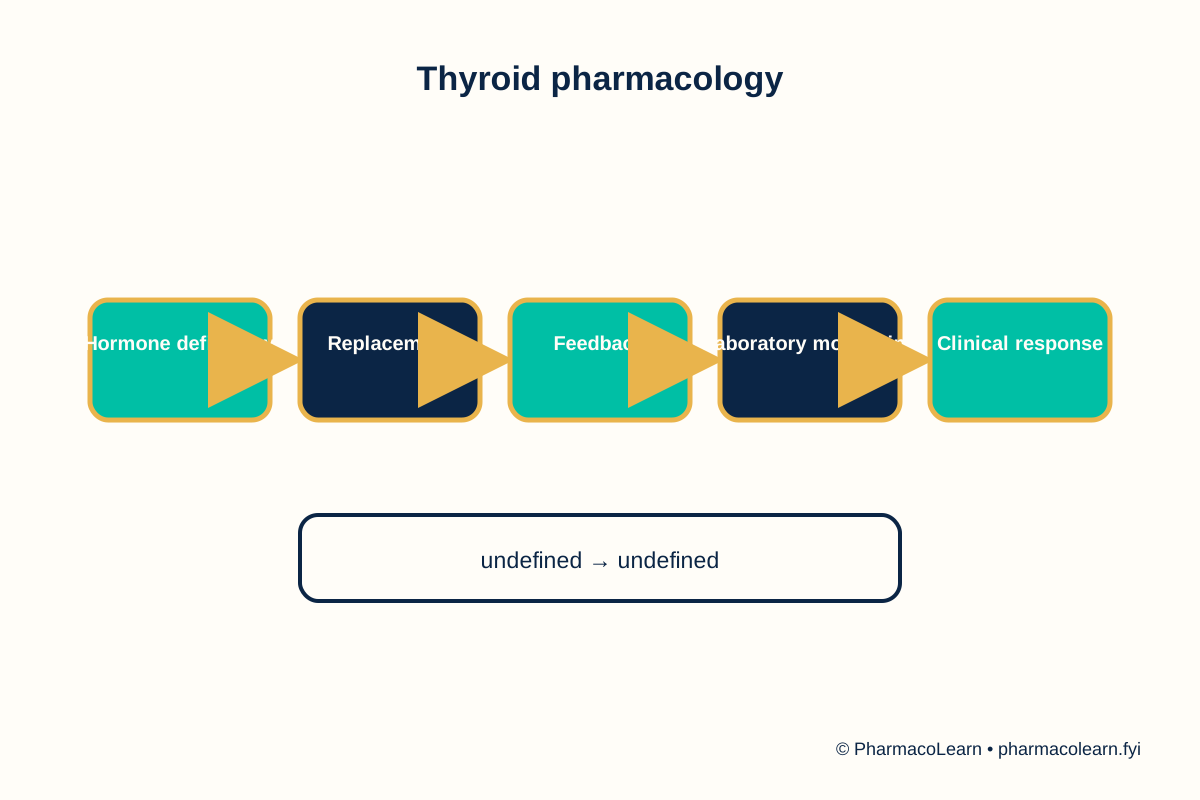
Hormone medicines replace deficient signals, suppress excess production, mimic endogenous action or block receptors. Thyroid hormone replacement changes gene transcription and metabolic activity over time. Antithyroid medicines reduce hormone synthesis or release, while iodine handling and tissue effects influence treatment. Monitoring must combine symptoms with laboratory assessment and avoid confusing short-term change with steady-state response.
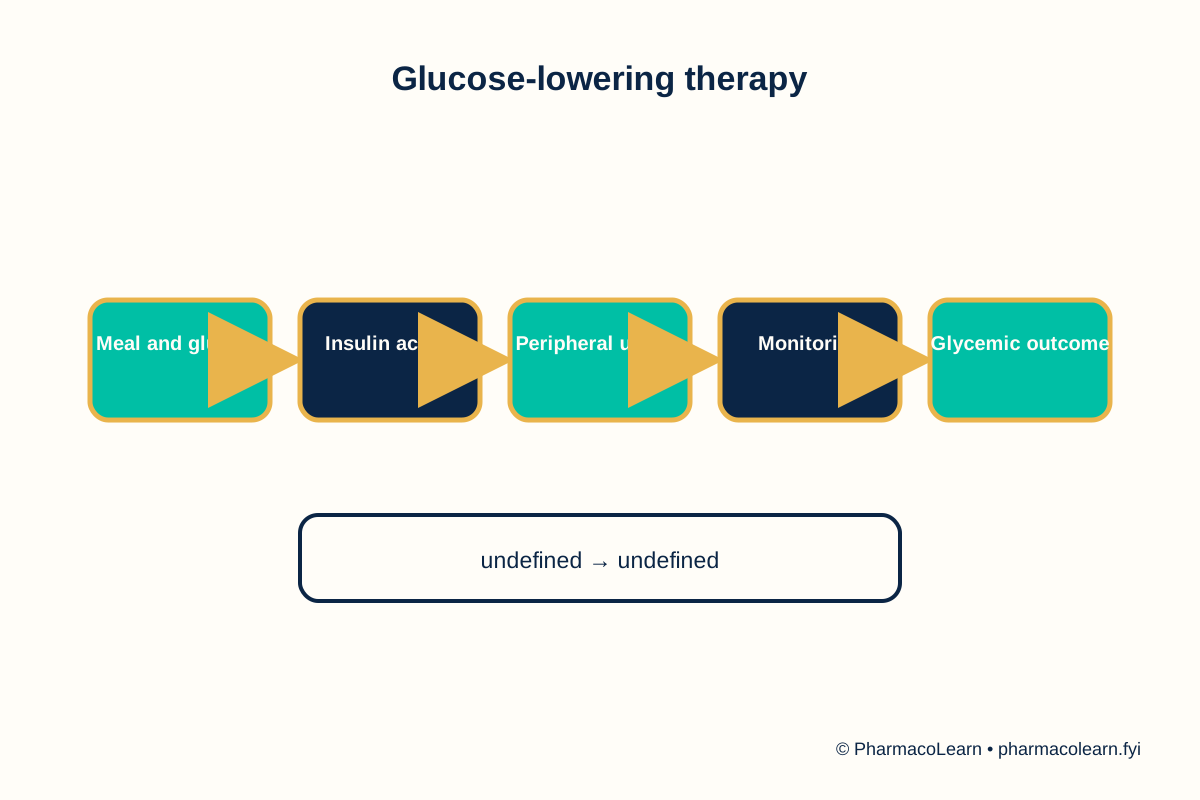
Insulin increases glucose uptake, suppresses hepatic glucose production and supports storage. Its preparations and analogues differ in onset, peak and duration. Hypoglycemia is the key acute risk. Oral glucose-lowering medicines act through insulin secretion, insulin sensitivity, intestinal absorption, renal glucose handling or hormone pathways. Choice depends on kidney and liver function, meal pattern, weight, cardiovascular and renal status.
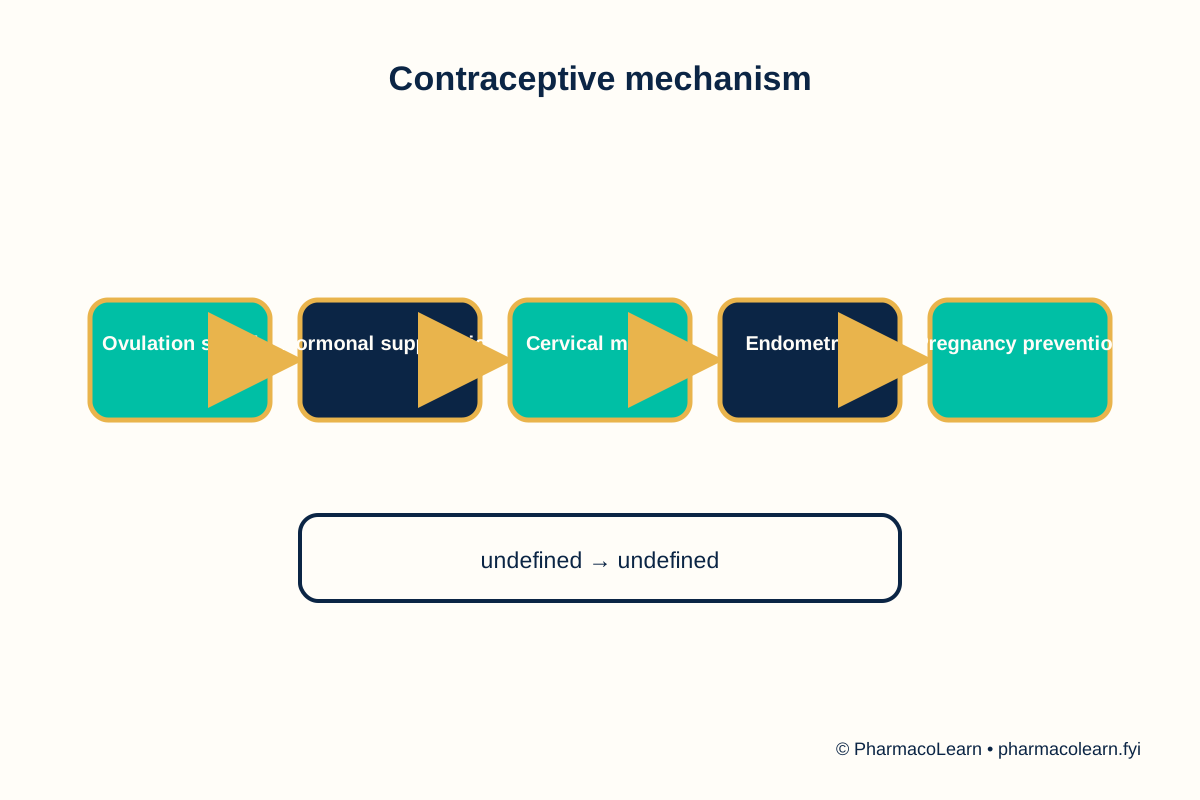
Sex hormones act through nuclear receptors and alter gene transcription. Oral contraceptives prevent ovulation and change cervical mucus and endometrial receptivity. Counseling includes adherence, missed doses, contraindications, thrombosis risk and interactions. Hormone replacement requires individualized benefit-risk evaluation.
Oxytocin stimulates uterine contraction and milk ejection. Other uterine stimulants or relaxants are used according to clinical indication and monitoring. Excessive contraction, fluid effects or fetal compromise are serious risks. Pharmacists verify product, route, timing, storage and patient-specific precautions.
Mechanism and clinical reasoning
Start with the disease or physiologic process, identify the receptor, enzyme, transporter or ion channel involved, and then trace the effect from molecular interaction to organ response. Next, relate pharmacokinetics to onset and duration, pharmacodynamics to benefit and toxicity, and patient factors to treatment selection. A class name is not enough. Each medicine should be studied by mechanism, therapeutic role, route, adverse effects, contraindications, interactions, monitoring and counseling.
Pharmacist focus
The pharmacist verifies indication, medication history, allergies, pregnancy or lactation status, kidney and liver function, adherence, device or administration technique and monitoring plan. Dose and regimen decisions must follow the current approved product information and clinical guideline. Red flags, severe adverse effects and suspected toxicity require escalation rather than self-management.
Tips, FAQs and takeaways
- Why compare medicines within a class? Shared mechanisms create shared benefits, while selectivity and pharmacokinetics create important differences.
- Why separate pharmacokinetics from pharmacodynamics? Concentration over time is different from the effect produced at the target.
- What is the takeaway? Safe pharmacology connects mechanism, patient, monitoring and outcome.
References: PharmacoLearn Year 2 syllabus; Pharmacy Council of India, Pharm.D. Regulations 2008; Goodman and Gilman's The Pharmacological Basis of Therapeutics; Katzung, Basic and Clinical Pharmacology; Rang and Dale's Pharmacology.
Unit 7: Pharmacology of Autocoids and Their Antagonists
Expanded detail
The clinical meaning of an autocoid effect depends on tissue, receptor, dose and timing. A mediator that protects one organ can harm another. This is why a pharmacist reviews cardiovascular, renal, gastrointestinal and respiratory history before recommending a medicine for pain, allergy, nausea or reflux.
Mediator pathways overlap, so one antagonist does not treat every cause of inflammation. First-generation antihistamines can impair driving and learning through CNS penetration. Nonsteroidal anti-inflammatory medicines can alter renal perfusion and platelet function, while selective pathway effects may shift cardiovascular or gastrointestinal risk. Serotonergic interactions can produce agitation, autonomic instability, neuromuscular findings and fever. The pharmacist should identify anaphylaxis, severe bleeding, black stools, respiratory compromise or sudden neurologic symptoms as urgent presentations.
Syllabus scope
This unit covers histamine and antihistamines, serotonin and antagonists, lipid-derived autocoids and platelet-activating factor.
Core theory
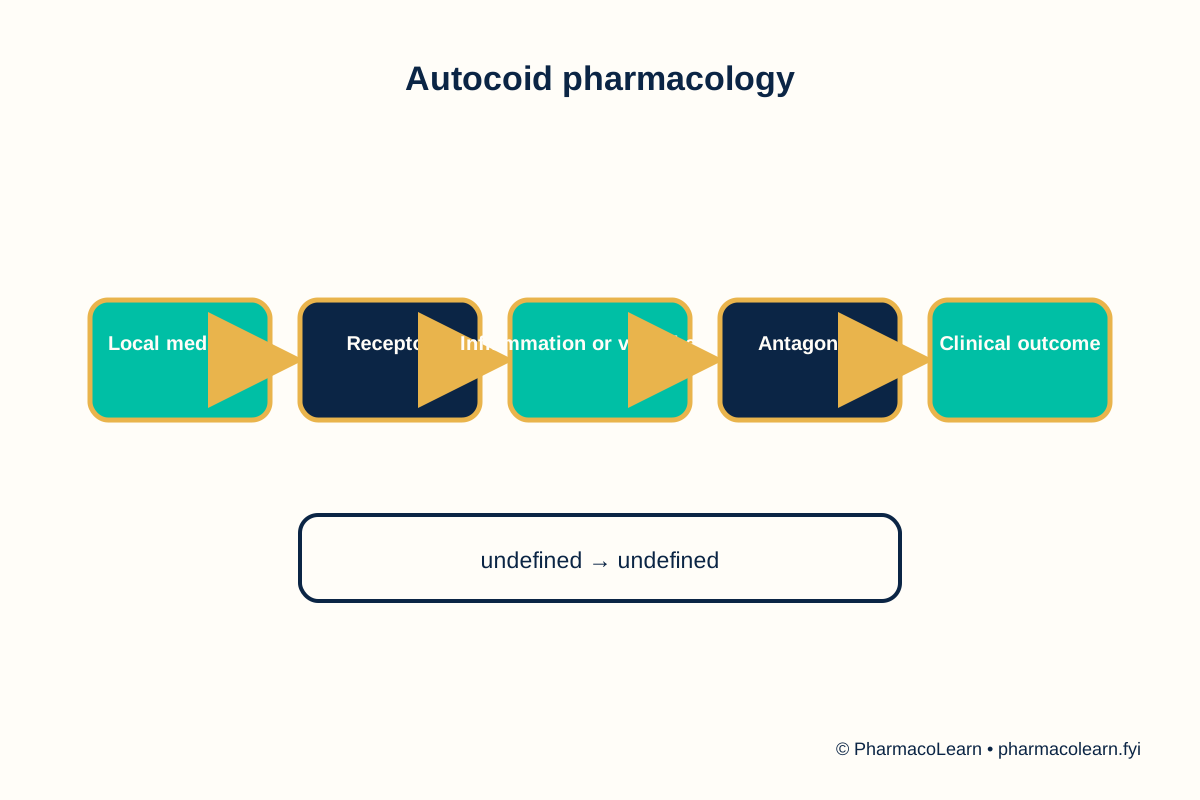
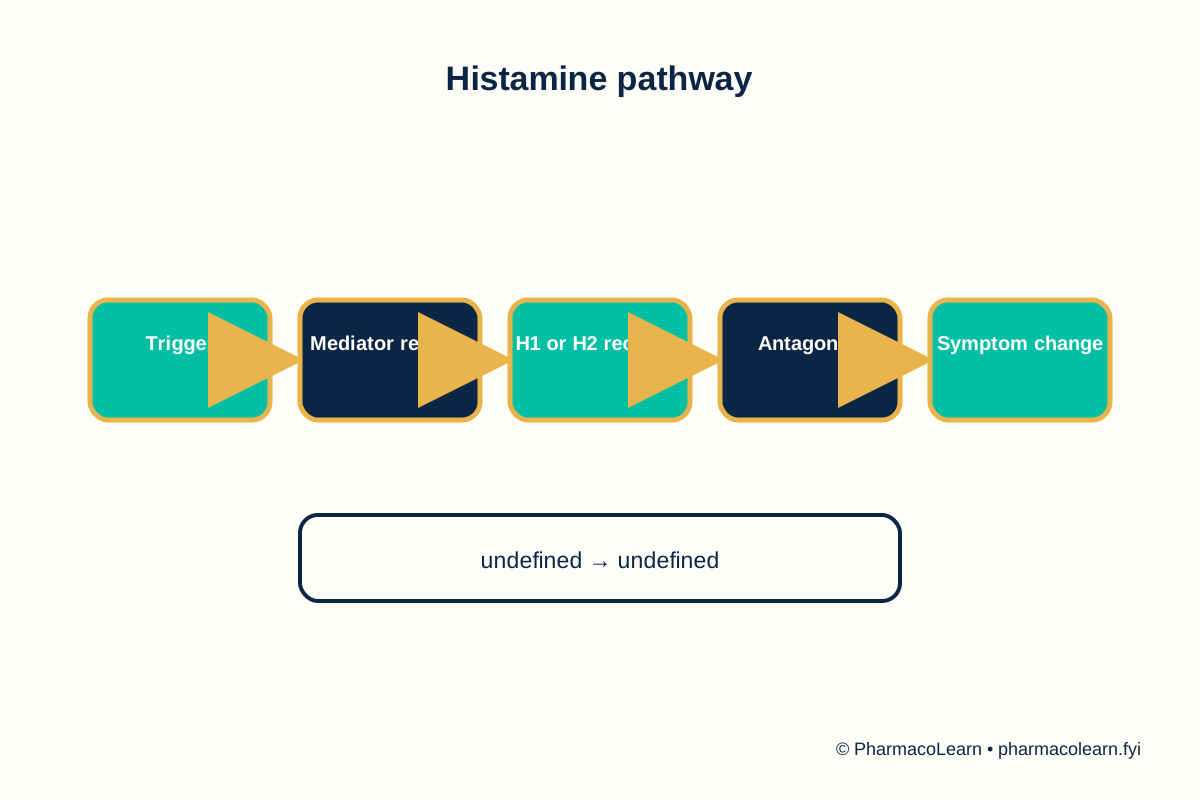
Autocoids are locally produced mediators that act near their site of synthesis. Histamine increases vascular permeability, causes vasodilation in selected beds, stimulates sensory nerves and contracts some smooth muscle. H1 antagonists reduce allergic symptoms but may cause sedation, impaired coordination or anticholinergic effects. H2 antagonists reduce gastric acid secretion through parietal-cell receptor blockade. The pharmacist distinguishes allergic symptoms from infection, anaphylaxis and adverse drug reactions.
Serotonin acts through several receptor families that influence vessels, gut, platelets, nausea, pain and CNS function. Antagonists are selected according to the target pathway, such as nausea or migraine-related signaling. Lipid-derived mediators include prostaglandins, thromboxanes and leukotrienes. They regulate inflammation, vascular tone, platelet activity, gastric protection and airway reactivity. Cyclooxygenase inhibition reduces prostanoid synthesis but can affect gastric mucosa, renal perfusion and platelet function. Leukotriene pathway modulation can reduce selected airway and allergic responses.
Platelet-activating factor promotes platelet activation, vascular permeability, bronchoconstriction and leukocyte responses. Autocoid actions are context dependent, so blocking one mediator does not eliminate all inflammation. Pharmacists monitor sedation, bleeding, gastrointestinal effects, blood pressure, asthma control and interactions, and advise urgent care for airway compromise or systemic allergic reaction.
Mechanism and clinical reasoning
Start with the disease or physiologic process, identify the receptor, enzyme, transporter or ion channel involved, and then trace the effect from molecular interaction to organ response. Next, relate pharmacokinetics to onset and duration, pharmacodynamics to benefit and toxicity, and patient factors to treatment selection. A class name is not enough. Each medicine should be studied by mechanism, therapeutic role, route, adverse effects, contraindications, interactions, monitoring and counseling.
Pharmacist focus
The pharmacist verifies indication, medication history, allergies, pregnancy or lactation status, kidney and liver function, adherence, device or administration technique and monitoring plan. Dose and regimen decisions must follow the current approved product information and clinical guideline. Red flags, severe adverse effects and suspected toxicity require escalation rather than self-management.
Tips, FAQs and takeaways
- Why compare medicines within a class? Shared mechanisms create shared benefits, while selectivity and pharmacokinetics create important differences.
- Why separate pharmacokinetics from pharmacodynamics? Concentration over time is different from the effect produced at the target.
- What is the takeaway? Safe pharmacology connects mechanism, patient, monitoring and outcome.
References: PharmacoLearn Year 2 syllabus; Pharmacy Council of India, Pharm.D. Regulations 2008; Goodman and Gilman's The Pharmacological Basis of Therapeutics; Katzung, Basic and Clinical Pharmacology; Rang and Dale's Pharmacology.
Diagrams
Other Year 2 subjects: Pathophysiology · Pharmaceutical Microbiology · Pharmacognosy and Phytopharmaceuticals · Pharmacology I · Community Pharmacy · Pharmacotherapeutics I · Year 2 · Pharm D