
Community Pharmacy — Pharm D Year 2
Notes for Community Pharmacy, Pharm D Year 2, organised unit by unit following the PCI Pharm D syllabus. 13 units, 20 diagrams.
Syllabus: Pharm D Year 2 syllabus
Units in this subject
- Unit 1: Community Pharmacy and the Pharmacist
- Unit 2: Community Pharmacy Management
- Unit 3: Prescriptions and Medication-Related Problems
- Unit 4: Inventory Control
- Unit 5: Pharmaceutical Care
- Unit 6: Patient Counseling
- Unit 7: Medication Adherence
- Unit 8: Health Screening Services
- Unit 9: Over-the-Counter Medication
- Unit 10: Health Education and Prevention
- Unit 11: Minor Ailments
- Unit 12: Essential Drugs and Rational Drug Therapy
- Unit 13: Code of Ethics
Unit 1: Community Pharmacy and the Pharmacist
Expanded detail
Trust is a clinical tool. A patient who feels respected is more likely to disclose pregnancy, allergy, nonadherence, substance use, financial barriers or use of another product. The pharmacist should protect privacy, avoid assumptions and explain when referral is necessary. Community pharmacy also contributes to public health through vaccination referral, prevention advice, adverse-event reporting and responsible antimicrobial use.
Every encounter should end with a clear next step.
And documented.
Syllabus scope
This unit covers definition, scope and roles and responsibilities of community pharmacists.
Core theory
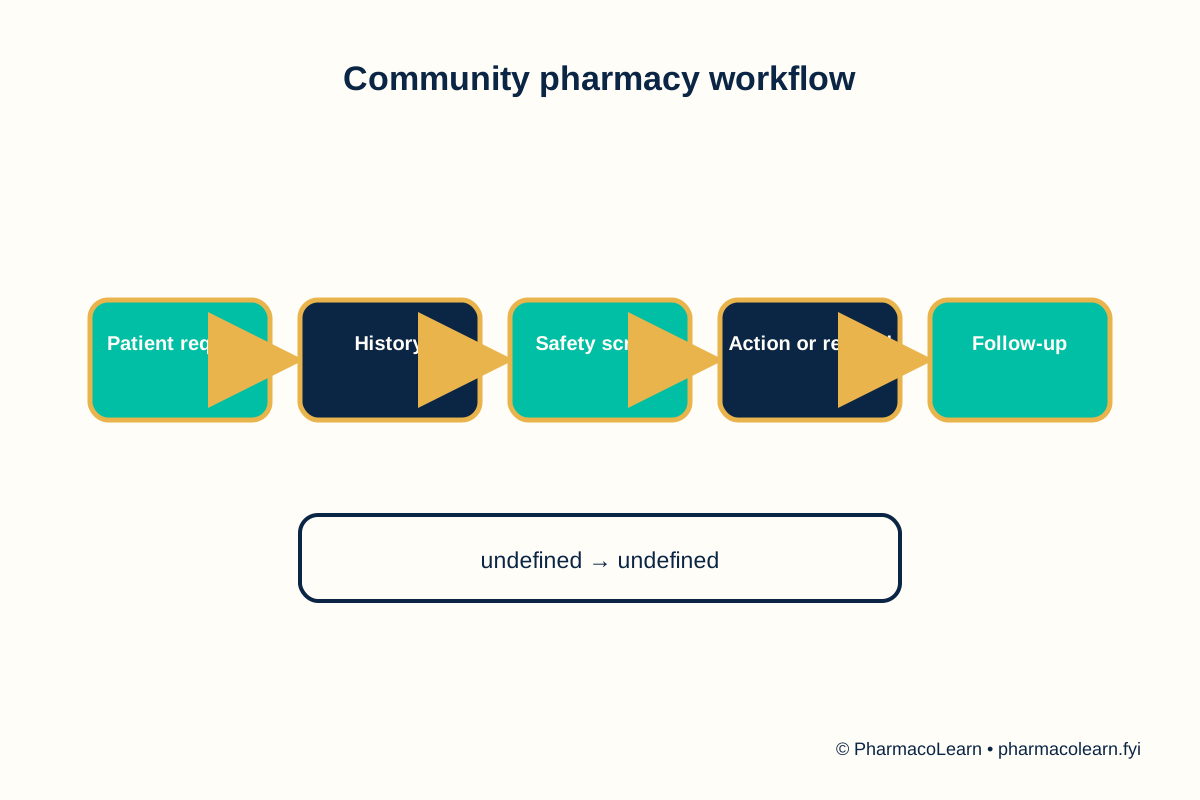
Community pharmacy is a patient-facing practice setting where medicines, information, prevention and referral are integrated. The pharmacist receives a request, gathers relevant history, identifies the patient's need, checks safety, supplies or refers appropriately, and documents the encounter. Responsibilities include dispensing, medication counseling, adherence support, minor-ailment management within lawful scope, health promotion, screening, pharmacovigilance and collaboration with other professionals.
Clinical workflow
- Establish the patient's request and immediate safety.
- Collect relevant history, medicines, allergies, age and risk factors.
- Identify whether the issue can be managed within community-pharmacy scope.
- Select the safest evidence-informed action or referral.
- Explain the plan using plain language and teach-back.
- Document the encounter and arrange follow-up.
Pharmacist correlation
The pharmacist should use open questions, privacy, empathy and nonjudgmental language. A symptom is not automatically a diagnosis. Red flags, vulnerable age groups, pregnancy, polypharmacy, recurrent symptoms and treatment failure lower the threshold for referral.
Tips, FAQs and takeaways
- Why ask questions before recommending? Symptoms and requests can conceal contraindications or serious disease.
- Why use teach-back? It tests communication success, not the patient's intelligence.
- What is the main takeaway? Community pharmacy is a clinical service with legal, ethical and communication responsibilities.
References: PharmacoLearn Year 2 syllabus; Pharmacy Council of India, Pharm.D. Regulations 2008; Handbook of Community Pharmacy Practice; Remington, The Science and Practice of Pharmacy; WHO health and medicines guidance.
Unit 2: Community Pharmacy Management
Expanded detail
Storage is part of quality assurance. The pharmacist monitors temperature and humidity where relevant, segregates expired or recalled items, protects restricted medicines, checks cold-chain excursions and maintains a clean dry dispensing area. Software does not replace professional verification. User permissions, audit trails and secure backups reduce data and dispensing risk.
Syllabus scope
This unit covers site selection, layout, design, staff, materials, coding, stocking, legal requirements, registers and computer use.
Core theory
Management begins with a safe accessible site, adequate space, clear workflow, privacy for counseling, secure medicine storage and appropriate temperature or light control. Staff roles must be defined and supervised. Materials require coding, batch and expiry tracking, segregation of damaged or recalled stock, and documented receipt and issue. Registers and records are maintained according to applicable law and professional policy. Computer systems can support inventory, dispensing, health records and alerts, but access control, backups and confidentiality are essential.
Clinical workflow
- Establish the patient's request and immediate safety.
- Collect relevant history, medicines, allergies, age and risk factors.
- Identify whether the issue can be managed within community-pharmacy scope.
- Select the safest evidence-informed action or referral.
- Explain the plan using plain language and teach-back.
- Document the encounter and arrange follow-up.
Pharmacist correlation
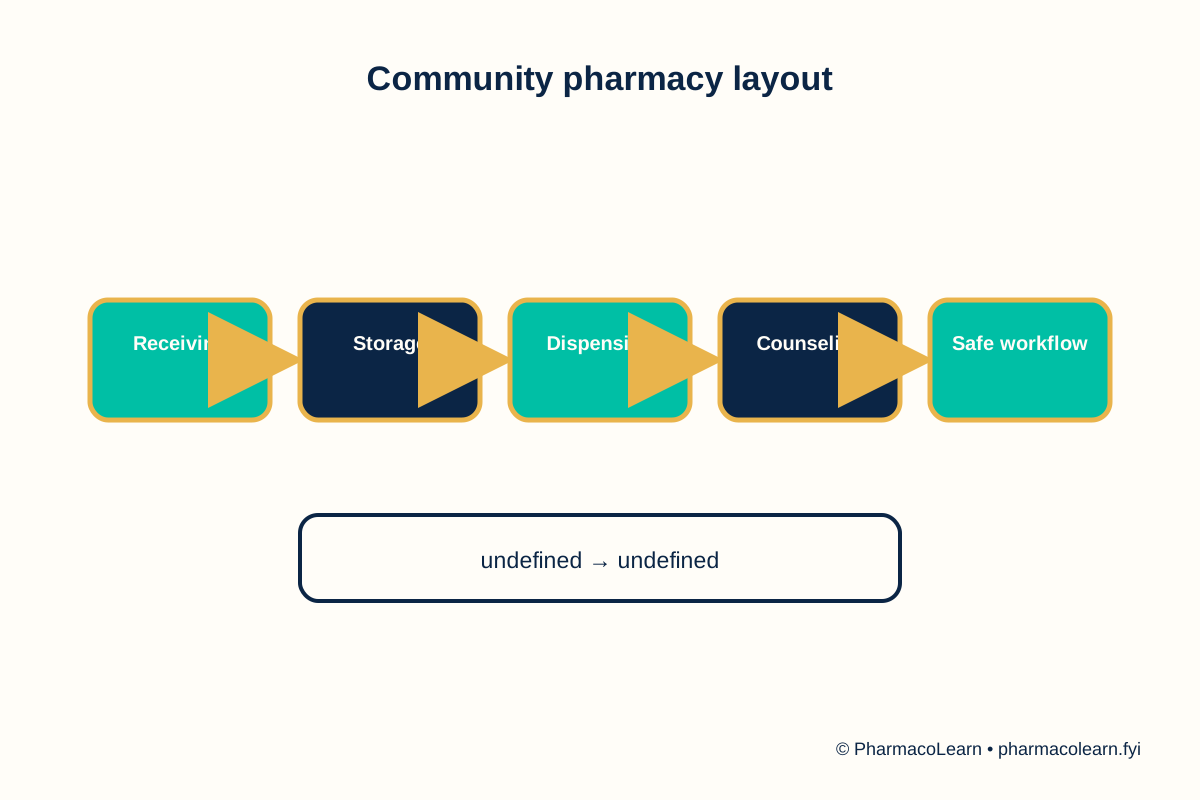
A good layout separates receiving, storage, dispensing, waiting and counseling. The pharmacist checks stock rotation, cold-chain records, controlled access, cleaning, fire safety, waste handling and service continuity.
Tips, FAQs and takeaways
- Why ask questions before recommending? Symptoms and requests can conceal contraindications or serious disease.
- Why use teach-back? It tests communication success, not the patient's intelligence.
- What is the main takeaway? Community pharmacy is a clinical service with legal, ethical and communication responsibilities.
References: PharmacoLearn Year 2 syllabus; Pharmacy Council of India, Pharm.D. Regulations 2008; Handbook of Community Pharmacy Practice; Remington, The Science and Practice of Pharmacy; WHO health and medicines guidance.
Unit 3: Prescriptions and Medication-Related Problems
Expanded detail
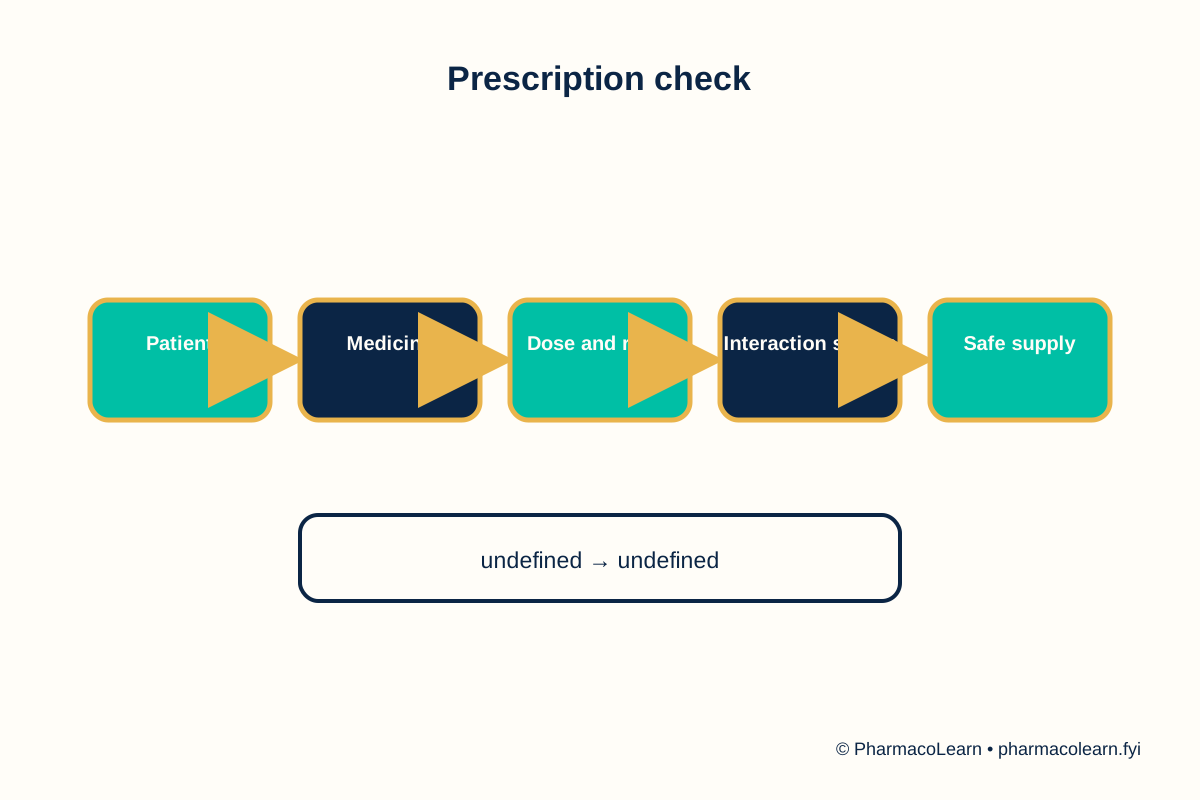
A prescription review can be structured as patient, medicine, dose, route, timing, duration, duplication, allergy, interaction, contraindication, monitoring and follow-up. If a problem is found, clarify the clinical intent and document the communication. A pharmacist should never allow a confusing abbreviation, missing strength or unsafe duplication to pass simply because it is familiar.
Record clarifications accurately.
Syllabus scope
This unit covers parts of a prescription, legality and identification of medication-related problems including interactions.
Core theory
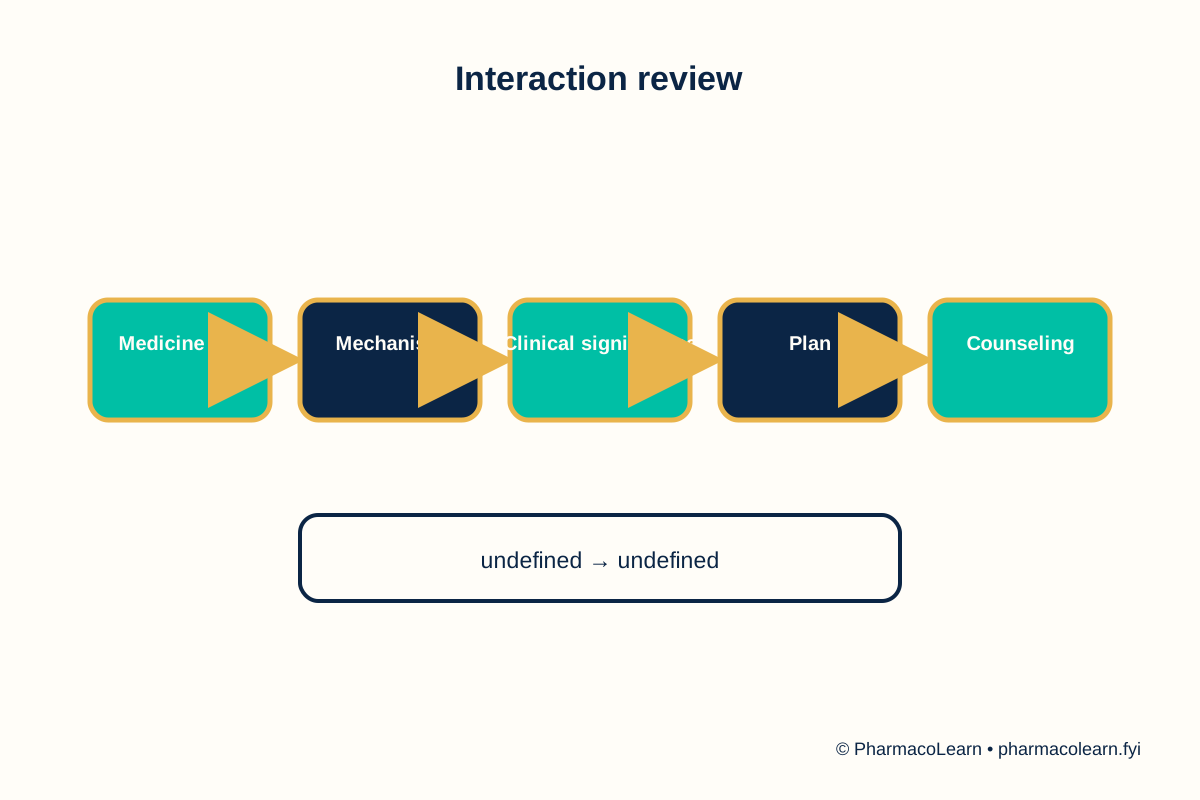
A prescription is assessed for patient identifiers, date, prescriber details, medicine name, strength, dosage form, directions, quantity, duration, repeats and authentication required by law. The pharmacist confirms clarity, completeness, appropriateness and authenticity before dispensing. Medication-related problems include wrong medicine, dose, route, duration, duplication, allergy, contraindication, interaction, nonadherence, untreated indication and monitoring failure.
Clinical workflow
- Establish the patient's request and immediate safety.
- Collect relevant history, medicines, allergies, age and risk factors.
- Identify whether the issue can be managed within community-pharmacy scope.
- Select the safest evidence-informed action or referral.
- Explain the plan using plain language and teach-back.
- Document the encounter and arrange follow-up.
Pharmacist correlation
Interaction screening must consider pharmacokinetic and pharmacodynamic mechanisms, not only software alerts. Clarify ambiguous orders with the prescriber and document the intervention. Never silently change a clinically meaningful prescription.
Tips, FAQs and takeaways
- Why ask questions before recommending? Symptoms and requests can conceal contraindications or serious disease.
- Why use teach-back? It tests communication success, not the patient's intelligence.
- What is the main takeaway? Community pharmacy is a clinical service with legal, ethical and communication responsibilities.
References: PharmacoLearn Year 2 syllabus; Pharmacy Council of India, Pharm.D. Regulations 2008; Handbook of Community Pharmacy Practice; Remington, The Science and Practice of Pharmacy; WHO health and medicines guidance.
Unit 4: Inventory Control
Expanded detail
A reorder level should reflect expected use during lead time plus safety stock. The exact calculation depends on local demand and variability. Audit stock by comparing physical quantity, electronic record, purchase documents, dispensing records, batch and expiry. Investigation of discrepancies should be prompt, especially for controlled, cold-chain or high-risk medicines.
Review demand after seasonal changes, public-health events, supplier disruption or a change in prescribing. Inventory decisions should be reviewed rather than copied indefinitely.
Syllabus scope
This unit covers ABC, VED, EOQ, lead time and safety stock.
Core theory
Inventory control balances availability, expiry, capital and storage capacity. ABC analysis ranks items by annual consumption value. VED ranks them by criticality: vital, essential or desirable. Combining methods highlights items that are expensive, clinically critical or both. Economic order quantity balances ordering and holding costs, while lead time is the interval between order and receipt. Safety stock protects against demand or delivery variation.
Clinical workflow
- Establish the patient's request and immediate safety.
- Collect relevant history, medicines, allergies, age and risk factors.
- Identify whether the issue can be managed within community-pharmacy scope.
- Select the safest evidence-informed action or referral.
- Explain the plan using plain language and teach-back.
- Document the encounter and arrange follow-up.
Pharmacist correlation
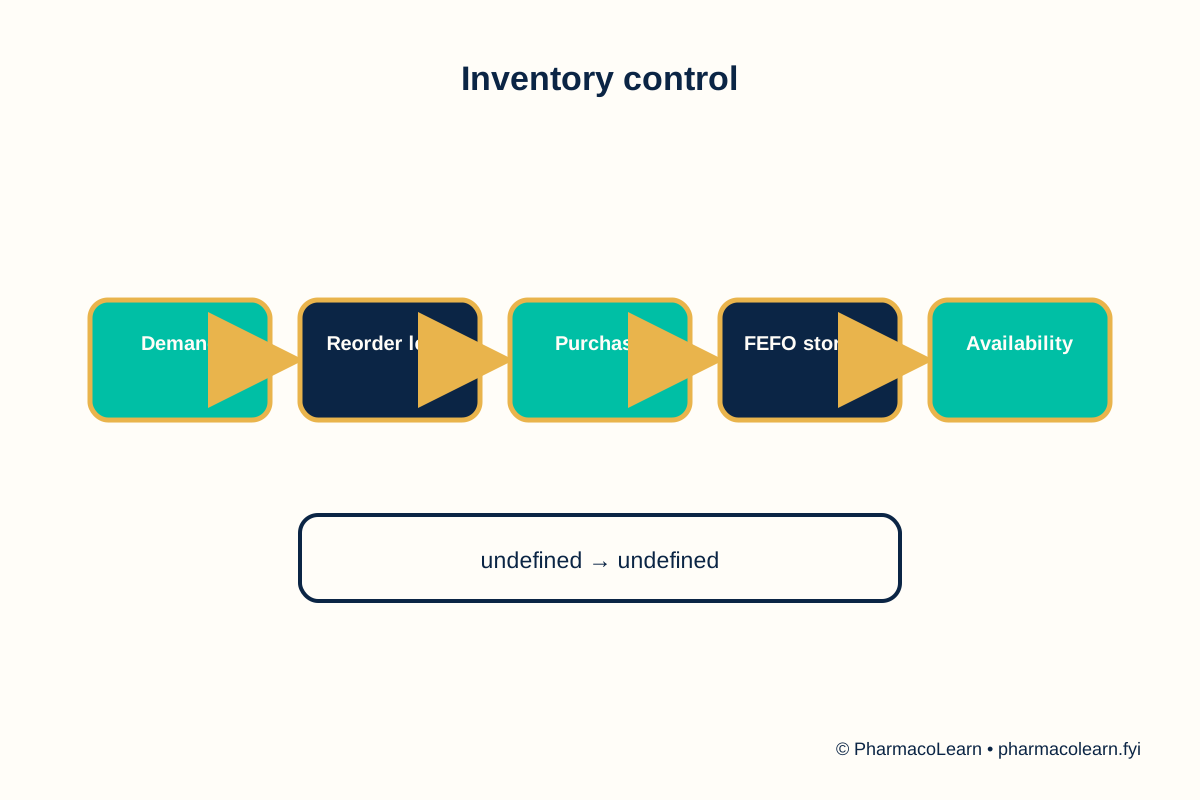
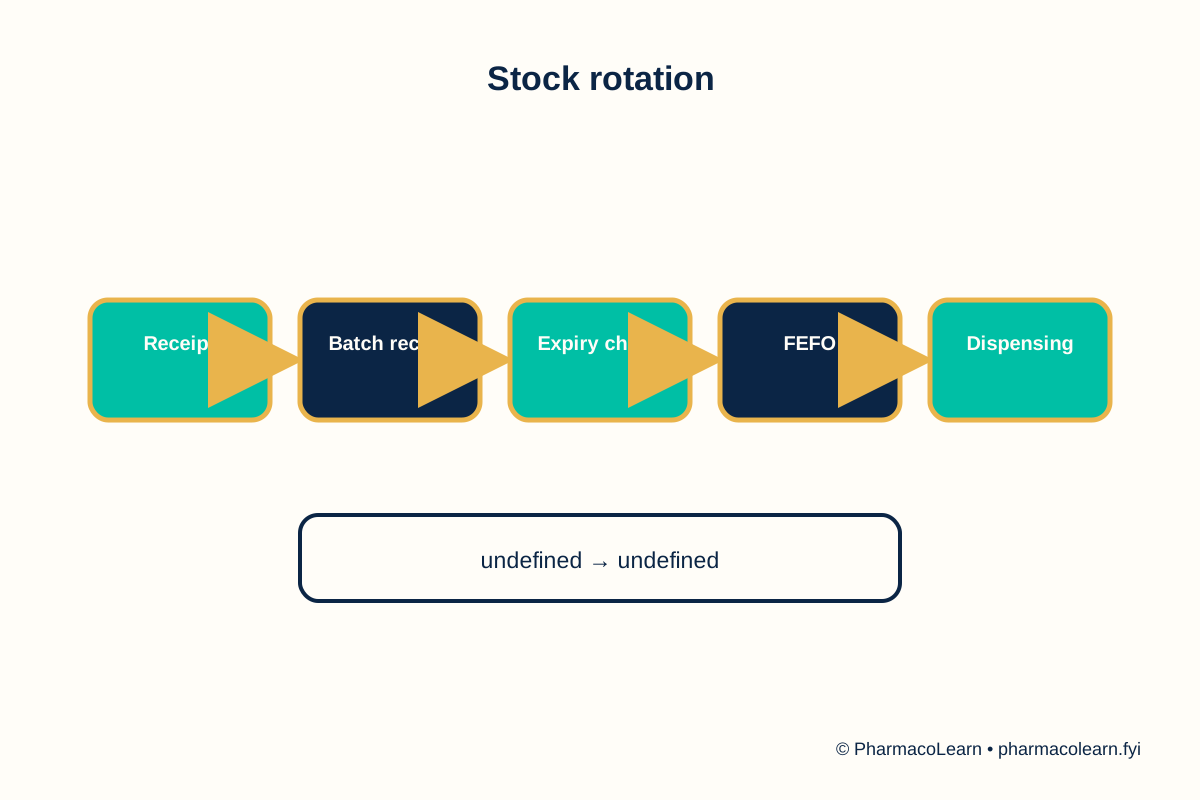
The workflow is forecast, set reorder level, order, receive, inspect, record, store, rotate and audit. FEFO uses the earliest expiry first. Stockouts and overstock both create patient risk. The pharmacist monitors discrepancies, recalls, cold-chain items, controlled medicines and slow-moving stock.
Tips, FAQs and takeaways
- Why ask questions before recommending? Symptoms and requests can conceal contraindications or serious disease.
- Why use teach-back? It tests communication success, not the patient's intelligence.
- What is the main takeaway? Community pharmacy is a clinical service with legal, ethical and communication responsibilities.
References: PharmacoLearn Year 2 syllabus; Pharmacy Council of India, Pharm.D. Regulations 2008; Handbook of Community Pharmacy Practice; Remington, The Science and Practice of Pharmacy; WHO health and medicines guidance.
Unit 5: Pharmaceutical Care
Expanded detail
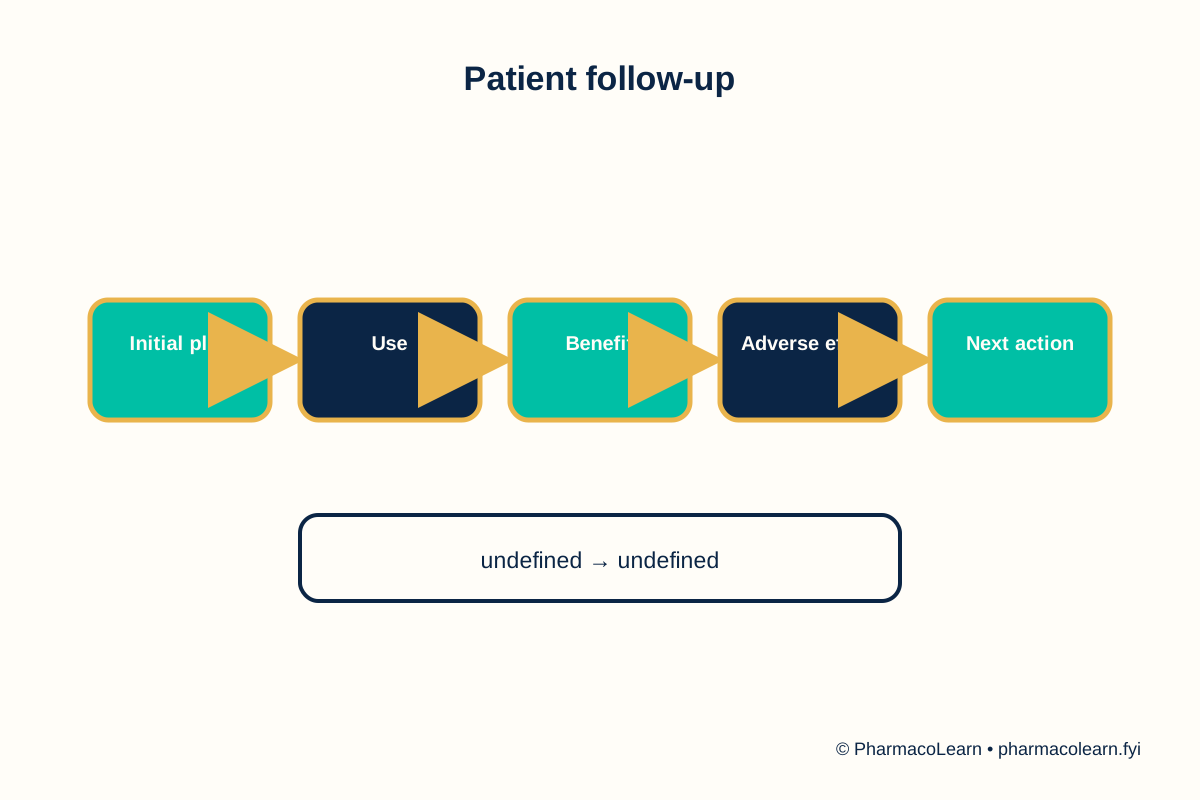
Care planning is iterative. A symptom may improve while a medicine-related problem persists, or the patient may achieve the laboratory target but experience unacceptable harm. Follow-up therefore asks what changed, what the patient actually used, what benefit occurred, what harm occurred and what the next shared action should be. Documentation should be concise, factual and retrievable.
Syllabus scope
This unit covers definition and principles of pharmaceutical care.
Core theory
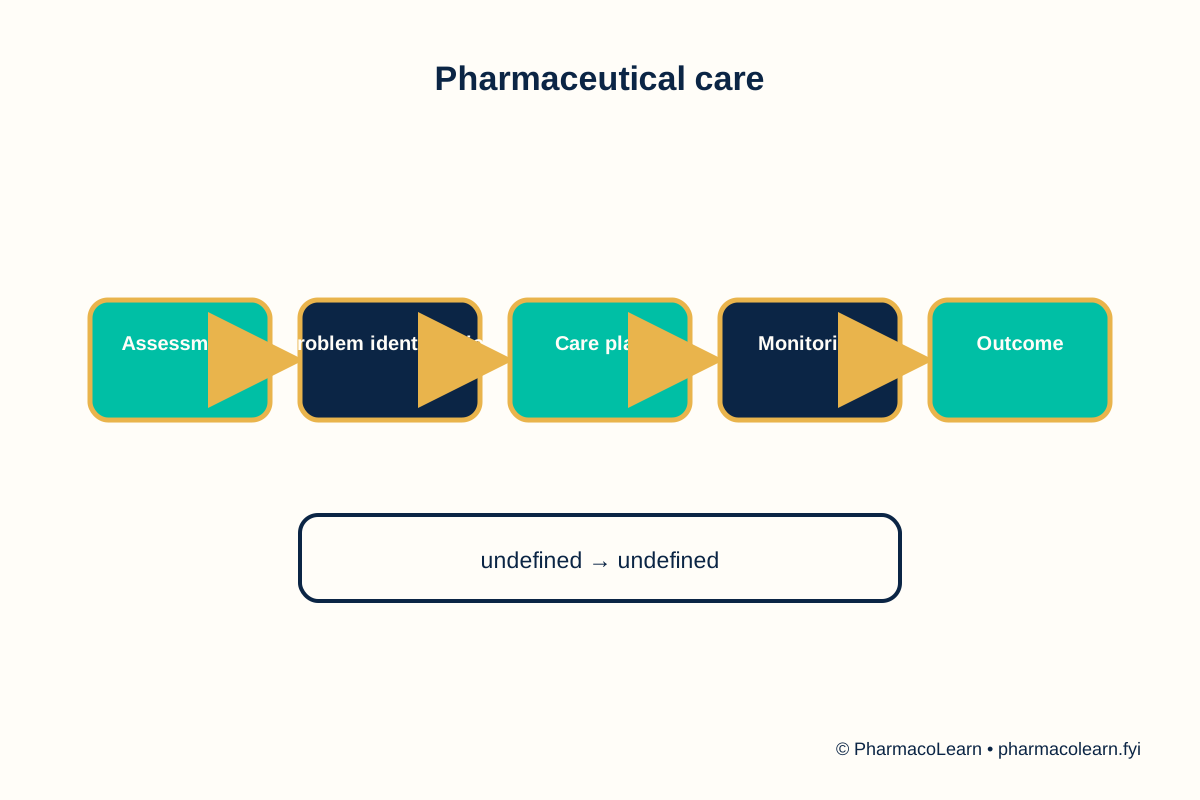
Pharmaceutical care is a patient-centered practice in which the pharmacist accepts responsibility for medicine-related outcomes. The process is assessment, identification of actual or potential problems, care plan, intervention, monitoring and follow-up. Outcomes may include symptom control, disease control, prevention of harm, improved adherence or improved quality of life.
Clinical workflow
- Establish the patient's request and immediate safety.
- Collect relevant history, medicines, allergies, age and risk factors.
- Identify whether the issue can be managed within community-pharmacy scope.
- Select the safest evidence-informed action or referral.
- Explain the plan using plain language and teach-back.
- Document the encounter and arrange follow-up.
Pharmacist correlation
The pharmacist gathers medication, medical, allergy, lifestyle and patient-goal information. Problems are prioritized by urgency, severity, likelihood and preventability. The care plan must be realistic and communicated to the patient and relevant professionals. Documentation protects continuity and supports evaluation.
Tips, FAQs and takeaways
- Why ask questions before recommending? Symptoms and requests can conceal contraindications or serious disease.
- Why use teach-back? It tests communication success, not the patient's intelligence.
- What is the main takeaway? Community pharmacy is a clinical service with legal, ethical and communication responsibilities.
References: PharmacoLearn Year 2 syllabus; Pharmacy Council of India, Pharm.D. Regulations 2008; Handbook of Community Pharmacy Practice; Remington, The Science and Practice of Pharmacy; WHO health and medicines guidance.
Unit 6: Patient Counseling
Expanded detail
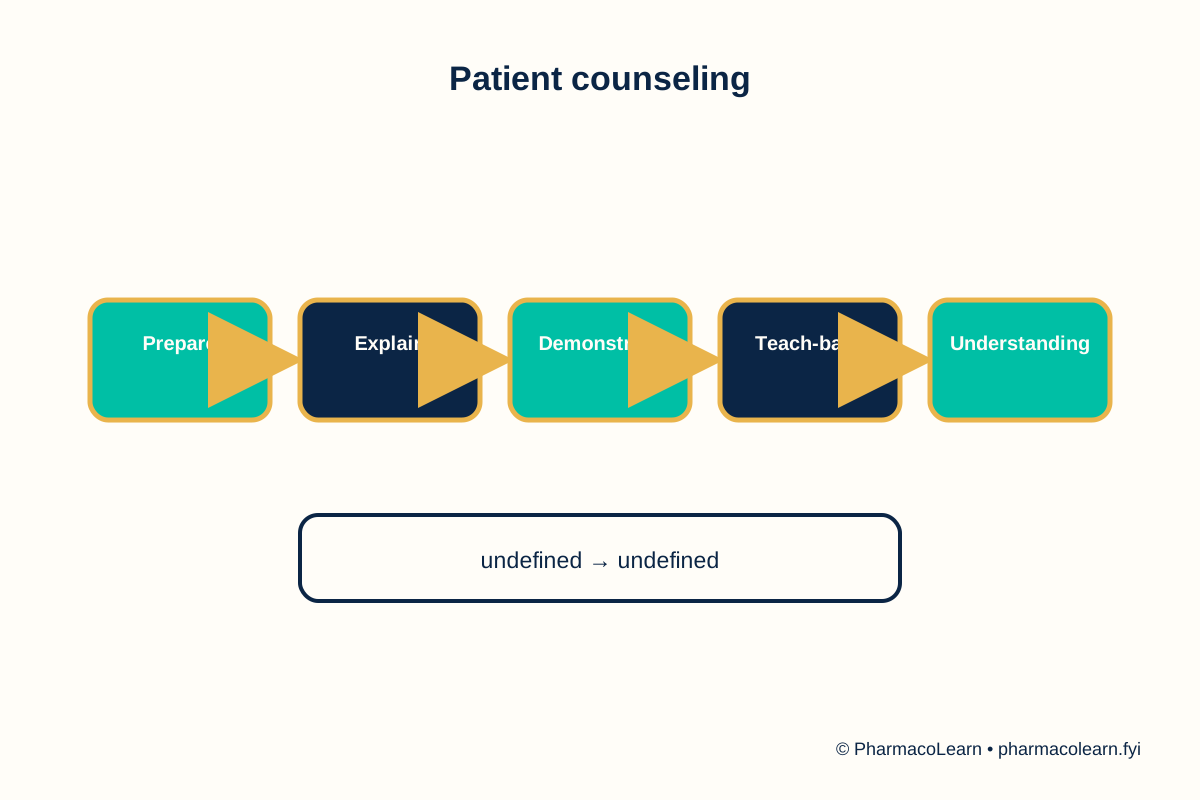
Demonstration is essential for devices, inhalers, injections, measuring tools, eye drops and topical products. Ask the patient to demonstrate or explain the process, then correct one step at a time. Written material should be readable, culturally appropriate and consistent with the current product instructions. Counseling should be adapted for hearing, vision, language and literacy.
Syllabus scope
This unit covers definition, outcomes, stages, barriers, strategies, information leaflets and advisory labels.
Core theory
Counseling transfers usable information and confirms understanding. A practical sequence is prepare, introduce, assess baseline knowledge, explain purpose and use, discuss precautions, check understanding with teach-back, invite questions and arrange follow-up. Barriers include language, literacy, hearing, vision, memory, fear, stigma, cost, time and cultural expectations. Strategies include plain language, demonstrations, pictograms, interpreters and written reinforcement.
Clinical workflow
- Establish the patient's request and immediate safety.
- Collect relevant history, medicines, allergies, age and risk factors.
- Identify whether the issue can be managed within community-pharmacy scope.
- Select the safest evidence-informed action or referral.
- Explain the plan using plain language and teach-back.
- Document the encounter and arrange follow-up.
Pharmacist correlation
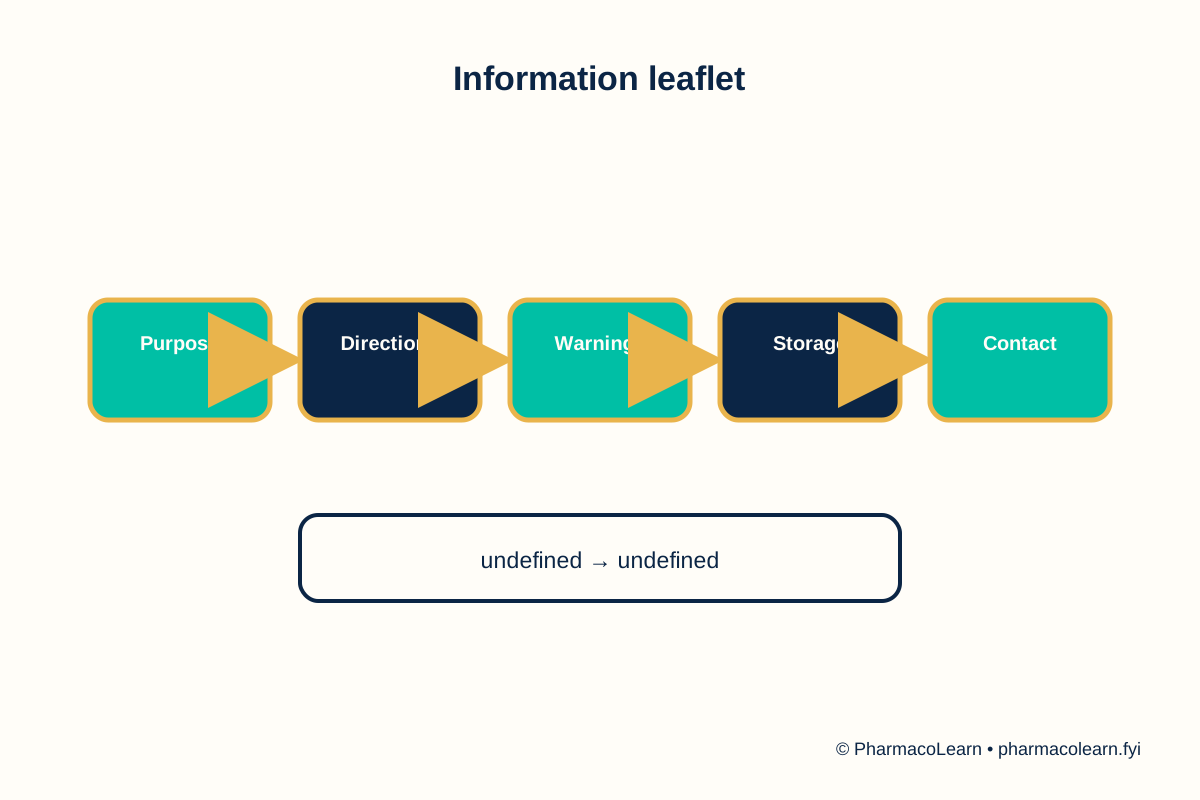
Patient information leaflets should identify the medicine, purpose, directions, missed-dose advice, common effects, urgent warnings, storage and contact route. Advisory labels should be accurate, visible and consistent with the prescription and product information.
Tips, FAQs and takeaways
- Why ask questions before recommending? Symptoms and requests can conceal contraindications or serious disease.
- Why use teach-back? It tests communication success, not the patient's intelligence.
- What is the main takeaway? Community pharmacy is a clinical service with legal, ethical and communication responsibilities.
References: PharmacoLearn Year 2 syllabus; Pharmacy Council of India, Pharm.D. Regulations 2008; Handbook of Community Pharmacy Practice; Remington, The Science and Practice of Pharmacy; WHO health and medicines guidance.
Unit 7: Medication Adherence
Expanded detail
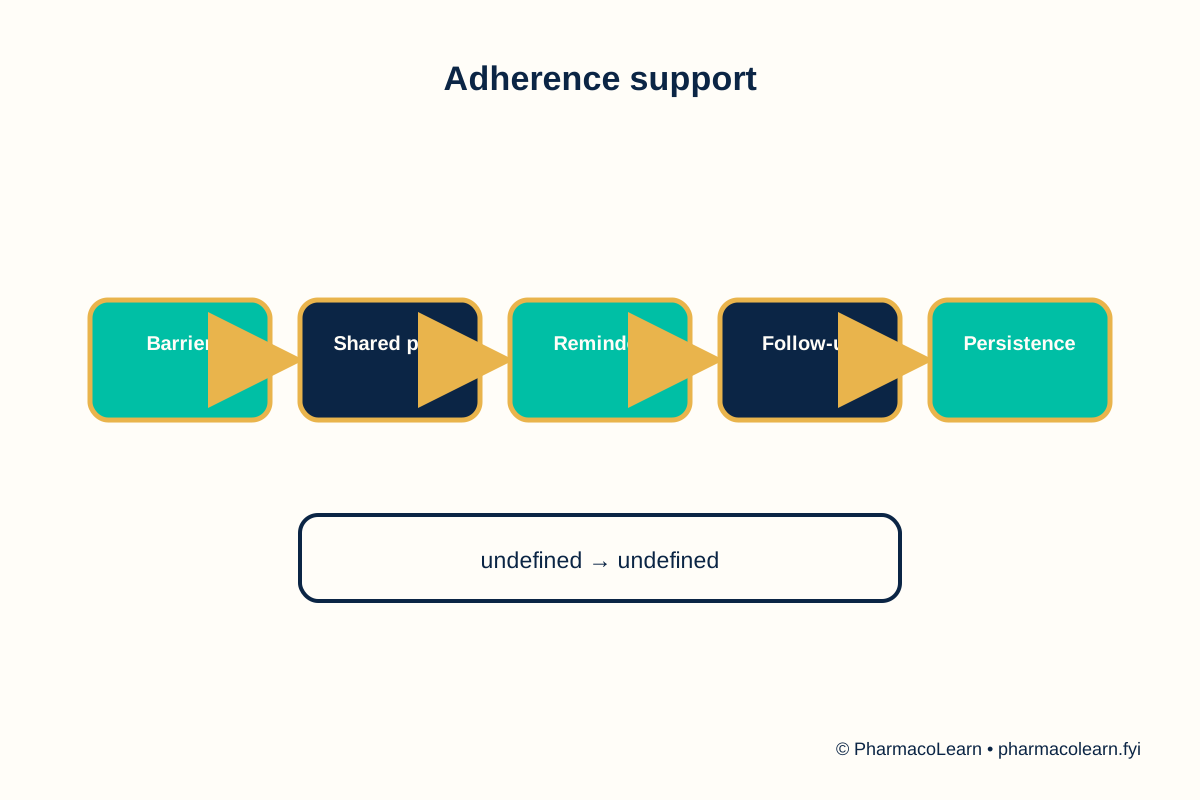
Adherence is not solved by blame. Ask what makes the plan difficult and involve the patient in a workable alternative. Link dosing to routines only when the routine is stable, use reminders with consent, reduce unnecessary complexity and address cost or access. Persistent nonadherence can also indicate adverse effects, misunderstanding, depression, cognitive impairment or an incorrect diagnosis.
Syllabus scope
This unit covers definition, factors and pharmacist interventions.
Core theory
Adherence is the extent to which medicine use matches an agreed plan. It differs from intentional nonadherence, unintentional nonadherence and treatment failure. Barriers include adverse effects, cost, complex regimens, forgetfulness, low perceived benefit, stigma, poor health literacy and limited access. The pharmacist first asks nonjudgmentally what the patient actually does.
Clinical workflow
- Establish the patient's request and immediate safety.
- Collect relevant history, medicines, allergies, age and risk factors.
- Identify whether the issue can be managed within community-pharmacy scope.
- Select the safest evidence-informed action or referral.
- Explain the plan using plain language and teach-back.
- Document the encounter and arrange follow-up.
Pharmacist correlation
Interventions include simplification, synchronization, reminders, education, side-effect management, device training, refill review, shared decisions and referral for access problems. A refill gap is a signal, not proof of behavior. Follow-up evaluates outcomes, safety and patient preference.
Tips, FAQs and takeaways
- Why ask questions before recommending? Symptoms and requests can conceal contraindications or serious disease.
- Why use teach-back? It tests communication success, not the patient's intelligence.
- What is the main takeaway? Community pharmacy is a clinical service with legal, ethical and communication responsibilities.
References: PharmacoLearn Year 2 syllabus; Pharmacy Council of India, Pharm.D. Regulations 2008; Handbook of Community Pharmacy Practice; Remington, The Science and Practice of Pharmacy; WHO health and medicines guidance.
Unit 8: Health Screening Services
Expanded detail
Screening quality requires calibration, training, infection control and referral pathways. Explain what the test can and cannot show before measuring. Record time, posture, fasting status when relevant, device and result. A borderline or unexpected result should be repeated or confirmed according to current guidance, not interpreted as a diagnosis from a single community reading.
Syllabus scope
This unit covers blood pressure, blood sugar, lung function and cholesterol testing.
Core theory
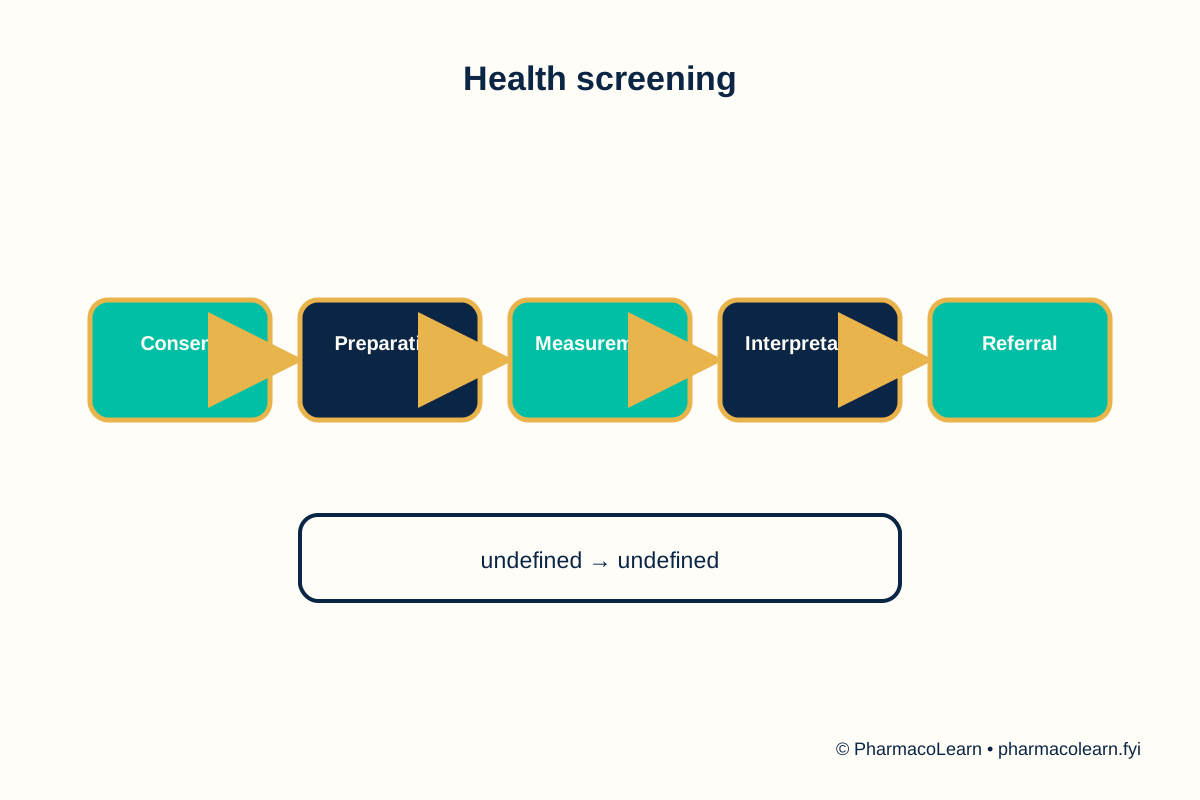
Screening seeks early identification in people without a confirmed diagnosis. The pharmacist explains the purpose and limitations, obtains consent, prepares the patient, uses calibrated equipment, records conditions and results, and provides referral based on current criteria. Blood pressure can be affected by posture, rest, cuff size and repeated measurement. Blood glucose interpretation depends on timing and context. Cholesterol results require risk interpretation. Lung function testing requires technique and quality checks.
Clinical workflow
- Establish the patient's request and immediate safety.
- Collect relevant history, medicines, allergies, age and risk factors.
- Identify whether the issue can be managed within community-pharmacy scope.
- Select the safest evidence-informed action or referral.
- Explain the plan using plain language and teach-back.
- Document the encounter and arrange follow-up.
Pharmacist correlation
A screening result is not automatically a diagnosis. The pharmacist communicates urgent findings, avoids false reassurance, protects confidentiality and encourages confirmatory care.
Tips, FAQs and takeaways
- Why ask questions before recommending? Symptoms and requests can conceal contraindications or serious disease.
- Why use teach-back? It tests communication success, not the patient's intelligence.
- What is the main takeaway? Community pharmacy is a clinical service with legal, ethical and communication responsibilities.
References: PharmacoLearn Year 2 syllabus; Pharmacy Council of India, Pharm.D. Regulations 2008; Handbook of Community Pharmacy Practice; Remington, The Science and Practice of Pharmacy; WHO health and medicines guidance.
Unit 9: Over-the-Counter Medication
Expanded detail
OTC supply is still a clinical decision. Combination products can duplicate analgesics, antihistamines, decongestants or antidiarrheal ingredients. Ask the patient to show all products where possible. Explain when self-care should stop, what response is expected and when a clinician should review the condition. Children and older adults require particular caution because formulation, dose, communication and adverse-effect risk differ.
Syllabus scope
This unit covers definition, OTC categories and counseling.
Core theory
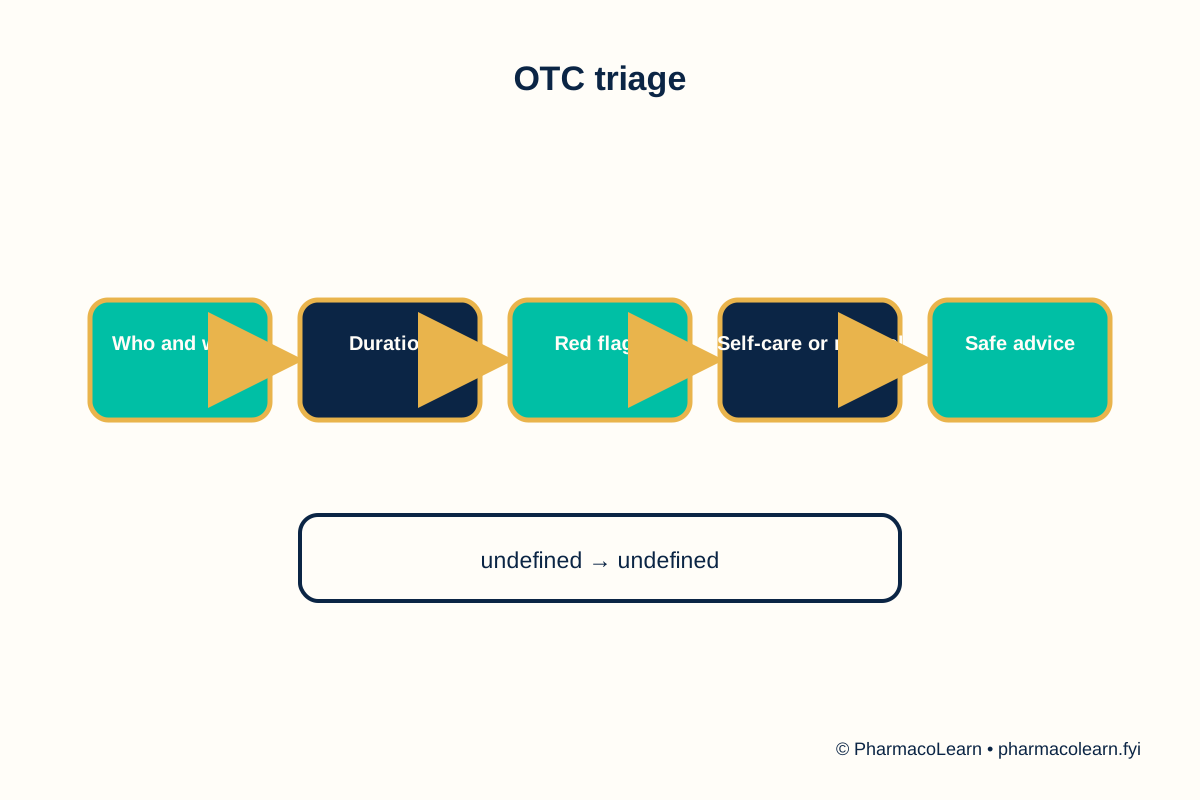
OTC supply is responsible self-care within legal and professional boundaries. The pharmacist asks who the patient is, what symptoms are present, duration, severity, associated signs, previous treatment, allergies, pregnancy, chronic disease and current medicines. The choice should be necessary, effective, safe and practical. The patient receives directions, maximum duration, expected response, adverse effects and referral advice.
Clinical workflow
- Establish the patient's request and immediate safety.
- Collect relevant history, medicines, allergies, age and risk factors.
- Identify whether the issue can be managed within community-pharmacy scope.
- Select the safest evidence-informed action or referral.
- Explain the plan using plain language and teach-back.
- Document the encounter and arrange follow-up.
Pharmacist correlation
OTC risk rises with children, older adults, pregnancy, renal or liver disease, anticoagulants, multiple medicines and recurrent or unexplained symptoms. The pharmacist avoids masking serious disease and avoids duplicate ingredients across combination products.
Tips, FAQs and takeaways
- Why ask questions before recommending? Symptoms and requests can conceal contraindications or serious disease.
- Why use teach-back? It tests communication success, not the patient's intelligence.
- What is the main takeaway? Community pharmacy is a clinical service with legal, ethical and communication responsibilities.
References: PharmacoLearn Year 2 syllabus; Pharmacy Council of India, Pharm.D. Regulations 2008; Handbook of Community Pharmacy Practice; Remington, The Science and Practice of Pharmacy; WHO health and medicines guidance.
Unit 10: Health Education and Prevention
Expanded detail
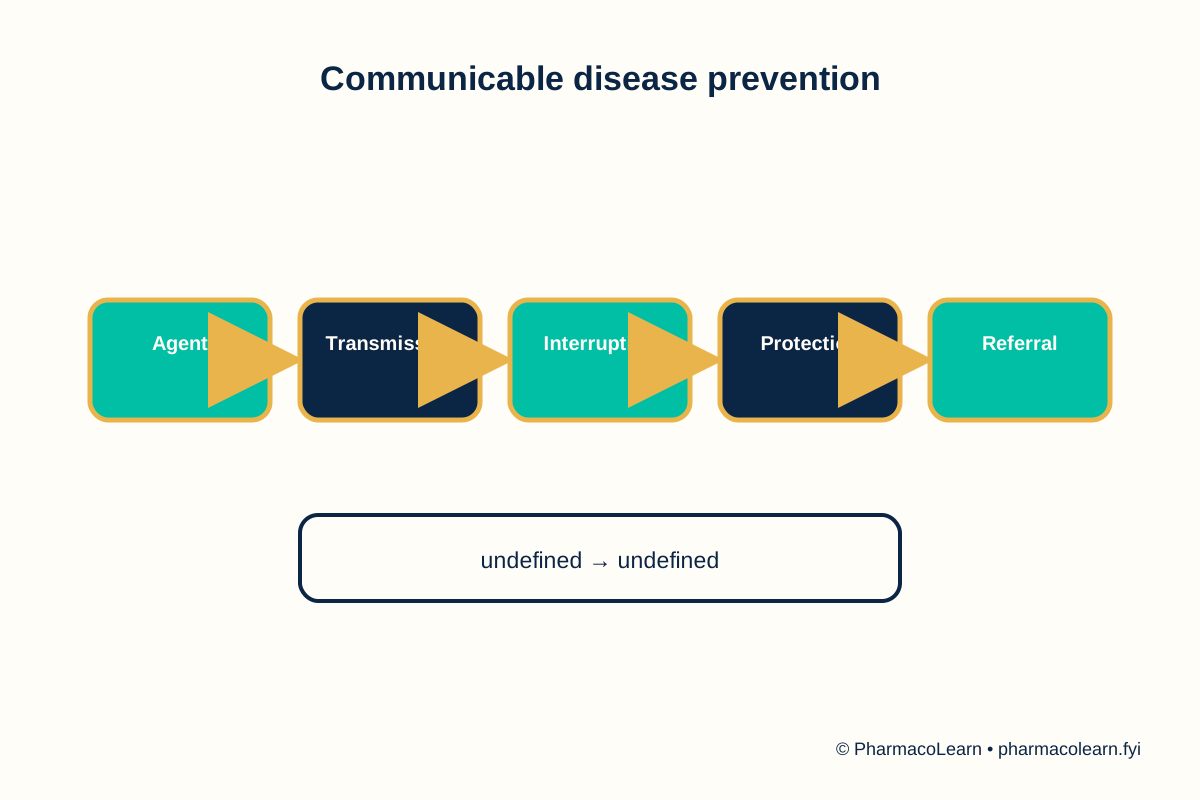
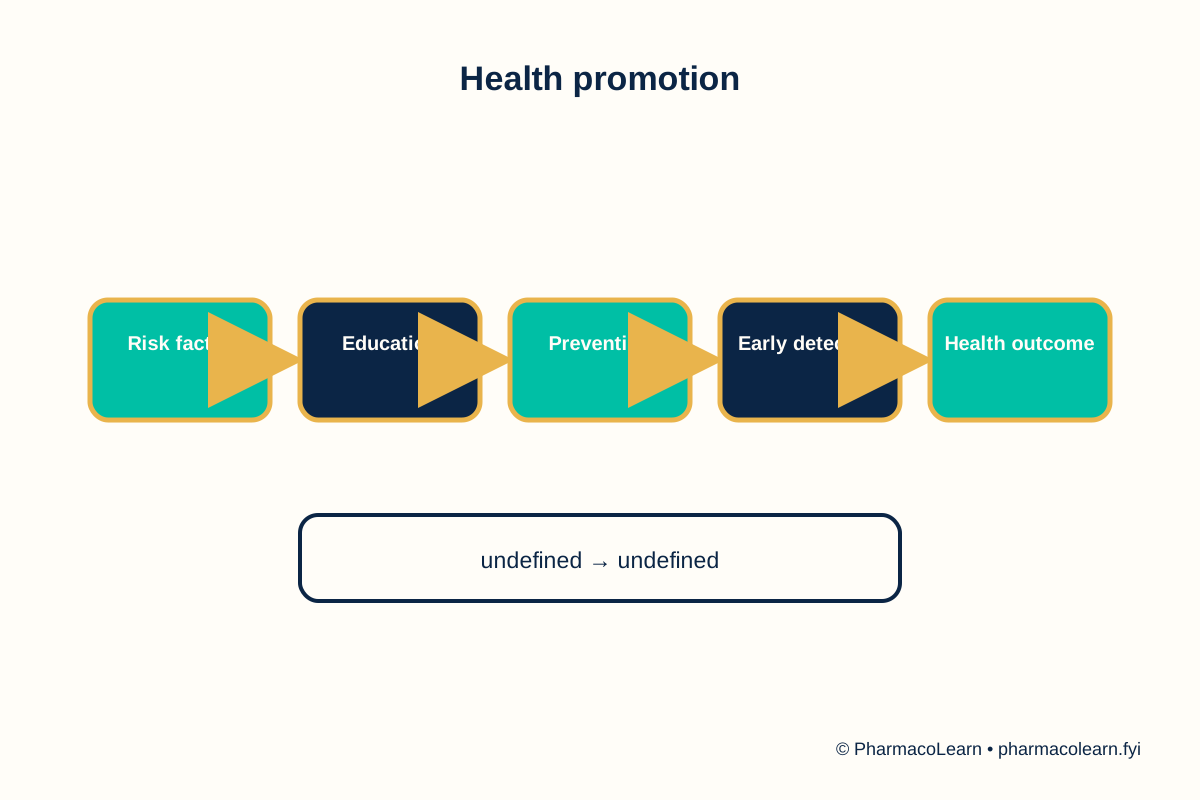
Health education should be measurable and practical. Instead of saying prevent infection, explain hand hygiene, safe water, cough etiquette, food handling, vector protection, screening or vaccination according to the specific disease. For nutrition, identify affordability and access rather than giving an unrealistic plan. Respect confidentiality and autonomy in sexual and reproductive health counseling.
Use teach-back for prevention messages too. Ask the person to explain the next action, the warning sign that needs referral and where reliable help can be obtained. This converts education into a practical safety plan.
Syllabus scope
This unit covers WHO health concept, promotion, vulnerable groups, communicable diseases, nutrition, deficiency and family planning.
Core theory
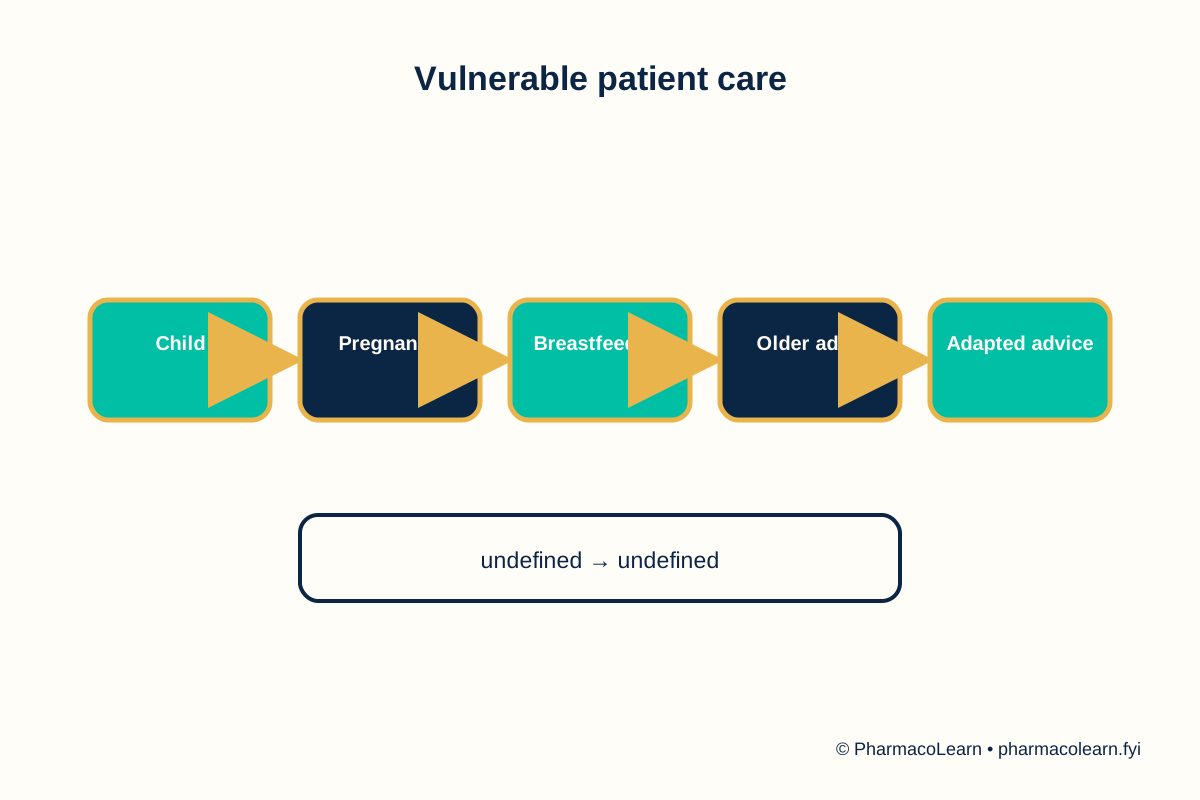
Health education supports informed action rather than simply giving facts. Promotion includes healthy environments, prevention, early recognition and appropriate care. Counseling differs for children, pregnancy, breastfeeding and older adults because physiology, dosing, nutrition and vulnerability differ. Communicable disease education covers transmission, symptoms, prevention and referral for tuberculosis, hepatitis, typhoid, amoebiasis, malaria, leprosy, syphilis, gonorrhea and AIDS.
Clinical workflow
- Establish the patient's request and immediate safety.
- Collect relevant history, medicines, allergies, age and risk factors.
- Identify whether the issue can be managed within community-pharmacy scope.
- Select the safest evidence-informed action or referral.
- Explain the plan using plain language and teach-back.
- Document the encounter and arrange follow-up.
Pharmacist correlation
Balanced diet counseling considers energy, protein, micronutrients, culture and affordability. Family-planning counseling is respectful, confidential and choice based. The pharmacist explains methods and referral boundaries without coercion.
Tips, FAQs and takeaways
- Why ask questions before recommending? Symptoms and requests can conceal contraindications or serious disease.
- Why use teach-back? It tests communication success, not the patient's intelligence.
- What is the main takeaway? Community pharmacy is a clinical service with legal, ethical and communication responsibilities.
References: PharmacoLearn Year 2 syllabus; Pharmacy Council of India, Pharm.D. Regulations 2008; Handbook of Community Pharmacy Practice; Remington, The Science and Practice of Pharmacy; WHO health and medicines guidance.
Unit 11: Minor Ailments
Expanded detail
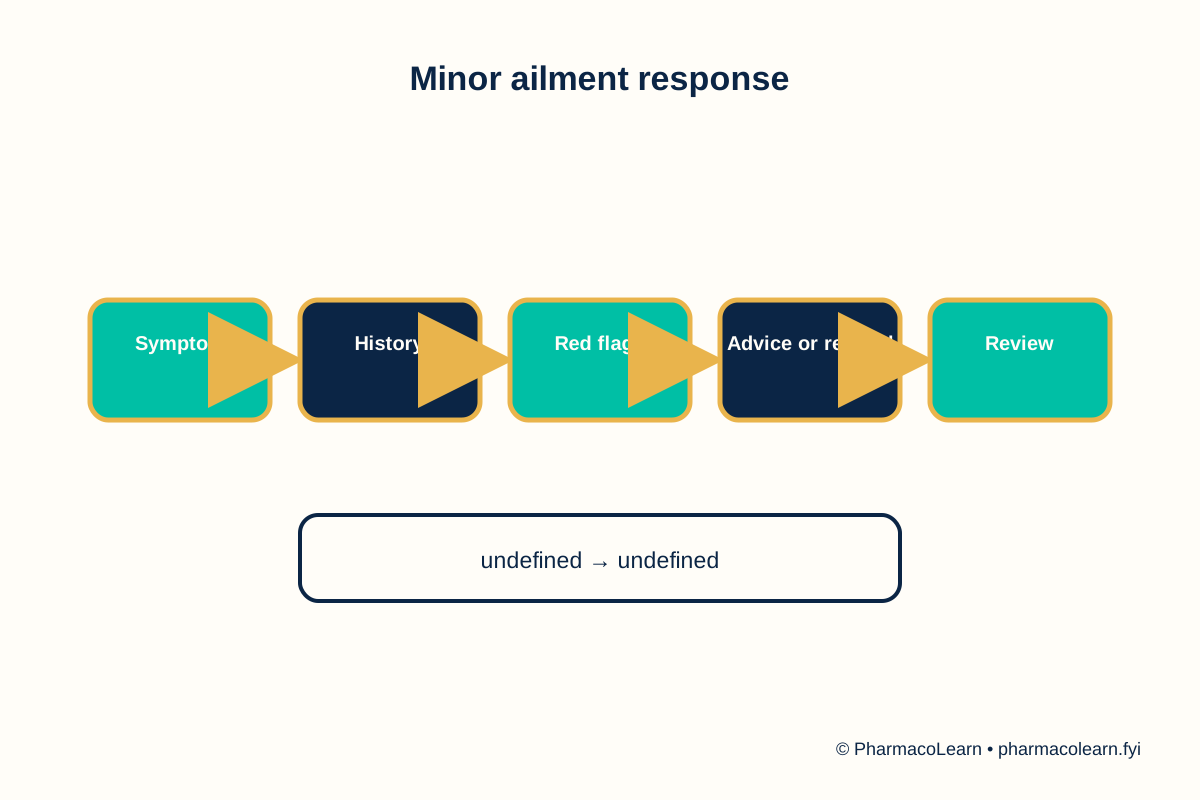
A minor ailment service needs a documented referral threshold. Refer for severe or sudden symptoms, prolonged or recurrent symptoms, dehydration, bleeding, altered consciousness, pregnancy-related concern, significant comorbidity, treatment failure or a suspected adverse drug reaction. Follow-up is part of the service because the initial symptom-based assessment may be incomplete.
Syllabus scope
This unit covers pain, gastrointestinal symptoms, pyrexia, ophthalmic symptoms and worm infestations.
Core theory
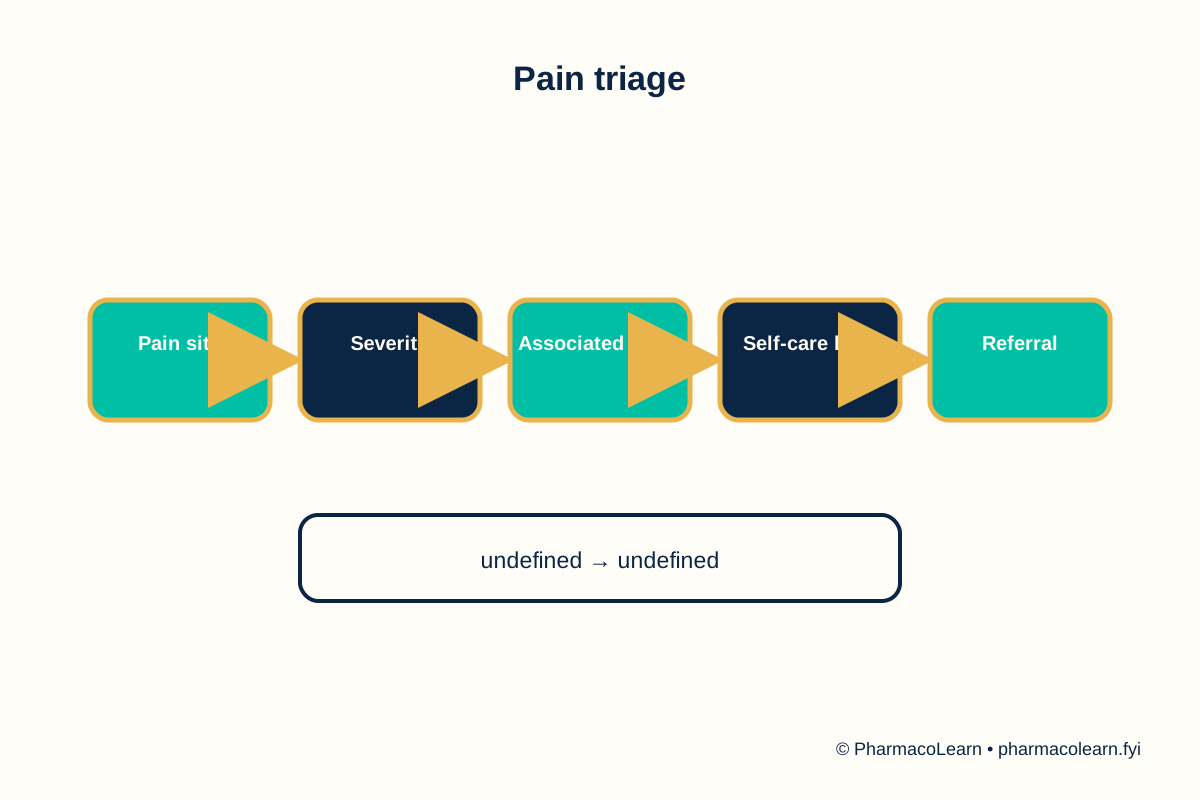
Minor-ailment management begins with triage. The pharmacist identifies duration, severity, triggers, associated symptoms, age, pregnancy, comorbidity and current treatment. Pain needs assessment for site, character, injury, neurologic symptoms and red flags. Nausea, vomiting, dyspepsia, diarrhea and constipation require attention to hydration, blood, fever, severe pain and persistence. Pyrexia may reflect infection or another inflammatory process. Eye symptoms require caution because pain, photophobia, visual loss, trauma or chemical exposure need urgent care. Suspected worm infestation requires appropriate diagnosis and hygiene advice.
Clinical workflow
- Establish the patient's request and immediate safety.
- Collect relevant history, medicines, allergies, age and risk factors.
- Identify whether the issue can be managed within community-pharmacy scope.
- Select the safest evidence-informed action or referral.
- Explain the plan using plain language and teach-back.
- Document the encounter and arrange follow-up.
Pharmacist correlation
The pharmacist recommends only within scope, avoids unnecessary antibiotics and sets a follow-up point.
Tips, FAQs and takeaways
- Why ask questions before recommending? Symptoms and requests can conceal contraindications or serious disease.
- Why use teach-back? It tests communication success, not the patient's intelligence.
- What is the main takeaway? Community pharmacy is a clinical service with legal, ethical and communication responsibilities.
References: PharmacoLearn Year 2 syllabus; Pharmacy Council of India, Pharm.D. Regulations 2008; Handbook of Community Pharmacy Practice; Remington, The Science and Practice of Pharmacy; WHO health and medicines guidance.
Unit 12: Essential Drugs and Rational Drug Therapy
Expanded detail
Essential medicine selection supports continuity and affordability but does not mean every patient receives the same medicine. Individualization considers diagnosis, contraindications, interactions, organ function, pregnancy, adherence, availability and patient preference. Rational therapy also includes stopping unnecessary medicines and avoiding antibiotics when bacterial infection is not established.
Syllabus scope
This unit covers essential medicines concept, rational drug therapy and the pharmacist's role.
Core theory
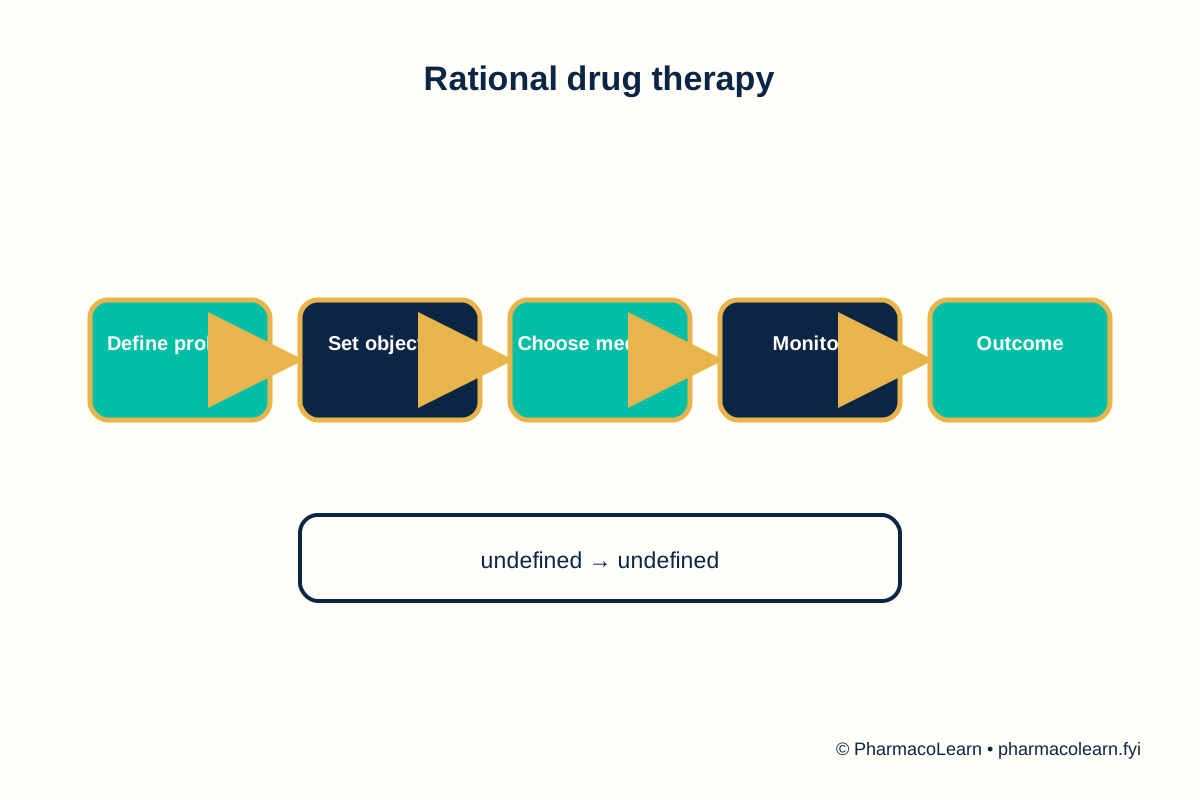
Rational therapy means the patient receives the appropriate medicine for the clinical need, in an individualized dose, for an adequate duration, at the lowest reasonable cost. The process is define the problem, set a therapeutic objective, choose a suitable medicine, prescribe or supply correctly, explain use, monitor response and stop or modify when appropriate. Essential medicine lists prioritize medicines according to population need, efficacy, safety, quality and affordability.
Clinical workflow
- Establish the patient's request and immediate safety.
- Collect relevant history, medicines, allergies, age and risk factors.
- Identify whether the issue can be managed within community-pharmacy scope.
- Select the safest evidence-informed action or referral.
- Explain the plan using plain language and teach-back.
- Document the encounter and arrange follow-up.
Pharmacist correlation
The community pharmacist supports generic quality, adherence, antimicrobial stewardship, avoidance of duplication and referral when the diagnosis or monitoring is outside scope.
Tips, FAQs and takeaways
- Why ask questions before recommending? Symptoms and requests can conceal contraindications or serious disease.
- Why use teach-back? It tests communication success, not the patient's intelligence.
- What is the main takeaway? Community pharmacy is a clinical service with legal, ethical and communication responsibilities.
References: PharmacoLearn Year 2 syllabus; Pharmacy Council of India, Pharm.D. Regulations 2008; Handbook of Community Pharmacy Practice; Remington, The Science and Practice of Pharmacy; WHO health and medicines guidance.
Unit 13: Code of Ethics
Syllabus scope
This unit covers ethical responsibilities of community pharmacists.
Core theory
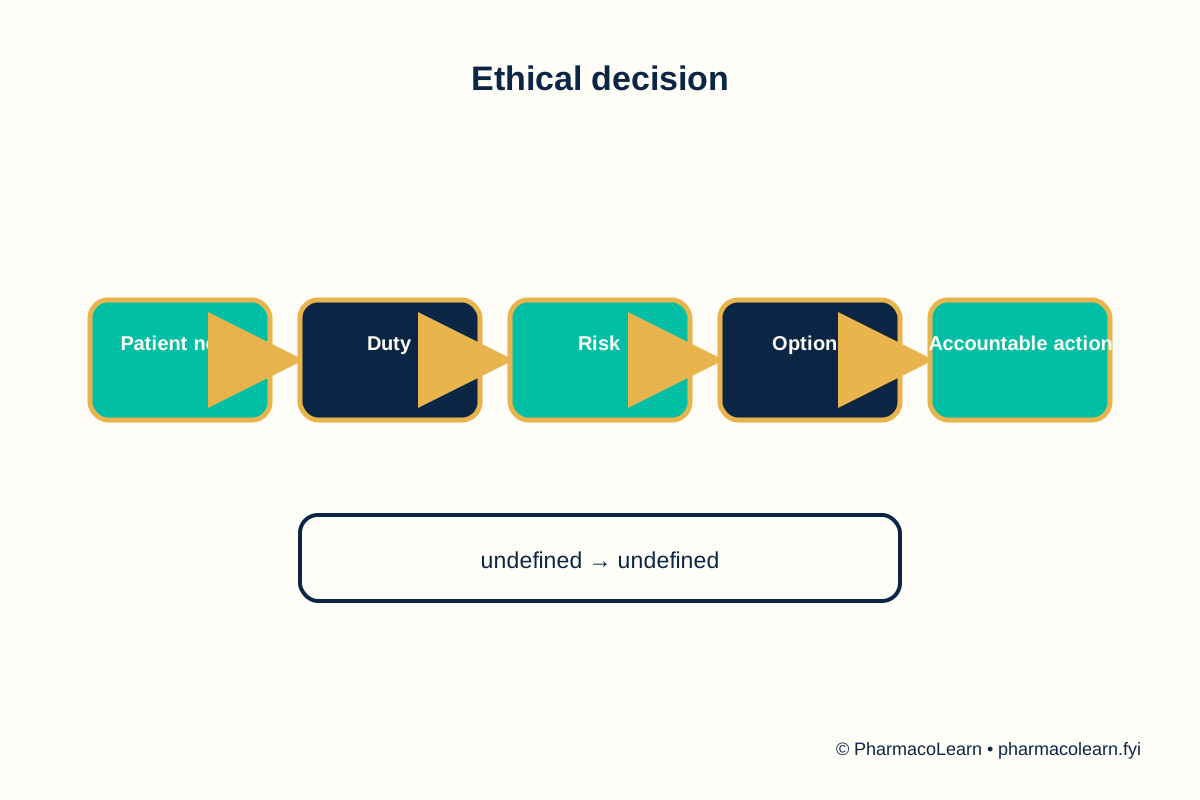
Professional ethics include respect for autonomy, confidentiality, informed communication, non-discrimination, competence, honesty, accountability and prioritization of patient welfare. Commercial pressure must not override safety. Records should be accurate and access controlled. Conflicts of interest should be recognized. The pharmacist works within law, scope and evidence, reports suspected harm and maintains continuing competence.
Clinical workflow
- Establish the patient's request and immediate safety.
- Collect relevant history, medicines, allergies, age and risk factors.
- Identify whether the issue can be managed within community-pharmacy scope.
- Select the safest evidence-informed action or referral.
- Explain the plan using plain language and teach-back.
- Document the encounter and arrange follow-up.
Pharmacist correlation
Ethical reasoning asks who may be affected, what duties apply, what information is missing, what safer alternatives exist and how the decision can be explained. Privacy is protected during counseling, screening and electronic record handling.
Ethics also applies when a patient requests an unsafe supply, a colleague makes an error, a commercial incentive conflicts with care, or a record contains sensitive information. The pharmacist should protect the patient, seek senior or professional guidance when needed, disclose relevant information through appropriate channels and document the decision. Competence includes recognizing the limits of personal knowledge and referring when a question exceeds scope.
Professional accountability is continuous.
Always documented.
Tips, FAQs and takeaways
- Why ask questions before recommending? Symptoms and requests can conceal contraindications or serious disease.
- Why use teach-back? It tests communication success, not the patient's intelligence.
- What is the main takeaway? Community pharmacy is a clinical service with legal, ethical and communication responsibilities.
References: PharmacoLearn Year 2 syllabus; Pharmacy Council of India, Pharm.D. Regulations 2008; Handbook of Community Pharmacy Practice; Remington, The Science and Practice of Pharmacy; WHO health and medicines guidance.
Diagrams
Other Year 2 subjects: Pathophysiology · Pharmaceutical Microbiology · Pharmacognosy and Phytopharmaceuticals · Pharmacology I · Community Pharmacy · Pharmacotherapeutics I · Year 2 · Pharm D