
Pharmacotherapeutics I — Pharm D Year 2
Notes for Pharmacotherapeutics I, Pharm D Year 2, organised unit by unit following the PCI Pharm D syllabus. 5 units, 20 diagrams.
Syllabus: Pharm D Year 2 syllabus
Practicals: Pharmacotherapeutics I practicals
Units in this subject
- Unit 1: Cardiovascular Pharmacotherapy
- Unit 2: Respiratory and Endocrine Pharmacotherapy
- Unit 3: Prescribing in Special Populations
- Unit 4: Ophthalmic Pharmacotherapy
- Unit 5: Rational Drug Use
Unit 1: Cardiovascular Pharmacotherapy
Syllabus scope
This unit covers hypertension, congestive cardiac failure, angina pectoris, myocardial infarction, hyperlipidaemias, cardiac electrophysiology and arrhythmias.
Core theory
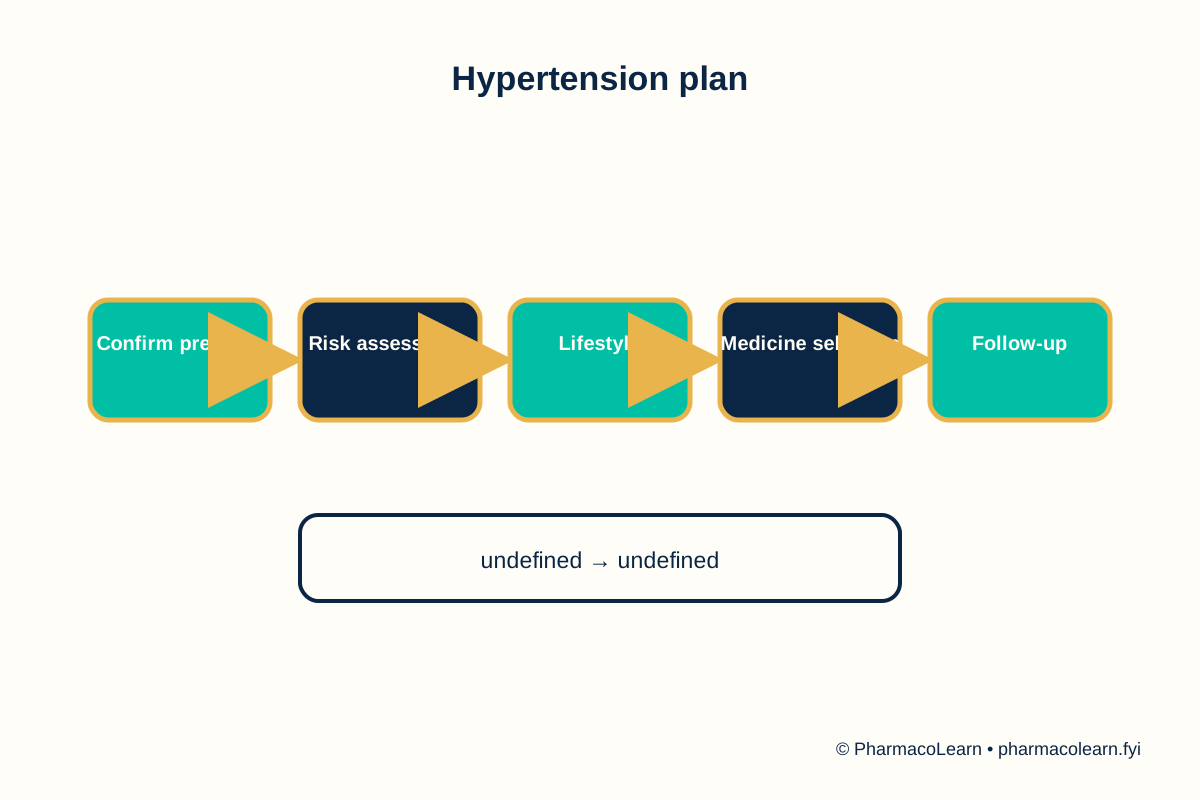
Cardiovascular care begins with diagnosis, severity, risk assessment, comorbidities, medicines, adherence and patient goals. Hypertension is sustained elevation of arterial pressure caused by interacting vascular, renal, neurohormonal and environmental factors. Treatment planning includes accurate measurement, lifestyle measures, assessment for secondary causes when appropriate, and medicines selected according to cardiovascular risk and comorbidity. Monitoring includes home or ambulatory readings, symptoms, renal function, electrolytes and adherence.
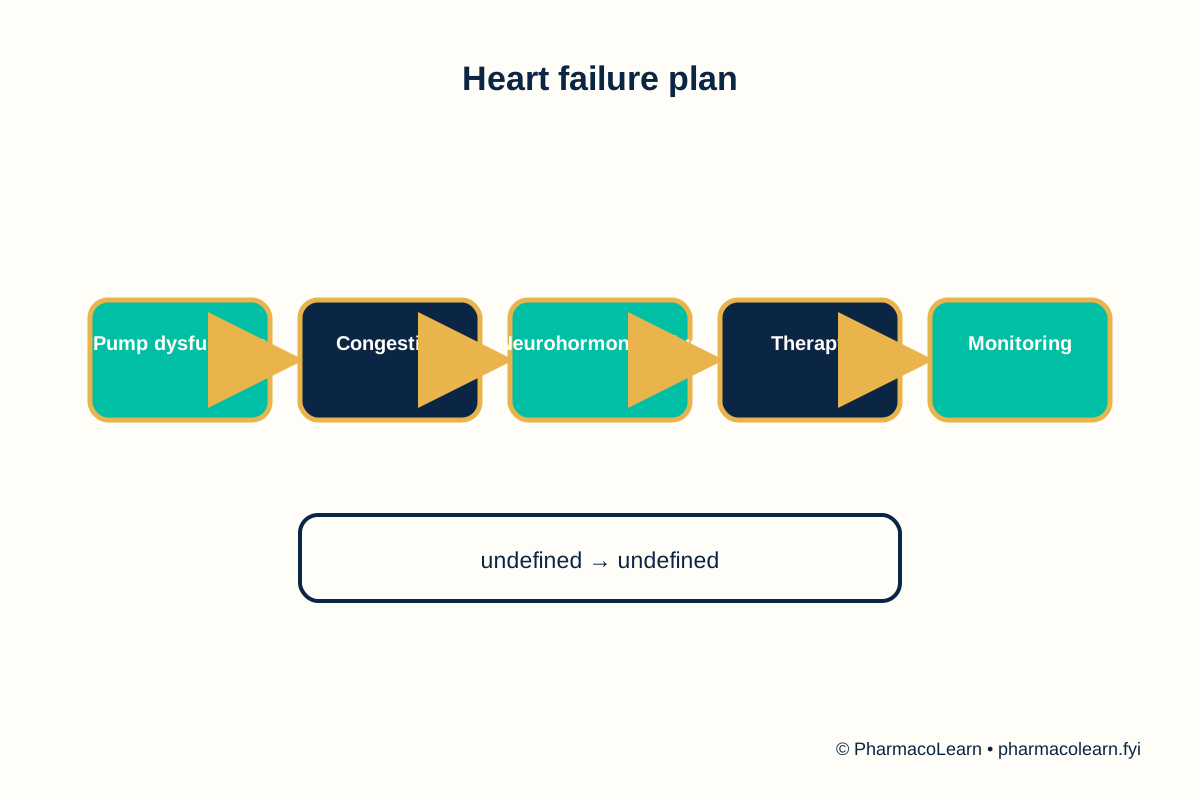
Congestive heart failure involves impaired contraction, filling or both. Reduced output activates sympathetic and renin-angiotensin-aldosterone pathways, causing vasoconstriction, sodium retention, remodeling and congestion. A therapeutic plan separates congestion relief from disease-modifying therapy and considers ejection fraction, kidney function, potassium, blood pressure, rhythm, weight and symptom trajectory. The patient should understand daily monitoring and urgent signs such as severe breathlessness, syncope or rapidly worsening edema.
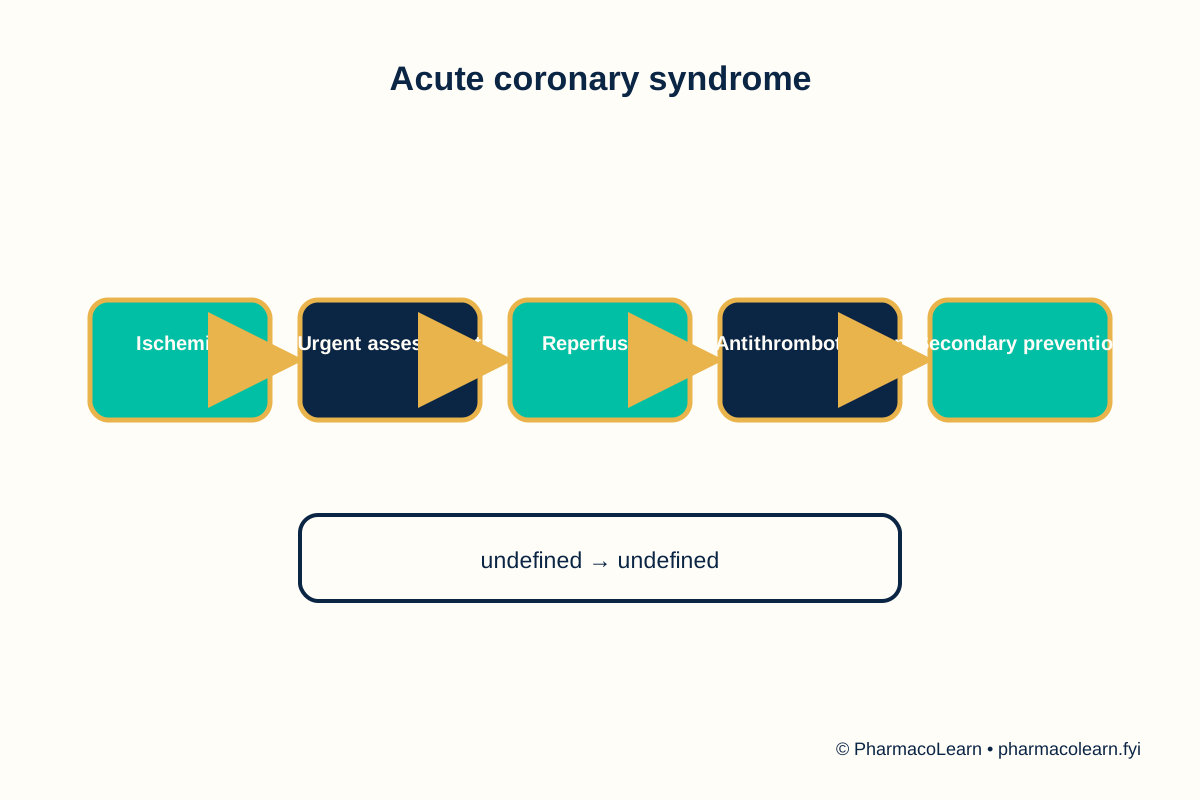
Angina is myocardial ischemia without or with infarction depending on duration and injury. Therapy reduces oxygen demand, improves supply, prevents thrombosis and treats risk factors. Myocardial infarction requires urgent reperfusion assessment, antithrombotic strategy, symptom control, secondary prevention and monitoring for arrhythmia, pump failure and reinfarction. Exact treatment follows current emergency and cardiology guidance.
Hyperlipidaemia contributes to atherosclerotic plaque formation through lipoprotein retention, modification, inflammation and thrombosis after plaque disruption. Treatment is risk based and includes lifestyle, lipid-lowering medicines when indicated, adherence assessment and response monitoring.
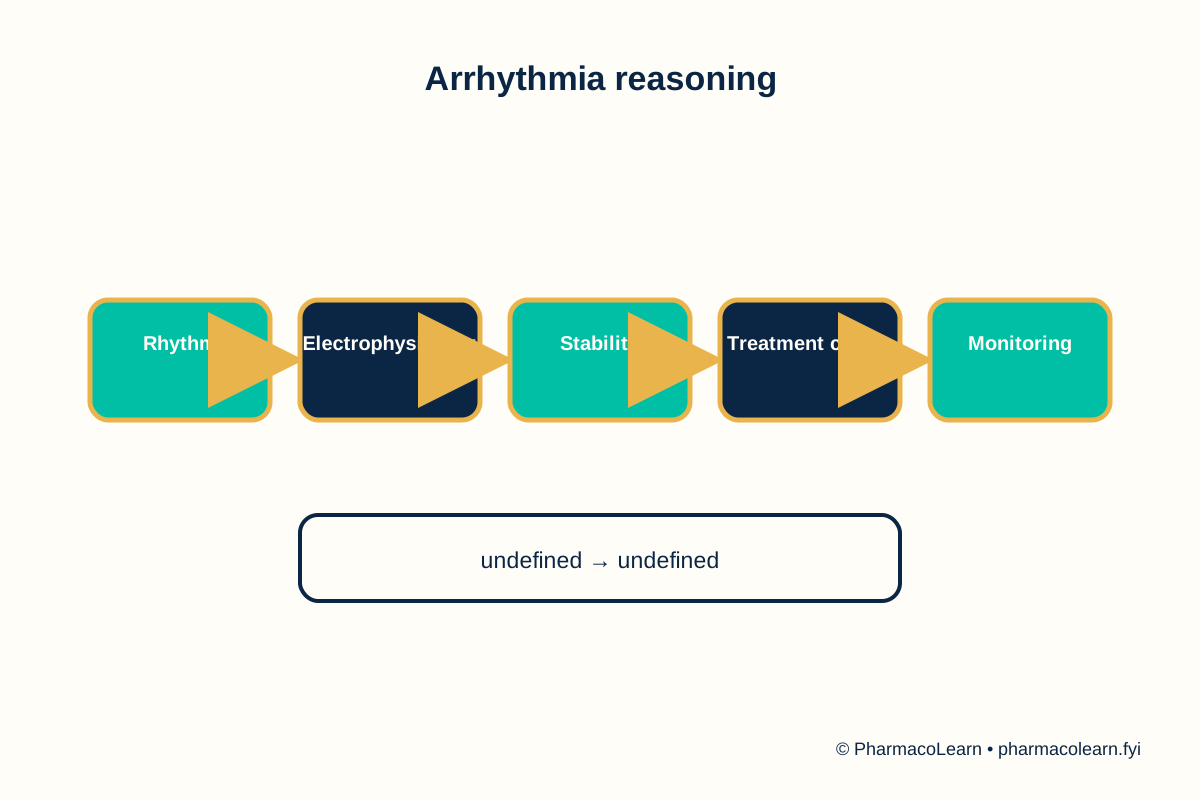
Arrhythmias arise from abnormal automaticity, triggered activity or re-entry. Electrophysiologic assessment considers rate, rhythm, conduction, repolarization, structural disease and hemodynamic stability. The pharmacist checks ECG-related risks, electrolyte abnormalities, interactions and symptoms. Do not treat an irregular pulse without a confirmed clinical assessment.
Patient-specific planning includes indication, expected outcome, contraindications, organ function, pregnancy, drug interactions, affordability, technique and follow-up. A medicine list is not a therapeutic plan unless the goal and monitoring are clear.
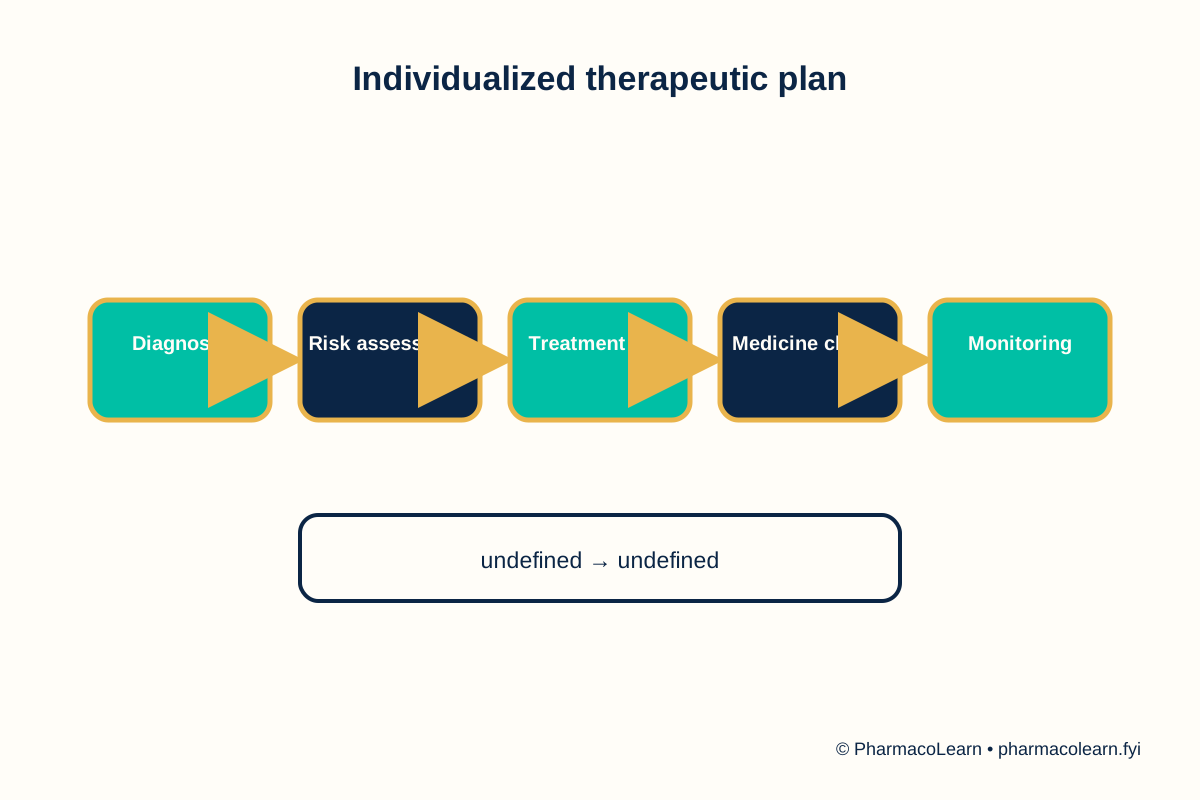
Individualized therapeutic plan
- Confirm the diagnosis, severity and treatment urgency.
- Identify patient-specific risks, comorbidities, medicines, allergies and organ function.
- Define the clinical goal and the time frame for benefit.
- Select pharmacologic and nonpharmacologic options using current guidance.
- Explain administration, adherence, precautions and expected response.
- Define monitoring, follow-up, alternatives and referral triggers.
Pharmacist focus
Therapeutics is not a list of medicines. It is a monitored plan that connects pathophysiology, evidence, patient values, safety and outcome. Exact doses, targets, contraindications and treatment sequences must be checked against current local guidance and approved product information before clinical publication.
Tips, FAQs and takeaways
- Why individualize therapy? The same diagnosis can have different risks, causes, goals and treatment responses.
- Why monitor after prescribing? Efficacy and harm change over time, and the initial plan may need adjustment.
- What is the main takeaway? Diagnose carefully, treat rationally, monitor deliberately and refer early when danger signs appear.
References: PharmacoLearn Year 2 syllabus; Pharmacy Council of India, Pharm.D. Regulations 2008; Goodman and Gilman's The Pharmacological Basis of Therapeutics; DiPiro's Pharmacotherapy; current applicable clinical guidelines.
Expanded clinical reasoning
The cardiovascular plan is dynamic. Confirm whether the patient is stable before discussing long-term medicines. In a patient with high pressure, repeat the measurement correctly, review adherence and contributing medicines, and assess symptoms that suggest acute organ injury. In heart failure, distinguish chronic congestion from sudden deterioration, ask about weight and breathlessness, and review renal function and electrolytes after changes. In ischemic disease, distinguish stable exertional symptoms from pain at rest, progressive symptoms or associated sweating, syncope and breathlessness, which require urgent assessment.
For myocardial infarction, secondary prevention is a coordinated plan including antithrombotic therapy where indicated, lipid management, blood pressure control, smoking cessation, rehabilitation, diabetes care and adherence. The pharmacist checks duplication, bleeding risk and transition from hospital to community. Arrhythmia care requires rhythm confirmation because treatment for one rhythm can worsen another. Palpitations with fainting, chest pain or hemodynamic instability are emergencies.
Use teach-back for tablets, devices, home measurements and warning signs. Do not invent a dose or target from memory. Exact choices depend on current guidelines, diagnosis, renal function, pregnancy status and the prescriber's plan.
Monitoring checklist
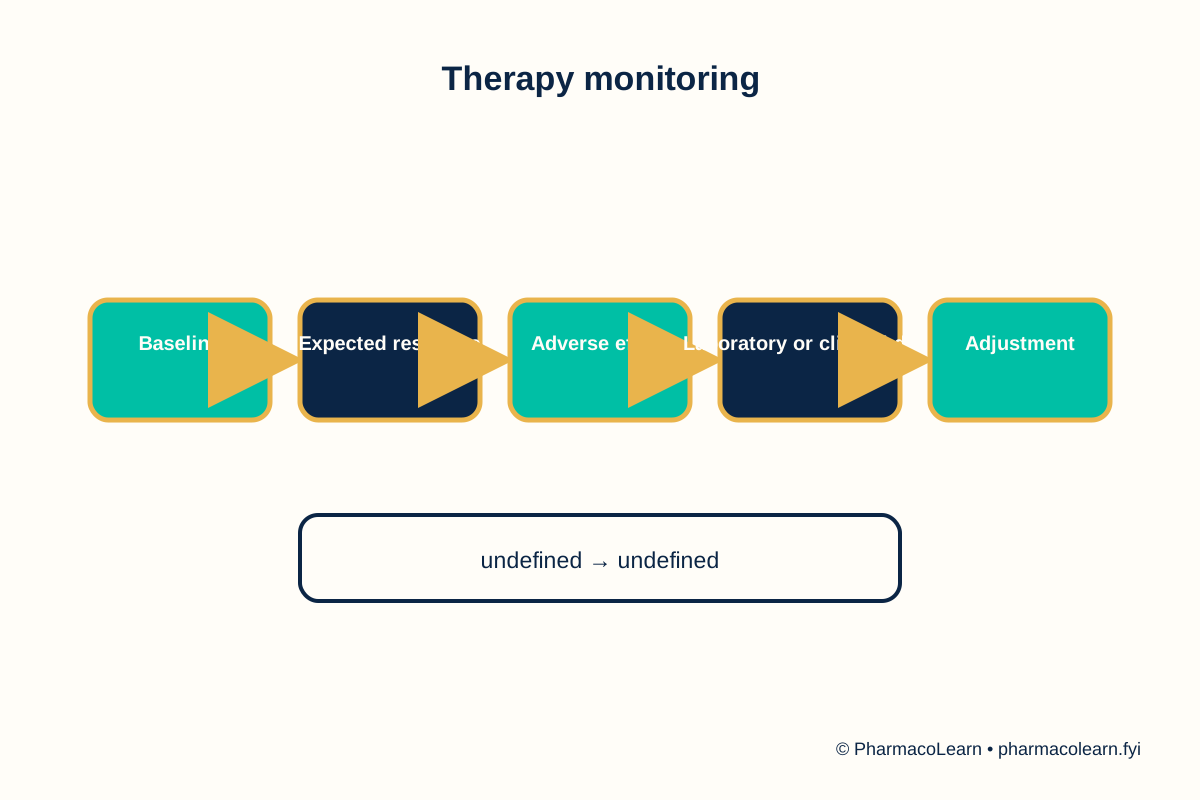
Monitor the variables that reflect both benefit and harm: symptoms, functional capacity, blood pressure, pulse, weight, edema, renal function, electrolytes, glucose, lipids and relevant ECG findings. The exact schedule depends on the treatment and current guidance. Review adherence without judgment. If a patient reports dizziness, falls, bleeding, muscle symptoms, worsening breathlessness or fainting, assess severity and refer when appropriate. Cardiovascular pharmacotherapy is successful only when the patient remains safe and the clinical goal is achieved.
Patient education
Explain the purpose of each cardiovascular medicine, how to take it, what to monitor and which symptoms matter. Teach home blood-pressure technique when used, including rest, posture, cuff placement and repeated readings. For heart failure, connect weight change, swelling, breathlessness and medicine adherence. For antithrombotic treatment, discuss bleeding precautions and urgent signs. Avoid abrupt discontinuation of medicines where rebound or ischemic risk is possible, and direct changes through the treating clinician.
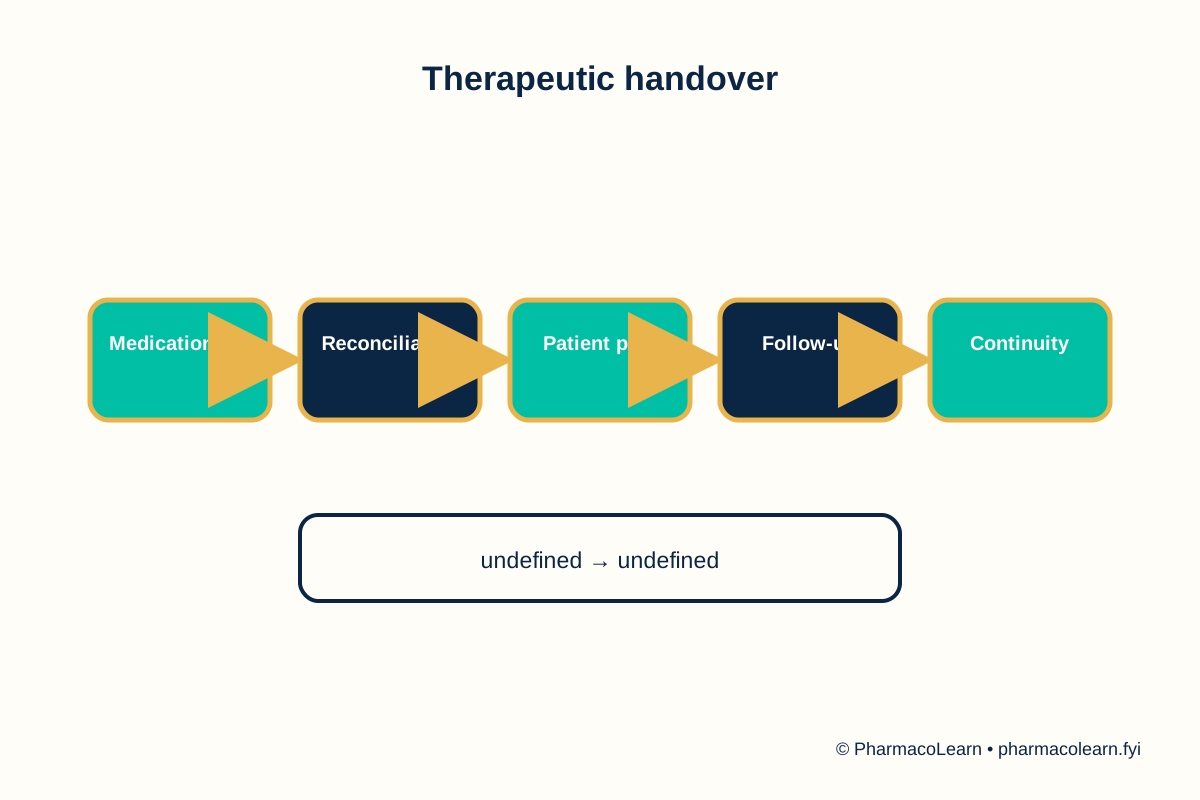
Transition of care is a high-risk moment. Compare the hospital list with the community list, confirm intended changes, remove unintended duplication and give the patient a written plan. Check that follow-up tests and appointments are understood. Medication reconciliation is part of cardiovascular treatment, not an administrative afterthought.
Follow up after changes.
Safely.
Unit 2: Respiratory and Endocrine Pharmacotherapy
Syllabus scope
This unit covers pulmonary function testing, asthma, chronic obstructive airway disease, drug-induced pulmonary disease, diabetes, thyroid disease, oral contraceptives, hormone replacement and osteoporosis.
Core theory
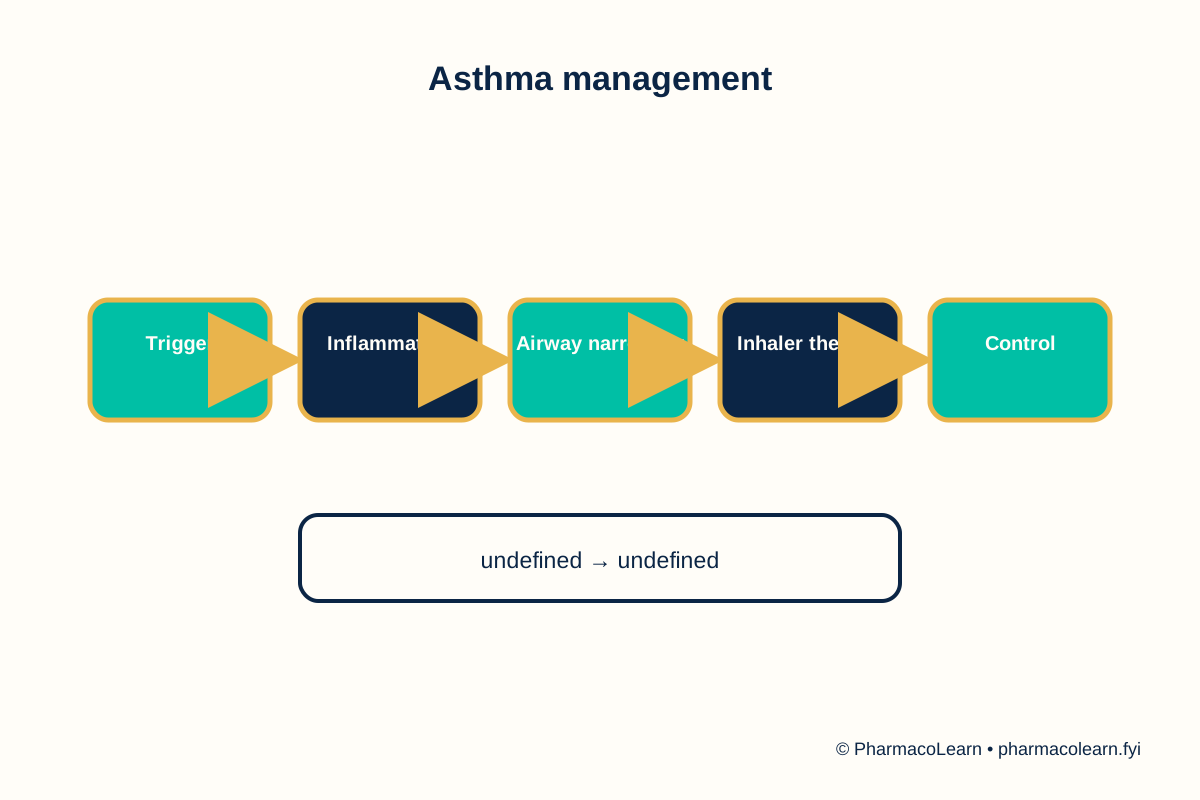
Pulmonary treatment begins by distinguishing variable airway narrowing, persistent airflow limitation, infection, upper-airway disease, cardiac breathlessness and drug-induced injury. Pulmonary function tests help describe obstruction, restriction, reversibility and severity, but quality and clinical context matter. Asthma involves airway inflammation, hyperresponsiveness and variable narrowing. Treatment aims at symptom control, prevention of exacerbations, trigger management, correct inhaler technique and a written action plan. Frequent reliever use or night symptoms indicate review rather than repeated unsupervised escalation.
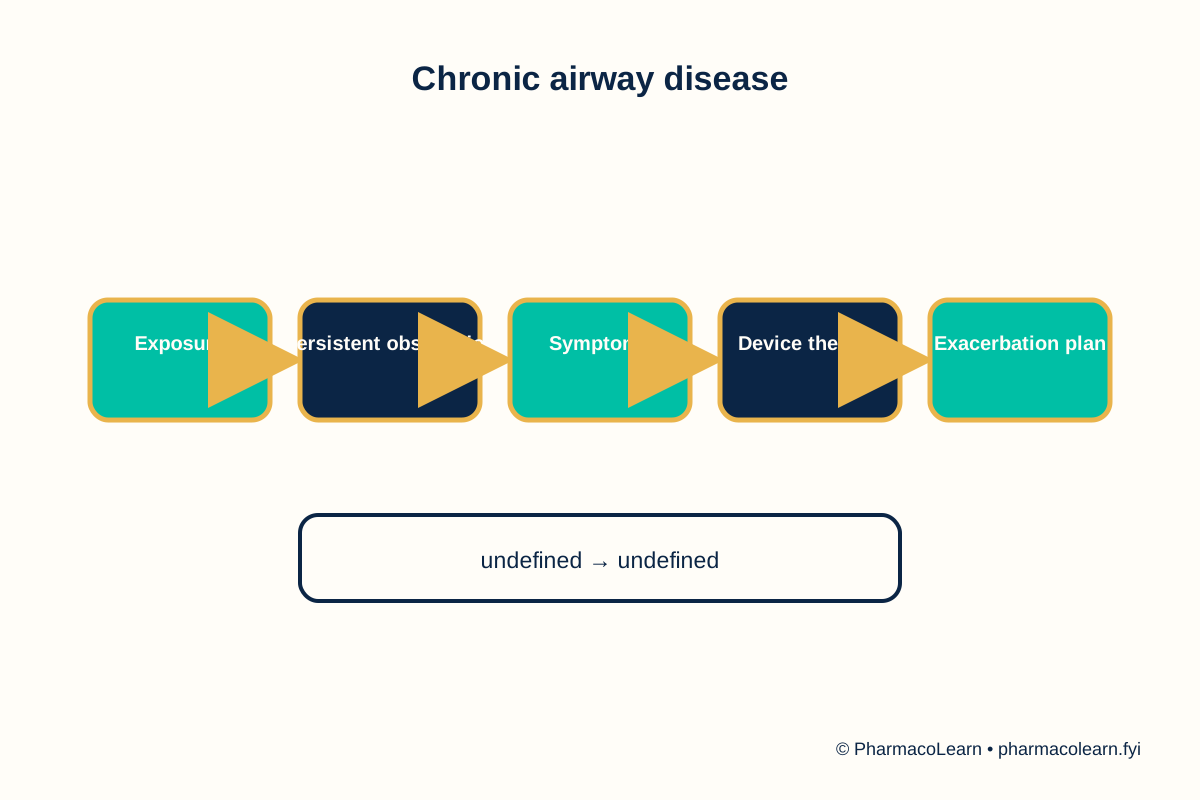
Chronic obstructive airway disease involves persistent airflow limitation and structural change, commonly with exposure-related injury. Management combines smoking cessation, vaccination and inhaled therapy selected for symptoms and exacerbation pattern. The pharmacist checks device technique, inspiratory ability, adherence and oral adverse effects. Drug-induced pulmonary disease requires recognition of timing, imaging or function changes and urgent clinical review when suspected.
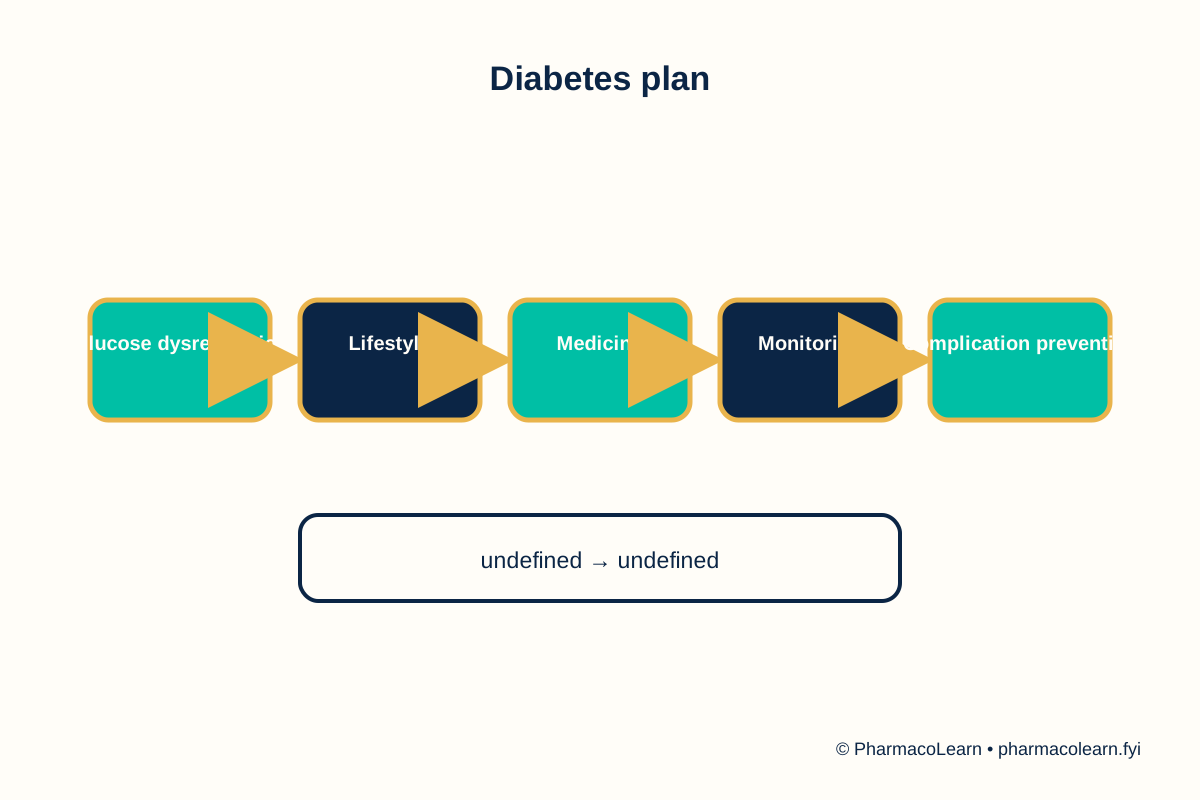
Diabetes is chronic dysregulation of glucose caused by impaired insulin secretion, insulin action or both. Treatment goals are individualized. Plans include nutrition, physical activity, glucose-lowering medicines, self-monitoring when indicated, foot and eye care, renal risk reduction and recognition of hypoglycemia. The pharmacist connects medicine timing, meals, activity, illness and monitoring.
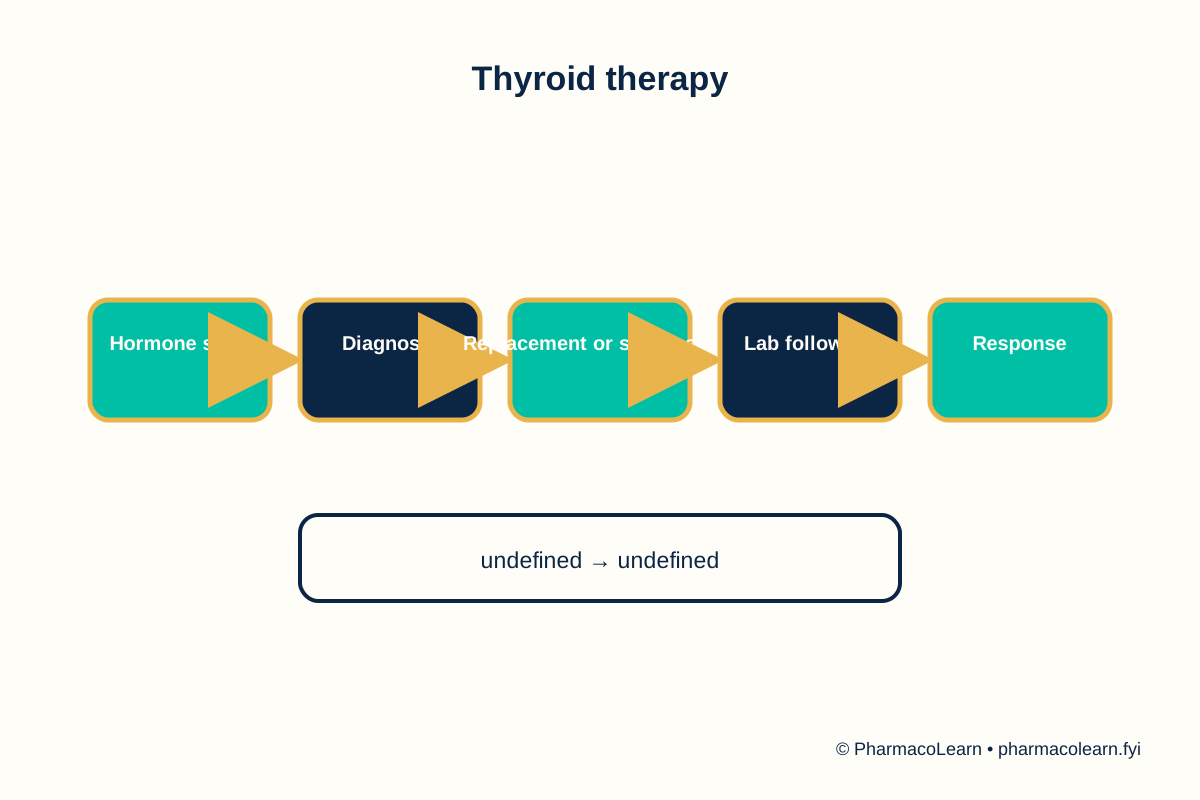
Thyroid disease requires distinction between hormone excess, deficiency, gland inflammation and nodular disease. Treatment response is assessed with symptoms and appropriate laboratory testing. Oral contraceptives require adherence counseling, interaction review and assessment of thrombotic or other contraindications. Hormone replacement is individualized and reviewed over time.
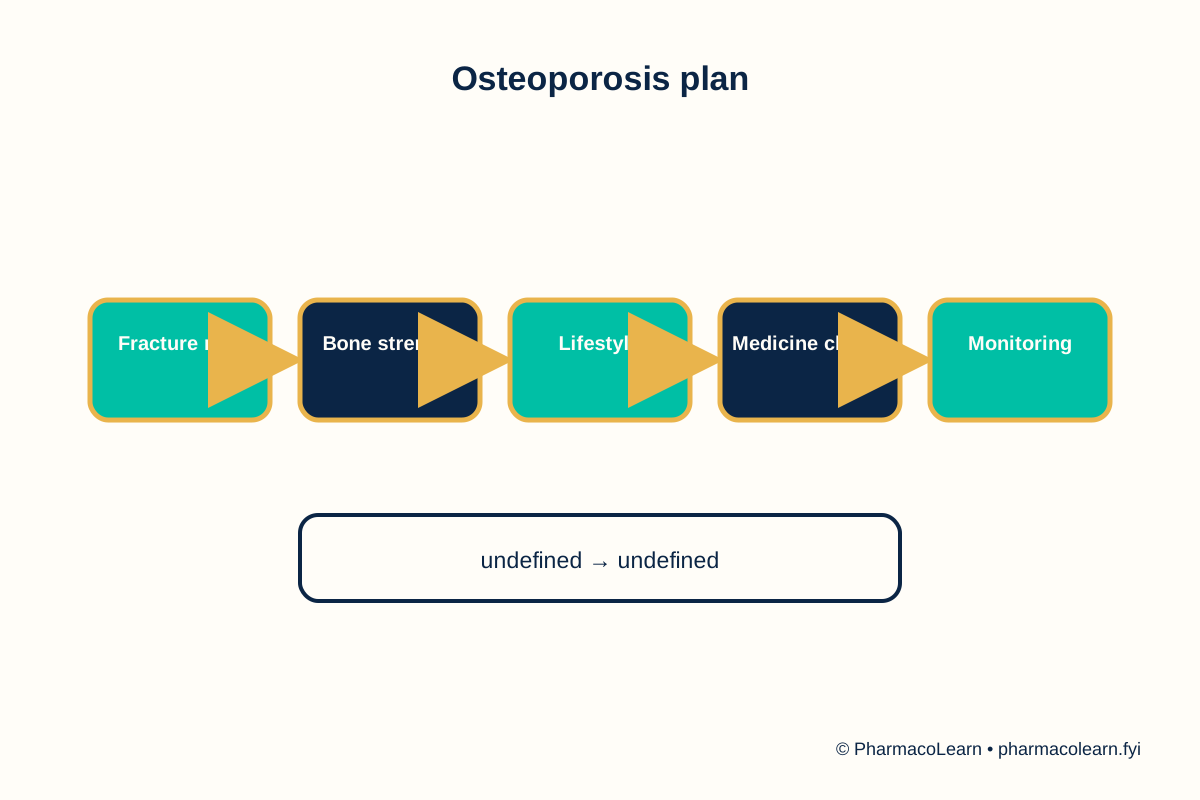
Osteoporosis results from reduced bone strength and increased fracture risk. Planning includes fracture history, risk factors, calcium and vitamin D adequacy, exercise, fall prevention, dental or renal considerations and medicine-specific monitoring. Avoid presenting supplements as a substitute for risk assessment.
For all endocrine and respiratory conditions, the pharmacist identifies deterioration, checks technique and documents follow-up. Current guideline targets and approved product information govern exact regimens.
Individualized therapeutic plan
- Confirm the diagnosis, severity and treatment urgency.
- Identify patient-specific risks, comorbidities, medicines, allergies and organ function.
- Define the clinical goal and the time frame for benefit.
- Select pharmacologic and nonpharmacologic options using current guidance.
- Explain administration, adherence, precautions and expected response.
- Define monitoring, follow-up, alternatives and referral triggers.
Pharmacist focus
Therapeutics is not a list of medicines. It is a monitored plan that connects pathophysiology, evidence, patient values, safety and outcome. Exact doses, targets, contraindications and treatment sequences must be checked against current local guidance and approved product information before clinical publication.
Tips, FAQs and takeaways
- Why individualize therapy? The same diagnosis can have different risks, causes, goals and treatment responses.
- Why monitor after prescribing? Efficacy and harm change over time, and the initial plan may need adjustment.
- What is the main takeaway? Diagnose carefully, treat rationally, monitor deliberately and refer early when danger signs appear.
References: PharmacoLearn Year 2 syllabus; Pharmacy Council of India, Pharm.D. Regulations 2008; Goodman and Gilman's The Pharmacological Basis of Therapeutics; DiPiro's Pharmacotherapy; current applicable clinical guidelines.
Expanded clinical reasoning
Respiratory assessment should connect symptom pattern with physiology. Variable symptoms, triggers and reversibility support an asthma pattern, while persistent limitation and exposure history suggest chronic obstructive disease, but both require clinical evaluation. The pharmacist checks inhaler preparation, inspiratory flow, coordination, spacer use, mouth rinsing where relevant and refill behavior. A written action plan should identify worsening symptoms and the point at which urgent help is needed.
For diabetes, the therapeutic plan includes prevention of acute and chronic complications. The pharmacist reviews hypoglycemia risk, sick-day education, meals, activity, monitoring technique, foot care and renal screening. A low glucose result is interpreted with symptoms, timing, medicine exposure and the treatment response. Thyroid treatment requires attention to timing, absorption interactions, adherence and the interval before laboratory reassessment.
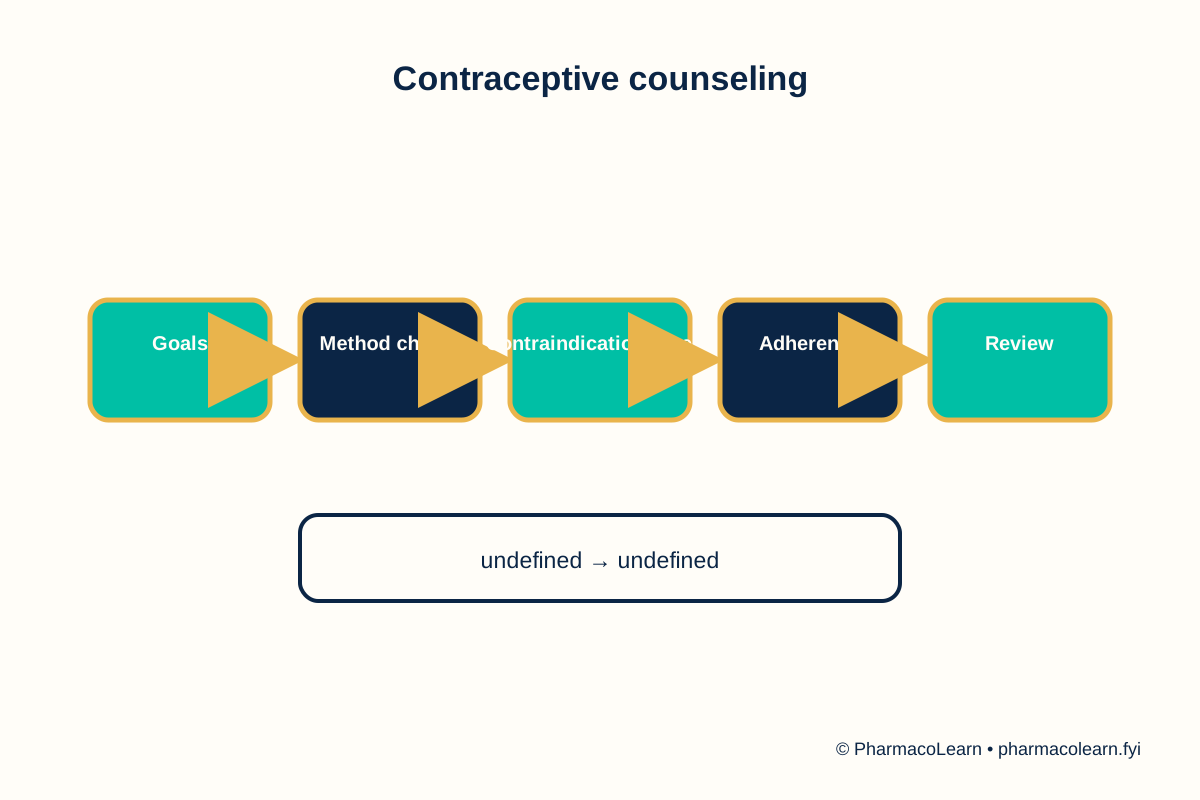
Contraceptive counseling is confidential and nonjudgmental. Review missed doses, vomiting, interacting medicines, thrombotic symptoms and the need for sexually transmitted infection prevention. Osteoporosis care combines fracture-risk assessment, exercise, fall prevention, nutrition and medicine-specific monitoring. Supplement use should be safe and indication based.
Monitoring checklist
Respiratory monitoring includes symptoms, rescue use, sleep, activity, exacerbations, technique and oxygenation when clinically indicated. Endocrine monitoring includes laboratory trends, symptoms, weight, hypoglycemia, blood pressure, renal function and bone or eye health as relevant. A result should be interpreted with timing, adherence and acute illness. The pharmacist documents the trend and communicates deterioration promptly.
Patient education
Demonstrate inhaler use and ask for return demonstration. Explain the difference between regular controller therapy and rescue treatment. For diabetes, align medicine use with meals and activity, carry an appropriate source of rapid carbohydrate when advised, and recognize hypoglycemia. Thyroid and osteoporosis therapies often depend on timing, adherence and follow-up. Contraceptive counseling should include what to do after missed doses according to the current product instructions and when to seek care.
Respiratory and endocrine plans should include an illness or missed-dose plan where appropriate. The patient should know whom to contact before making major changes, because abrupt interruption or double dosing can be harmful.
Review the plan after major clinical change.
Always review.
Unit 3: Prescribing in Special Populations
Syllabus scope
This unit covers general prescribing guidelines for paediatric patients, geriatric patients, pregnancy and breastfeeding.
Core theory
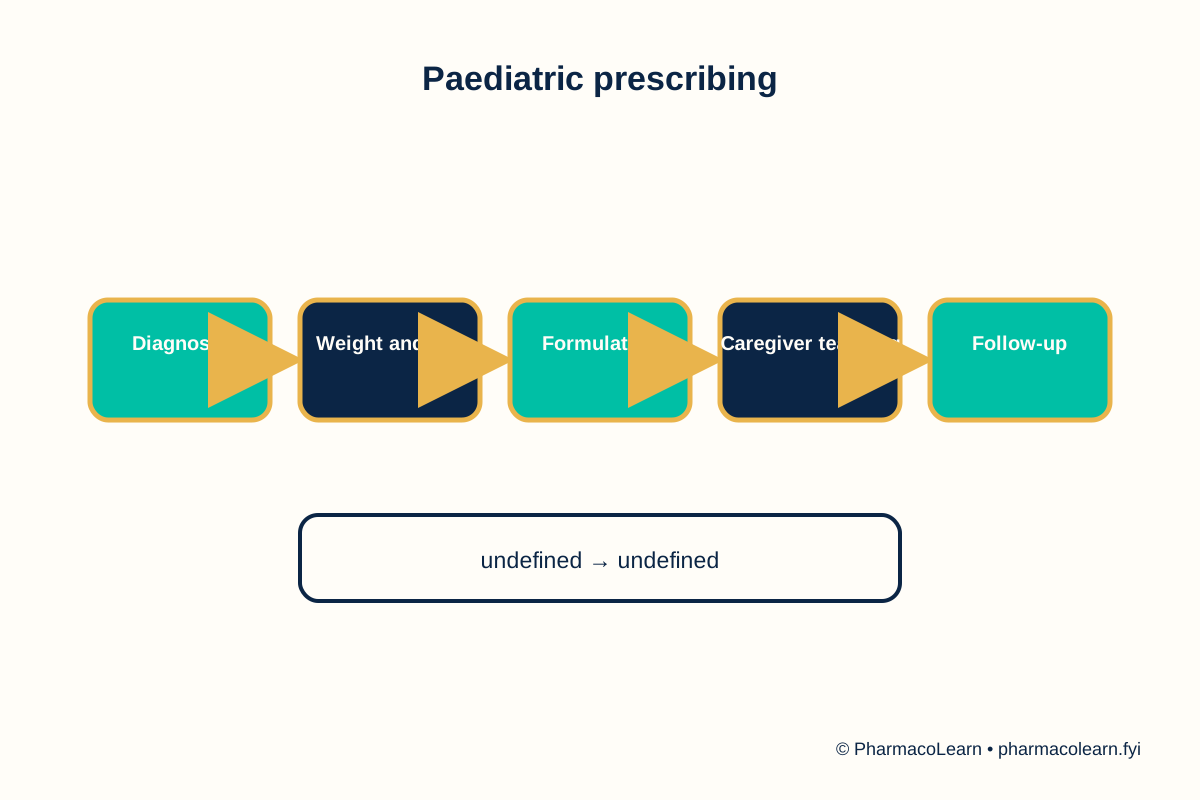
Special-population prescribing requires a different risk calculation because pharmacokinetics, pharmacodynamics, organ function, body composition, developmental stage and vulnerability change. In children, dose selection may depend on weight, body surface area, age, formulation and organ maturity. Errors arise from concentration confusion, decimal placement, inappropriate measuring devices and adult formulations. The pharmacist verifies weight, indication, strength, volume, duration, caregiver understanding and a suitable device.
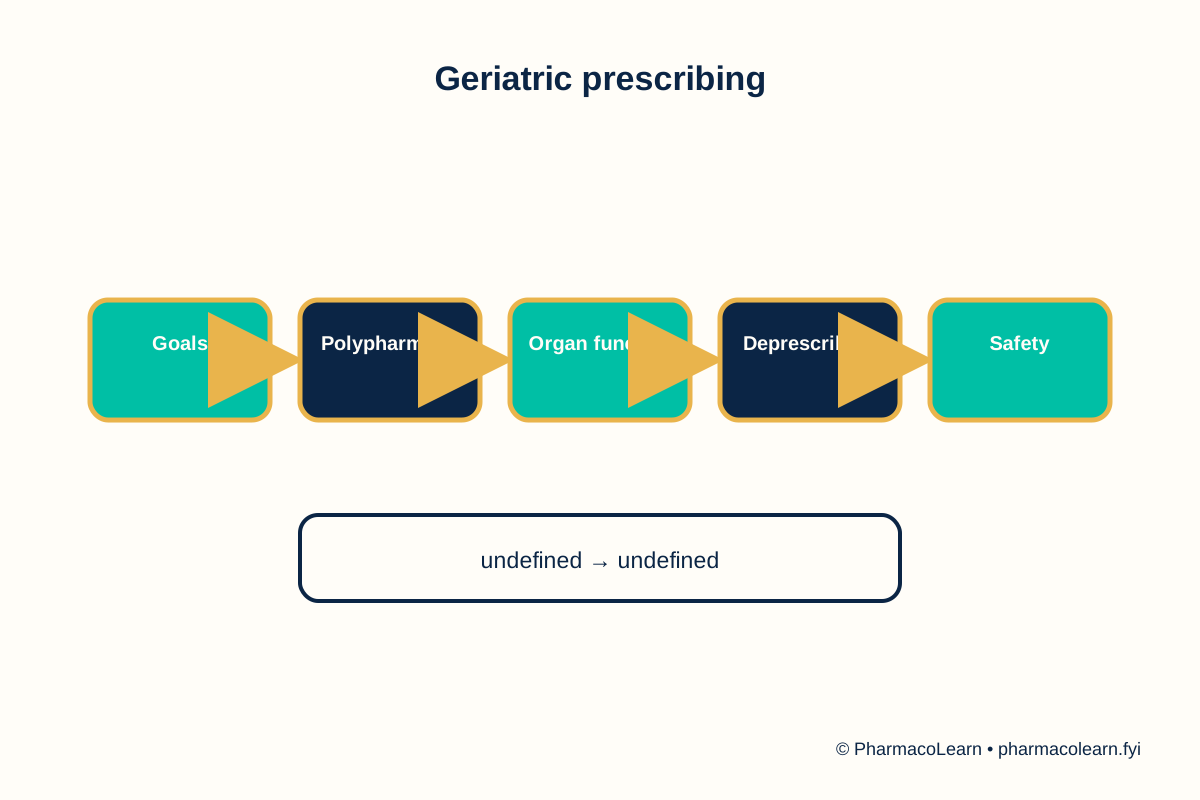
Older adults may have reduced renal and hepatic clearance, altered body water and fat, lower albumin, frailty, cognitive impairment and increased sensitivity to hypotension or sedation. Polypharmacy raises the risk of interactions, falls, anticholinergic burden, bleeding and adherence difficulty. Deprescribing is a structured clinical process, not abrupt stopping without a plan. Review indication, benefit, harm, time to benefit, goals and withdrawal risk.
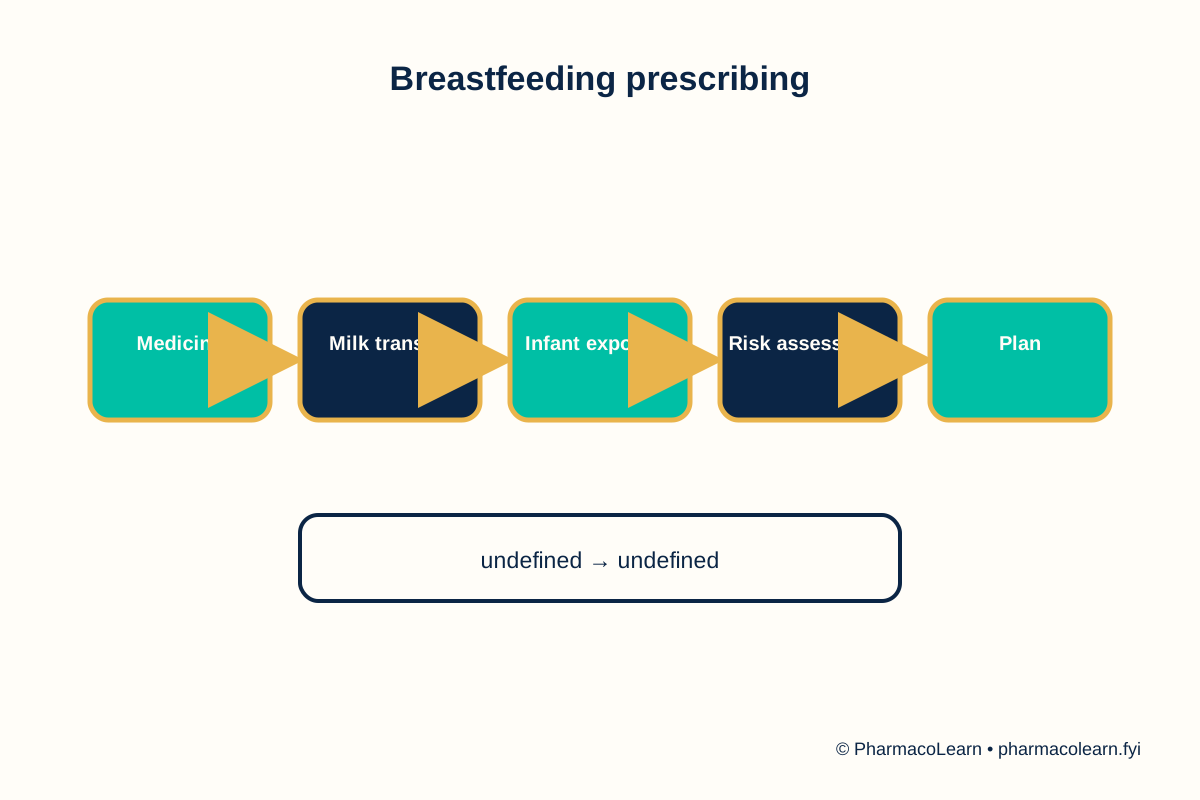
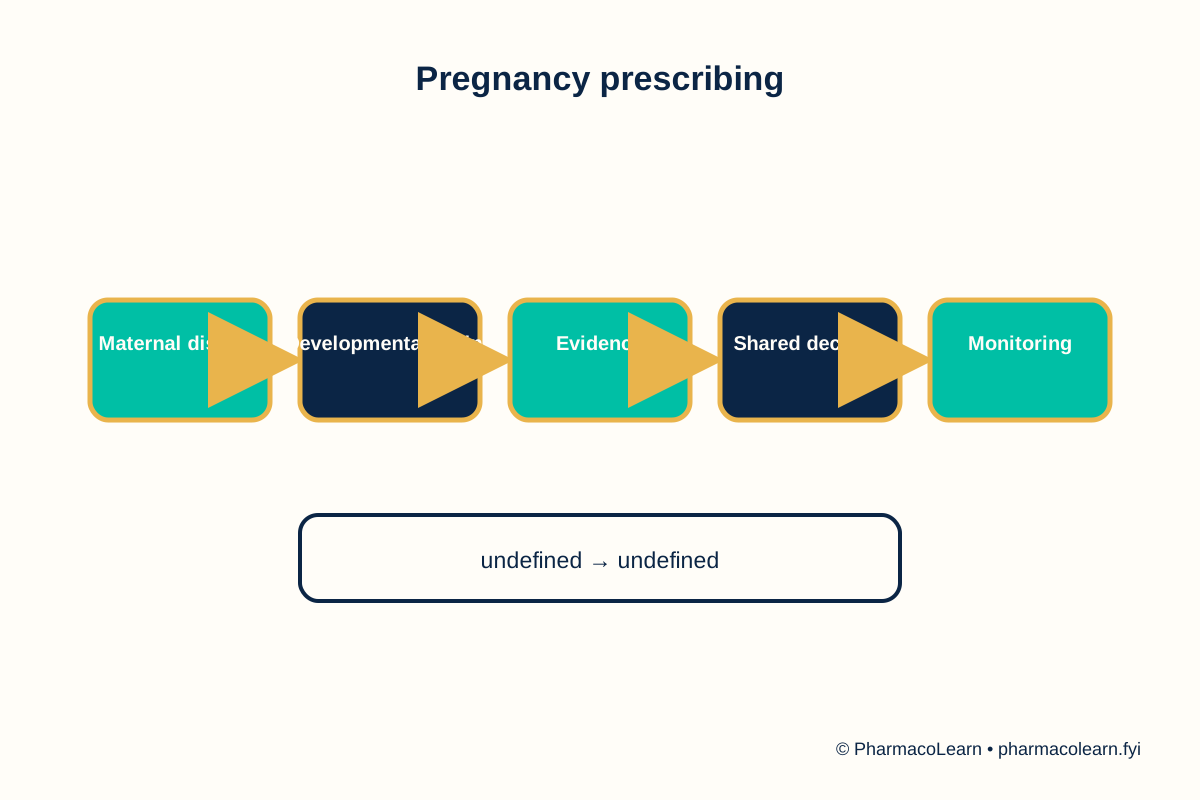
Pregnancy requires consideration of maternal disease, placental transfer, developmental timing, fetal risk and the risk of untreated illness. A medicine should not be stopped automatically, because uncontrolled disease may harm both patient and fetus. Use current evidence and specialist guidance. Breastfeeding decisions consider milk transfer, infant exposure, oral absorption, infant age, prematurity and medicine half-life.
General steps are: confirm diagnosis and urgency, define the treatment objective, use the best current evidence, choose the simplest effective regimen, adjust for organ function, counsel clearly, monitor mother or child, and document uncertainty. Shared decision making is especially important when evidence is limited.
The pharmacist checks nonprescription medicines, supplements, topical products and vaccines where relevant. Red flags include dehydration, poor feeding, respiratory distress, altered consciousness, reduced urine output, severe bleeding, fetal concern and acute medication error.
Do not use a general statement such as safe in pregnancy without considering dose, timing, route and evidence quality. Mark uncertain areas for clinical verification and refer when specialist assessment is needed.
Individualized therapeutic plan
- Confirm the diagnosis, severity and treatment urgency.
- Identify patient-specific risks, comorbidities, medicines, allergies and organ function.
- Define the clinical goal and the time frame for benefit.
- Select pharmacologic and nonpharmacologic options using current guidance.
- Explain administration, adherence, precautions and expected response.
- Define monitoring, follow-up, alternatives and referral triggers.
Pharmacist focus
Therapeutics is not a list of medicines. It is a monitored plan that connects pathophysiology, evidence, patient values, safety and outcome. Exact doses, targets, contraindications and treatment sequences must be checked against current local guidance and approved product information before clinical publication.
Tips, FAQs and takeaways
- Why individualize therapy? The same diagnosis can have different risks, causes, goals and treatment responses.
- Why monitor after prescribing? Efficacy and harm change over time, and the initial plan may need adjustment.
- What is the main takeaway? Diagnose carefully, treat rationally, monitor deliberately and refer early when danger signs appear.
References: PharmacoLearn Year 2 syllabus; Pharmacy Council of India, Pharm.D. Regulations 2008; Goodman and Gilman's The Pharmacological Basis of Therapeutics; DiPiro's Pharmacotherapy; current applicable clinical guidelines.
Expanded clinical reasoning
A child is not a small adult. Development changes absorption, distribution, metabolism and excretion, while formulation and caregiver technique strongly influence exposure. Use a verified weight, a calibrated device and a clear concentration. Confirm the caregiver's understanding by demonstration. A geriatric plan starts with goals and function, then reviews every medicine for indication, benefit, harm, interaction and withdrawal risk. Simplification and deprescribing may improve safety.
Pregnancy decisions compare the risk of exposure with the risk of untreated disease at a particular developmental stage. Use current evidence and involve the relevant clinician when stakes are high. Breastfeeding advice considers milk concentration, infant absorption, infant age, prematurity and the medicine's half-life. Avoid absolute claims when evidence is limited. Document counseling and uncertainty, and ensure the patient knows when to seek help.
Monitoring checklist
Special-population follow-up should include response, administration accuracy, growth or function when relevant, hydration, feeding, falls, cognition, fetal or infant concerns and organ function. A caregiver or patient should know which symptom requires urgent help. The safest plan is one that is understandable, obtainable and reviewable.
Follow-up planning
Special-population treatment should specify who will monitor, when review will occur and which measurement will change the plan. For children, confirm weight and formulation at each meaningful change. For older adults, reassess falls, cognition, function, anticholinergic burden and medicine necessity. During pregnancy or breastfeeding, review new evidence, maternal disease control and infant or fetal concerns. Shared decisions and documented uncertainty are essential when evidence is incomplete.
Use a current source for every high-risk decision.
Record follow-up clearly.
Confirm understanding.
Follow up.
Unit 4: Ophthalmic Pharmacotherapy
Syllabus scope
This unit covers glaucoma and viral or bacterial conjunctivitis.
Core theory
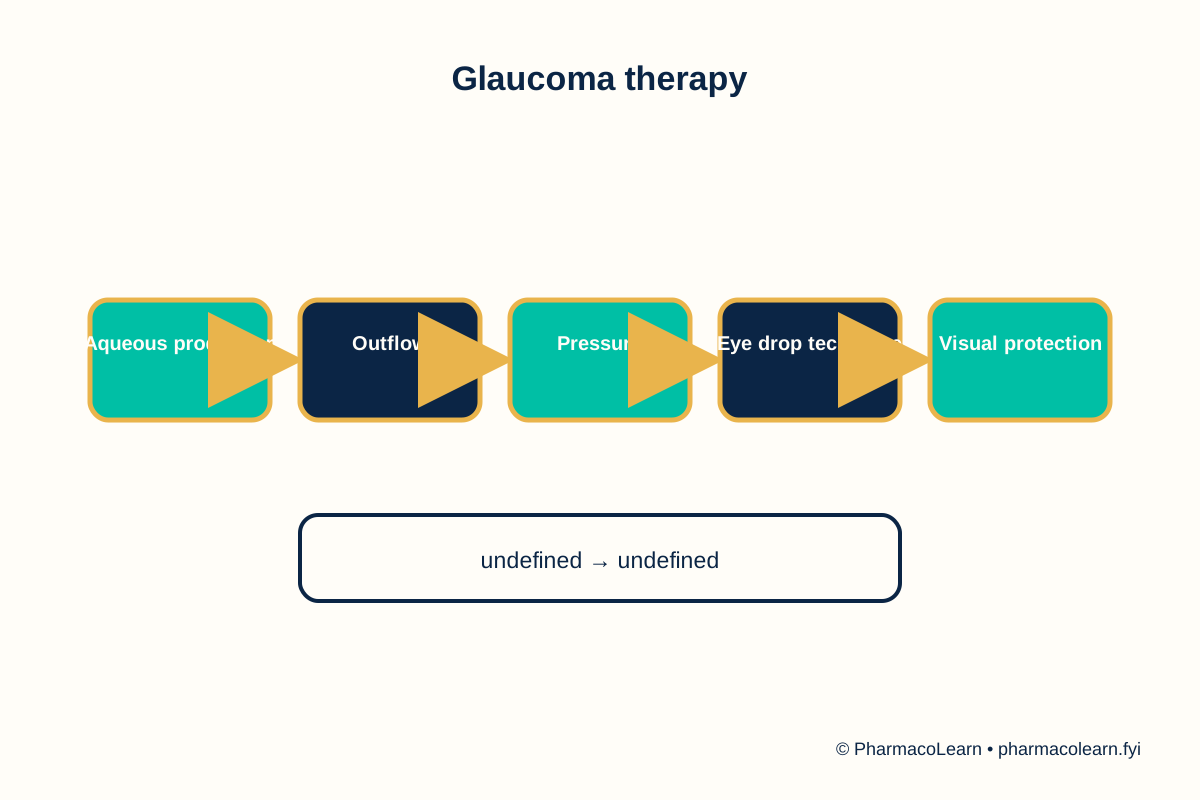
Glaucoma is a group of optic neuropathies in which pressure, susceptibility of the optic nerve and aqueous humor dynamics contribute to progressive visual-field loss. Open-angle disease usually develops gradually, while angle closure can be an emergency with pain, redness, blurred vision, halos, headache, nausea or rapid visual loss. Management aims to reduce intraocular pressure, protect the optic nerve and preserve adherence to long-term therapy.
Aqueous humor is produced by the ciliary body, flows through the posterior chamber and pupil, and exits through trabecular and uveoscleral routes. Medicines reduce production, increase outflow or both. The pharmacist checks administration technique, punctal occlusion, bottle hygiene, interval between drops, preservative sensitivity and systemic adverse effects. Multiple eye drops require a planned sequence and spacing. Contact lenses may need removal according to product instructions.
Conjunctivitis may be viral, bacterial, allergic, irritant or part of a more serious corneal or intraocular process. Viral disease often spreads readily and may be self-limited. Bacterial disease may produce purulent discharge, but discharge alone does not establish the need for an antibiotic. Supportive hygiene, handwashing, avoiding shared towels and appropriate referral are important. Antibiotics do not treat viral disease and indiscriminate topical treatment can delay correct diagnosis or cause toxicity.
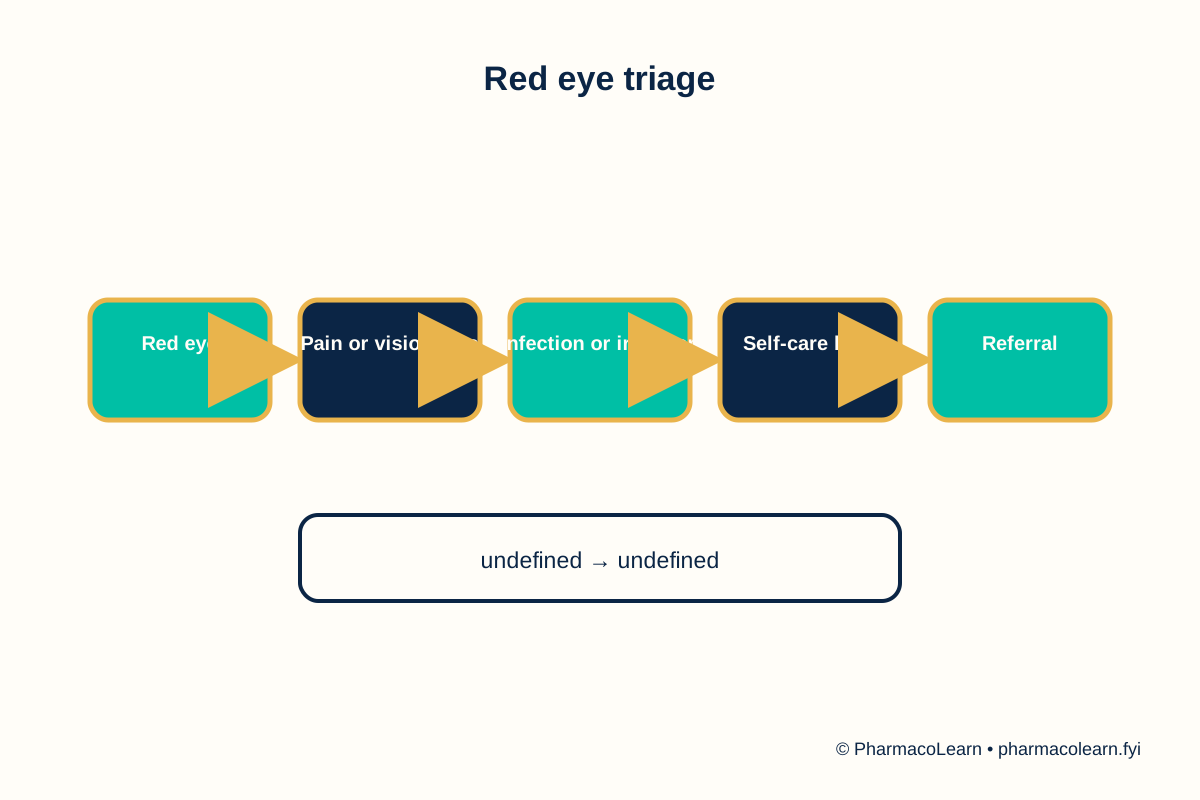
Urgent referral is required for pain, photophobia, reduced vision, corneal opacity, trauma, chemical exposure, contact-lens-associated red eye, severe unilateral disease, neonatal eye disease or failure to improve. The pharmacist should not supply a steroid-containing ophthalmic product without appropriate diagnosis and supervision.
Counseling includes hand hygiene, no touching of the dropper tip, correct instillation, disposal or storage, adherence and follow-up. A therapeutic plan must identify the condition, expected response, safety checks and time to review.
Individualized therapeutic plan
- Confirm the diagnosis, severity and treatment urgency.
- Identify patient-specific risks, comorbidities, medicines, allergies and organ function.
- Define the clinical goal and the time frame for benefit.
- Select pharmacologic and nonpharmacologic options using current guidance.
- Explain administration, adherence, precautions and expected response.
- Define monitoring, follow-up, alternatives and referral triggers.
Pharmacist focus
Therapeutics is not a list of medicines. It is a monitored plan that connects pathophysiology, evidence, patient values, safety and outcome. Exact doses, targets, contraindications and treatment sequences must be checked against current local guidance and approved product information before clinical publication.
Tips, FAQs and takeaways
- Why individualize therapy? The same diagnosis can have different risks, causes, goals and treatment responses.
- Why monitor after prescribing? Efficacy and harm change over time, and the initial plan may need adjustment.
- What is the main takeaway? Diagnose carefully, treat rationally, monitor deliberately and refer early when danger signs appear.
References: PharmacoLearn Year 2 syllabus; Pharmacy Council of India, Pharm.D. Regulations 2008; Goodman and Gilman's The Pharmacological Basis of Therapeutics; DiPiro's Pharmacotherapy; current applicable clinical guidelines.
Expanded clinical reasoning
The eye is a high-risk organ because delayed referral can cause permanent visual loss. Before discussing a red eye, ask about pain, vision change, photophobia, trauma, chemical exposure, contact lenses, unilateral or bilateral onset, discharge and systemic symptoms. The pharmacist should not confuse superficial conjunctival irritation with corneal, uveal, pressure-related or neurologic disease. A glaucoma plan requires long-term adherence, technique review, pressure monitoring and recognition of acute angle-closure symptoms.
Eye-drop technique affects delivered dose. Wash hands, avoid touching the tip, instill the prescribed amount, close the eye gently and use punctal occlusion where instructed. Separate different drops according to product guidance. Ointments can blur vision temporarily. Contact-lens use, preservatives and storage should be reviewed. Steroid-containing products require appropriate diagnosis and supervision because they can worsen infection or increase pressure.
Monitoring checklist
Glaucoma follow-up depends on pressure, optic-nerve assessment, visual field and adherence. Conjunctivitis follow-up depends on symptom course and exclusion of corneal or intraocular disease. Escalate if pain, photophobia, reduced vision, contact-lens association, trauma or failure to improve occurs. Never delay specialist assessment because an eye drop was already tried.
Follow-up planning
For glaucoma, adherence and technique are reviewed repeatedly because the patient may feel well while optic-nerve damage progresses. For conjunctivitis, reassess the course and the appearance of red flags. Do not share eye drops, use contaminated containers or continue treatment indefinitely without diagnosis. Any sudden change in vision, severe pain or photophobia is a reason for urgent evaluation.
Never delay an eye assessment.
Document referral.
Now.
Unit 5: Rational Drug Use
Syllabus scope
This unit covers definition, pharmacist role, essential drug concept and rational drug formulations.
Core theory
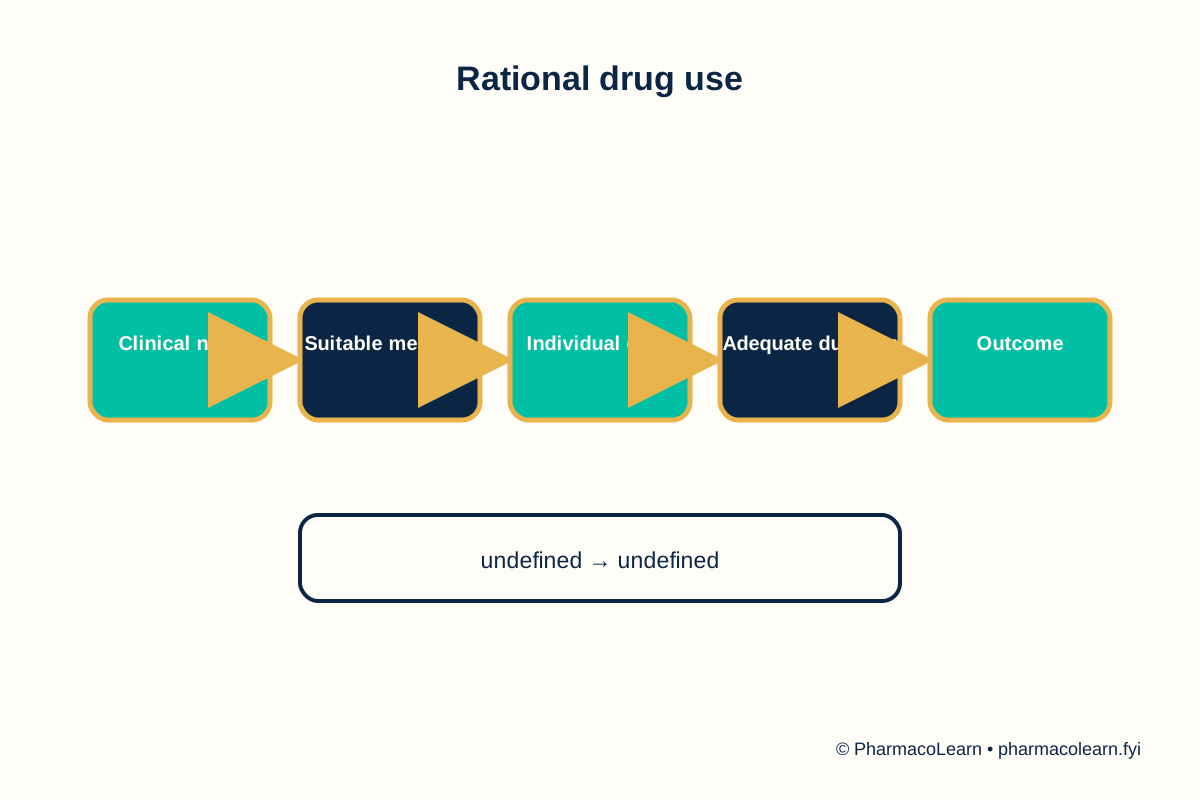
Rational drug use means that a patient receives a medicine appropriate to the clinical need, in an individualized dose and duration, at the lowest reasonable cost to the patient and community. It begins with a verified clinical problem and a therapeutic objective. The prescriber or pharmacist then selects a suitable medicine, checks contraindications and interactions, writes or supplies clear directions, educates the patient and monitors outcome.
The pharmacist contributes through medication reconciliation, prescription review, adherence support, antimicrobial stewardship, adverse-event reporting, formulary awareness, generic quality assessment and identification of untreated or duplicated therapy. Rational use includes not using a medicine when benefit is unlikely. It also includes stopping a medicine when the indication ends, harm exceeds benefit or an alternative is more suitable.
Essential medicine concepts prioritize medicines that address population need and meet standards of efficacy, safety, quality, availability and affordability. An essential list supports procurement and equity, but it does not replace individual assessment. Formulation choice considers route, age, swallowing ability, stability, excipient intolerance, release characteristics, adherence and storage.
A therapeutic plan should contain the diagnosis or working problem, goal, selected medicine, dose and route according to current guidance, duration or review date, non-drug measures, monitoring parameters, counseling points and contingency plan. Monitoring distinguishes lack of efficacy, nonadherence, wrong diagnosis, interaction, inadequate exposure and disease progression.
Controversies in drug therapy should be presented with evidence quality, patient preference, benefit-risk balance and uncertainty. Avoid declaring a therapy universally best when guidelines differ by population or time. Exact recommendations require current local guidelines and approved product information.
The pharmacist should communicate in a way the patient can use. Teach-back, written instructions, follow-up and documentation are part of rational therapy. A medicine cannot be rational if the patient cannot obtain, understand or safely use it.
Individualized therapeutic plan
- Confirm the diagnosis, severity and treatment urgency.
- Identify patient-specific risks, comorbidities, medicines, allergies and organ function.
- Define the clinical goal and the time frame for benefit.
- Select pharmacologic and nonpharmacologic options using current guidance.
- Explain administration, adherence, precautions and expected response.
- Define monitoring, follow-up, alternatives and referral triggers.
Pharmacist focus
Therapeutics is not a list of medicines. It is a monitored plan that connects pathophysiology, evidence, patient values, safety and outcome. Exact doses, targets, contraindications and treatment sequences must be checked against current local guidance and approved product information before clinical publication.
Tips, FAQs and takeaways
- Why individualize therapy? The same diagnosis can have different risks, causes, goals and treatment responses.
- Why monitor after prescribing? Efficacy and harm change over time, and the initial plan may need adjustment.
- What is the main takeaway? Diagnose carefully, treat rationally, monitor deliberately and refer early when danger signs appear.
References: PharmacoLearn Year 2 syllabus; Pharmacy Council of India, Pharm.D. Regulations 2008; Goodman and Gilman's The Pharmacological Basis of Therapeutics; DiPiro's Pharmacotherapy; current applicable clinical guidelines.
Expanded clinical reasoning
Rational use is evaluated by outcome, not by the number of medicines supplied. A patient with persistent symptoms may have the wrong diagnosis, inadequate exposure, nonadherence, an interaction, resistance, an adverse effect or a complication. The pharmacist identifies which explanation is plausible before recommending a change. Formulation is part of rational therapy because a medicine that cannot be swallowed, measured, stored or administered correctly will not produce its expected benefit.
Essential medicine selection also requires reliable supply, quality assurance and equitable access. Generic substitution should respect lawful requirements and clinical equivalence. Antimicrobial stewardship means using an antimicrobial only when indicated, selecting the narrowest suitable option when known, counseling on duration and monitoring adverse effects. Documentation should record the problem, intervention, communication and follow-up.
Patient preference matters. A plan that is theoretically ideal but unaffordable, inaccessible or unacceptable may fail. Shared decisions improve adherence while preserving professional responsibility for safety.
Monitoring checklist
A rational-use audit asks whether the indication was correct, the medicine and formulation were suitable, the patient could obtain and use it, benefit was assessed, harm was monitored and the therapy was stopped or changed when appropriate. These questions apply to every prescription and every self-care recommendation.
Patient education
The final counseling question is, What will you do if the expected benefit does not occur or a warning sign appears? A patient should know the follow-up route, the time frame for review and which symptoms are emergencies. This transforms a prescription into a monitored therapeutic plan rather than a one-time transaction.
Exam and practice framework
For any disease, write the definition, etiologic or pathophysiologic basis, treatment objective, non-drug measures, medicine classes, monitoring parameters, adverse effects, contraindications, interactions, patient counseling and referral criteria. Then identify what must be verified in a current guideline. This structure keeps therapy patient centered and prevents unsupported claims. A good answer explains why a treatment is selected, how success is measured and what will be done if the plan fails.
This approach also supports safe handover between professionals.
Clear documentation protects continuity and patients.
Review outcomes.
Act.
Diagrams
Other Year 2 subjects: Pathophysiology · Pharmaceutical Microbiology · Pharmacognosy and Phytopharmaceuticals · Pharmacology I · Community Pharmacy · Pharmacotherapeutics I · Year 2 · Pharm D