
Medicinal Biochemistry — Pharm D Year 1
Notes for Medicinal Biochemistry, Pharm D Year 1, organised unit by unit following the PCI Pharm D syllabus. 13 units, 20 diagrams.
Syllabus: Pharm D Year 1 syllabus
Practicals: Medicinal Biochemistry practicals
Units in this subject
- Unit 1: Cell Biochemistry and Membrane Transport
- Unit 2: Enzymes and Coenzymes
- Unit 3: Carbohydrate Metabolism
- Unit 4: Lipid Metabolism
- Unit 5: Biological Oxidation and Oxidative Phosphorylation
- Unit 6: Protein and Amino Acid Metabolism
- Unit 7: Nucleic Acid Metabolism and Gene Expression
- Unit 8: Introduction to Clinical Chemistry
- Unit 9: Kidney Function Tests
- Unit 10: Liver Function Tests
- Unit 11: Lipid Profile Tests
- Unit 12: Immunochemical Techniques
- Unit 13: Body Water and Electrolytes
Unit 1: Cell Biochemistry and Membrane Transport
Syllabus scope
This unit covers the syllabus topics named in the unit title and their biochemical, laboratory, and pharmaceutical applications.
Cells contain water, proteins, lipids, carbohydrates, nucleic acids, minerals, and small metabolites organized into compartments. The plasma membrane is a selective phospholipid barrier with proteins for transport, signalling, adhesion, and enzymatic activity. ATP is the main immediately usable energy currency. Cyclic AMP is a second messenger formed from ATP by adenylyl cyclase and degraded by phosphodiesterases.
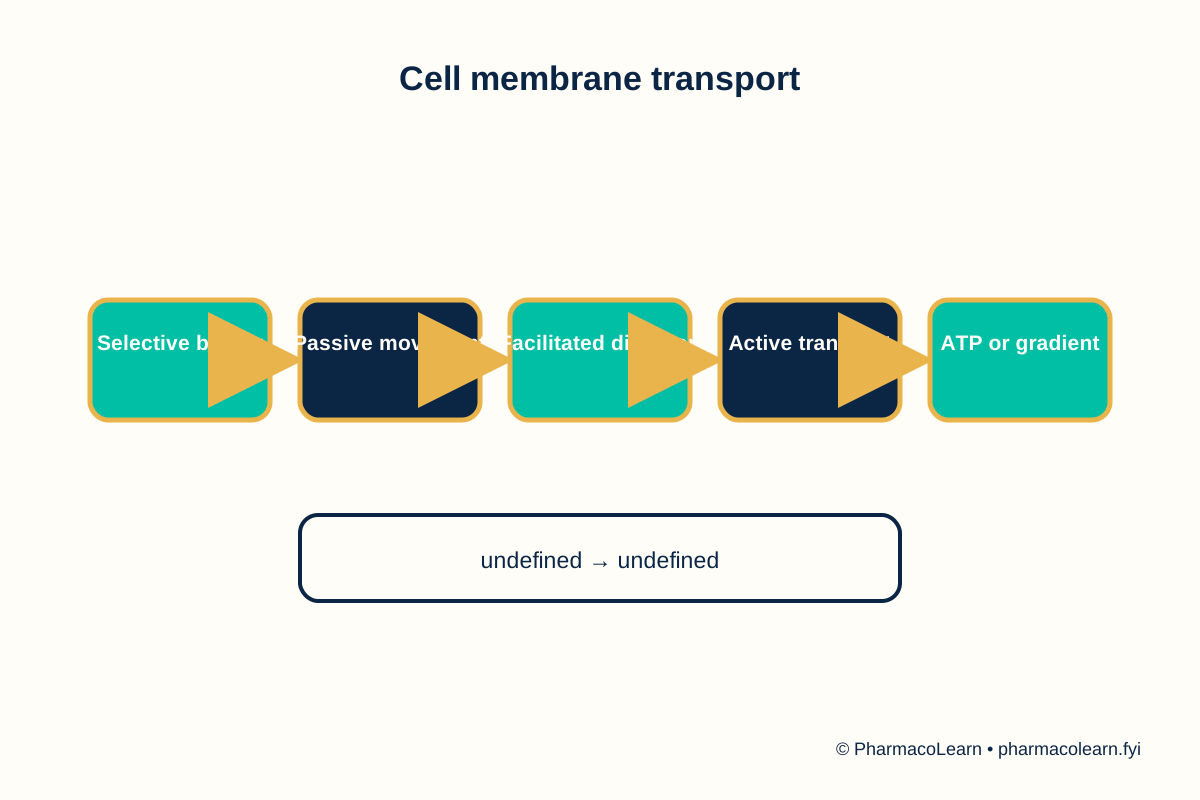
Transport occurs by simple diffusion, facilitated diffusion, primary active transport, secondary active transport, endocytosis, and exocytosis. Step by step, a membrane transporter recognizes its substrate, changes conformation or couples movement to an ion gradient, releases the substrate, and resets. Sodium gradients are maintained by sodium-potassium ATPase, which uses ATP to move sodium outward and potassium inward.
Clinical correlation: transporters influence absorption, tissue distribution, drug resistance, and renal secretion. Cellular energy failure disrupts ion gradients, causes swelling, and can lead to cell injury.
Worked example: if extracellular sodium is high and the sodium gradient is intact, a sodium-coupled transporter can move glucose into a cell even when glucose is moving against its concentration gradient.
Clinical correlation
Biochemistry connects molecular mechanisms with laboratory findings, medicine effects, organ function, and patient safety. The pharmacist interprets the unit topic with the clinical context rather than relying on an isolated result.
FAQs
Worked example
A sodium-coupled transporter can move glucose into a cell against its concentration gradient when the sodium gradient is intact. The sodium-potassium pump maintains that gradient using ATP.
FAQs
- ATP powers primary active transport and many biosynthetic reactions.
- Cyclic AMP amplifies signals from selected receptors.
- Membrane transport is saturable when transporter capacity is limited.
References: [1], [2], [3].
Mechanism and clinical reasoning
Membrane function depends on selective permeability and maintained gradients. The sodium-potassium pump establishes the sodium gradient, secondary transport uses that stored gradient, and signalling proteins convert an external stimulus into an intracellular response. Energy failure reduces pump activity, sodium and water enter the cell, calcium regulation fails, and structural injury follows.
Clinical application: transporter saturation or competition can change drug absorption and renal secretion. A pharmacist therefore considers transporter capacity, organ function, and interacting medicines rather than assuming that every dose increase produces a proportional concentration change.
FAQs
Why is membrane transport clinically important? It determines how nutrients, ions, and medicines cross barriers, so altered transport can change exposure and cell function.
Independent checking remains essential.
Takeaways
- Membrane transport depends on gradients, transporters, and cellular energy.
- Cell structure and biochemical function explain medicine exposure and toxicity.
Integrated practice note
Biochemistry links cellular mechanisms with transport, energy use, medicine exposure, laboratory interpretation, and patient safety. Apply the unit mechanism, check the clinical context, and document the reasoning before acting on a result.
References
PharmacoLearn, Pharm D Year 1 syllabus; Harper's Illustrated Biochemistry; Lippincott Illustrated Reviews: Biochemistry; Devlin, Textbook of Biochemistry with Clinical Correlations.
Unit 2: Enzymes and Coenzymes
Syllabus scope
This unit covers the syllabus topics named in the unit title and their biochemical, laboratory, and pharmaceutical applications.
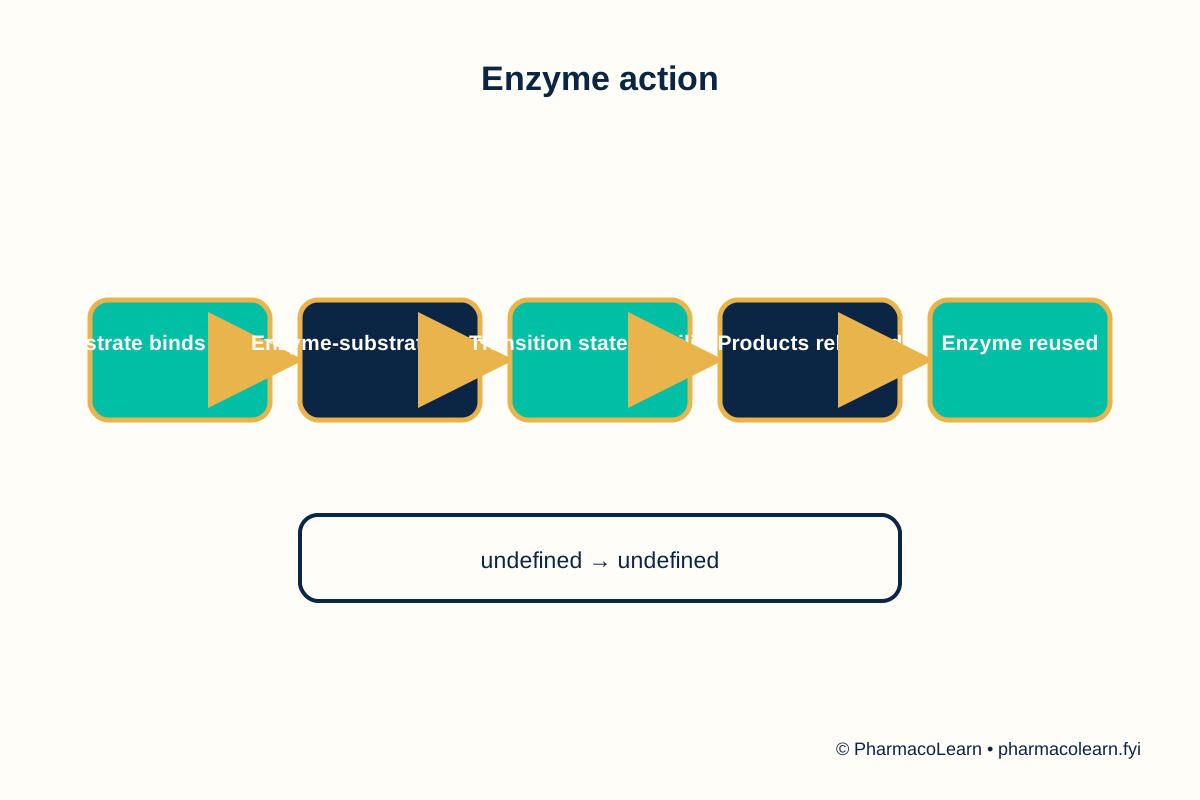
Enzymes are biological catalysts that lower activation energy without changing the equilibrium constant. The active site binds substrate through complementary chemical interactions. In the basic sequence, substrate binds, an enzyme-substrate complex forms, chemical bonds are rearranged, product leaves, and the enzyme is available again.
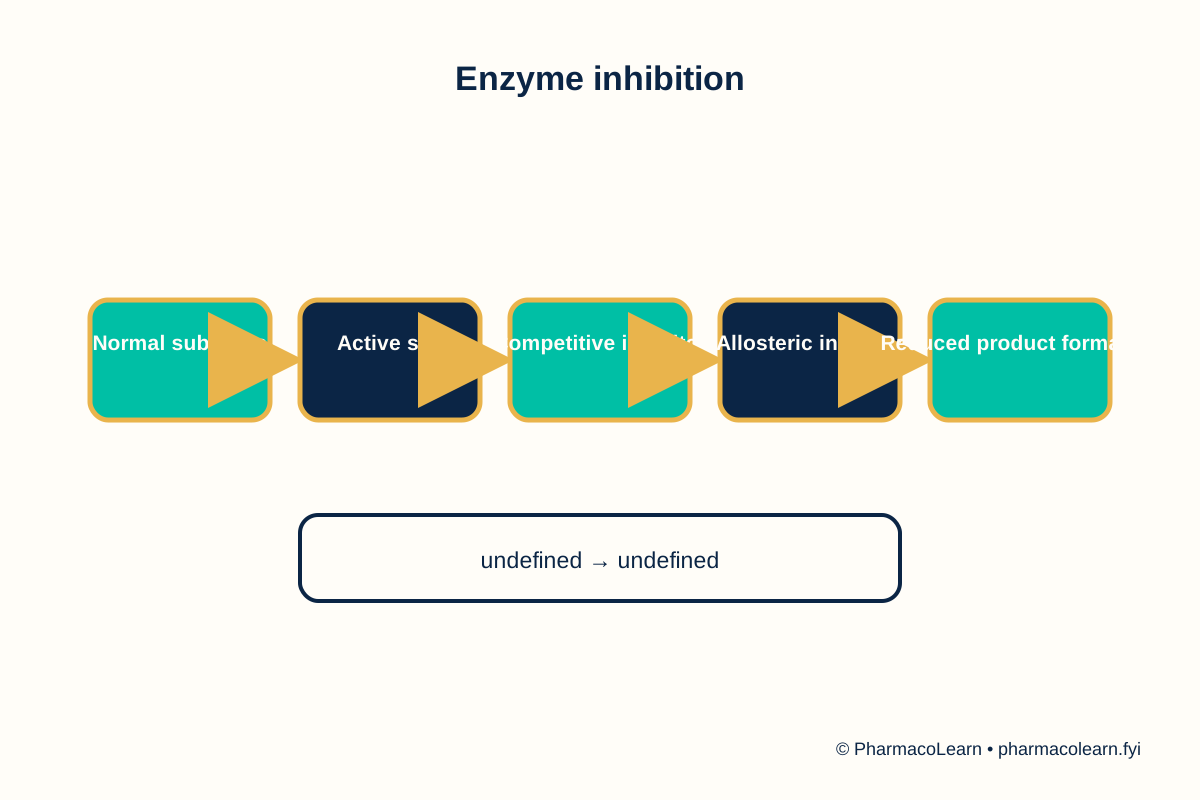
Enzyme activity depends on substrate concentration, enzyme concentration, temperature, pH, cofactors, activators, and inhibitors. Competitive inhibition increases apparent substrate requirement but can be overcome by high substrate concentration. Noncompetitive effects reduce catalytic capacity and are not fully overcome by substrate. Irreversible inhibitors form persistent interactions with the enzyme.
The International Union of Biochemistry classification groups enzymes by reaction type. Isoenzymes catalyse the same reaction but differ in structure or tissue distribution. Coenzymes assist transfer of electrons or chemical groups. Vitamin deficiency may reduce coenzyme formation and impair metabolism.
Clinical correlation: serum enzymes and isoenzymes can indicate tissue injury, but interpretation requires timing, specificity, and clinical context. Enzyme inhibition explains many medicine interactions and therapeutic effects.
Worked example: if an inhibitor competes for the active site, increasing substrate may restore reaction rate, but the inhibitor still increases the concentration needed to reach a given rate.
Clinical correlation
Biochemistry connects molecular mechanisms with laboratory findings, medicine effects, organ function, and patient safety. The pharmacist interprets the unit topic with the clinical context rather than relying on an isolated result.
FAQs
Worked example
If an inhibitor competes for the active site, increasing substrate may restore reaction rate, but the inhibitor still increases the concentration needed to reach a given rate.
FAQs
What do enzymes do? They lower activation energy without changing the equilibrium constant.
What happens in competitive inhibition? It increases the substrate concentration needed for a given rate and may be overcome by high substrate concentration.
Why are coenzymes important? They assist the transfer of electrons or chemical groups.
Takeaways
- Catalysis depends on active-site chemistry.
- Inhibition patterns predict response to concentration changes.
- Coenzymes connect vitamin nutrition with enzyme function.
References: [1], [2], [4].
Mechanism and clinical reasoning
Enzyme activity reflects the relationship between substrate concentration, active-site availability, catalytic turnover, and product formation. Temperature or pH outside the useful range can alter conformation. An inhibitor may compete at the active site, bind elsewhere, or permanently modify the enzyme. Coenzymes transfer electrons or chemical groups and therefore connect micronutrient status with pathway activity.
Worked clinical example: an elevated tissue enzyme may support a diagnosis only when its tissue distribution, timing, isoenzyme pattern, and alternative causes are considered. The laboratory result must be interpreted with the clinical history.
Integrated practice note
Biochemistry links molecular mechanisms with transport, energy use, medicine exposure, laboratory interpretation, organ function, and patient safety. Apply the unit mechanism, check the clinical context, and document the reasoning before acting on a result.
References
PharmacoLearn, Pharm D Year 1 syllabus; Harper's Illustrated Biochemistry; Lippincott Illustrated Reviews: Biochemistry; Devlin, Textbook of Biochemistry with Clinical Correlations.
Unit 3: Carbohydrate Metabolism
Syllabus scope
This unit covers the syllabus topics named in the unit title and their biochemical, laboratory, and pharmaceutical applications.
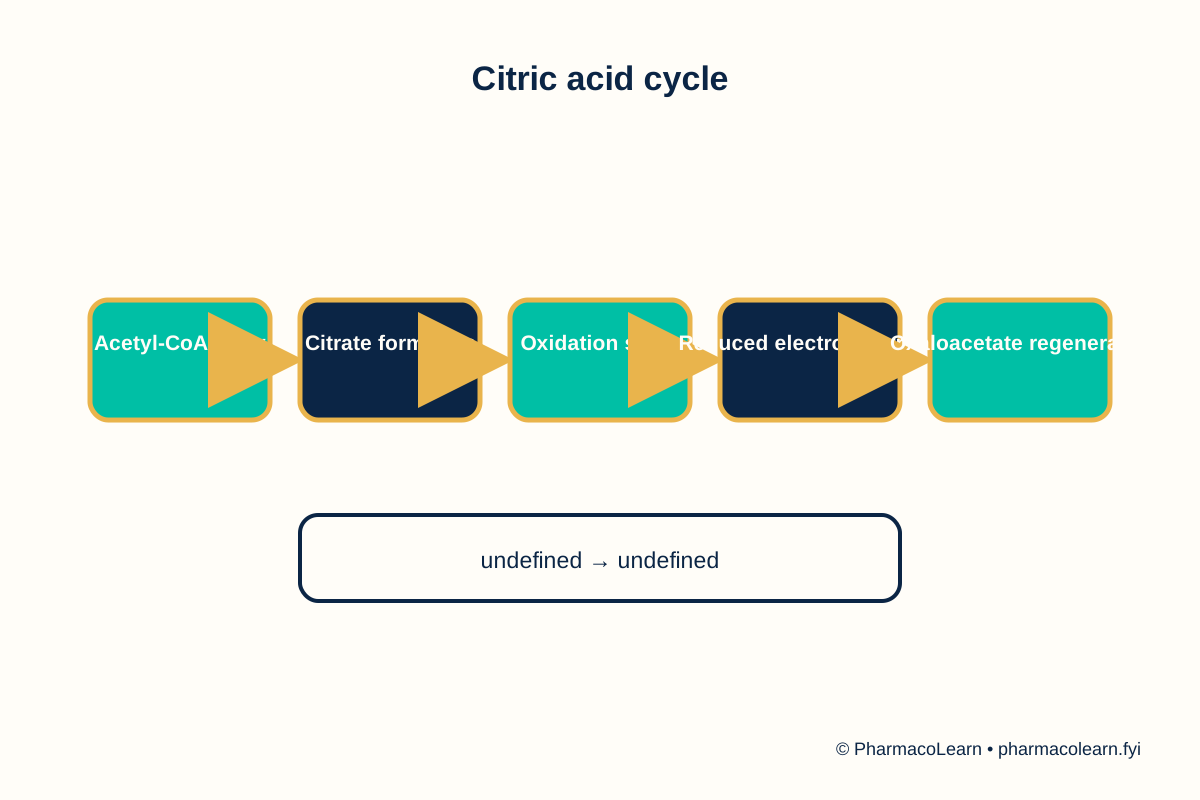
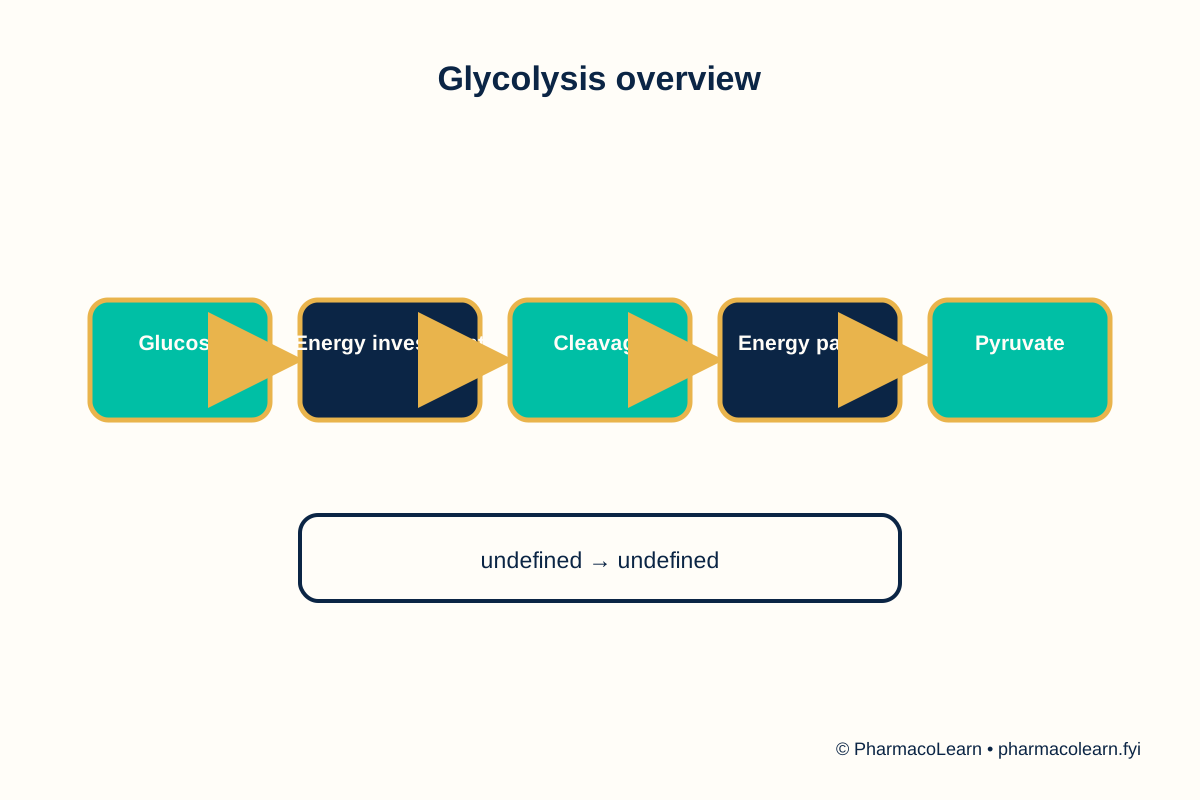
Glycolysis converts glucose to pyruvate in the cytosol. It begins with phosphorylation, rearranges the six-carbon molecule, splits it into two three-carbon molecules, oxidizes them, and produces ATP and NADH. Aerobic pyruvate enters mitochondria and becomes acetyl coenzyme A, which enters the citric acid cycle. The cycle releases carbon dioxide and produces reduced cofactors for the respiratory chain.
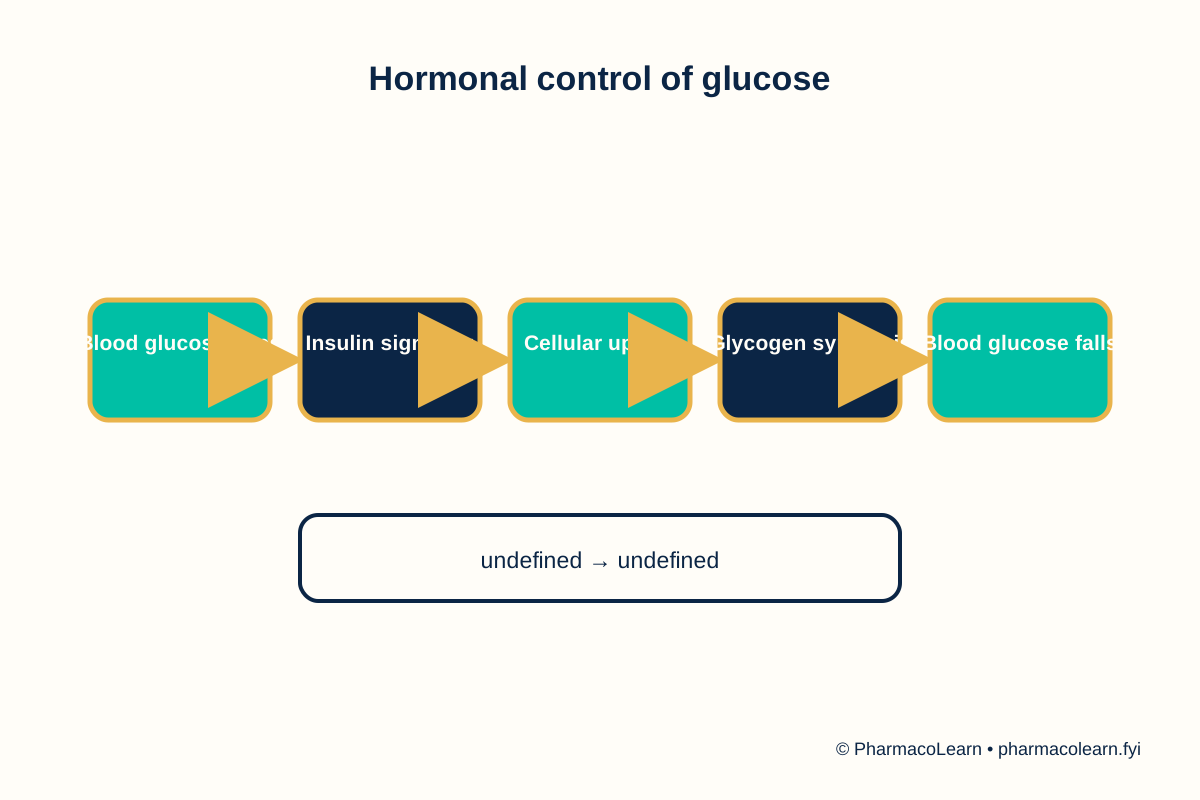
Glycogenesis stores glucose as glycogen. Glycogenolysis releases glucose units. Gluconeogenesis forms glucose from selected non-carbohydrate precursors. The pentose phosphate pathway produces NADPH and ribose sugars. Insulin promotes glucose uptake and storage. Glucagon and adrenaline generally support glucose release during fasting or stress.
Diabetes mellitus results from inadequate insulin action, inadequate insulin secretion, or both. Glycogen storage diseases result from defects in glycogen metabolism. Glucose tolerance testing examines the response to a glucose load. Galactose tolerance testing is interpreted according to the clinical protocol.
Clinical correlation: pharmacists monitor glucose-lowering therapy, hypoglycaemia, adherence, and interactions. Persistent hyperglycaemia damages vessels, nerves, kidneys, and eyes.
Worked example: when oxygen is limited, pyruvate can be reduced to lactate to regenerate NAD+, allowing glycolysis to continue briefly.
Takeaways
- Glycolysis is cytosolic; the citric acid cycle is mitochondrial.
- Insulin favours storage, while counter-regulatory hormones favour availability.
- Metabolic pathway defects produce characteristic clinical patterns.
References: [1], [2], [5].
Mechanism and clinical reasoning
Glucose metabolism changes with fed, fasting, exercise, and stress states. Insulin promotes transport and storage, while glucagon and adrenaline mobilize fuel. Glycolysis provides rapid ATP, the citric acid cycle supplies reducing equivalents, and the pentose phosphate pathway provides NADPH for antioxidant protection and biosynthesis. When insulin action is inadequate, hyperglycaemia and altered lipid metabolism produce progressive vascular and tissue injury.
Clinical application: a pharmacist links a glucose result to meal timing, medicine timing, renal function, symptoms, and adherence. Hypoglycaemia is an immediate safety problem, while persistent hyperglycaemia requires long-term risk reduction.
Clinical correlation
Biochemistry connects molecular mechanisms with laboratory findings, medicine effects, organ function, and patient safety. The pharmacist interprets the unit topic with the clinical context rather than relying on an isolated result.
FAQs
Worked example
When oxygen is limited, pyruvate can be reduced to lactate to regenerate NAD+, allowing glycolysis to continue briefly.
FAQs
Why can fasting and fed metabolism differ? Insulin and counter-regulatory hormones shift the balance between uptake, storage, synthesis, and mobilization.
- Link glucose results with symptoms and timing.
- Explain both immediate hypoglycaemia risk and long-term vascular risk.
Integrated practice note
Biochemistry links molecular mechanisms with transport, energy use, medicine exposure, laboratory interpretation, organ function, and patient safety. Apply the unit mechanism, check the clinical context, and document the reasoning before acting on a result.
References
PharmacoLearn, Pharm D Year 1 syllabus; Harper's Illustrated Biochemistry; Lippincott Illustrated Reviews: Biochemistry; Lehninger Principles of Biochemistry.
Unit 4: Lipid Metabolism
Syllabus scope
This unit covers the syllabus topics named in the unit title and their biochemical, laboratory, and pharmaceutical applications.
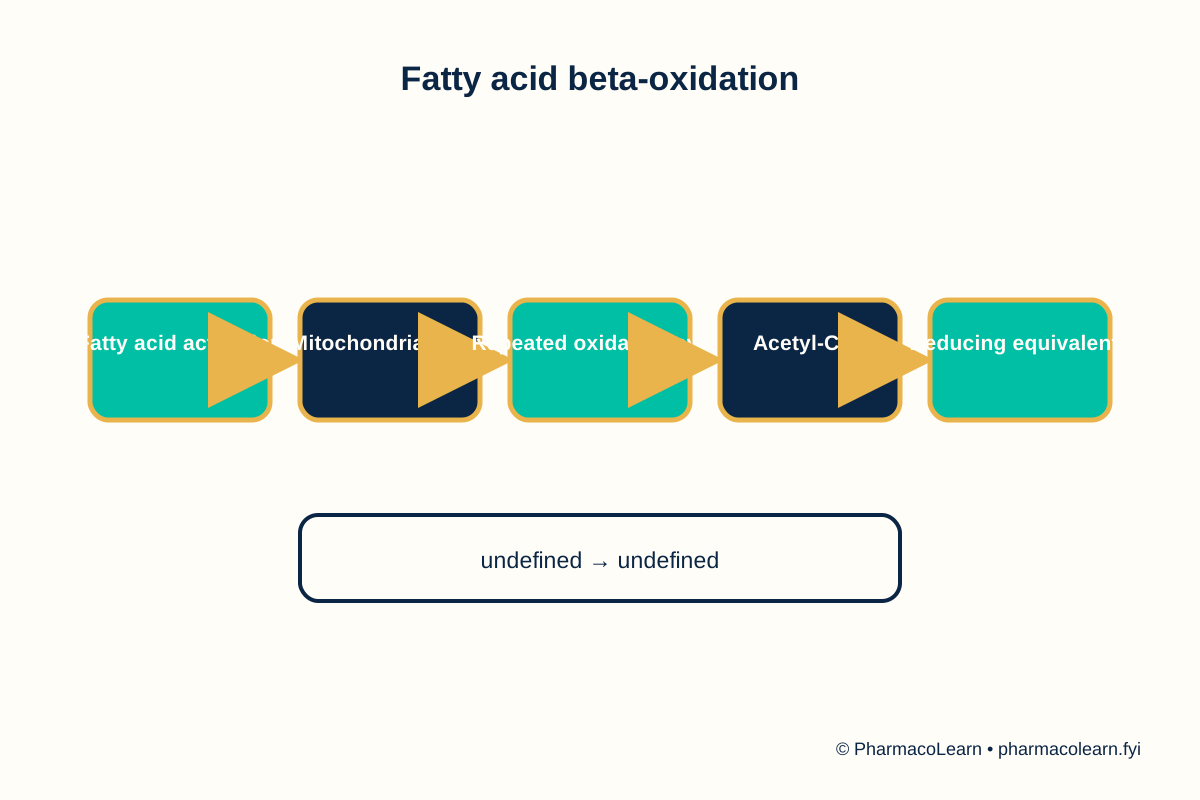
Fatty acids are activated, transported into mitochondria when appropriate, and degraded by beta oxidation. Each cycle removes a two-carbon unit as acetyl coenzyme A and produces reduced cofactors. During carbohydrate scarcity, the liver converts excess acetyl units into ketone bodies. Ketolysis allows selected tissues to use ketones.
Fatty-acid synthesis occurs mainly in the cytosol and uses acetyl units, ATP, and NADPH. Triacylglycerol stores energy. Cholesterol supports membranes and steroid synthesis and serves as a precursor for bile acids. Lipoproteins transport hydrophobic lipids through blood.
Hormones coordinate storage and mobilization. Insulin promotes synthesis and storage. Glucagon and adrenaline promote mobilization. Atherosclerosis involves lipid retention, inflammation, plaque growth, and possible thrombosis. Fatty liver reflects abnormal lipid accumulation in hepatocytes. Hypercholesterolaemia increases cardiovascular risk.
Clinical correlation: lipid profiles help estimate risk and monitor therapy, but values must be interpreted with overall risk, fasting conditions where applicable, and treatment goals.
Takeaways
- Beta oxidation supplies acetyl units and reducing equivalents.
- Ketone production rises when carbohydrate availability is low.
- Lipoprotein transport is central to lipid distribution and vascular disease.
References: [1], [2], [5].
Mechanism and clinical reasoning
Fatty-acid oxidation generates acetyl coenzyme A and reduced cofactors, while synthesis consumes energy and NADPH. Hormonal state determines whether carbon is stored or mobilized. Excess delivery of fatty acids to the liver, impaired export, or altered oxidation can promote steatosis. Lipoprotein particles then distribute lipids through the circulation, and retained lipoproteins can initiate vascular inflammation.
Worked clinical example: a high triglyceride result is interpreted with glucose status, alcohol exposure, medicines, thyroid function, sampling conditions, and overall cardiovascular risk rather than treated as an isolated number.
Clinical correlation
Biochemistry connects molecular mechanisms with laboratory findings, medicine effects, organ function, and patient safety. The pharmacist interprets the unit topic with the clinical context rather than relying on an isolated result.
FAQs
Worked example
A high triglyceride result is interpreted with glucose status, alcohol exposure, medicines, thyroid function, sampling conditions, and overall cardiovascular risk rather than as an isolated number.
FAQs
Why are lipoproteins needed? Hydrophobic lipids require particle-based transport through aqueous plasma.
- Distinguish triglyceride transport from cholesterol transport.
- Review secondary causes before attributing a profile to genetics alone.
Integrated practice note
Biochemistry links molecular mechanisms with transport, energy use, medicine exposure, laboratory interpretation, organ function, and patient safety. Apply the unit mechanism, check the clinical context, and document the reasoning before acting on a result.
References
PharmacoLearn, Pharm D Year 1 syllabus; Harper's Illustrated Biochemistry; Lippincott Illustrated Reviews: Biochemistry; Devlin, Textbook of Biochemistry with Clinical Correlations.
Unit 5: Biological Oxidation and Oxidative Phosphorylation
Syllabus scope
This unit covers the syllabus topics named in the unit title and their biochemical, laboratory, and pharmaceutical applications.
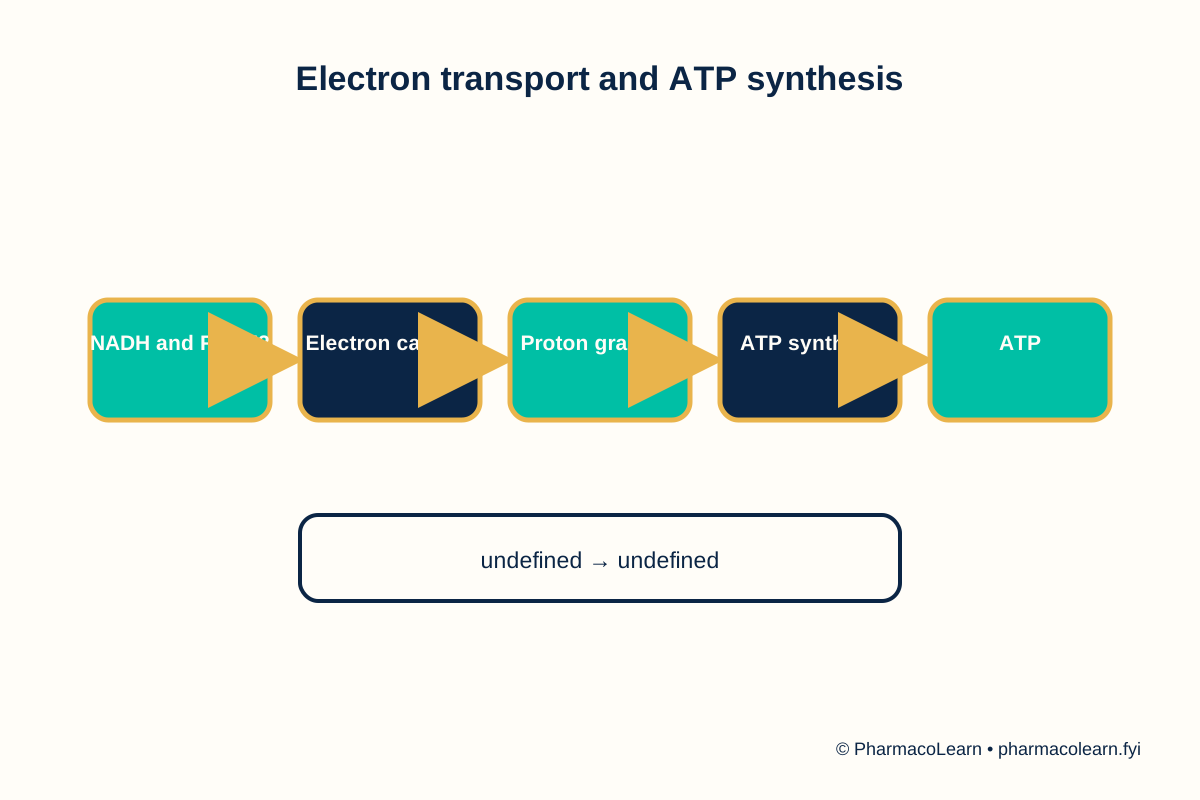
Biological oxidation transfers electrons from reduced substrates to acceptors. NADH and FADH2 carry high-energy electrons to the mitochondrial electron transport chain. Electrons pass through complexes, and energy pumps protons across the inner mitochondrial membrane. The proton gradient stores electrochemical energy.
ATP synthase uses proton flow to phosphorylate ADP. Step by step, electron transfer creates a gradient, protons return through ATP synthase, rotational movement changes catalytic sites, and ATP forms. Oxygen accepts electrons at the end of the chain and combines with protons to form water.
Inhibitors block defined electron-transfer steps. Uncouplers dissipate the proton gradient without efficiently producing ATP, releasing energy as heat. Reactive oxygen species may form during electron transfer and damage lipids, proteins, and DNA if antioxidant defences are exceeded.
Clinical correlation: mitochondrial toxicity can affect high-energy tissues such as brain, heart, muscle, and kidney. Oxygen deprivation interrupts oxidative phosphorylation and rapidly limits ATP production.
Clinical correlation
Biochemistry connects molecular mechanisms with laboratory findings, medicine effects, organ function, and patient safety. The pharmacist interprets the unit topic with the clinical context rather than relying on an isolated result.
FAQs
Worked example
If electron transfer slows, the proton gradient and ATP production fall. If the inner membrane becomes leaky, fuel can be consumed without efficient ATP formation.
FAQs
What is the terminal electron acceptor? Oxygen accepts electrons at the end of the chain and combines with protons to form water.
How does ATP synthase make ATP? Protons flow through ATP synthase, rotational movement changes catalytic sites, and ATP forms.
What do uncouplers do? They dissipate the proton gradient without efficiently producing ATP and release energy as heat.
Takeaways
- Electron transport and ATP production are coupled through a proton gradient.
- Oxygen is the terminal electron acceptor.
- Uncoupling increases fuel oxidation without proportional ATP production.
References: [1], [2], [6].
Mechanism and clinical reasoning
The respiratory chain couples oxidation to phosphorylation through a proton gradient. If electron transfer slows, the gradient and ATP production fall. If the inner membrane becomes leaky, fuel can be consumed without efficient ATP formation. Reactive oxygen species are controlled by enzymatic and nonenzymatic defences, but excessive production or inadequate defence causes oxidative modification of cellular components.
Clinical application: tissues with high ATP demand are vulnerable to mitochondrial injury. Hypoxia, mitochondrial toxins, and severe metabolic disturbance can therefore present with neurologic, cardiac, muscular, or renal dysfunction.
Integrated practice note
Biochemistry links molecular mechanisms with transport, energy use, medicine exposure, laboratory interpretation, organ function, and patient safety. Apply the unit mechanism, check the clinical context, and document the reasoning before acting on a result.
References
PharmacoLearn, Pharm D Year 1 syllabus; Lehninger Principles of Biochemistry; Lippincott Illustrated Reviews: Biochemistry; Stryer Biochemistry.
Unit 6: Protein and Amino Acid Metabolism
Syllabus scope
This unit covers the syllabus topics named in the unit title and their biochemical, laboratory, and pharmaceutical applications.
Protein turnover balances synthesis and degradation. Nitrogen balance is positive during growth and tissue repair and negative during starvation, severe illness, or inadequate protein intake. Amino acids undergo transamination, oxidative deamination, decarboxylation, and carbon-skeleton metabolism.
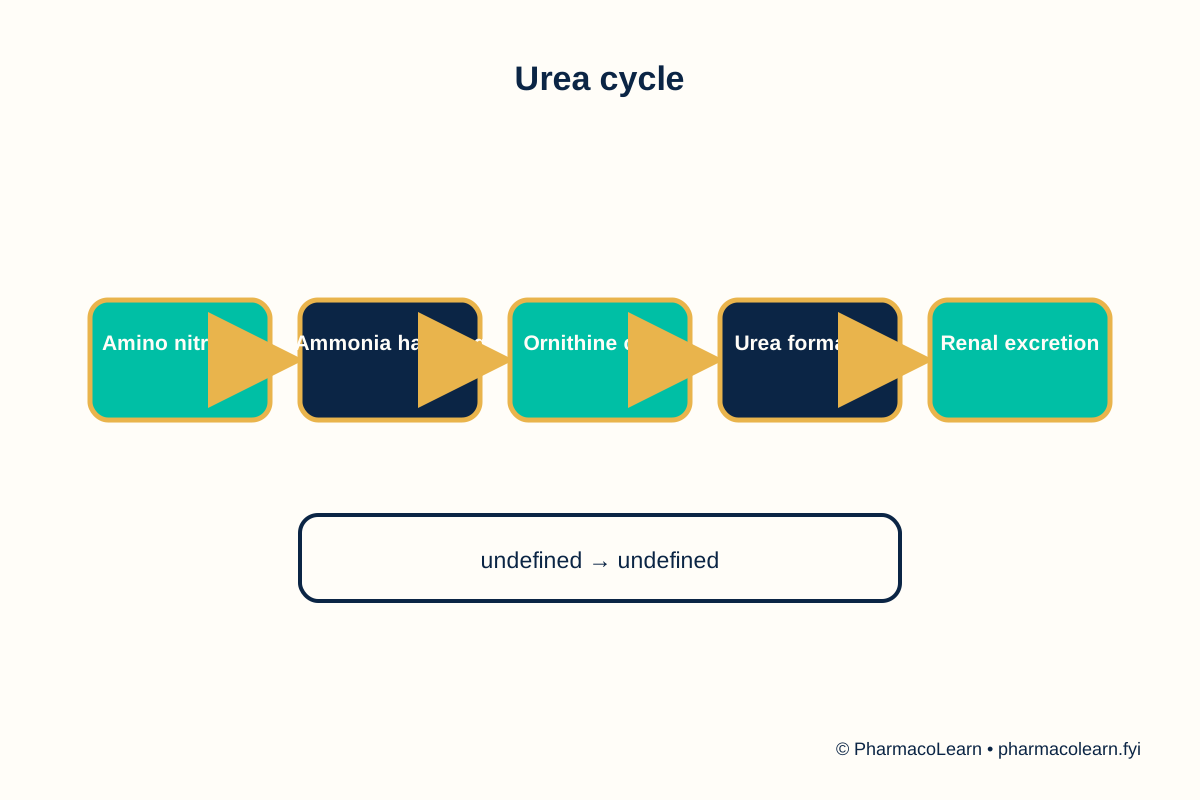
Transamination transfers an amino group to a keto acid, usually using a vitamin-derived coenzyme. Deamination releases ammonia. The liver converts toxic ammonia into urea through the urea cycle. Urea travels in blood to the kidneys for excretion. Carbon skeletons enter pathways for energy, glucose, or ketone formation.
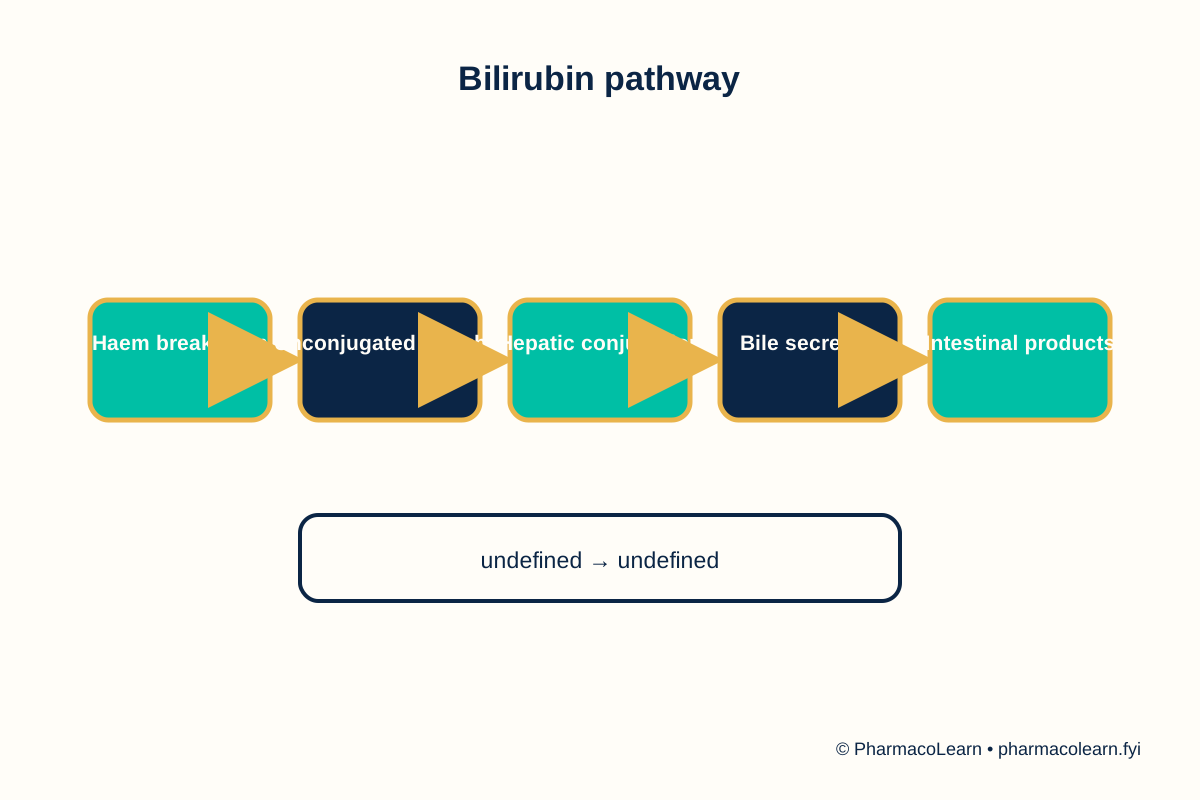
Bile pigments arise from haem breakdown. Heme becomes biliverdin, then bilirubin. Bilirubin is transported to the liver, conjugated, secreted into bile, modified by intestinal bacteria, and eliminated partly in faeces and urine. Hyperbilirubinaemia may reflect overproduction, impaired uptake, conjugation failure, or obstruction. Porphyria involves abnormal heme-pathway intermediates.
Clinical correlation: liver disease, inherited enzyme defects, and renal failure alter nitrogen and pigment handling. Pharmacists should recognize jaundice and medicine-related liver injury as referral signals.
Clinical correlation
Biochemistry connects molecular mechanisms with laboratory findings, medicine effects, organ function, and patient safety. The pharmacist interprets the unit topic with the clinical context rather than relying on an isolated result.
FAQs
Worked example
Jaundice with different bilirubin fractions and enzyme patterns may direct attention toward overproduction, impaired hepatic processing, or obstruction, but the pattern still requires clinical assessment.
FAQs
What happens to ammonia? The liver converts toxic ammonia into urea, which travels in blood to the kidneys for excretion.
What can amino-acid carbon skeletons form? They can enter pathways for energy, glucose, or ketone formation.
What can cause hyperbilirubinaemia? It may reflect overproduction, impaired uptake, conjugation failure, or obstruction.
Takeaways
- The liver protects the body by converting ammonia to urea.
- Amino-acid carbon skeletons enter central metabolic pathways.
- Bilirubin pattern helps localize a disorder.
References: [1], [2], [7].
Mechanism and clinical reasoning
Amino-acid metabolism separates nitrogen handling from carbon-skeleton use. Transamination collects amino groups, deamination releases ammonia, and the urea cycle converts ammonia into a less toxic product for renal excretion. The carbon skeleton may enter glucose, ketone, or energy pathways. Heme breakdown similarly follows a sequence from macrophage processing to bilirubin transport, hepatic conjugation, biliary secretion, and intestinal elimination.
Worked clinical example: jaundice with different bilirubin fractions and enzyme patterns directs the pharmacist toward overproduction, impaired hepatic processing, or obstruction, but the pattern still requires clinical assessment and laboratory correlation.
Integrated practice note
Biochemistry links molecular mechanisms with transport, energy use, medicine exposure, laboratory interpretation, organ function, and patient safety. Apply the unit mechanism, check the clinical context, and document the reasoning before acting on a result.
References
PharmacoLearn, Pharm D Year 1 syllabus; Harper's Illustrated Biochemistry; Devlin, Textbook of Biochemistry with Clinical Correlations; Tietz Fundamentals of Clinical Chemistry and Molecular Diagnostics.
Unit 7: Nucleic Acid Metabolism and Gene Expression
Syllabus scope
This unit covers the syllabus topics named in the unit title and their biochemical, laboratory, and pharmaceutical applications.
Purine and pyrimidine nucleotides are synthesized, salvaged, and degraded. Purine degradation produces uric acid. Pyrimidine degradation produces smaller soluble products. Excess uric acid or reduced excretion can contribute to crystal deposition.
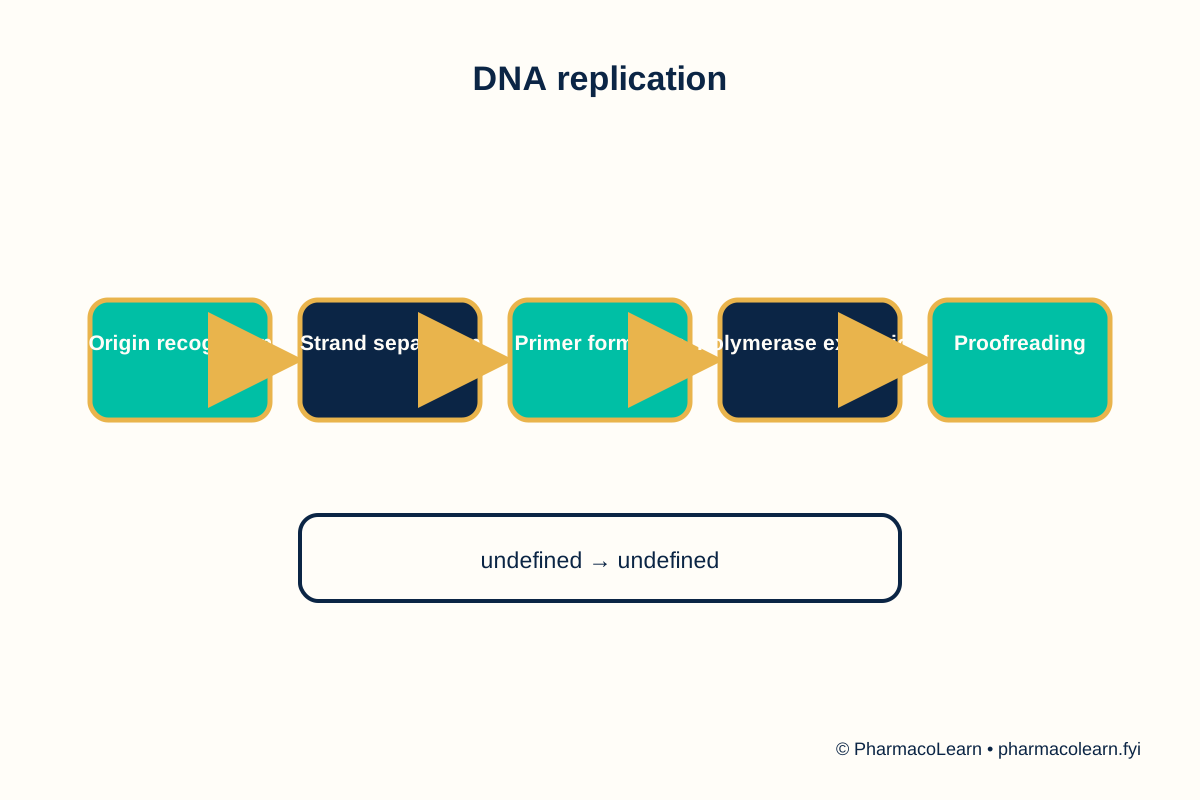
DNA replication is semiconservative. Helicase separates strands, primase provides primers, polymerases extend new strands, and ligase joins fragments on the discontinuous strand. DNA repair identifies damage, removes or bypasses it, fills the gap, and restores continuity. Mutation is a change in genetic sequence that may be neutral, harmful, or beneficial.
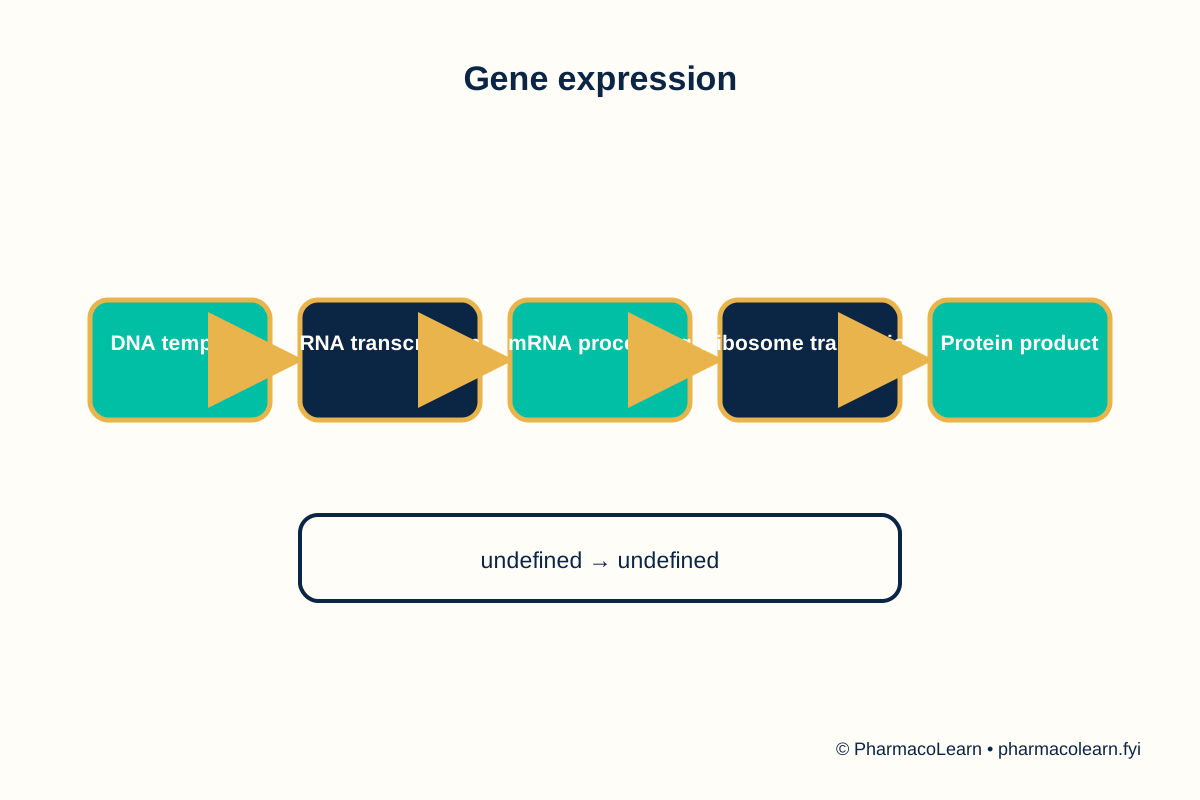
Transcription copies DNA information into RNA. Translation reads messenger RNA codons at ribosomes. Transfer RNA brings amino acids, and peptide bonds form in sequence. The genetic code is read in triplets and is redundant but not ambiguous.
Medicine may inhibit nucleotide synthesis, DNA replication, transcription, translation, or repair. Clinical effects may include suppression of rapidly dividing tissues and infection risk.
FAQs
Worked example
A medicine that inhibits a nucleotide-synthesis step may reduce DNA replication in a rapidly dividing tumour, but the same mechanism can suppress normal marrow.
FAQs
What is semiconservative replication? DNA replication uses complementary pairing to preserve genetic information.
What is the role of transfer RNA? Transfer RNA brings amino acids to ribosomes during translation.
Why can some medicines affect rapidly dividing tissues? They may inhibit nucleotide synthesis, DNA replication, transcription, translation, or repair.
Takeaways
- Replication preserves genetic information through complementary pairing.
- Transcription and translation convert sequence information into protein.
- Repair protects genome stability but is not perfect.
References: [1], [2], [8].
Mechanism and clinical reasoning
Genome expression proceeds from DNA information to RNA and then protein, while repair systems preserve sequence integrity. A medicine can disrupt nucleotide availability, polymerase activity, mitosis, translation, or repair. Rapidly dividing normal tissues are affected along with malignant cells, explaining marrow suppression, mucosal injury, and hair changes for some therapies. The pharmacist monitors these predictable consequences and supports safe use.
Clinical application: a mutation may change protein structure, expression, or regulation. Its significance depends on the affected gene, tissue, inheritance, functional consequence, and clinical context rather than on the word mutation alone.
Clinical correlation
Antimetabolites and nucleic-acid damaging medicines can affect marrow, gastrointestinal epithelium, hair follicles, and reproductive cells because these tissues divide rapidly. The pharmacist monitors blood counts, infection symptoms, mucosal injury, dose timing, and interacting medicines while explaining why monitoring is necessary.
Worked example: a medicine that inhibits a nucleotide-synthesis step may reduce DNA replication in a rapidly dividing tumour, but the same mechanism can suppress normal marrow. Benefit and toxicity are connected by the same biochemical pathway.
Integrated practice note
Biochemistry links molecular mechanisms with transport, energy use, medicine exposure, laboratory interpretation, organ function, and patient safety. Apply the unit mechanism, check the clinical context, and document the reasoning before acting on a result.
References
PharmacoLearn, Pharm D Year 1 syllabus; Alberts et al., Molecular Biology of the Cell; Harper's Illustrated Biochemistry; Lippincott Illustrated Reviews: Biochemistry.
Unit 8: Introduction to Clinical Chemistry
Syllabus scope
This unit covers the syllabus topics named in the unit title and their biochemical, laboratory, and pharmaceutical applications.
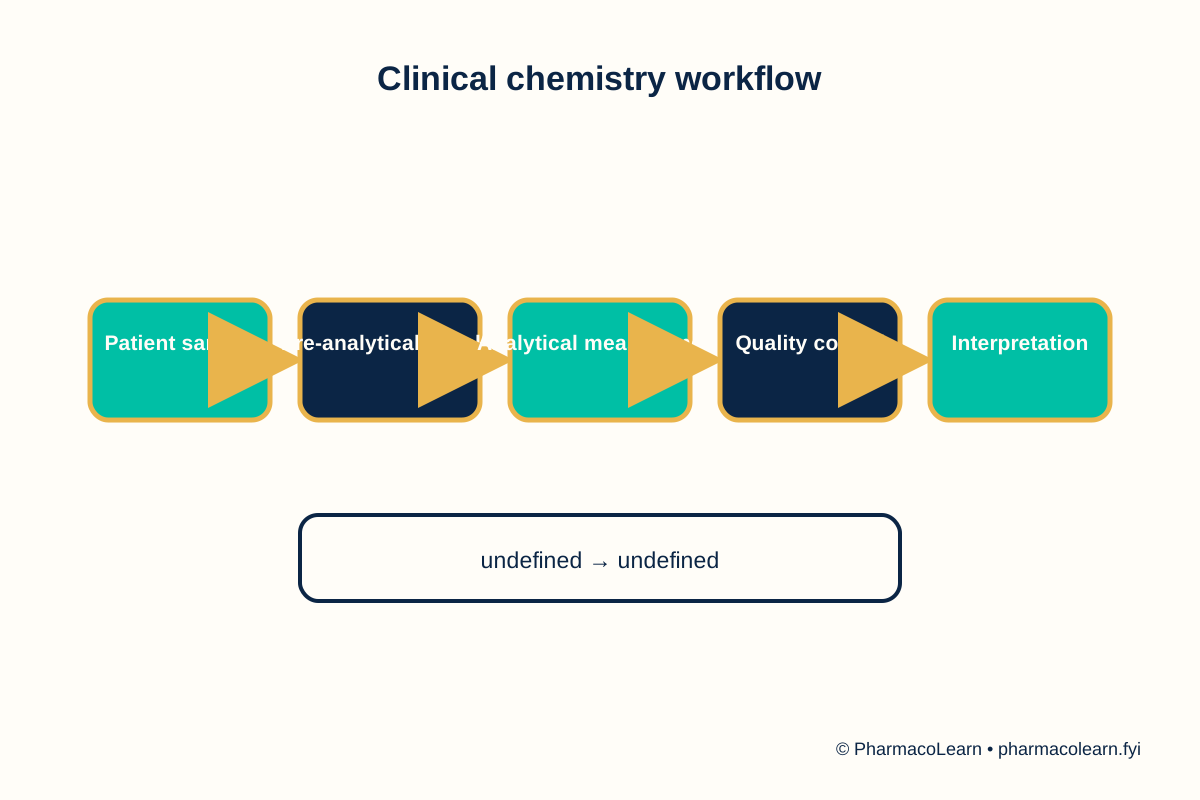
Clinical chemistry applies biochemical measurement to health, disease, treatment monitoring, and prevention. A result depends on the patient, specimen, collection, transport, analytical method, quality control, and interpretation. Pre-analytical errors include wrong patient identification, haemolysis, contamination, wrong tube, and delayed processing.
Laboratory malfunction may reflect a change in cell structure, enzyme activity, metabolism, clearance, endocrine regulation, or fluid balance. A test is useful when its result changes a clinical decision. Sensitivity describes the ability to detect disease when disease is present. Specificity describes the ability to remain negative when disease is absent. Exact interpretation requires the laboratory's reference interval and clinical context.
Clinical correlation: pharmacists use laboratory data to identify adverse effects, assess organ function, adjust therapy, and counsel on monitoring. A single abnormal value should be checked against symptoms, previous values, medicines, and collection conditions.
Takeaways
- The laboratory result is part of a process, not an isolated number.
- Pre-analytical quality can be as important as analytical quality.
- Interpretation requires clinical context and reference intervals.
References: [1], [2], [9].
Mechanism and clinical reasoning
Laboratory interpretation begins before the analyser. Correct patient identification, preparation, specimen collection, transport, and processing protect the sample. The method then produces a result with analytical uncertainty, and the clinician compares it with a reference interval or decision limit in the relevant population. A useful result is one that changes a safe clinical decision.
Worked clinical example: an unexpected potassium result is reviewed for haemolysis, collection difficulty, medicines, symptoms, previous values, and repeat testing before a treatment change is made.
Clinical correlation
Biochemistry connects molecular mechanisms with laboratory findings, medicine effects, organ function, and patient safety. The pharmacist interprets the unit topic with the clinical context rather than relying on an isolated result.
FAQs
Worked example
An unexpected potassium result is reviewed for haemolysis, collection difficulty, medicines, symptoms, previous values, and repeat testing before a treatment change is made.
FAQs
What is the difference between sensitivity and specificity? Sensitivity concerns detection among people with disease, while specificity concerns a negative result among people without disease. Neither replaces pretest probability or clinical judgment.
- Check collection and transport before interpreting an unexpected result.
- Use a test when its result can change management.
Good interpretation also considers probability before testing.
when clinically appropriate.
Integrated practice note
Biochemistry links molecular mechanisms with transport, energy use, medicine exposure, laboratory interpretation, organ function, and patient safety. Apply the unit mechanism, check the clinical context, and document the reasoning before acting on a result.
References
PharmacoLearn, Pharm D Year 1 syllabus; Tietz Fundamentals of Clinical Chemistry and Molecular Diagnostics; Henry's Clinical Diagnosis and Management by Laboratory Methods.
Unit 9: Kidney Function Tests
Syllabus scope
This unit covers the syllabus topics named in the unit title and their biochemical, laboratory, and pharmaceutical applications.
The kidney maintains water, electrolyte, acid-base, and waste balance. Urine examination may include appearance, volume, concentration, pH, protein, glucose, ketones, blood, bilirubin, cells, casts, and crystals. Quantitative results require correct collection and units. Semiquantitative tests provide graded rather than exact concentrations.
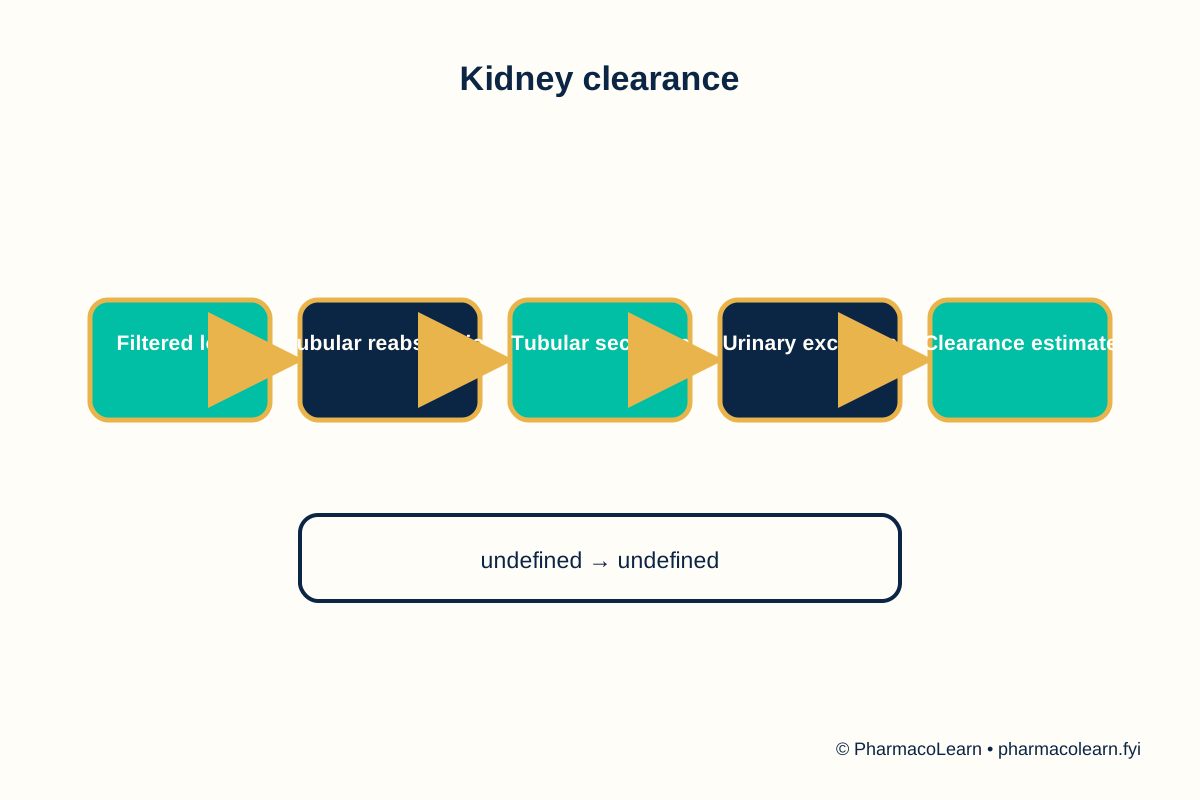
Clearance estimates the virtual volume of plasma cleared of a substance per unit time. For a marker, clearance depends on urine concentration, urine flow, and plasma concentration. Creatinine is produced from muscle metabolism and filtered, with limitations from secretion and changing production. Urea is filtered and variably reabsorbed, so interpretation is affected by hydration and protein metabolism.
Urine concentration testing assesses renal ability to conserve water. Urinary calculi are solid deposits formed when solutes supersaturate, nucleate, grow, and aggregate. Stone evaluation considers composition, urine chemistry, diet, and recurrence risk.
Clinical correlation: reduced filtration may increase exposure to renally cleared medicines. Pharmacists should not infer a dose change from one number without the patient's size, age, trend, and validated equation.
Clinical correlation
Biochemistry connects molecular mechanisms with laboratory findings, medicine effects, organ function, and patient safety. The pharmacist interprets the unit topic with the clinical context rather than relying on an isolated result.
FAQs
Worked example
A new creatinine result is interpreted with its trend, symptoms, urine output, nephrotoxic medicines, body composition, hydration, and the validated dosing method.
FAQs
What does clearance estimate? It estimates the virtual volume of plasma cleared of a substance per unit time.
Why is creatinine limited as a marker? Its interpretation is affected by secretion and changing production.
What can urinalysis reveal? It can reveal renal, metabolic, hepatic, or urinary-tract disease.
Takeaways
- Clearance is a functional estimate, not a direct measurement of every nephron.
- Urinalysis can reveal renal, metabolic, hepatic, or urinary-tract disease.
- Hydration and collection quality affect interpretation.
References: [1], [2], [10].
Mechanism and clinical reasoning
Clearance combines filtration, secretion, reabsorption, and metabolism. A measured urine concentration is meaningful only with accurate timing, volume, and plasma sampling. Creatinine is convenient but is influenced by production, secretion, and changing kidney function. A reduced estimate can increase exposure to renally cleared medicines, but the pharmacist also checks acute trends, body composition, hydration, and the equation appropriate to the medicine.
Clinical application: a new creatinine result is not interpreted in isolation. Compare the trend, assess symptoms and urine output, review nephrotoxic medicines, and use a validated dosing method before recommending an adjustment.
Integrated practice note
Biochemistry links molecular mechanisms with transport, energy use, medicine exposure, laboratory interpretation, organ function, and patient safety. Apply the unit mechanism, check the clinical context, and document the reasoning before acting on a result.
References
PharmacoLearn, Pharm D Year 1 syllabus; Tietz Fundamentals of Clinical Chemistry and Molecular Diagnostics; National Kidney Foundation clinical laboratory guidance.
Unit 10: Liver Function Tests
Syllabus scope
This unit covers the syllabus topics named in the unit title and their biochemical, laboratory, and pharmaceutical applications.
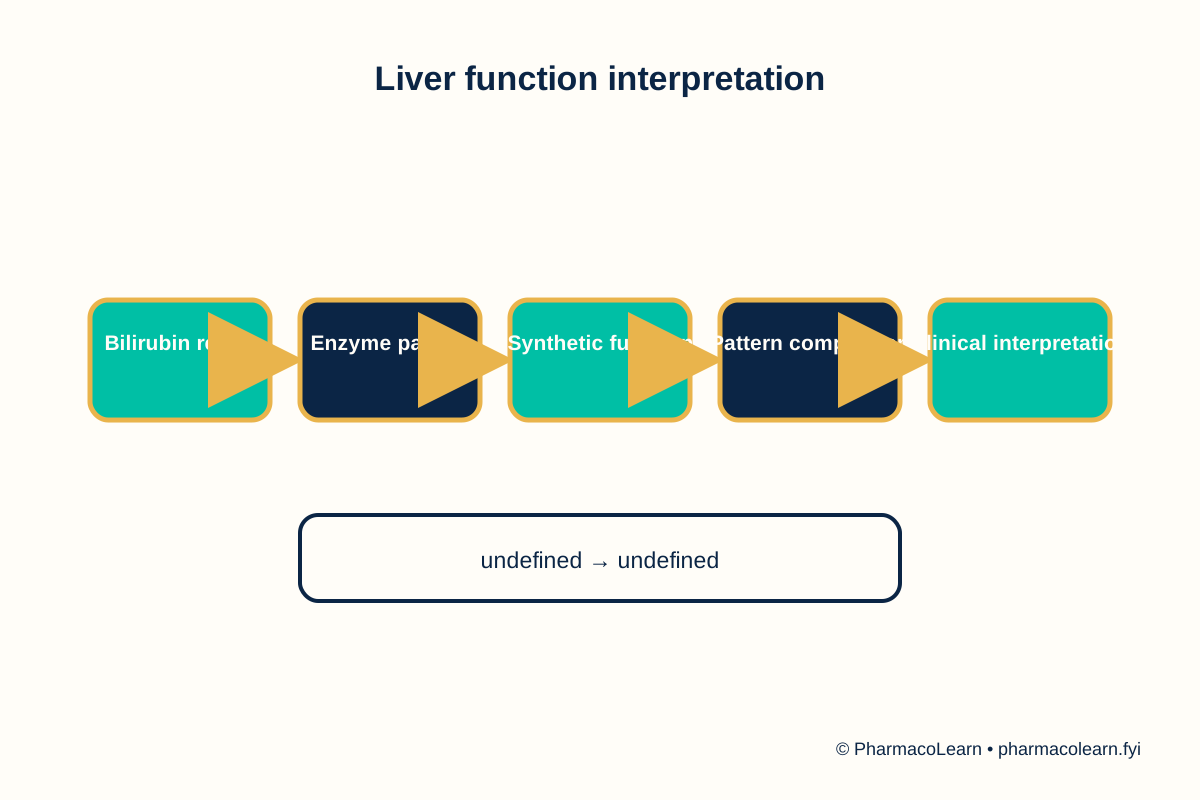
The liver performs metabolic, storage, excretory, protective, circulatory, and coagulation-related functions. It processes nutrients, synthesizes proteins, modifies hormones and medicines, stores glycogen and vitamins, forms bile, and supports immune surveillance.
Bilirubin testing follows the pigment pathway. Heme breakdown produces unconjugated bilirubin, which travels bound to albumin. Hepatocytes take it up, conjugate it, and secrete it into bile. Intestinal metabolism produces urobilinogen, some of which is reabsorbed and excreted in urine. Patterns of serum bilirubin and urine pigments help distinguish production, hepatocellular, and obstructive processes.
Tests based on serum proteins assess synthetic function. Selected enzyme measurements indicate cellular leakage or cholestatic stress but are not individually diagnostic. Dye-excretion tests assess uptake and excretion under the defined protocol.
Clinical correlation: medicines can cause hepatocellular injury, cholestasis, or altered metabolism. Pharmacists monitor symptoms, laboratory trends, dose exposure, and interacting medicines.
Takeaways
- Liver tests represent different functions and injury patterns.
- Enzyme elevation is not identical to loss of synthetic function.
- Interpret results as patterns rather than isolated flags.
References: [1], [2], [7].
Mechanism and clinical reasoning
Bilirubin patterns arise from the balance between production, uptake, conjugation, biliary flow, and intestinal processing. Hepatocellular injury may release intracellular enzymes, while cholestasis may increase markers associated with bile flow. Synthetic tests answer a different question by examining protein production or coagulation support. The pharmacist interprets trends and patterns with medicines, symptoms, alcohol exposure, infection, and underlying disease.
Worked clinical example: a patient with new jaundice and a changing enzyme pattern needs review of recent medicines, dose exposure, timing, and urgent symptoms. A single enzyme value cannot establish the mechanism or severity.
Clinical correlation
Biochemistry connects molecular mechanisms with laboratory findings, medicine effects, organ function, and patient safety. The pharmacist interprets the unit topic with the clinical context rather than relying on an isolated result.
FAQs
Worked example
New jaundice and a changing enzyme pattern require review of recent medicines, dose exposure, timing, and urgent symptoms. A single enzyme value cannot establish mechanism or severity.
FAQs
Does an elevated enzyme always mean loss of liver function? No. Leakage and cholestatic markers may indicate injury or altered flow, while synthetic tests assess a different function.
- Interpret bilirubin, enzymes, and synthetic markers as a pattern.
- Review medicines and trends before attributing causality.
Integrated practice note
Biochemistry links molecular mechanisms with transport, energy use, medicine exposure, laboratory interpretation, organ function, and patient safety. Apply the unit mechanism, check the clinical context, and document the reasoning before acting on a result.
References
PharmacoLearn, Pharm D Year 1 syllabus; Tietz Fundamentals of Clinical Chemistry and Molecular Diagnostics; Henry's Clinical Diagnosis and Management by Laboratory Methods.
Unit 11: Lipid Profile Tests
Syllabus scope
This unit covers the syllabus topics named in the unit title and their biochemical, laboratory, and pharmaceutical applications.
Lipoproteins contain a hydrophobic lipid core and a surface of phospholipid, cholesterol, and apoprotein. Their density and composition determine transport roles. Chylomicrons carry dietary triacylglycerol. Very-low-density lipoproteins carry endogenous triacylglycerol. Low-density lipoproteins deliver cholesterol to tissues. High-density lipoproteins participate in reverse cholesterol transport.
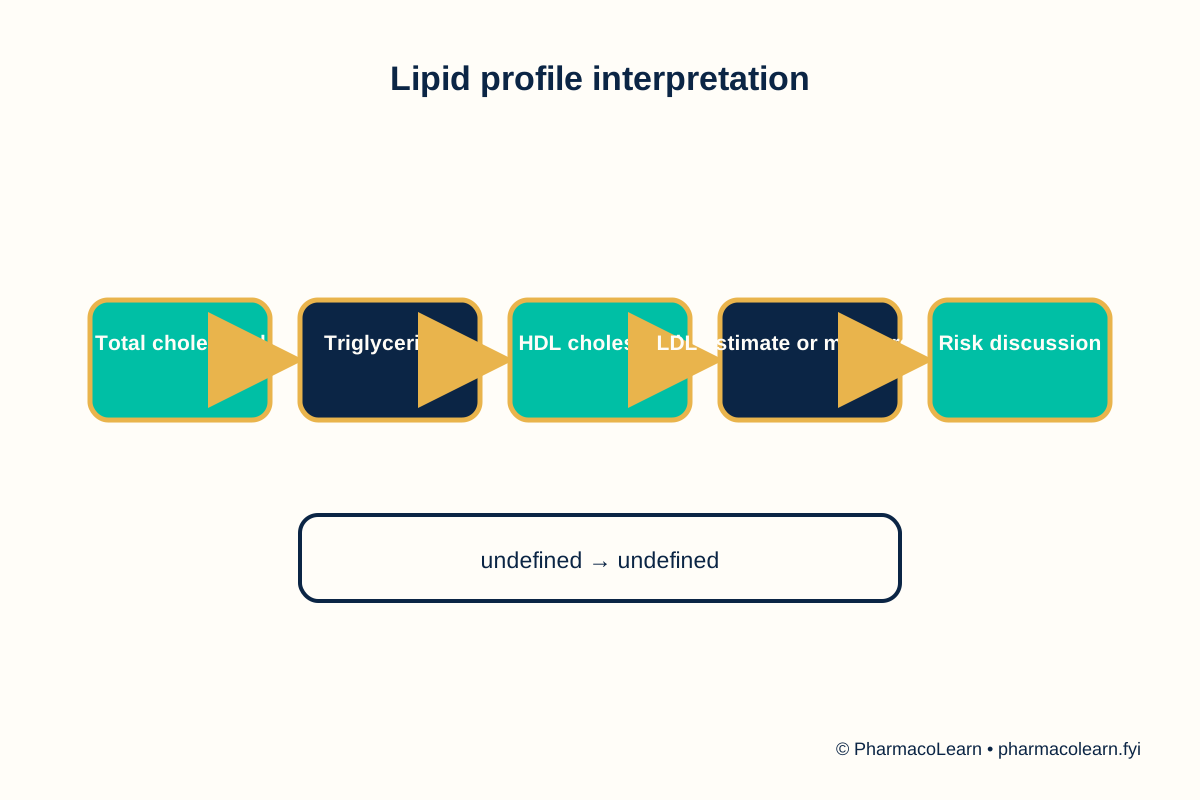
A lipid profile may include total cholesterol, triglycerides, high-density lipoprotein cholesterol, and calculated or measured low-density lipoprotein cholesterol. Calculation formulas have assumptions and may be unreliable when triglycerides are high or sampling conditions differ. Use the laboratory method and current clinical guidance.
Clinical correlation: a profile supports cardiovascular risk assessment and treatment monitoring. The pharmacist should check adherence, timing, interacting medicines, diet, metabolic disease, and muscle or liver adverse effects when relevant.
Takeaways
- Lipoproteins transport insoluble lipids through plasma.
- Interpretation depends on the method, patient risk, and treatment target.
- A lipid result is one component of cardiovascular risk management.
References: [1], [2], [11].
Mechanism and clinical reasoning
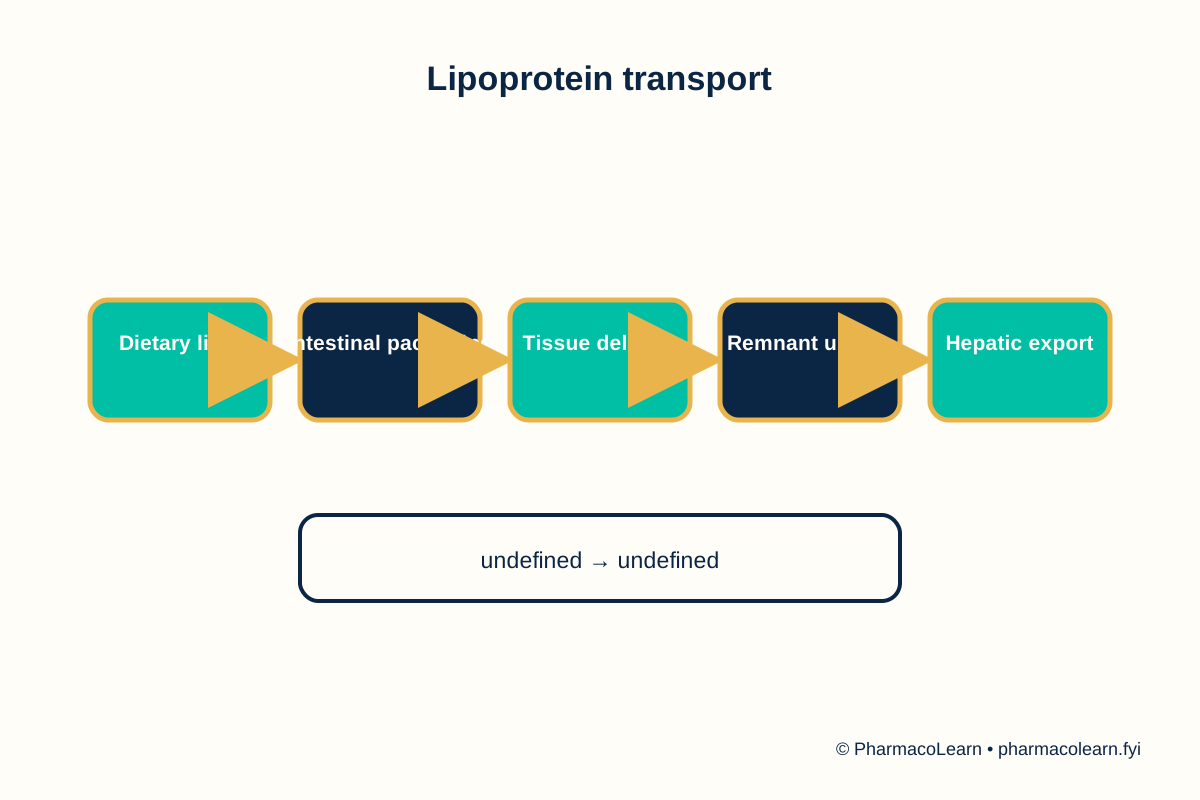
Lipoprotein metabolism is a transport cycle. Dietary particles deliver triglyceride to tissues, remnant particles return to the liver, very-low-density particles distribute endogenous triglyceride, and low-density particles deliver cholesterol. High-density particles participate in reverse transport. Enzymes, receptors, nutritional state, thyroid status, diabetes, medicines, and genetics can alter the measured profile.
Clinical application: the pharmacist reviews the complete risk profile and treatment response. A laboratory target is not interpreted without considering cardiovascular history, adherence, secondary causes, and the current clinical plan.
Clinical correlation
Biochemistry connects molecular mechanisms with laboratory findings, medicine effects, organ function, and patient safety. The pharmacist interprets the unit topic with the clinical context rather than relying on an isolated result.
FAQs
Worked example
A lipid result is interpreted with the laboratory method, patient risk context, adherence, secondary causes, and treatment response rather than as one isolated value.
FAQs
Why can a calculated LDL result be unreliable? The calculation depends on its assumptions, the triglyceride concentration, the sampling conditions, and the method used by the laboratory.
- Review the laboratory method and patient risk context.
- Use trends and treatment response, not one isolated lipid value.
Integrated practice note
Biochemistry links molecular mechanisms with transport, energy use, medicine exposure, laboratory interpretation, organ function, and patient safety. Apply the unit mechanism, check the clinical context, and document the reasoning before acting on a result.
References
PharmacoLearn, Pharm D Year 1 syllabus; Tietz Fundamentals of Clinical Chemistry and Molecular Diagnostics; current cardiovascular laboratory guidance for lipid testing.
Unit 12: Immunochemical Techniques
Syllabus scope
This unit covers the syllabus topics named in the unit title and their biochemical, laboratory, and pharmaceutical applications.
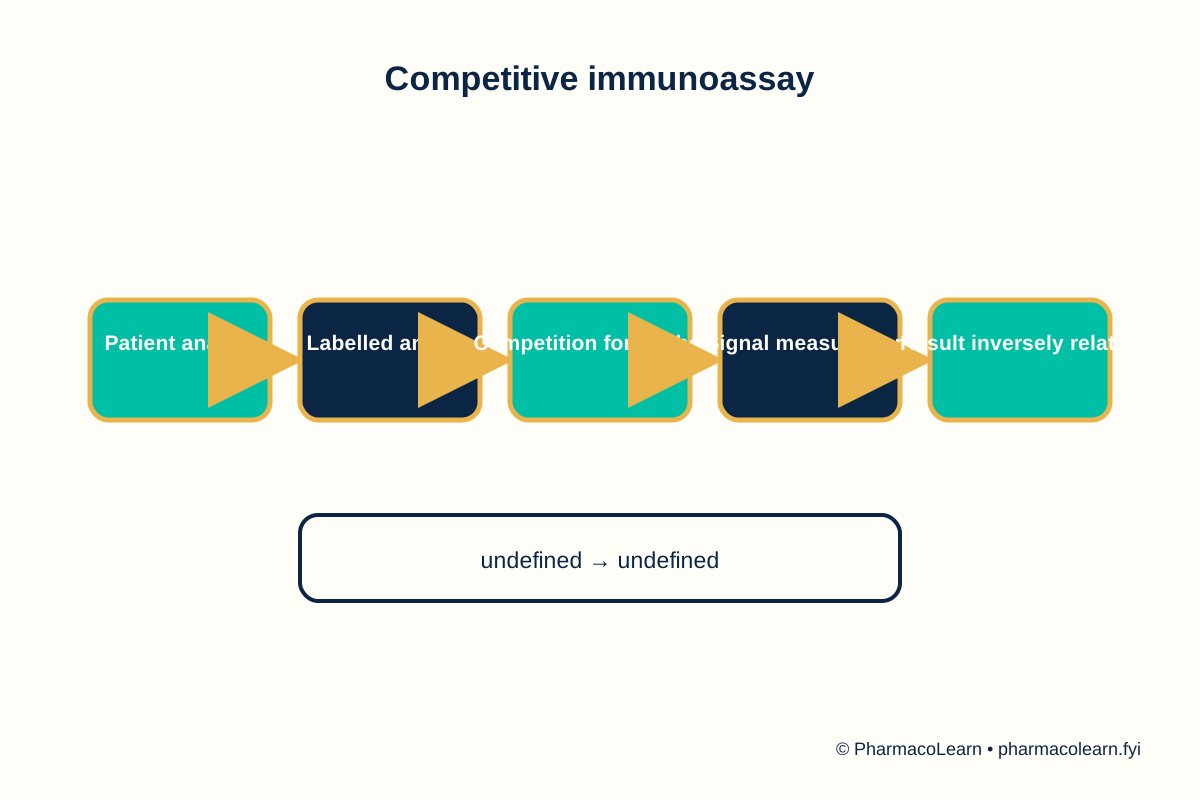
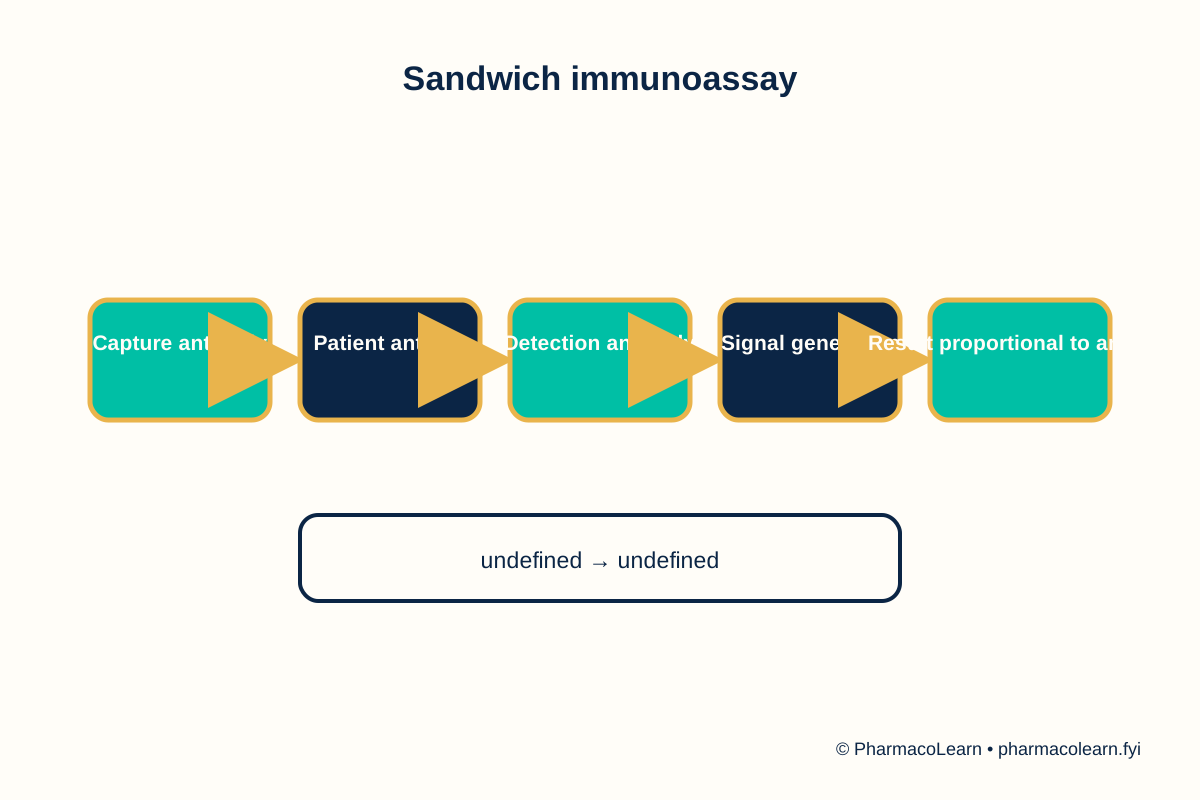
Immunochemical tests use antibody-antigen recognition. In a sandwich assay, a capture antibody binds the analyte, a second labelled antibody binds another site, and signal intensity relates to analyte concentration. In a competitive assay, sample analyte competes with labelled analyte, so signal generally changes inversely with concentration.
Radioimmunoassay uses a radioactive label and requires radiation controls, calibration, separation, and counting. Enzyme-linked immunosorbent assay uses an enzyme label. After binding and washing, substrate is added and the enzyme creates a measurable signal. Controls and standards establish whether the run is valid.
Clinical correlation: immunoassays measure hormones, proteins, antibodies, antigens, and selected medicines. Cross-reactivity, heterophile antibodies, biotin effects, hook effect, and timing can produce misleading results. Unexpected results require laboratory consultation rather than dose changes based on guesswork.
Clinical correlation
Biochemistry connects molecular mechanisms with laboratory findings, medicine effects, organ function, and patient safety. The pharmacist interprets the unit topic with the clinical context rather than relying on an isolated result.
FAQs
Worked example
A result that conflicts with symptoms or another method is discussed with the laboratory for interference, timing, specimen, assay platform, and repeat or alternative testing.
FAQs
How does a sandwich assay work? A capture antibody binds the analyte, and a second labelled antibody binds another site.
How does a competitive assay differ? Sample analyte competes with labelled analyte, so signal generally changes inversely with concentration.
Can immunoassays be misleading? Yes. Cross-reactivity, heterophile antibodies, biotin effects, hook effect, and timing can interfere.
Takeaways
- Binding specificity does not eliminate analytical interference.
- Sandwich and competitive formats have different signal relationships.
- Controls, calibration, and clinical context are essential.
References: [1], [2], [12].
Mechanism and clinical reasoning
Immunoassays translate selective binding into a measurable signal. In a sandwich format, more analyte generally creates more captured labelled complex. In a competitive format, more sample analyte leaves less labelled analyte to bind and the signal generally falls. Washing, calibration, controls, timing, and matrix effects determine whether the signal can be interpreted.
Worked clinical example: a result that conflicts with symptoms or another method is not automatically treated as true or false. The pharmacist contacts the laboratory about interference, timing, specimen, assay platform, and repeat or alternative testing.
Integrated practice note
Biochemistry links molecular mechanisms with transport, energy use, medicine exposure, laboratory interpretation, organ function, and patient safety. Apply the unit mechanism, check the clinical context, and document the reasoning before acting on a result.
References
PharmacoLearn, Pharm D Year 1 syllabus; Wild, The Immunoassay Handbook; Tietz Fundamentals of Clinical Chemistry and Molecular Diagnostics.
Unit 13: Body Water and Electrolytes
Syllabus scope
This unit covers the syllabus topics named in the unit title and their biochemical, laboratory, and pharmaceutical applications.
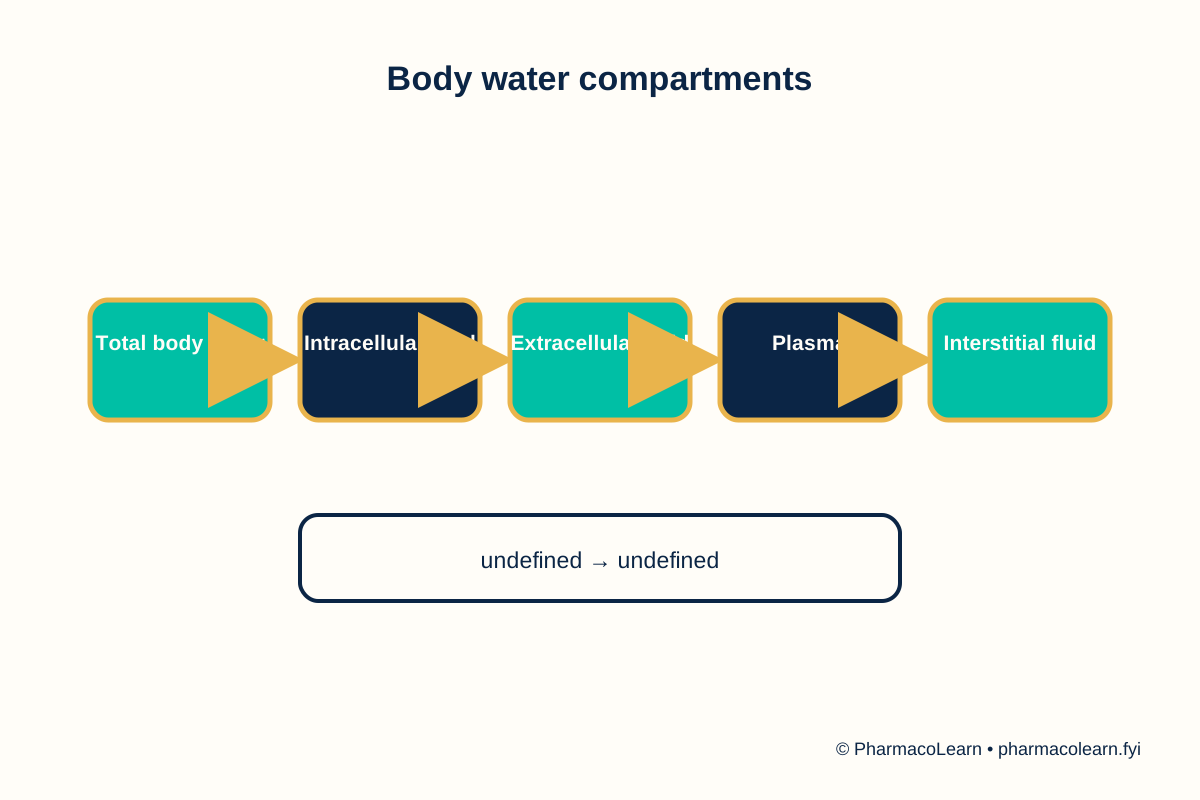
Body water is divided into intracellular and extracellular compartments. Sodium is the major extracellular cation, while potassium is the major intracellular cation. Chloride and bicarbonate are important extracellular anions. Calcium supports bone, contraction, secretion, and signalling. Water balance depends on intake, renal excretion, insensible loss, thirst, antidiuretic hormone, and osmolality.
Step by step, an osmotic change is sensed, hypothalamic pathways alter thirst and antidiuretic hormone release, the kidney changes collecting-duct water permeability, and urine concentration changes. Electrolyte balance depends on filtration, reabsorption, secretion, gastrointestinal loss, and hormonal regulation.
Laboratory determination of sodium, potassium, calcium, chloride, and bicarbonate must use the specimen and analytical method specified by the laboratory. Abnormalities can alter nerve conduction, muscle contraction, rhythm, and consciousness.
Clinical correlation: pharmacists should identify medicine-related electrolyte changes, including diuretic effects, potassium disturbance, and calcium imbalance. Severe symptoms require urgent clinical evaluation.
Numerical reference intervals vary by laboratory, age, specimen, and method. Use the reporting laboratory's current interval and clinical decision guidance.
Mechanism and clinical reasoning
Water balance depends on effective osmolality, thirst, antidiuretic hormone, collecting-duct permeability, and renal solute handling. Sodium concentration reflects the relationship between body sodium and body water, not simply total sodium content. Potassium balance depends on intake, cellular distribution, renal secretion, and hormonal signals. Calcium affects excitable tissues, contraction, secretion, and bone, while bicarbonate participates in acid-base regulation.
Clinical application: a severe electrolyte disturbance can alter rhythm, neuromuscular function, or consciousness. The pharmacist checks symptoms, specimen quality, medicines, renal function, and trend, and escalates urgent abnormalities through the clinical team.
Clinical correlation
Biochemistry connects molecular mechanisms with laboratory findings, medicine effects, organ function, and patient safety. The pharmacist interprets the unit topic with the clinical context rather than relying on an isolated result.
FAQs
Worked example
A severe electrolyte disturbance can alter rhythm, neuromuscular function, or consciousness. The pharmacist checks symptoms, specimen quality, medicines, renal function, and trend.
FAQs
Why can a sodium result change when body sodium has not changed proportionally? Sodium concentration reflects water relative to solute, so water gain or loss can alter the measured concentration.
- Interpret electrolytes with osmolality, volume status, and symptoms.
- Treat urgent clinical features as more important than a number alone.
Document the value, unit, reference interval, specimen, symptoms, and follow-up plan.
Takeaways
- Water follows effective osmoles across permeable compartments.
- Electrolytes are electrical, structural, and regulatory signals.
- Interpret values against the laboratory's reference interval.
References: [1], [2], [13].
Integrated practice note
Biochemistry links molecular mechanisms with transport, energy use, medicine exposure, laboratory interpretation, organ function, and patient safety. Apply the unit mechanism, check the clinical context, and document the reasoning before acting on a result.
References
PharmacoLearn, Pharm D Year 1 syllabus; Boron and Boulpaep, Medical Physiology; Tietz Fundamentals of Clinical Chemistry and Molecular Diagnostics.
Diagrams
Other Year 1 subjects: Human Anatomy and Physiology · Pharmaceutics · Medicinal Biochemistry · Pharmaceutical Organic Chemistry · Pharmaceutical Inorganic Chemistry · Remedial Mathematics / Biology · Year 1 · Pharm D