
Human Anatomy and Physiology — Pharm D Year 1
Notes for Human Anatomy and Physiology, Pharm D Year 1, organised unit by unit following the PCI Pharm D syllabus. 11 units, 20 diagrams. About 5,285 words of notes.
Syllabus: Pharm D Year 1 syllabus
Practicals: Human Anatomy and Physiology practicals
Units in this subject
- Unit 1: Scope, Terminology, and the Cell
- Unit 2: Elementary Tissues
- Unit 3: Osseous System and Joints
- Unit 4: Haemopoietic System and Lymph
- Unit 5: Cardiovascular System
- Unit 6: Respiratory System
- Unit 7: Digestive System
- Unit 8: Nervous System
- Unit 9: Urinary and Endocrine Systems
- Unit 10: Reproductive System and Sense Organs
- Unit 11: Skeletal Muscle and Sports Physiology
Unit 1: Scope, Terminology, and the Cell
Syllabus scope
This unit covers anatomical terminology, planes and positions, homeostasis, feedback control, cell structure, organelles, membranes, and transport.
1. Scope and basic anatomical language
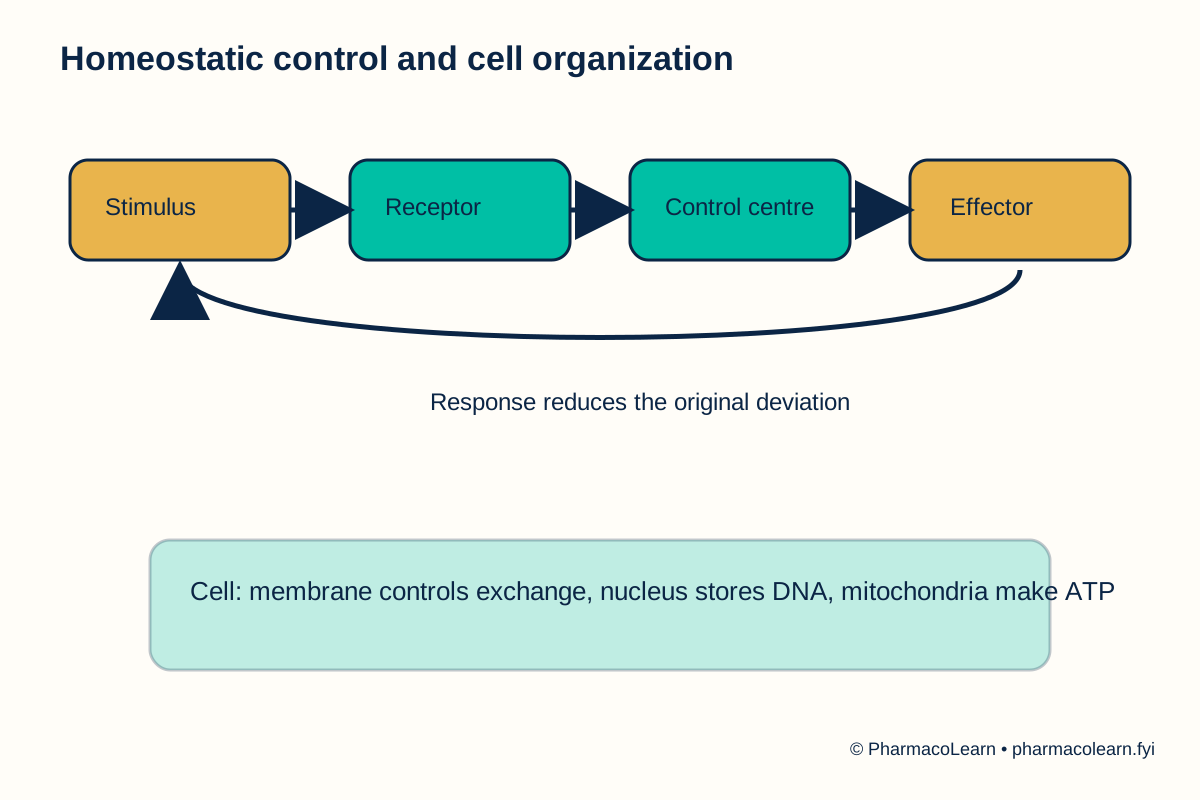
Anatomy studies body structure. Physiology studies how those structures work. Gross anatomy examines structures visible without a microscope. Histology examines tissues microscopically. Homeostasis is the maintenance of a relatively stable internal environment despite external change. A homeostatic control system contains a stimulus, receptor, afferent pathway, integrating centre, efferent pathway, and effector.
The anatomical position is standing upright, face forward, arms at the sides, palms forward, and feet directed forward. Superior means toward the head, inferior toward the feet, anterior toward the front, posterior toward the back, medial toward the midline, lateral away from the midline, proximal nearer the point of attachment, distal farther away, superficial nearer the surface, and deep farther from the surface. The sagittal plane divides right and left, the frontal plane divides anterior and posterior, and the transverse plane divides superior and inferior portions.
Step by step, a negative feedback loop works as follows: a variable deviates from its set range, a receptor detects the deviation, the control centre compares it with the desired range, an effector acts, and the deviation decreases. For example, increased blood glucose stimulates insulin secretion, which increases glucose uptake and storage, reducing blood glucose.
Clinical correlation: poor use of directional terms can cause errors in describing a wound, injection site, or imaging finding. A pharmacist should interpret anatomical directions accurately when counselling on topical application, injection sites, or adverse effects.
2. Cell structure and function
The plasma membrane is a phospholipid bilayer containing proteins, cholesterol, and carbohydrates. It provides selective permeability, cell recognition, signalling, and transport. The nucleus stores DNA and regulates gene expression. Ribosomes synthesize proteins. Rough endoplasmic reticulum synthesizes membrane and secreted proteins. Smooth endoplasmic reticulum participates in lipid synthesis, calcium storage, and detoxification. The Golgi apparatus modifies and sorts proteins. Mitochondria generate ATP by oxidative phosphorylation. Lysosomes digest cellular material. Peroxisomes oxidize selected fatty acids and detoxify reactive compounds. The cytoskeleton provides shape, transport tracks, and movement.
Transport occurs by simple diffusion, facilitated diffusion, osmosis, active transport, endocytosis, and exocytosis. Simple diffusion moves a substance down its electrochemical gradient. Active transport uses energy to move a substance against its gradient. In receptor-mediated endocytosis, a ligand binds a receptor, the membrane invaginates, a vesicle forms, and the cargo is processed.
Worked example: if a solution is hypertonic to a red blood cell, water leaves the cell by osmosis. The cell shrinks because the membrane allows water movement but does not allow the major extracellular solute to cross rapidly.
Clinical correlation: membrane transport determines absorption, distribution, and elimination of medicines. Damage to mitochondria reduces ATP production and can impair active transport and cell survival.
Clinical correlation
Anatomical precision matters when a medicine is applied, injected, dispensed, or monitored. The pharmacist uses location, direction, tissue, and cell-function language to communicate safely with patients and the clinical team.
Worked example
If blood glucose rises, receptors and control centres detect the change, insulin secretion increases, cells take up or store glucose, and the variable moves toward its controlled range. This illustrates negative feedback rather than a static set point.
FAQs
Why is homeostasis not a fixed value? It is a controlled range that changes with activity, age, meals, and circadian rhythms.
Why are mitochondria important to pharmacists? Mitochondrial injury can explain fatigue, organ toxicity, and tissue-selective adverse effects.
Takeaways
- Anatomy describes location and structure, while physiology explains function.
- Negative feedback stabilizes body variables.
- Organelles divide cellular work into specialized processes.
Integrated practice note
Anatomical language and cell physiology form the vocabulary for later units. When a medicine produces an adverse effect, the pharmacist can describe the affected location, identify the relevant cell or tissue process, and connect the symptom to transport, signalling, energy use, or homeostatic control.
References
- Pharmacy Council of India, Pharm.D. Regulations 2008, Year 1 syllabus: https://pharmacolearn.fyi/syllabus/pharm-d/year-1/
- Guyton and Hall, Textbook of Medical Physiology.
- Alberts et al., Molecular Biology of the Cell.
Unit 2: Elementary Tissues
Syllabus scope
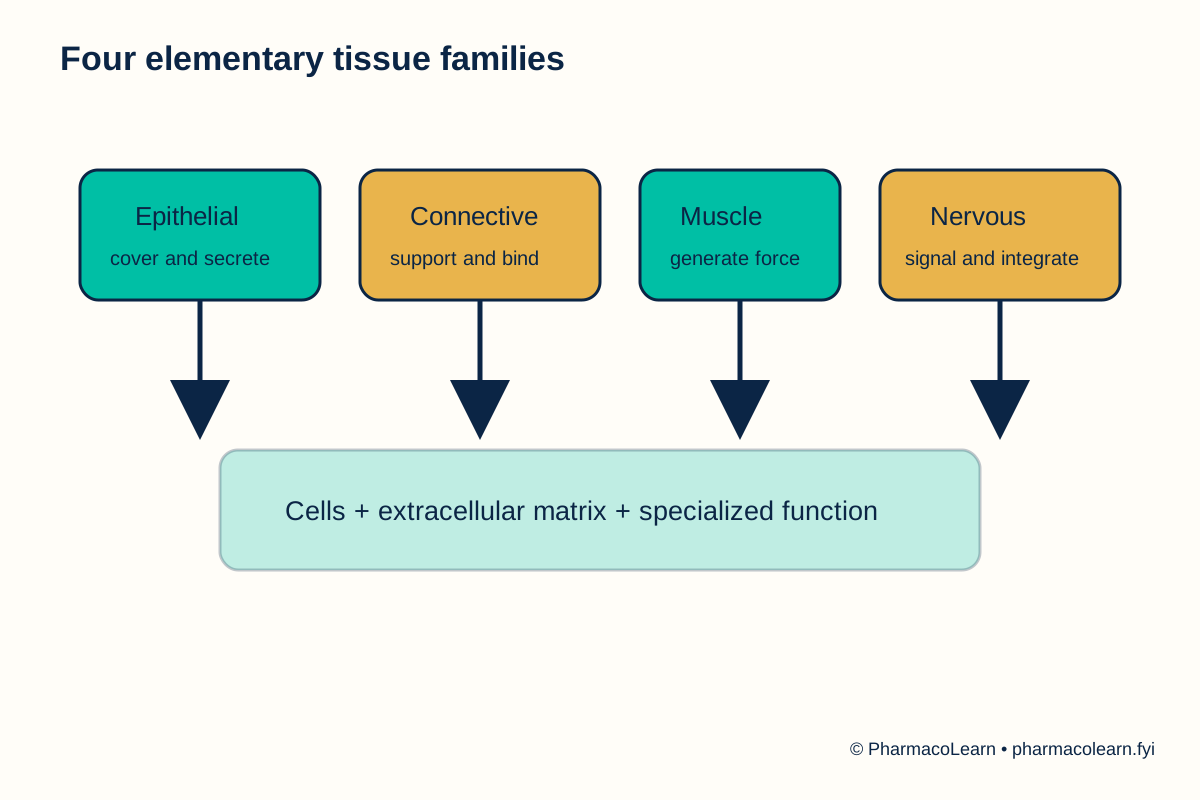
This unit covers epithelial, connective, muscle, and nervous tissues, including their structure, function, repair, and clinical relevance.
Epithelial tissue
Epithelial tissue covers surfaces, lines cavities, and forms glands. Cells are closely packed and rest on a basement membrane. Classification uses cell shape and layers: simple squamous, simple cuboidal, simple columnar, pseudostratified columnar, stratified squamous, stratified cuboidal, stratified columnar, and transitional epithelium. Simple squamous epithelium supports diffusion, while stratified squamous epithelium resists abrasion.
Step by step, epithelial secretion occurs when a cell takes up precursor molecules, synthesizes the product, packages it, and releases it by exocytosis or another secretory process. Exocrine glands retain ducts. Endocrine glands release products into interstitial fluid and then blood.
Clinical correlation: epithelial barriers influence absorption and infection. Oral, intestinal, skin, and respiratory epithelia differ in permeability and protective function, affecting dosage-form design and drug exposure.
Connective tissue
Connective tissue contains cells separated by extracellular matrix. Fibres may be collagenous, elastic, or reticular. Loose connective tissue supports vessels and nerves. Dense connective tissue forms tendons and ligaments. Adipose tissue stores energy and secretes signalling molecules. Cartilage supports and cushions. Bone provides support and mineral storage. Blood is a fluid connective tissue.
Repair begins with inflammation, followed by cell proliferation and matrix deposition, then remodelling. Platelets and inflammatory mediators form an early response. Fibroblasts produce matrix. Collagen is reorganized as the tissue matures.
Muscle tissue
Skeletal muscle is voluntary and striated. Cardiac muscle is striated, branched, and electrically connected. Smooth muscle is non-striated and involuntary. Contraction follows excitation, calcium release, regulatory protein activation, actin-myosin interaction, and ATP-dependent cycling.
Nervous tissue
Neurons receive, integrate, and transmit signals. Glial cells support, nourish, insulate, and defend neural tissue. A nerve impulse depends on changes in membrane permeability to ions. Synaptic transmission occurs when an action potential opens calcium channels, vesicles release transmitter, and the transmitter changes the postsynaptic membrane.
Clinical correlation: demyelination slows conduction, while epithelial injury increases barrier permeability. Both mechanisms can change medicine response and toxicity.
Clinical correlation
Tissue barriers influence absorption, local irritation, infection risk, healing, and medicine distribution. The pharmacist considers whether a symptom reflects epithelial injury, connective-tissue change, muscle dysfunction, or neural impairment.
FAQs
Why does tissue structure matter? Structure predicts function and explains why injury produces characteristic symptoms.
Takeaways
- Epithelia protect, absorb, secrete, and exchange.
- Connective tissue supports, binds, stores, and transports.
- Muscle and nervous tissues provide movement and communication.
Worked example
A superficial abrasion damages a protective epithelial layer. Repair begins with inflammation, followed by cell proliferation and matrix deposition, and then remodelling. The pharmacist considers barrier damage when counselling about topical products and infection risk.
Integrated practice note
Tissue structure helps predict medicine distribution and injury. A medicine crossing an epithelial barrier, binding to connective-tissue proteins, affecting muscle contraction, or altering neural transmission may produce different effects because the tissue mechanisms are different.
References
- Pharmacy Council of India, Pharm.D. Regulations 2008, Year 1 syllabus: https://pharmacolearn.fyi/syllabus/pharm-d/year-1/
- Ross and Pawlina, Histology: A Text and Atlas.
- Junqueira's Basic Histology: Text and Atlas.
Unit 3: Osseous System and Joints
Syllabus scope
This unit covers bone structure, bone cells, remodelling, mineral balance, joint classification, movements, and common clinical correlations.
Bone
Bone consists of cells and mineralized extracellular matrix. Osteoblasts form matrix, osteocytes maintain it, and osteoclasts resorb it. Compact bone is organized into osteons. Spongy bone contains trabeculae aligned with mechanical stress. The periosteum supplies vessels, nerves, and osteogenic cells. Bone stores calcium and phosphate, protects organs, enables movement, and houses marrow.
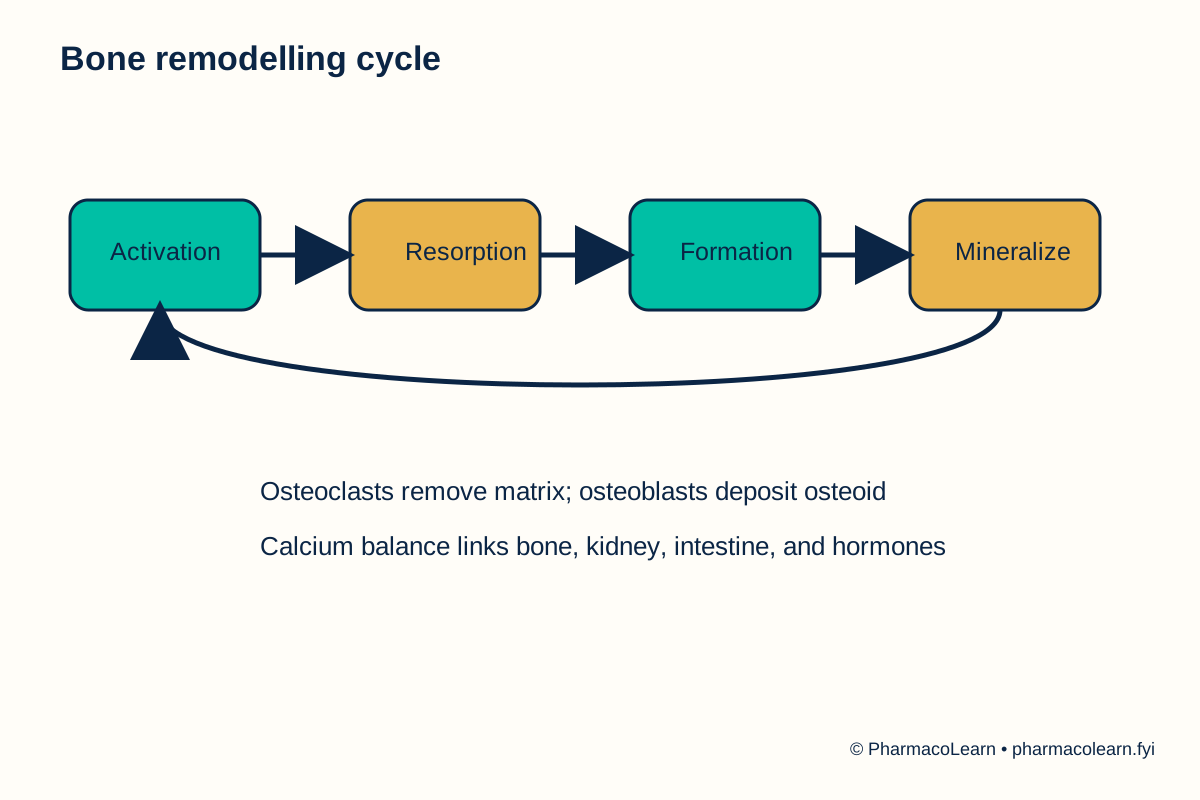
Bone remodelling proceeds through activation, resorption, reversal, formation, and mineralization. Osteoclasts attach to bone, acidify a sealed compartment, dissolve mineral, and digest matrix. Osteoblasts then deposit osteoid, which becomes mineralized. Parathyroid hormone raises blood calcium partly by increasing signalling that promotes osteoclast activity through bone cells. Vitamin D supports intestinal calcium absorption and mineral balance.
Worked example: when dietary calcium falls, parathyroid hormone increases renal calcium conservation and stimulates vitamin D activation. The resulting rise in intestinal absorption helps restore calcium concentration. Persistent imbalance can weaken bone.
Joints
Fibrous joints are connected by dense connective tissue. Cartilaginous joints are connected by cartilage. Synovial joints contain a cavity, articular cartilage, capsule, synovial membrane, and synovial fluid. Joint movement includes flexion, extension, abduction, adduction, rotation, circumduction, pronation, supination, elevation, depression, inversion, and eversion.
Movement occurs when muscles generate force across a joint. The joint surface, capsule, ligaments, and synovial fluid guide movement and limit excessive motion.
Clinical correlation: osteoporosis reflects reduced bone strength and fracture risk. Osteoarthritis involves cartilage loss and altered joint mechanics. Inflammatory arthritis can damage synovium and cartilage. Pharmacists should recognize pain, swelling, stiffness, and medicine-related fracture risks.
Clinical correlation
Bone and joint findings should be considered with mobility, pain, swelling, fracture risk, mineral balance, and medicine exposure. Structural knowledge helps the pharmacist identify when self-care advice is insufficient and referral is needed.
FAQs
Why is marrow clinically important? It is a major site of blood-cell production and can be affected by disease or toxic medicines.
What is the difference between osteoblast and osteoclast? Osteoblasts build bone; osteoclasts resorb it.
Takeaways
- Bone is living tissue that continuously remodels.
- Calcium balance links bone, kidney, intestine, and endocrine control.
- Joint structure determines the permitted movement and injury pattern.
Worked example
A patient with persistent joint pain and swelling has a different mechanism from a patient with gradual cartilage loss. The pharmacist records whether symptoms suggest inflammation, mechanical change, fracture risk, or medicine-related injury and refers for assessment when warning signs are present.
Integrated practice note
Bone and joint physiology connects structure, movement, mineral balance, and medicine safety. Review calcium-related medicines, fracture risk, mobility, pain, and fall risk together rather than treating a musculoskeletal complaint as an isolated symptom.
References
- Pharmacy Council of India, Pharm.D. Regulations 2008, Year 1 syllabus: https://pharmacolearn.fyi/syllabus/pharm-d/year-1/
- Guyton and Hall, Textbook of Medical Physiology.
- Gray's Anatomy for Students.
Unit 4: Haemopoietic System and Lymph
Syllabus scope
This unit covers blood components, haemopoiesis, haemostasis, blood groups, lymph formation and flow, lymph nodes, spleen, and immune surveillance.
Blood and haemopoiesis
Blood contains plasma, red blood cells, white blood cells, and platelets. Plasma carries water, proteins, nutrients, hormones, electrolytes, and waste. Red cells transport oxygen using haemoglobin and carry part of the carbon dioxide load. White cells defend against infection. Platelets support haemostasis.
Haemopoiesis begins with hematopoietic stem cells in red marrow. Stem cells self-renew or form progenitors. Progenitors differentiate into erythroid, myeloid, and lymphoid lineages under growth-factor control. Erythropoietin from the kidney increases red-cell production when tissue oxygen delivery is low.
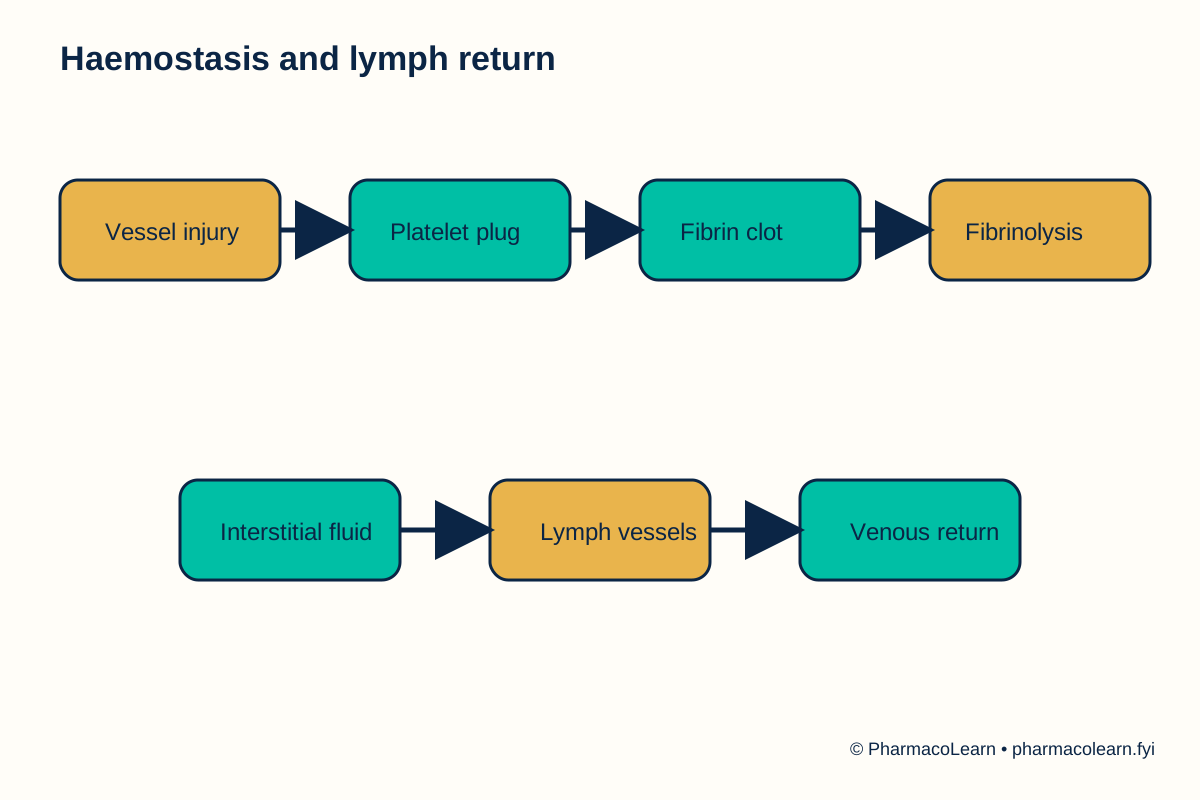
Clotting proceeds through vessel constriction, platelet adhesion and activation, coagulation-factor activation, thrombin generation, fibrin formation, and clot stabilization. Fibrinolysis later limits the clot. Blood groups depend on red-cell antigens and plasma antibodies. Transfusion incompatibility can cause antibody-mediated red-cell destruction.
Clinical correlation: anaemia reduces oxygen delivery and may cause fatigue, pallor, or breathlessness. Thrombocytopenia increases bleeding risk. Anticoagulants reduce clot formation but require monitoring for haemorrhage and interactions.
Lymph and lymphatic system
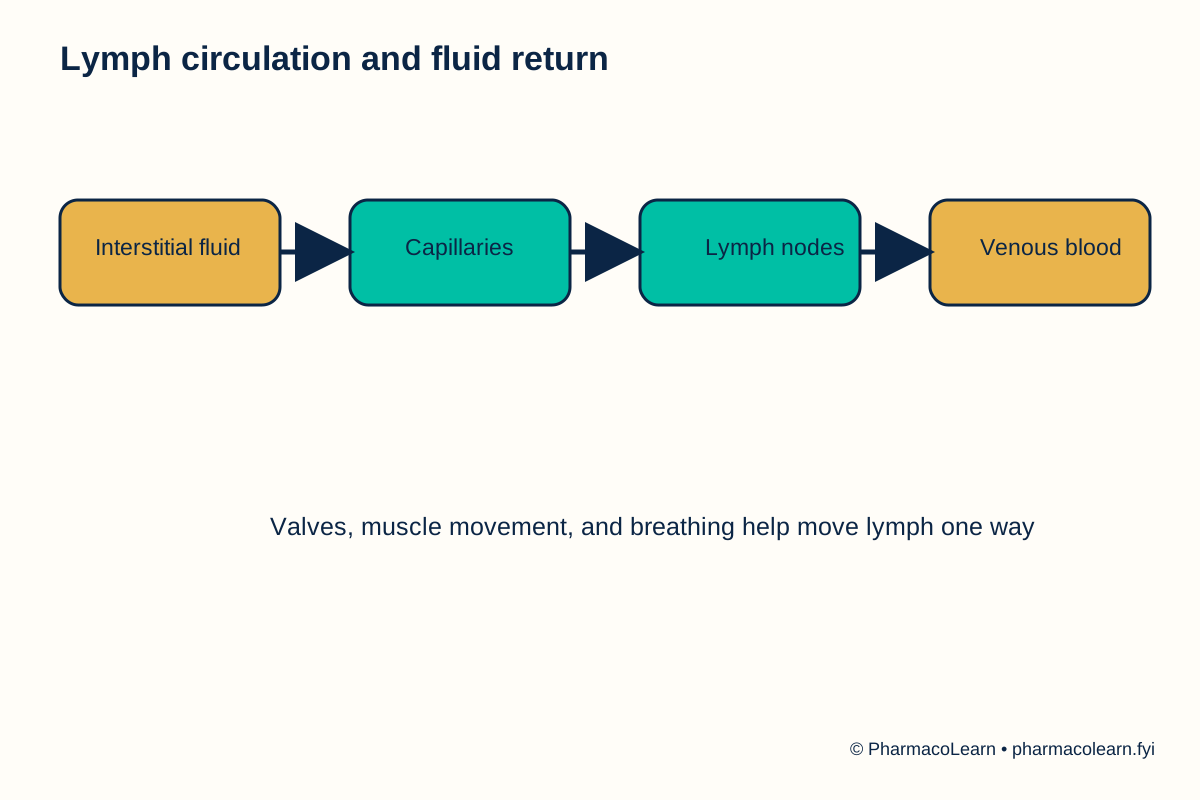
Interstitial fluid enters lymphatic capillaries through overlapping endothelial flaps. Lymph moves through collecting vessels, nodes, trunks, and ducts, assisted by valves, skeletal-muscle movement, and breathing. The right lymphatic duct drains the upper right region. The thoracic duct drains most of the body and empties into the venous system.
Lymph nodes filter lymph. The spleen filters blood, removes aged red cells, supports immune responses, and stores some blood cells. Lymphocytes recognize antigens, coordinate immunity, and generate memory.
Worked example
Obstruction of lymph drainage increases interstitial fluid because filtration continues while return decreases. The result is lymphoedema, often involving swelling and tissue thickening.
Clinical correlation
Changes in red cells, white cells, platelets, clotting, or lymph drainage can alter oxygen delivery, infection defence, bleeding risk, or swelling. The pharmacist reviews the relevant medicine profile and escalates concerning symptoms or laboratory trends.
FAQs
Why does low erythropoietin cause anaemia? The marrow receives less stimulation to produce red cells.
Takeaways
- Blood transports, defends, and maintains internal balance.
- Haemostasis must balance bleeding prevention with protection from thrombosis.
- Lymph returns fluid and supports immune surveillance.
Integrated practice note
Blood and lymph systems should be considered together when evaluating fatigue, bleeding, swelling, infection risk, or medicine effects. The pharmacist checks the relevant cell line, the likely mechanism, anticoagulant or antiplatelet exposure, and the need for timely clinical review.
References
- Pharmacy Council of India, Pharm.D. Regulations 2008, Year 1 syllabus: https://pharmacolearn.fyi/syllabus/pharm-d/year-1/
- Guyton and Hall, Textbook of Medical Physiology.
- Hoffbrand's Essential Haematology.
Unit 5: Cardiovascular System
Syllabus scope
This unit covers the heart, circulation, cardiac cycle, conduction system, ECG events, cardiac output, blood pressure, and cardiovascular clinical correlations.
Heart and circulation
The heart has right and left atria, right and left ventricles, valves, a conduction system, and coronary vessels. The right side pumps deoxygenated blood to the lungs. The left side pumps oxygenated blood to systemic tissues. Pulmonary circulation connects heart and lungs. Coronary circulation supplies the myocardium. Systemic circulation supplies the body.
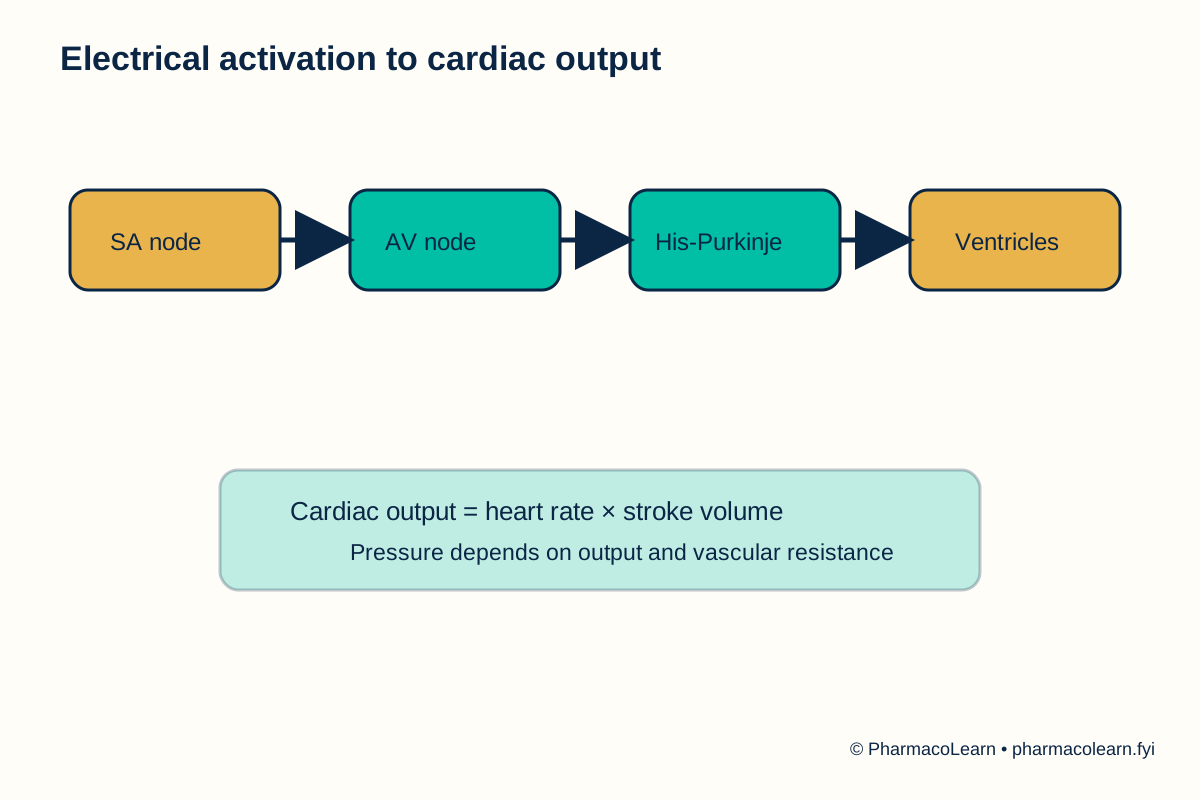
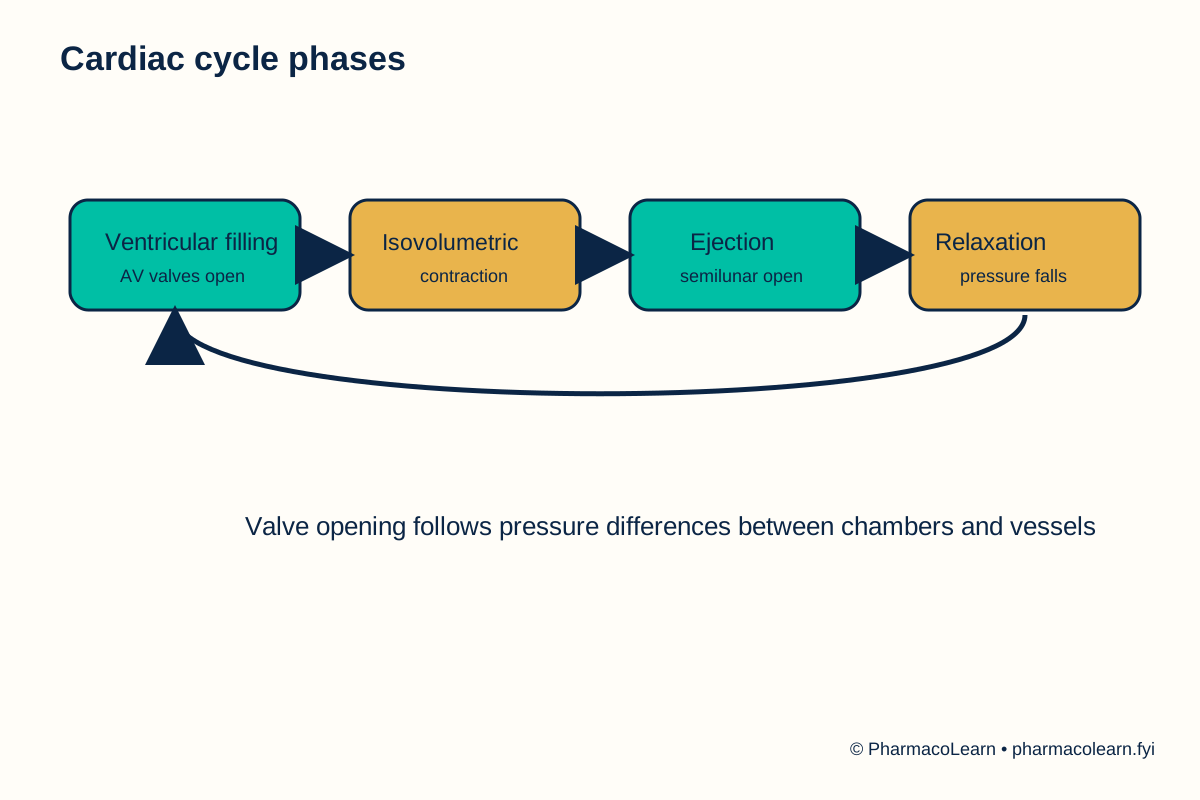
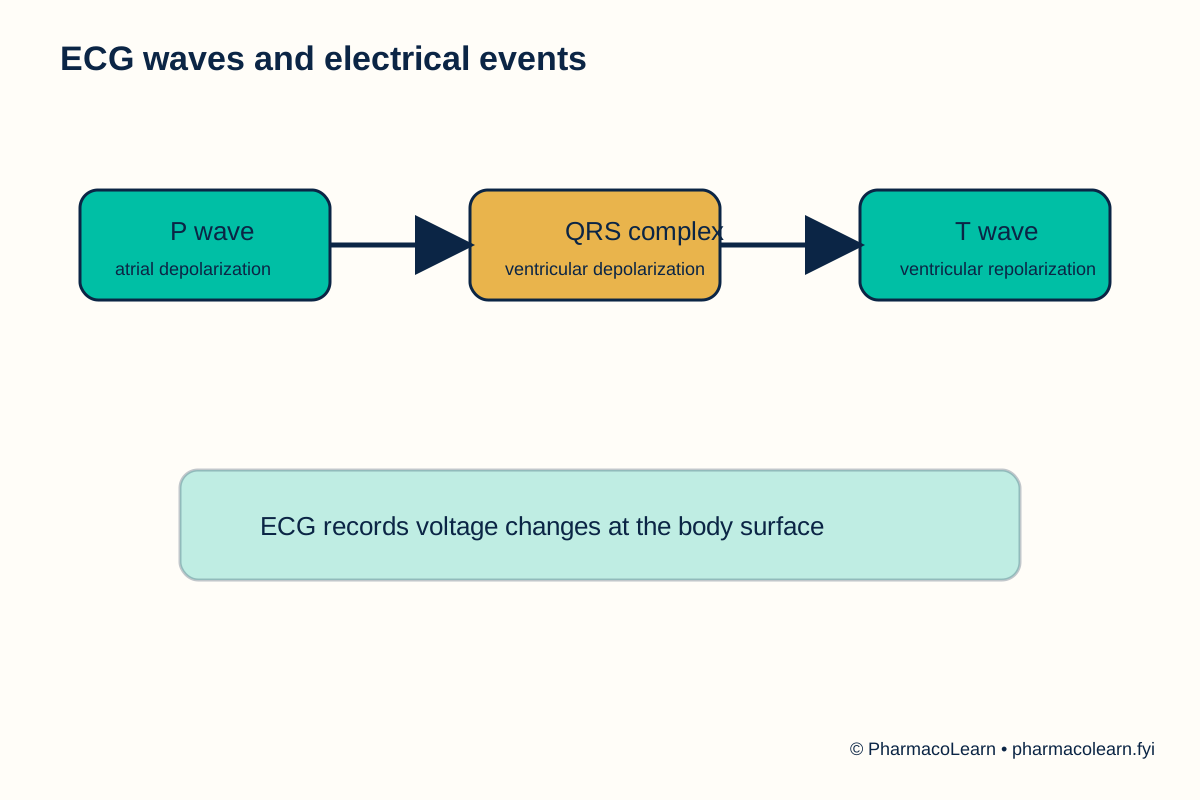
The cardiac cycle consists of ventricular filling, isovolumetric contraction, ventricular ejection, and isovolumetric relaxation. Electrical excitation begins in the sinoatrial node, spreads through the atria, pauses at the atrioventricular node, travels through the conducting bundle, and activates the ventricles. The ECG records electrical events: atrial depolarization, ventricular depolarization, and ventricular repolarization.
Step by step, blood pressure depends mainly on cardiac output and systemic vascular resistance. Cardiac output equals heart rate multiplied by stroke volume. Baroreceptors sense stretch in major arteries. When pressure falls, autonomic output increases heart rate, contractility, and vasoconstriction. When pressure rises, the opposite response reduces pressure.
Worked example: if heart rate is 70 beats per minute and stroke volume is 70 mL, cardiac output is 4,900 mL per minute, or 4.9 L per minute.
Clinical correlation: hypertension increases vascular and cardiac workload. Atherosclerosis narrows arteries through plaque formation. Angina reflects transient myocardial oxygen mismatch. Myocardial infarction reflects prolonged ischaemia with tissue injury. Heart failure reduces effective forward flow and may cause congestion. Arrhythmias disturb impulse formation or conduction.
Clinical correlation
Cardiovascular physiology connects symptoms and measurements to cardiac output, vascular resistance, electrical conduction, and tissue perfusion. The pharmacist checks adherence, interacting medicines, pulse or pressure concerns, and urgent symptoms.
FAQs
Why can a fast heart rate reduce filling? Diastole shortens, leaving less time for ventricular filling.
Takeaways
- Valves enforce one-way flow.
- Electrical activation coordinates mechanical contraction.
- Blood pressure reflects cardiac output, vascular resistance, and regulatory reflexes.
Worked example
If stroke volume falls while heart rate remains unchanged, cardiac output falls because cardiac output equals heart rate multiplied by stroke volume. Reflex responses may increase heart rate and vascular resistance, but the clinical effect depends on the cause and the patient’s reserve.
Integrated practice note
Cardiovascular counselling links symptoms, circulation, medicines, adherence, and monitoring. The pharmacist recognizes chest pain, fainting, new breathlessness, palpitations, or swelling as findings that may require urgent clinical assessment.
References
- Pharmacy Council of India, Pharm.D. Regulations 2008, Year 1 syllabus: https://pharmacolearn.fyi/syllabus/pharm-d/year-1/
- Guyton and Hall, Textbook of Medical Physiology.
- Ganong's Review of Medical Physiology.
Unit 6: Respiratory System
Syllabus scope
This unit covers respiratory anatomy, ventilation, gas exchange, respiratory regulation, lung volumes, pressure-related injury, oxygen therapy, and resuscitation principles.
Anatomy and ventilation
The respiratory tract includes the nose, pharynx, larynx, trachea, bronchi, bronchioles, and alveoli. The lungs are covered by pleura. The diaphragm and intercostal muscles change thoracic volume. During quiet inspiration, diaphragm contraction increases thoracic volume, intrapulmonary pressure falls, and air enters. During expiration, elastic recoil reduces volume and pushes air out.
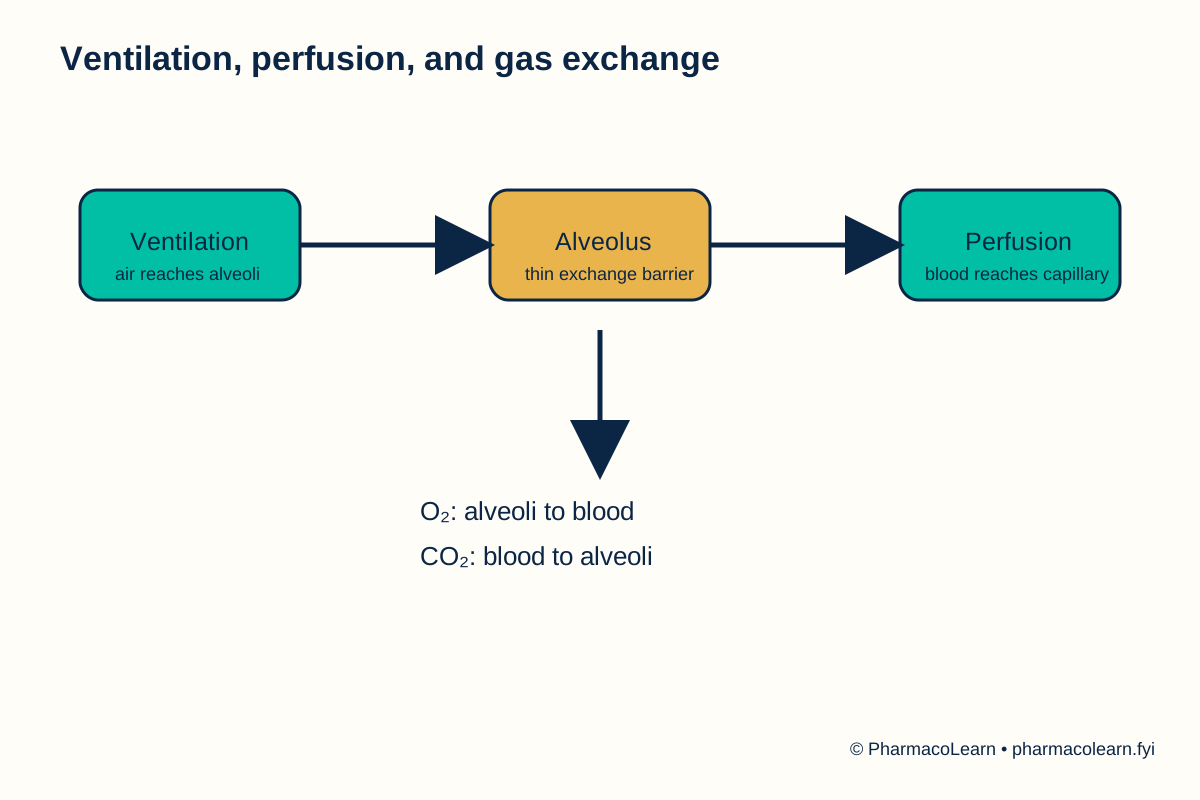
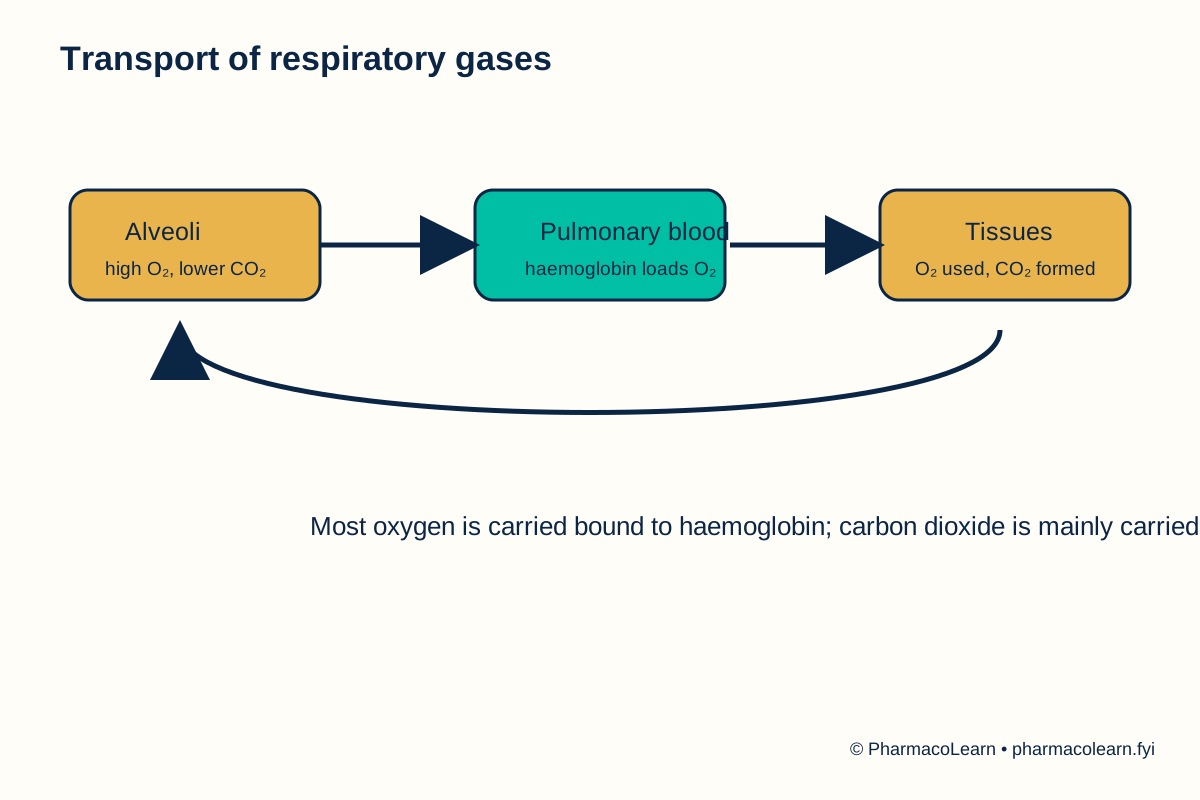
Gas exchange occurs across the thin alveolar-capillary barrier. Oxygen moves from alveoli to blood because its partial pressure is higher in alveolar gas. Carbon dioxide moves from blood to alveoli because its partial pressure is higher in venous blood. Ventilation brings gas to alveoli; perfusion brings blood to them. Efficient exchange requires matching of both.
Respiratory regulation begins with medullary and pontine networks. Central chemoreceptors respond mainly to changes related to carbon dioxide and cerebrospinal-fluid acidity. Peripheral chemoreceptors respond to arterial oxygen, carbon dioxide, and pH. Increased carbon dioxide generally stimulates ventilation.
Respiratory volumes include tidal volume, inspiratory reserve volume, expiratory reserve volume, residual volume, vital capacity, and total lung capacity. Exact normal values vary with age, sex, body size, and method. Use the reporting laboratory or pulmonary-function service reference for patient-specific interpretation rather than applying a universal value.
Clinical correlation: hypoxia is inadequate tissue oxygenation. Asphyxia is severe oxygen deprivation, often with carbon dioxide retention. Dybarism results from pressure changes and dissolved-gas effects. Oxygen therapy requires correct indication and monitoring because excess oxygen can also be harmful in selected patients. Resuscitation aims to restore ventilation and circulation.
Clinical correlation
Respiratory symptoms must be interpreted with oxygenation, ventilation, work of breathing, exposure history, and medicine use. The pharmacist checks inhaler technique, sedative or respiratory-depressant exposure, oxygen instructions, and escalation signs.
Worked example
If airway radius decreases, resistance rises and more pressure is required to maintain airflow. The patient may therefore experience increased work of breathing even before a numerical lung-volume result is available.
FAQs
Why does airway narrowing increase work? Resistance rises sharply as airway radius falls, so greater pressure is needed to move the same airflow.
Takeaways
- Ventilation moves air; perfusion moves blood.
- Partial-pressure gradients drive gas exchange.
- Chemoreceptors and brainstem networks regulate breathing.
Integrated practice note
Ventilation, perfusion, gas exchange, and respiratory drive should be reviewed as linked processes. A pharmacist connects the mechanism of a respiratory medicine with device use, oxygen monitoring, adherence, and the patient’s ability to recognize deterioration.
References
- Pharmacy Council of India, Pharm.D. Regulations 2008, Year 1 syllabus: https://pharmacolearn.fyi/syllabus/pharm-d/year-1/
- Guyton and Hall, Textbook of Medical Physiology.
- West's Respiratory Physiology.
Unit 7: Digestive System
Syllabus scope
This unit covers the gastrointestinal tract, accessory organs, digestion, absorption, bile, pancreatic secretions, and digestive clinical correlations.
Gastrointestinal tract and accessory organs
The gastrointestinal tract includes mouth, pharynx, oesophagus, stomach, small intestine, large intestine, rectum, and anal canal. Its wall contains mucosa, submucosa, muscularis, and serosa or adventitia. The liver, gallbladder, and pancreas are accessory organs.
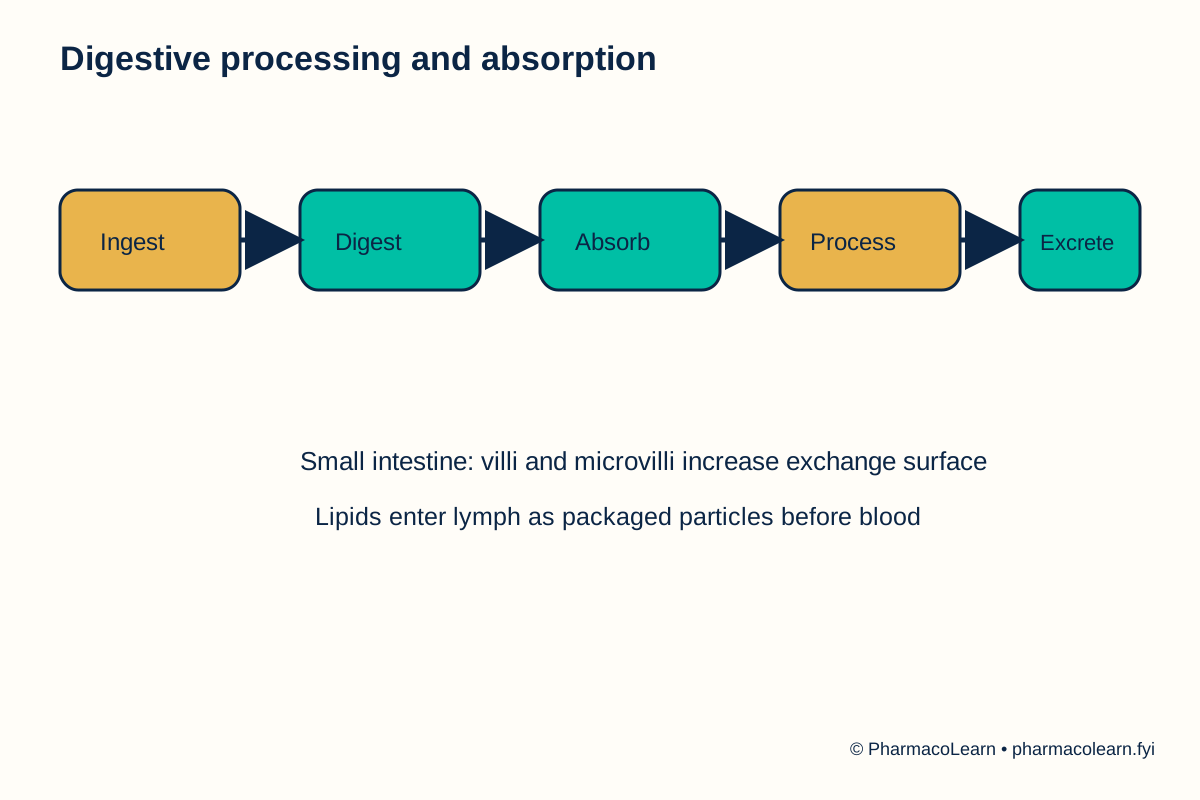
Digestion proceeds through ingestion, propulsion, mechanical breakdown, chemical digestion, absorption, and defecation. Salivary enzymes begin carbohydrate digestion. The stomach stores food, mixes it, secretes acid and enzymes, and releases chyme. The small intestine completes most digestion and absorption. Villi and microvilli increase surface area. The colon absorbs water and electrolytes and forms faeces.
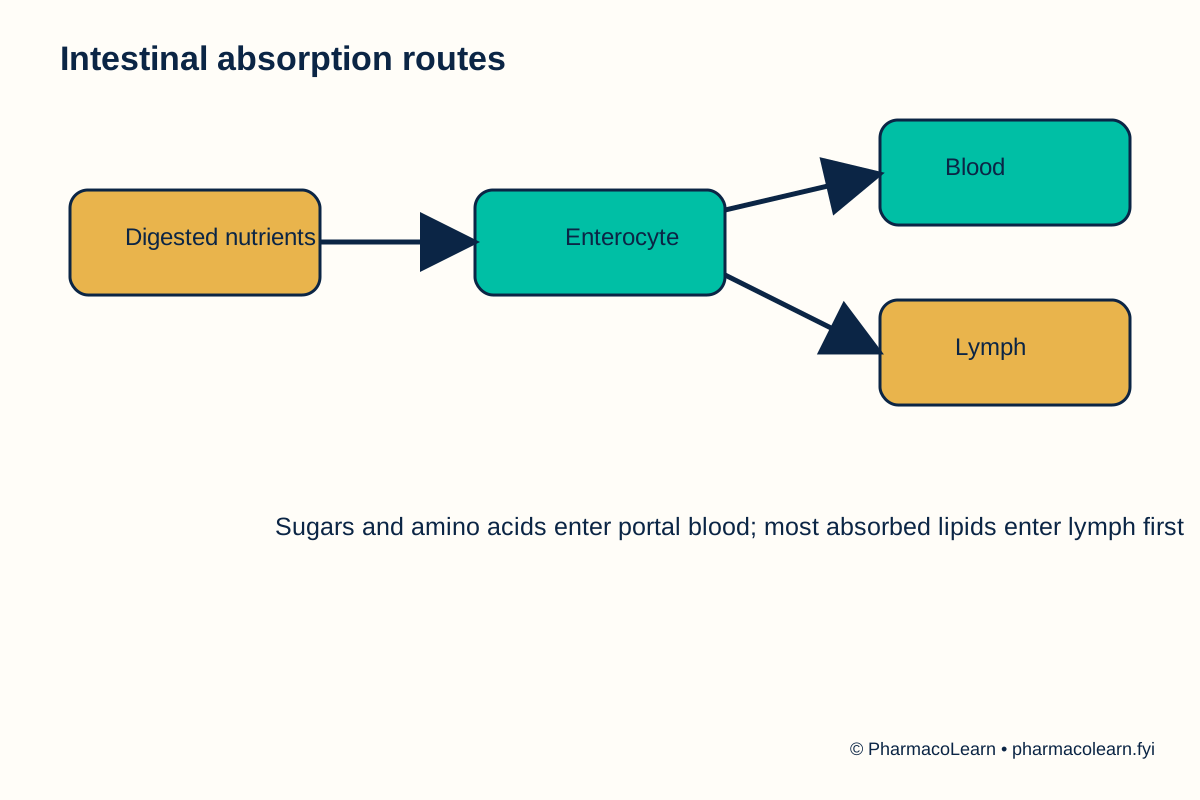
Step by step, a nutrient is digested into absorbable units, crosses the intestinal epithelium, enters blood or lymph, travels to the liver or systemic circulation, and is distributed or metabolized. Bile emulsifies lipids, allowing pancreatic lipase to act more efficiently. Lipid products enter enterocytes, are packaged into chylomicrons, and enter lymph before reaching blood.
Clinical correlation: diarrhoea can reduce absorption and cause fluid loss. Malabsorption may produce nutrient deficiency. Liver dysfunction can alter first-pass metabolism, protein synthesis, and drug clearance. Pancreatic insufficiency can impair digestion.
Clinical correlation
Digestive symptoms should be linked to hydration, nutrition, absorption, medicine exposure, and organ function. The pharmacist checks diarrhoea, vomiting, malabsorption risk, food interactions, and signs that require referral.
Worked example
If bile delivery is reduced, lipid emulsification and subsequent absorption can be impaired. The pharmacist considers whether a medicine or nutrient requires adequate gastrointestinal processing and refers persistent or severe symptoms.
FAQs
Why are villi important? They increase absorptive surface and contain blood and lymphatic channels.
Takeaways
- The gastrointestinal tract digests, absorbs, and eliminates.
- The liver modifies nutrients and medicines after intestinal absorption.
- Bile and pancreatic secretions are essential for efficient digestion.
Integrated practice note
The digestive system connects local digestion with hepatic processing and systemic exposure. Medication counselling should include route, food, timing, hydration, formulation, and the patient’s ability to absorb and use the medicine.
References
- Pharmacy Council of India, Pharm.D. Regulations 2008, Year 1 syllabus: https://pharmacolearn.fyi/syllabus/pharm-d/year-1/
- Guyton and Hall, Textbook of Medical Physiology.
- Boron and Boulpaep, Medical Physiology.
Unit 8: Nervous System
Syllabus scope
This unit covers central and peripheral organization, major brain regions, spinal pathways, reflexes, cranial nerves, and autonomic divisions.
Organization and major regions
The nervous system is divided into central and peripheral parts. The central nervous system includes brain and spinal cord. The peripheral system includes cranial and spinal nerves. Functionally, sensory pathways carry information inward, motor pathways carry commands outward, and the autonomic system regulates organs.
The cerebrum supports conscious sensation, movement, language, memory, and association. The frontal, parietal, temporal, and occipital lobes contain specialized but interconnected areas. The cerebellum coordinates timing, posture, balance, and motor learning. The midbrain contributes to eye movements, reflexes, and motor pathways. The thalamus relays many sensory signals. The hypothalamus regulates temperature, appetite, water balance, endocrine control, and autonomic function. Basal ganglia circuits help select and scale movement.
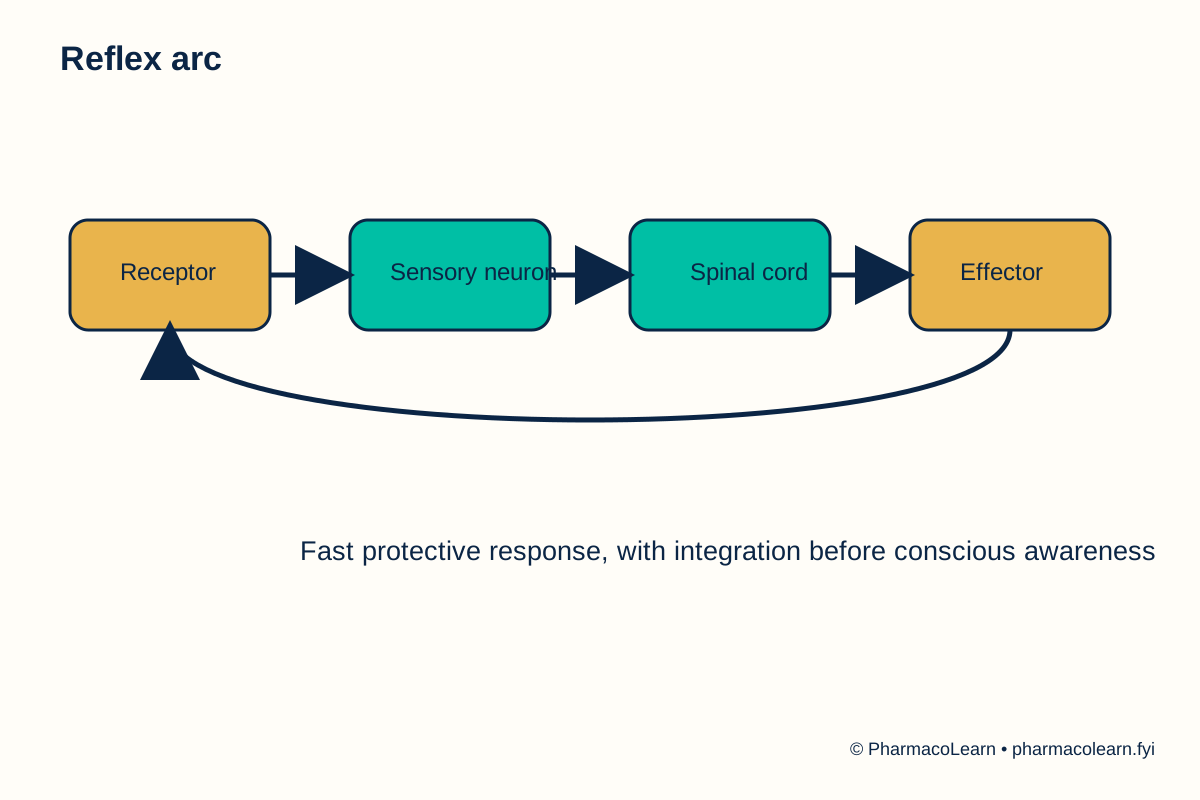
The spinal cord contains ascending sensory and descending motor tracts. A reflex arc includes receptor, sensory neuron, integration centre, motor neuron, and effector. A monosynaptic reflex uses one central synapse. A polysynaptic reflex uses interneurons. Plantar responses assess descending motor control.
Cranial nerves carry sensory, motor, or mixed functions. The sympathetic division generally supports alert activity. The parasympathetic division generally supports rest, digestion, and energy conservation. Both use two-neuron pathways from the central nervous system to target organs.
Clinical correlation: autonomic dysfunction can alter blood pressure, heart rate, bowel function, sweating, and bladder control. Central lesions may produce deficits that help localize the affected pathway.
Clinical correlation
Neurologic assessment links the site of a lesion to the affected pathway and function. The pharmacist considers cognition, movement, sensation, autonomic symptoms, adherence ability, sedation, and fall risk when supporting medicine use.
Worked example
If a reflex arc is interrupted at the sensory neuron, integration centre, motor neuron, or effector, the observed response changes for a different reason. Localizing the interruption helps explain the finding and guides referral.
FAQs
Why can a small lesion cause a large deficit? A compact tract may carry many fibres serving different body regions.
Takeaways
- The nervous system integrates sensory input and coordinates responses.
- Reflexes are rapid protective circuits.
- Autonomic balance regulates involuntary organ function.
Integrated practice note
Nervous-system counselling should account for sensory, cognitive, motor, and autonomic function. Use accessible instructions and confirm understanding when impairment may affect safe dosing, device use, balance, or recognition of adverse effects.
References
- Pharmacy Council of India, Pharm.D. Regulations 2008, Year 1 syllabus: https://pharmacolearn.fyi/syllabus/pharm-d/year-1/
- Guyton and Hall, Textbook of Medical Physiology.
- Blumenfeld, Neuroanatomy through Clinical Cases.
Unit 9: Urinary and Endocrine Systems
Syllabus scope
This unit covers nephron structure, urine formation, renal regulation, acid-base balance, micturition, endocrine glands, hormones, axes, and feedback control.
Urinary system
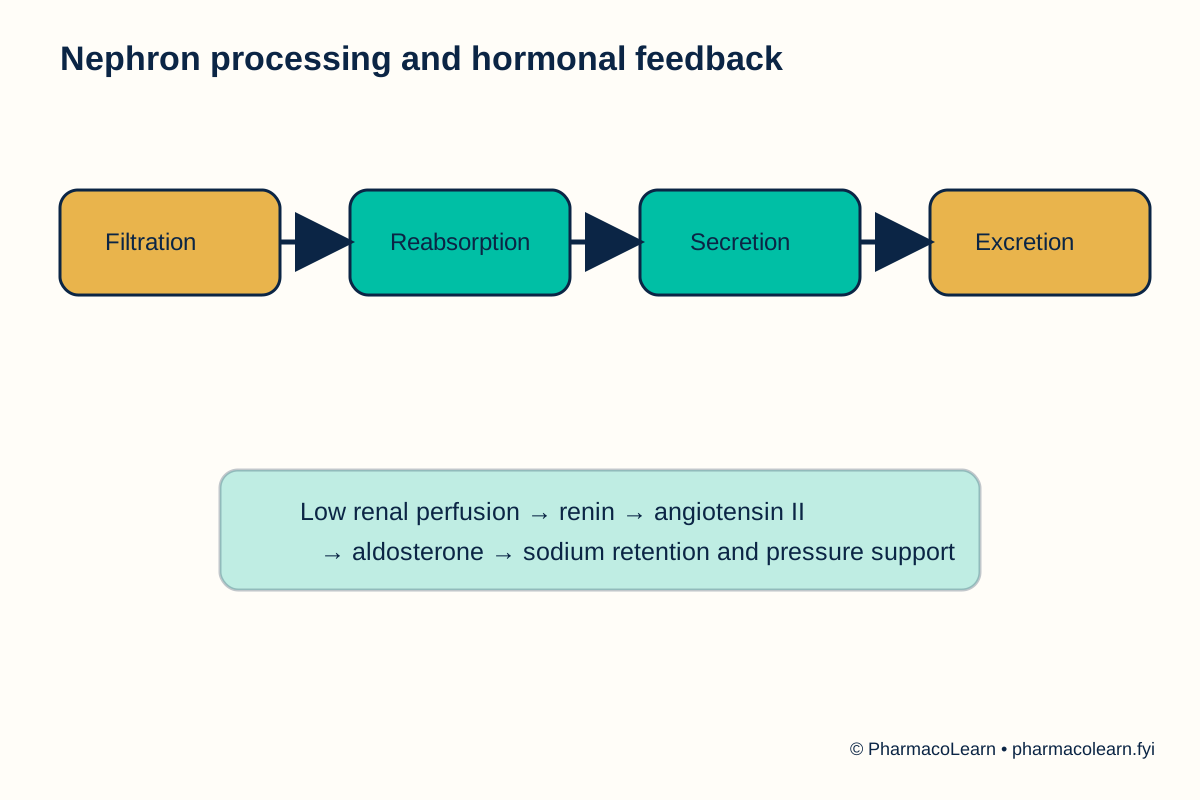
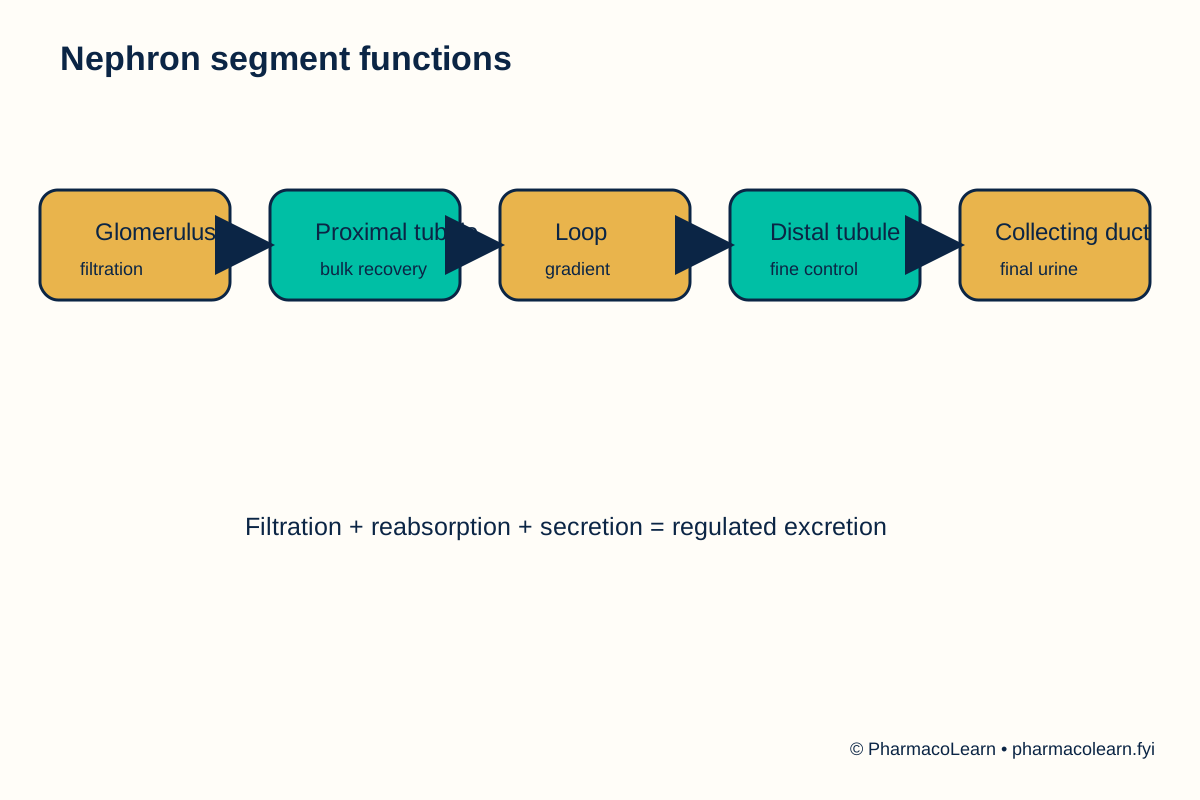
The kidneys contain nephrons made of a glomerulus, capsule, tubules, and collecting duct. Urine formation includes filtration, reabsorption, secretion, and excretion. Filtration moves water and small solutes from glomerular blood into the capsule. Reabsorption returns selected substances to blood. Secretion moves selected substances from blood to tubular fluid. Excretion is the final amount leaving the body.
The juxtaglomerular apparatus senses tubular sodium chloride and renal perfusion. Reduced effective renal perfusion stimulates renin release. Renin begins the renin-angiotensin-aldosterone system. Angiotensin II supports vasoconstriction and aldosterone release. Aldosterone increases sodium reabsorption and potassium secretion in appropriate nephron segments.
The kidneys regulate acid-base balance by reabsorbing bicarbonate, secreting hydrogen ions, and generating new bicarbonate. Clearance estimates how effectively plasma is cleared of a substance. Micturition requires bladder stretch signalling, spinal coordination, and controlled relaxation of sphincters.
Endocrine system
Endocrine glands release hormones into blood. The pituitary coordinates several axes. Thyroid hormones raise metabolic activity and support development. Parathyroid hormone increases calcium concentration. Adrenal cortex hormones regulate salt balance, metabolism, and stress responses. The adrenal medulla releases catecholamines. Pancreatic hormones regulate glucose. Gonadal hormones support reproductive function.
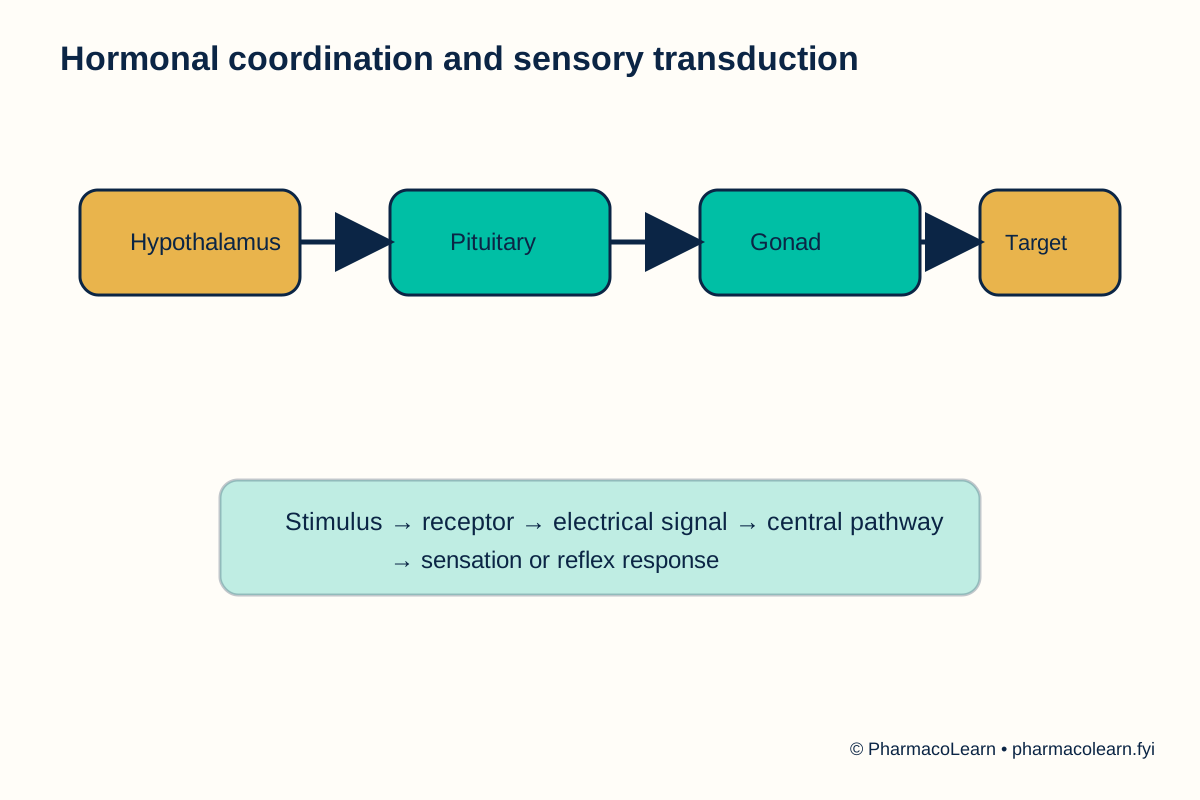
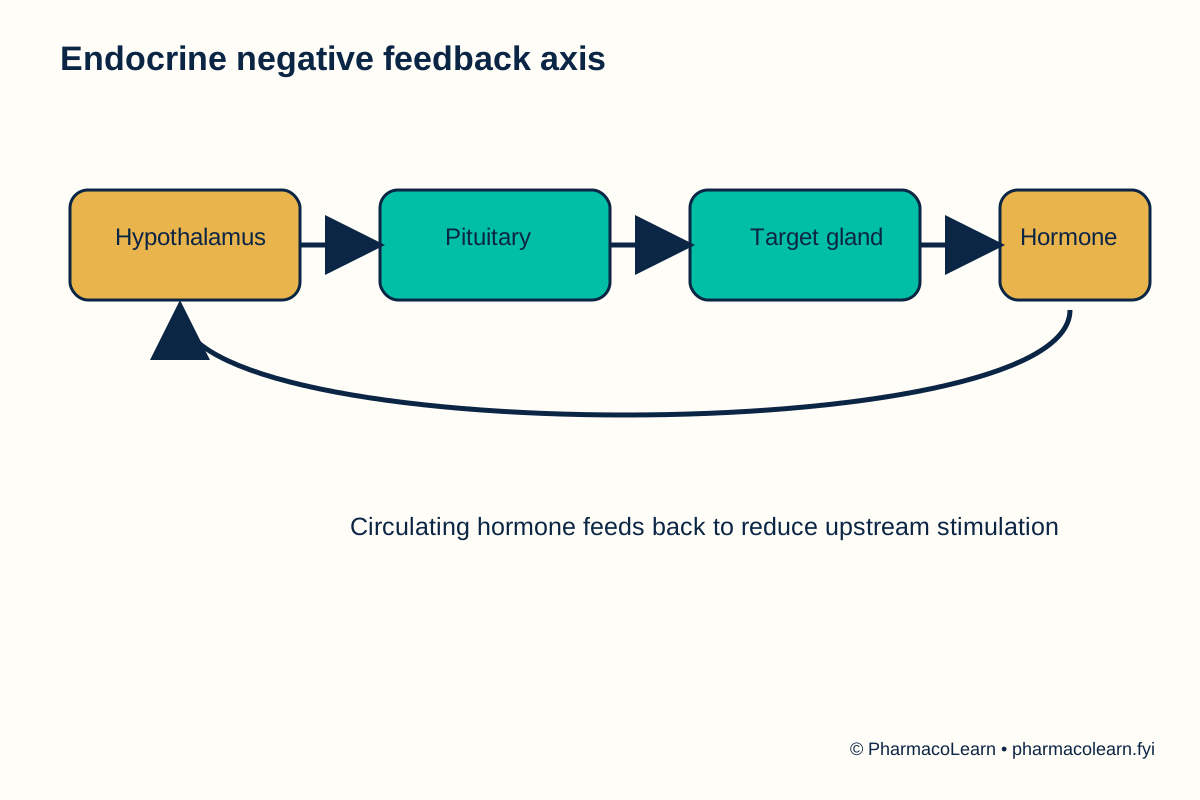
Hormonal control often uses negative feedback. A hypothalamic signal stimulates pituitary secretion, the pituitary stimulates a peripheral gland, and the peripheral hormone feeds back to reduce upstream stimulation.
Clinical correlation: renal impairment can reduce medicine clearance and increase toxicity. Endocrine disorders can alter glucose, electrolytes, blood pressure, growth, and reproduction.
Clinical correlation
Renal and endocrine findings affect fluid balance, electrolytes, glucose, blood pressure, metabolism, medicine clearance, and reproduction. The pharmacist interprets trends with symptoms and medicines rather than relying on one result.
Worked example
Reduced renal perfusion can activate renin release, increase downstream hormonal signalling, promote sodium retention, and support vasoconstriction. The pharmacist connects this mechanism with blood pressure, fluid status, renal function, and medicine monitoring.
FAQs
Why is renal function central to pharmacy? Many medicines or metabolites leave through the kidneys, so reduced filtration may require dose adjustment.
Takeaways
- The nephron maintains fluid, electrolyte, acid-base, and waste balance.
- Renin links renal perfusion with blood pressure regulation.
- Endocrine axes coordinate distant organs through hormones and feedback.
Integrated practice note
Renal and endocrine systems interact through fluid balance, blood pressure, electrolytes, metabolism, and medicine clearance. Review laboratory trends, symptoms, hydration, endocrine medicines, and renal dosing together, especially when the patient is acutely unwell.
References
- Pharmacy Council of India, Pharm.D. Regulations 2008, Year 1 syllabus: https://pharmacolearn.fyi/syllabus/pharm-d/year-1/
- Guyton and Hall, Textbook of Medical Physiology.
- Brenner and Rector's The Kidney.
Unit 10: Reproductive System and Sense Organs
Syllabus scope
This unit covers reproductive anatomy and physiology, gametogenesis, menstrual and reproductive cycles, pregnancy, parturition, contraception, and the sense organs.
Reproductive system
The male system includes testes, ducts, accessory glands, and external structures. The female system includes ovaries, uterine tubes, uterus, cervix, vagina, and external structures. Gonadotropins regulate gamete production and gonadal hormone secretion. Spermatogenesis produces sperm through mitosis, meiosis, differentiation, and maturation. Oogenesis involves follicular development, meiosis, and ovulation.
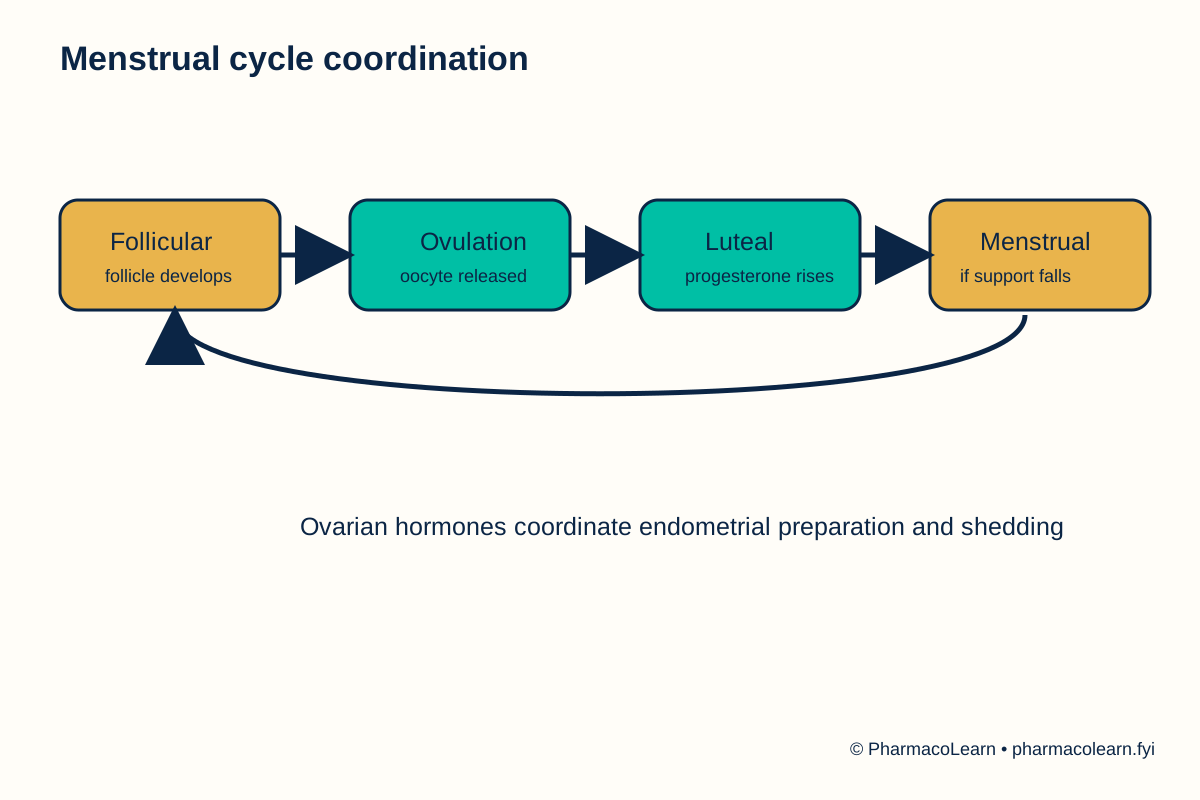
The menstrual cycle includes follicular, ovulatory, and luteal phases. Ovarian hormones alter the endometrium. Fertilization usually occurs in the uterine tube. Implantation begins after the developing conceptus reaches the uterus. Pregnancy depends on hormonal support of the endometrium, placental exchange, and coordinated maternal adaptation. Parturition involves cervical changes and uterine contractions.
Sex determination begins with chromosomal and genetic signals that guide gonadal differentiation. Details beyond the syllabus are not expanded here. Specific genetic pathways should be checked against the required examination source if expanded.
Contraceptive devices and methods prevent ovulation, fertilization, implantation, or sperm access. Pharmacists should provide nonjudgmental counselling, correct-use advice, contraindication screening, and referral when needed.
Sense organs
The eye focuses light on the retina. Photoreceptors convert light into electrical signals, which travel through retinal circuits and the optic pathway. The ear converts sound vibration into neural signals and detects head movement through vestibular structures. Skin detects touch, pressure, vibration, pain, temperature, and stretch. The tongue detects taste through receptor cells. The nose detects odour through olfactory receptor neurons.
Step by step, sensory transduction begins with a stimulus, receptor activation, change in membrane potential, action-potential generation or transmitter release, central pathway transmission, and conscious or reflex processing.
Clinical correlation: sensory impairment can affect medicine administration, adherence, balance, and safety. Pharmacists should adapt counselling for visual, hearing, or cognitive limitations.
Clinical correlation
Reproductive and sensory physiology affect counselling, adherence, consent, accessibility, and safety. The pharmacist uses nonjudgmental language, checks pregnancy-related medicine concerns, and adapts instructions when visual, hearing, balance, or cognitive limitations are present.
Worked example
If a sensory receptor is activated, transduction changes membrane activity, neural signalling carries the information, and central processing produces a conscious or reflex response. A deficit at any step can alter the patient’s ability to perceive or safely use medicine instructions.
FAQs
Why is receptor adaptation useful? It prevents continuous, harmless stimuli from dominating attention while preserving responses to change.
Takeaways
- Reproductive function depends on coordinated endocrine and organ systems.
- Sense organs convert physical or chemical stimuli into neural information.
- Accessible counselling is part of safe pharmacy practice.
Integrated practice note
Reproductive and sensory questions require privacy and clear communication. Confirm the patient’s preferred communication method, use accessible instructions, and refer when symptoms, pregnancy concerns, or sensory changes could affect safety.
References
- Pharmacy Council of India, Pharm.D. Regulations 2008, Year 1 syllabus: https://pharmacolearn.fyi/syllabus/pharm-d/year-1/
- Guyton and Hall, Textbook of Medical Physiology.
- Kandel et al., Principles of Neural Science.
Unit 11: Skeletal Muscle and Sports Physiology
Syllabus scope
This unit covers skeletal muscle structure, excitation-contraction coupling, the neuromuscular junction, motor units, exercise metabolism, cardiovascular and respiratory responses, thermoregulation, and medicine use in sport.
Skeletal muscle
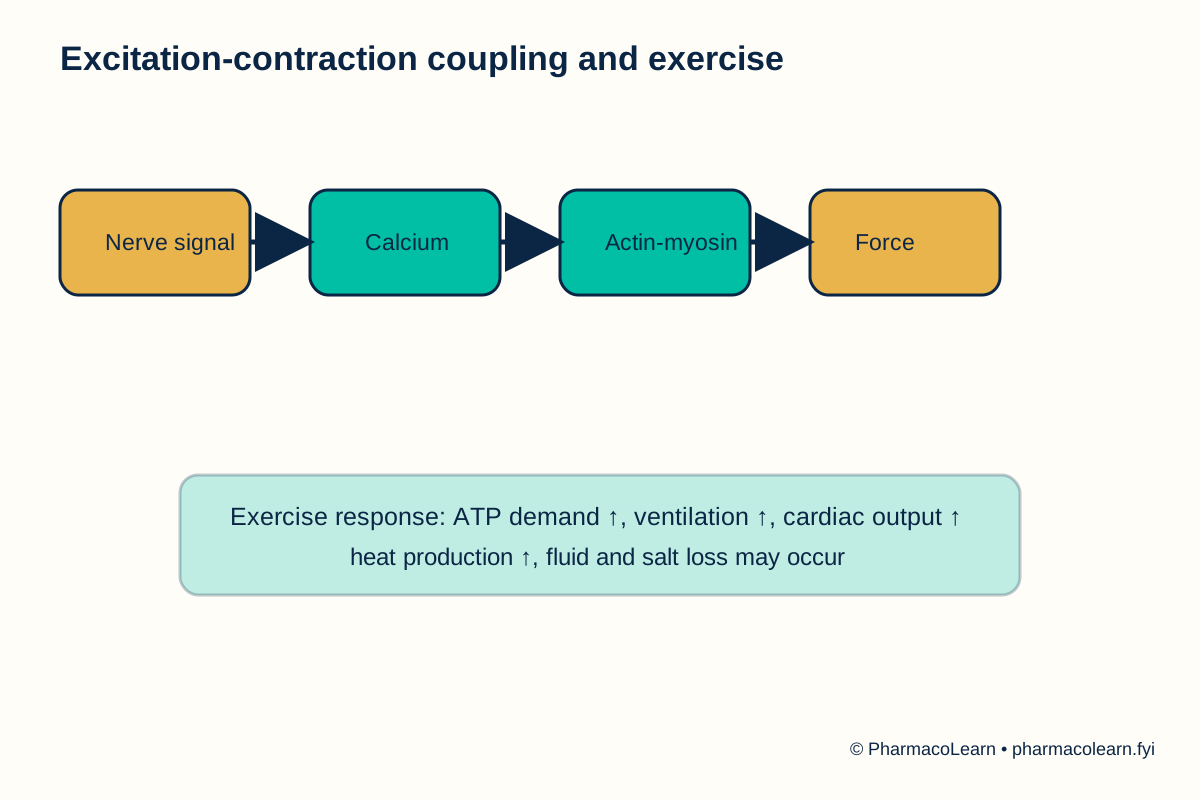
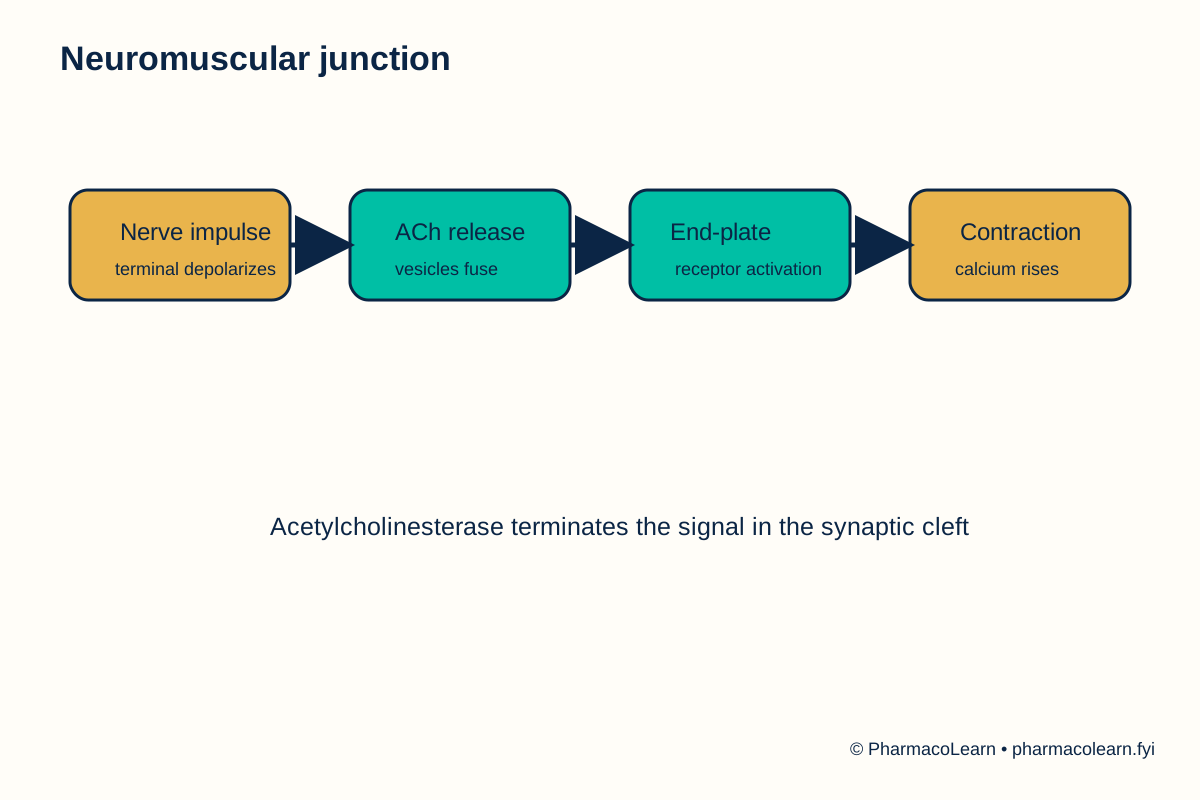
Skeletal muscle contains fibres organized into fascicles. Each fibre contains myofibrils made of sarcomeres. A sarcomere contains actin, myosin, regulatory proteins, and elastic elements. Excitation-contraction coupling begins when a motor neuron releases acetylcholine. The muscle membrane depolarizes, the signal travels through transverse tubules, calcium leaves the sarcoplasmic reticulum, and calcium exposes actin-binding sites. Myosin binds actin, performs a power stroke, detaches with ATP, and repeats while calcium and ATP remain available.
The neuromuscular junction converts a nerve signal into muscle excitation. A motor unit is one motor neuron and the fibres it controls. Recruitment and firing frequency determine force. Skeletal muscle properties include excitability, contractility, extensibility, and elasticity. Disorders may involve weakness, abnormal tone, pain, inflammation, degeneration, or impaired neuromuscular transmission. Specific disorder definitions should be checked against the required examination source if expanded rather than inferred from a symptom alone.
Sports physiology
During exercise, muscles increase ATP use. Immediate ATP and phosphocreatine support short intense work. Anaerobic glycolysis supplies ATP rapidly but increases lactate production. Aerobic metabolism uses oxygen in mitochondria and supports prolonged activity. Training can increase mitochondrial capacity, capillary supply, oxygen extraction, and performance, depending on exercise type.
Respiration increases to match metabolic demand. Cardiovascular responses include increased heart rate, stroke volume, cardiac output, and redistribution of blood flow. Heat production rises, and sweating plus skin blood flow support heat loss. Exercise shifts body-fluid and electrolyte balance through sweating and ventilation.
Drugs and athletics raise safety and ethical issues. Stimulants, hormones, diuretics, and masking agents may alter performance while causing cardiovascular, renal, endocrine, or psychological harm. A pharmacist should counsel on lawful therapy, adverse effects, contamination risk, and referral to appropriate sports-medicine guidance.
Clinical correlation
Weakness, abnormal tone, pain, inflammation, fatigue, heat illness, and exercise-related symptoms can have different mechanisms. The pharmacist reviews medicine exposure, hydration, electrolyte risk, training load, and warning signs while referring suspected neuromuscular or systemic disease.
Worked example
During short intense exercise, immediate ATP and phosphocreatine support work, while anaerobic glycolysis supplies additional ATP rapidly. During prolonged activity, aerobic metabolism contributes more as oxygen delivery and mitochondrial use become important.
FAQs
Why does training lower heart rate at a given workload? Improved cardiovascular efficiency can deliver the required oxygen with less cardiac effort.
Takeaways
- Calcium, ATP, actin, and myosin produce contraction.
- Exercise requires coordinated muscular, respiratory, cardiovascular, fluid, and temperature responses.
- Medicine counselling in athletes must include safety, ethics, and interaction risks.
Integrated practice note
Sports counselling combines exercise physiology with medicine safety, hydration, heat management, lawful therapy, interaction awareness, and referral. Performance claims do not remove the need to assess cardiovascular, renal, endocrine, and psychological risk.
References
- Pharmacy Council of India, Pharm.D. Regulations 2008, Year 1 syllabus: https://pharmacolearn.fyi/syllabus/pharm-d/year-1/
- Guyton and Hall, Textbook of Medical Physiology.
- McArdle, Katch, and Katch, Exercise Physiology.
Diagrams
Other Year 1 subjects: Human Anatomy and Physiology · Pharmaceutics · Medicinal Biochemistry · Pharmaceutical Organic Chemistry · Pharmaceutical Inorganic Chemistry · Remedial Mathematics / Biology · Year 1 · Pharm D