
Pharmacotherapeutics II — Pharm D Year 3
Notes for Pharmacotherapeutics II, Pharm D Year 3, organised unit by unit following the PCI Pharm D syllabus. 5 units, 20 diagrams.
Syllabus: Pharm D Year 3 syllabus
Practicals: Pharmacotherapeutics II practicals
Units in this subject
- Unit 1: Infectious Diseases
- Unit 2: Musculoskeletal Disorders
- Unit 3: Renal Disorders
- Unit 4: Oncology
- Unit 5: Dermatology
Unit 1: Infectious Diseases
Expanded clinical reasoning
Follow-up checklist
Examination framework
Use teach-back for antibiotic timing, duration, missed doses, interactions and red flags. Review access and cost barriers because incomplete therapy can create individual and community harm. Do not advise patients to use leftover medicines or share prescriptions.
Monitoring summary
Study tip and FAQ
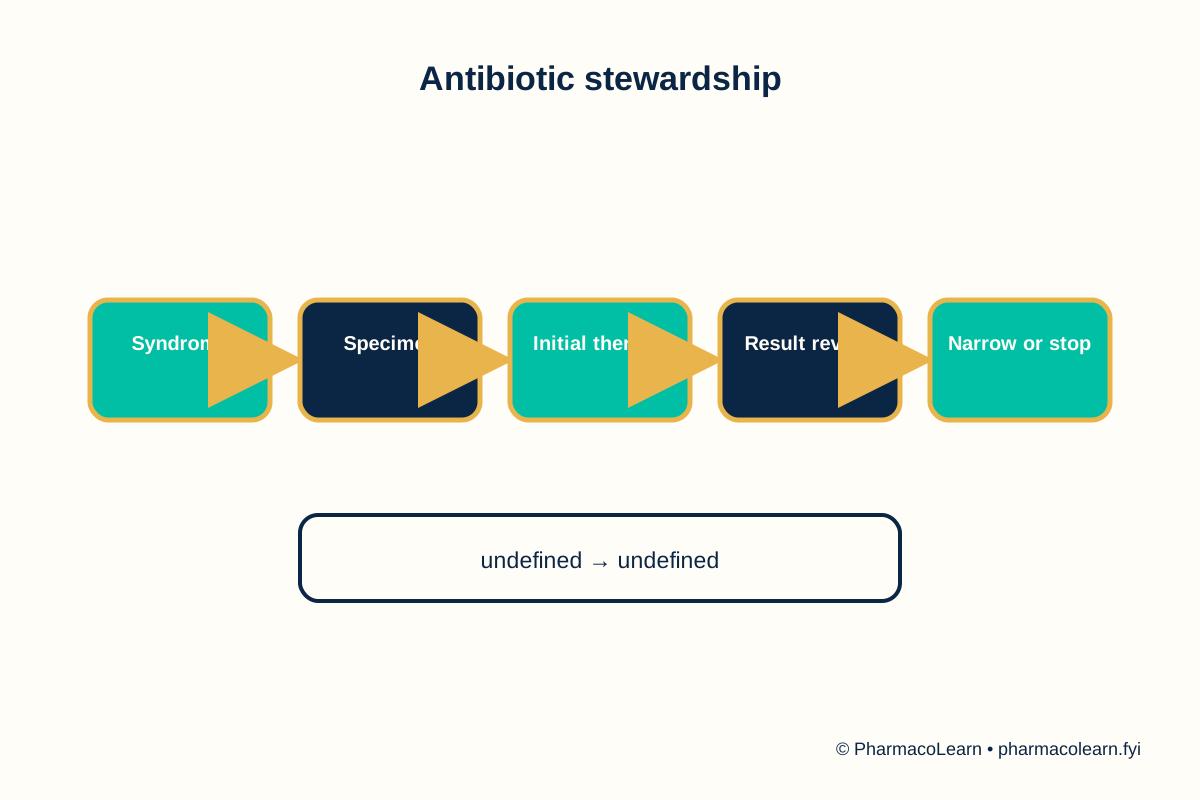
Study tip: write agent or syndrome, site, severity, specimen, empirical plan, definitive review, duration, monitoring and prevention. FAQ: why not continue broad therapy automatically? It increases harm and resistance without proven benefit.
Monitoring includes clinical response, cultures, organ function and adverse effects. A result that changes the likely pathogen should change the plan.
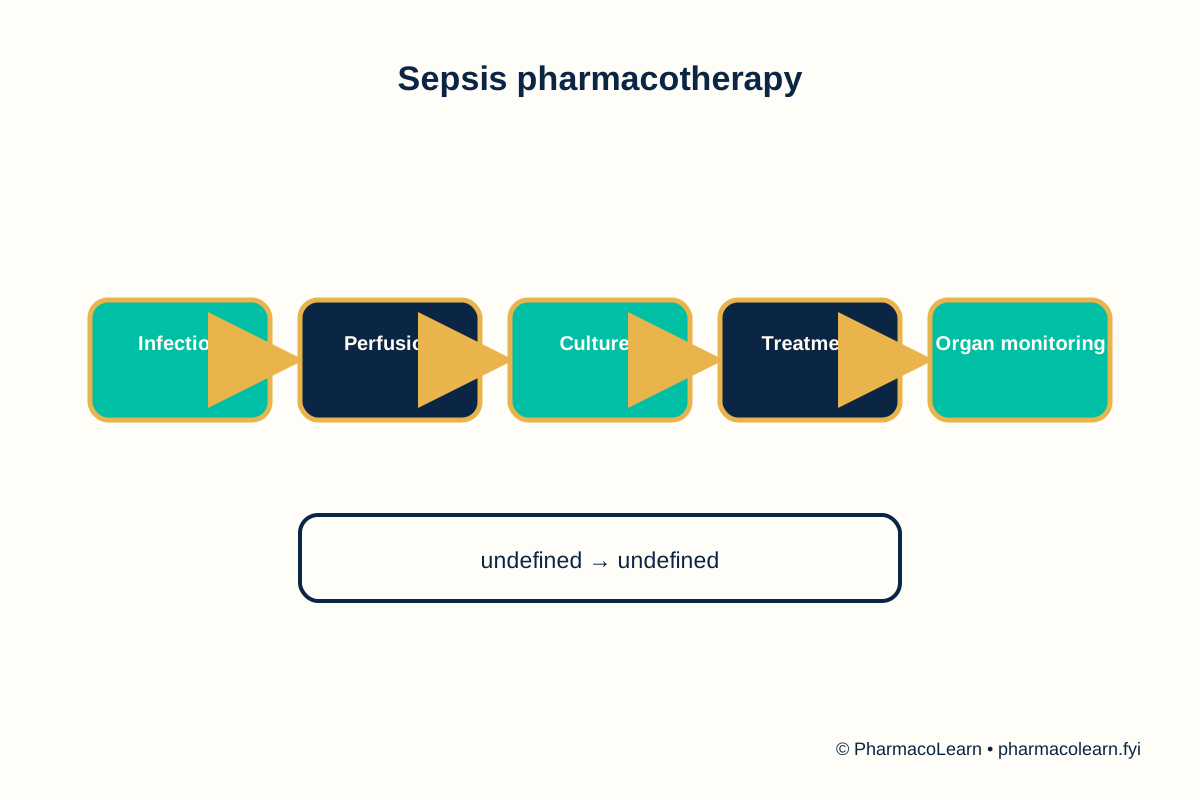
A complete infectious-disease answer separates empirical therapy from definitive therapy, includes specimen and susceptibility review, and states when to narrow or stop. It also addresses prevention, partner or contact management where relevant, vaccination, sanitation, adherence, drug interactions and public-health reporting. Fever, hypotension, altered mental state, respiratory compromise, severe dehydration, meningism or rapidly progressive disease require urgent clinical action.
+Follow-up checklist: verify response, cultures, susceptibility, adherence, adverse effects, organ function, interactions, source control and duration. A patient should know the emergency symptoms and the route for review. Do not continue or renew an antimicrobial solely because it was used previously.
+## Expanded clinical reasoning
Severity changes the urgency of therapy. Stable outpatient infection is different from sepsis, meningitis, endocarditis, severe malaria or opportunistic disease. Before selecting an antimicrobial, ask whether the syndrome is bacterial, viral, fungal, parasitic or noninfectious; whether a specimen can improve certainty; whether source control is needed; and whether the patient can absorb and adhere to treatment. Review allergies carefully because a vague historical label can cause use of broader and more toxic alternatives, while a true immediate reaction can be dangerous.
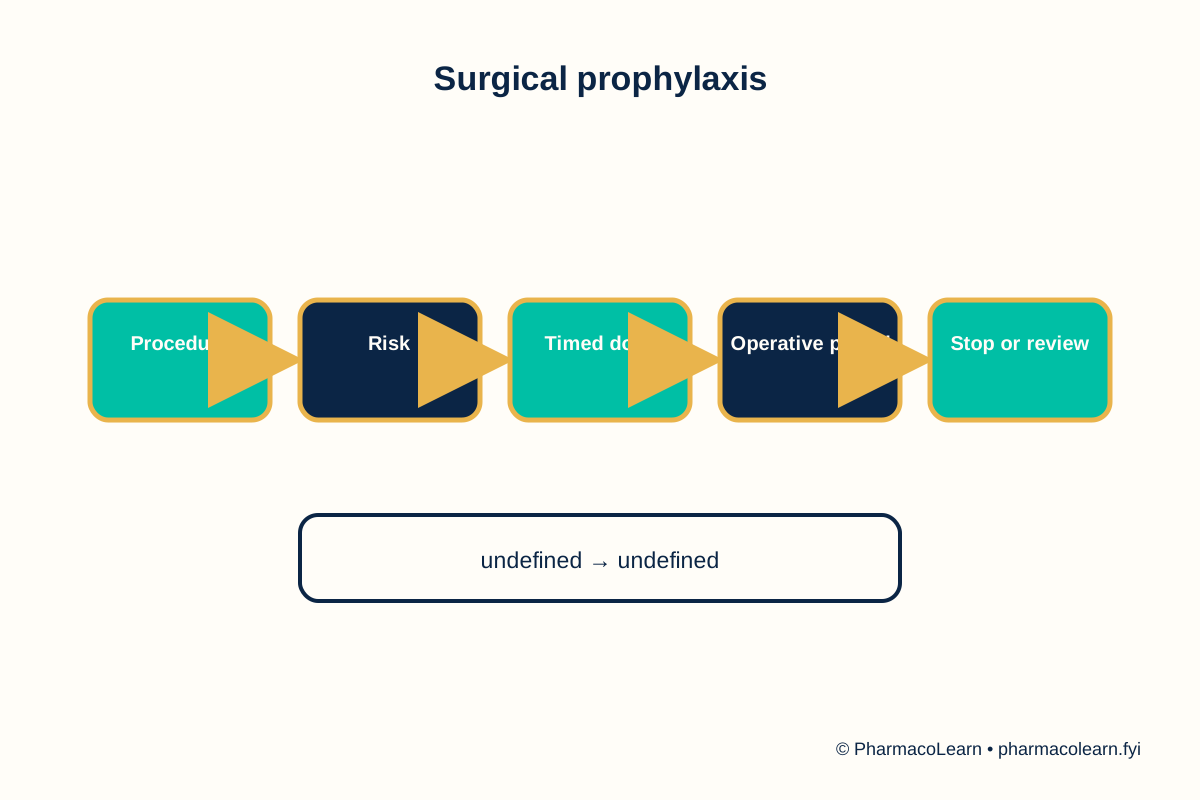
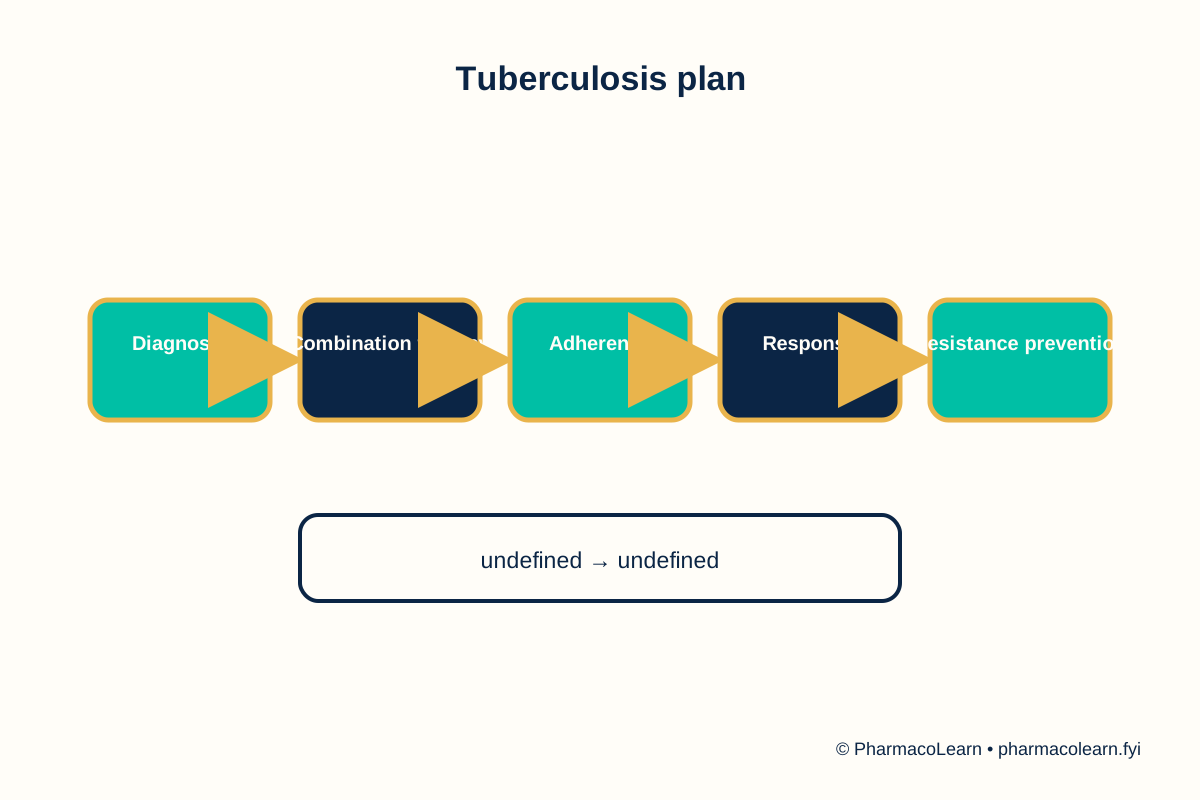
Antimicrobial stewardship continues after the first dose. Reassess clinical response, temperature, oxygenation, cultures, imaging, inflammatory markers and adverse effects. De-escalate, narrow, change route or stop when the evidence supports it. Surgical prophylaxis is a short, timed intervention and should not be confused with treatment of an established infection. TB, HIV, malaria and chronic viral disease require adherence plans that address access, stigma, interactions, pregnancy and monitoring.
Syllabus scope
This unit covers rational antibiotic use, surgical prophylaxis, tuberculosis, meningitis, respiratory infections, gastroenteritis, endocarditis, septicemia, urinary infections, malaria, HIV and opportunistic infections, fungal and viral infections, gonorrhea and syphilis.
Core theory
Infectious disease pharmacotherapy begins with syndrome recognition, severity assessment, specimen selection and an estimate of likely pathogens. Rational antibiotic use means using an antimicrobial only when indicated, selecting an agent that reaches the site, using an appropriate dose and interval, reviewing culture and susceptibility data, limiting duration to the evidence-based course, and monitoring response and toxicity. Surgical prophylaxis is timed to protect the operative period and should not become unplanned prolonged treatment.
Tuberculosis and HIV require adherence-centered combination therapy because resistance can arise when active replication is incompletely suppressed. Meningitis and septicemia are emergencies requiring rapid assessment, appropriate cultures when this does not delay treatment, supportive care and review when results become available. Respiratory infections should be distinguished by likely viral or bacterial cause, severity, comorbidity and local resistance. Gastroenteritis management prioritizes hydration and identification of invasive, persistent or high-risk disease.
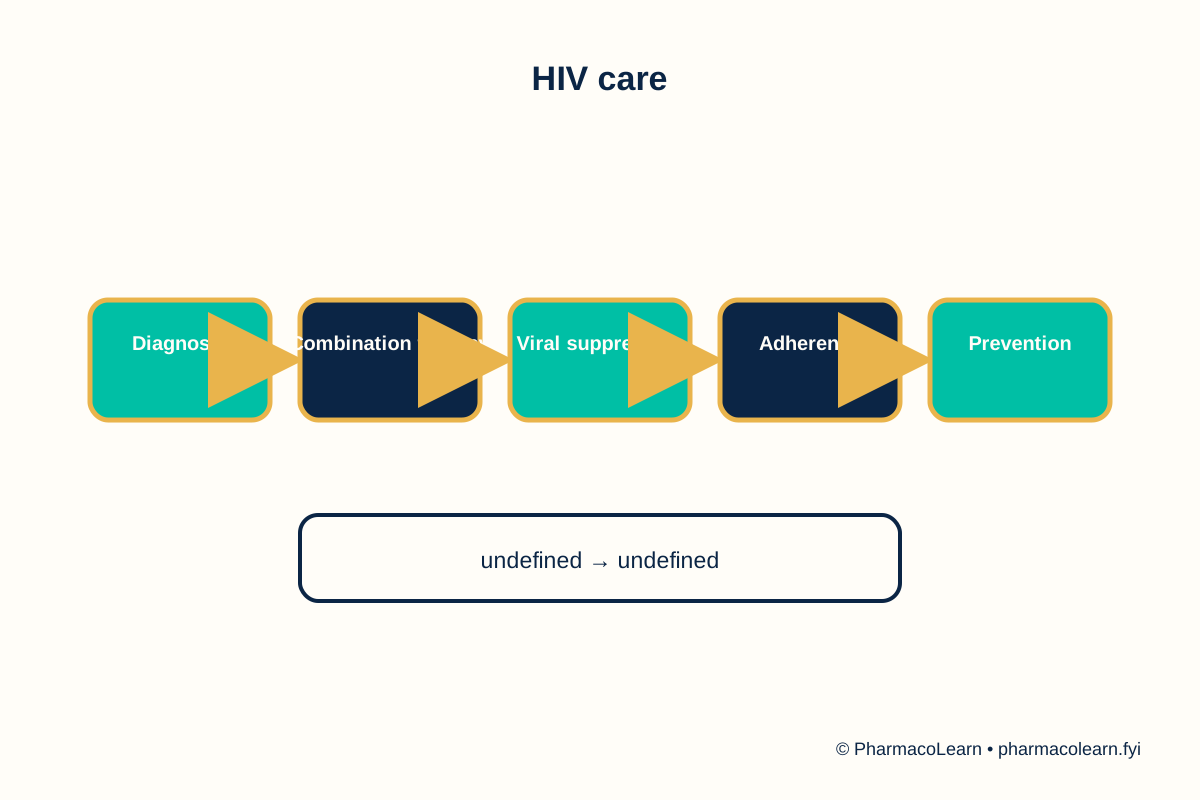
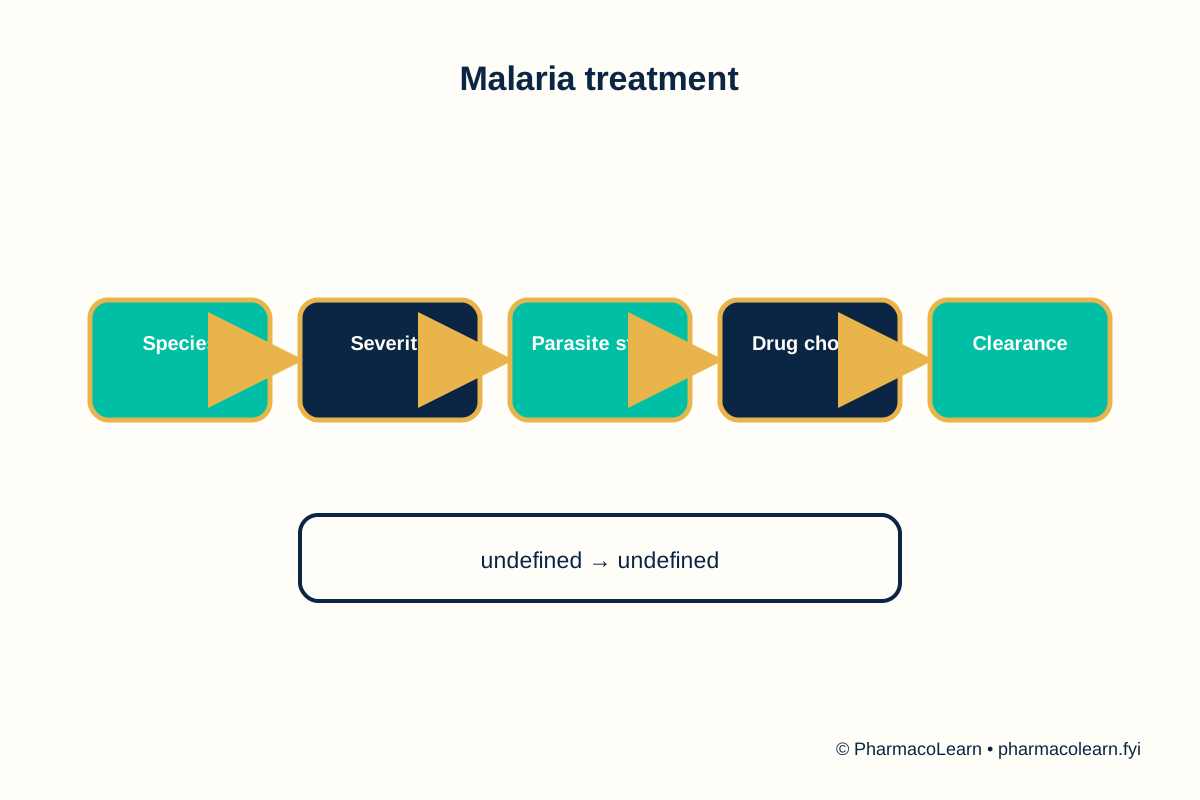
Endocarditis requires organism-directed therapy and attention to valves, devices, embolic risk and toxicity. Urinary infections are classified by site, recurrence, pregnancy, obstruction and systemic involvement. Malaria treatment depends on species, disease severity, geographic resistance and parasite stage. HIV care includes viral suppression, adherence, interaction screening and prevention of opportunistic infections. Fungal and viral diseases require site, host and pathogen-specific therapy. Gonorrhea and syphilis require testing, partner services and public-health follow-up.
The pharmacist checks allergies, renal and hepatic function, pregnancy, interactions, culture results, adherence, adverse effects and opportunities for de-escalation. Current local guidelines govern exact regimens.
Individualized therapeutic plan
- Confirm the diagnosis, severity, complications and treatment urgency.
- Identify patient-specific risks, comorbidities, medicines, allergies and organ function.
- Define the treatment goal and time frame.
- Select pharmacologic and nonpharmacologic measures using current guidance.
- Explain administration, adherence, precautions and expected response.
- Define monitoring, alternatives, referral criteria and follow-up.
Pharmacist focus
Therapeutics is a monitored clinical plan, not a list of drug names. Exact doses, treatment durations, targets and combinations must be checked against current local guidelines and approved product information. Do not diagnose from symptoms alone or substitute an old regimen for current evidence.
Tips, FAQs and takeaways
- Why individualize treatment? Disease severity, pathogen, organ function, comorbidity and patient goals change the best option.
- Why review therapy? Response, resistance, toxicity and diagnosis can change over time.
- What is the main takeaway? Treat the cause, monitor the patient and escalate early when danger signs appear.
References: PharmacoLearn Year 3 syllabus; Pharmacy Council of India, Pharm.D. Regulations 2008; DiPiro's Pharmacotherapy; Goodman and Gilman's The Pharmacological Basis of Therapeutics; current infectious disease, rheumatology, nephrology, oncology and dermatology guidelines.
Document the indication, review decision and follow-up. Review response and stewardship. Use current local guidance. Coordinate with the treating team. Patient safety depends on a clear follow-up date, accessible advice and documented escalation criteria. Reassess promptly. Protect patients.
In every infectious-disease case, document the working diagnosis, severity, specimen plan, initial treatment, review point, de-escalation criteria, adherence counseling and referral triggers. This keeps antimicrobial therapy rational when new clinical or laboratory information becomes available.
Review results promptly.
Unit 2: Musculoskeletal Disorders
Expanded clinical reasoning
Follow-up checklist
Examination framework
Use teach-back for exercise, joint protection, application or dosing instructions, flare action and adverse-effect reporting. Review the patient's actual use rather than assuming that a prescription means exposure.
Monitoring summary
Study tip and FAQ
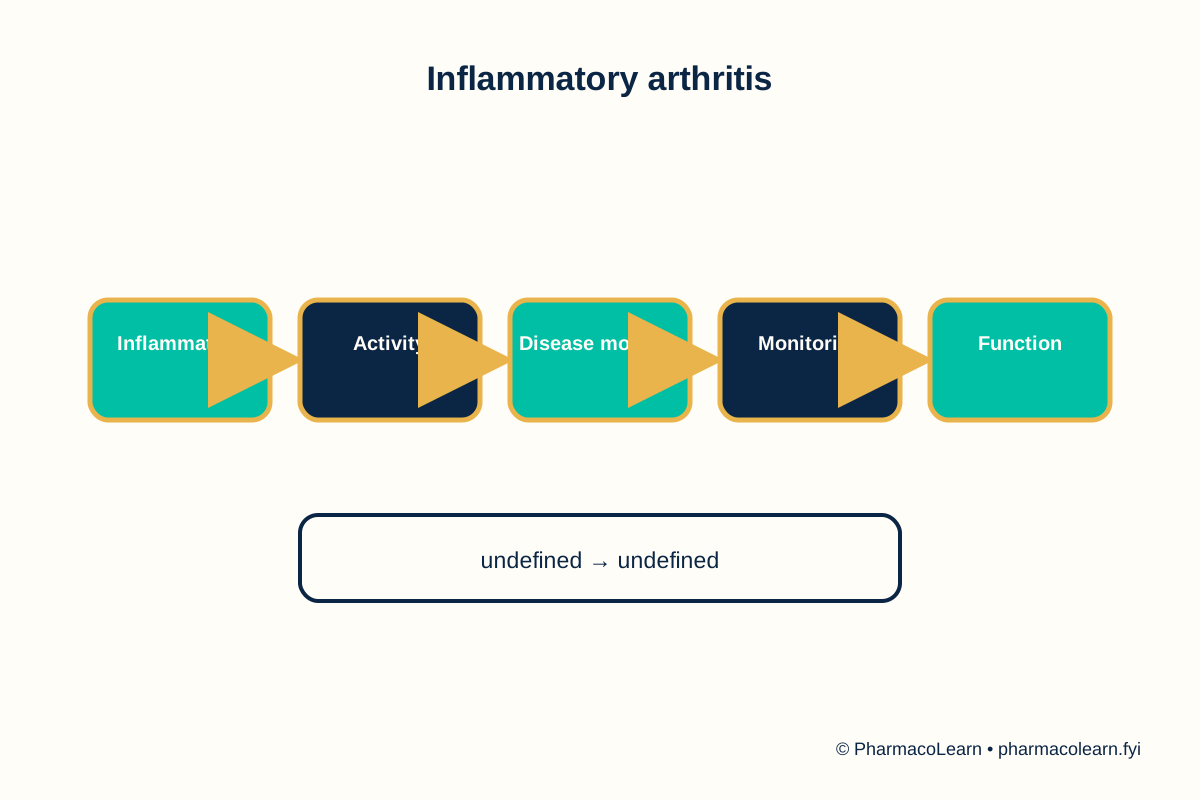
Study tip: write mechanism, activity, pain or function goal, non-drug plan, disease-modifying option, safety monitoring and escalation. FAQ: why is analgesia alone incomplete in inflammatory disease? It may not prevent structural damage.
Monitoring includes pain, function, inflammation, laboratory safety and disease progression. A new systemic sign requires reassessment.
A complete musculoskeletal answer separates symptom relief from disease modification. It states the inflammatory or mechanical mechanism, the functional goal, non-drug measures, monitoring, gastrointestinal, renal, cardiovascular and infection risks, and the point at which specialist assessment is needed. Explain that adherence and time to benefit differ between analgesic, anti-inflammatory and disease-modifying therapy.
+Follow-up checklist: assess pain, function, inflammation, flare frequency, laboratory safety, infection, gastrointestinal or cardiovascular risk and adherence. Review whether the plan is controlling disease or only masking symptoms. Escalate a hot joint, fever, severe weakness or new organ involvement.
+## Expanded clinical reasoning
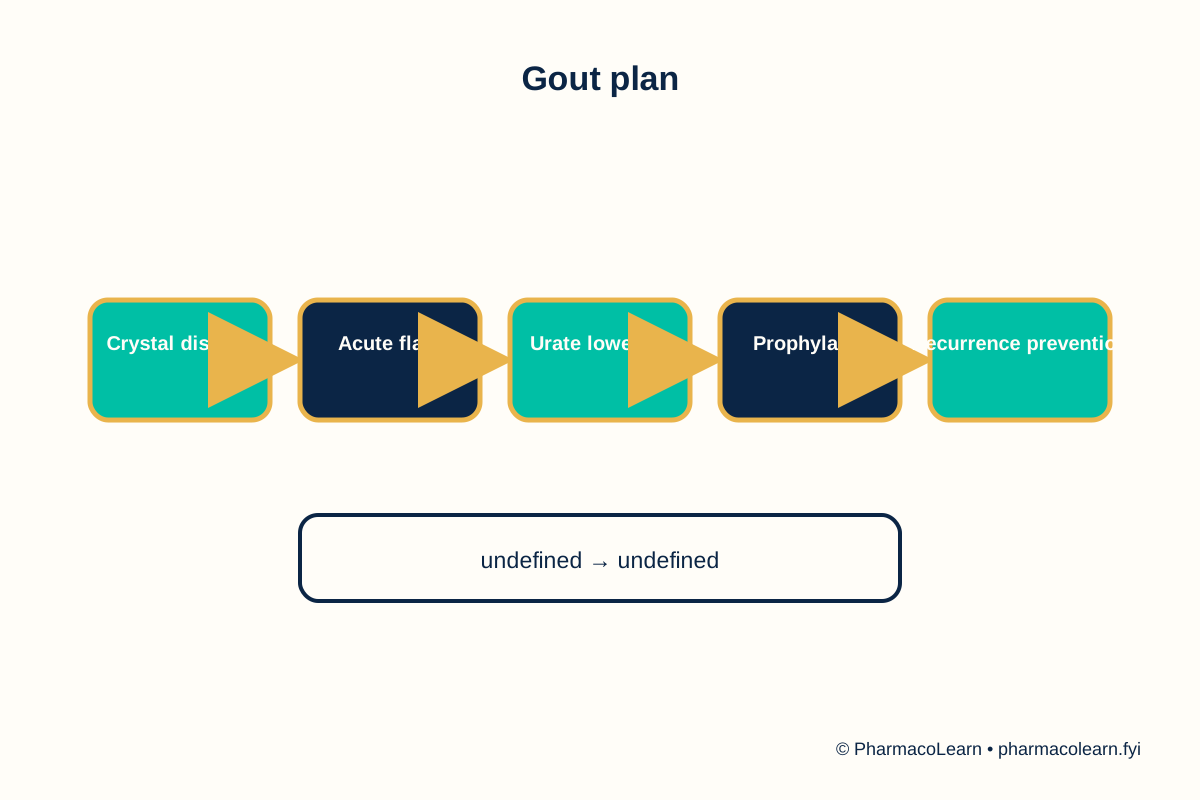
Rheumatoid arthritis management is guided by activity, function, damage risk and extra-articular disease. The pharmacist checks screening and monitoring for immunomodulators, vaccination status, infection risk and pregnancy plans. Osteoarthritis care should avoid treating imaging alone and should address function, exercise, weight and local symptoms. In gout, confirm the diagnosis when possible, address medicines and conditions that raise urate, and explain that long-term control is different from acute flare treatment.
NSAID risk rises with kidney disease, ulcer history, anticoagulation, older age, hypertension and cardiovascular disease. Corticosteroid exposure should be minimized when possible and monitored for glucose, infection, bone and adrenal effects. Lupus therapy depends on organ involvement, and kidney or neurologic disease needs prompt specialist assessment. A patient with a hot swollen joint, fever, sudden weakness or severe systemic symptoms may have an emergency rather than a routine flare.
Syllabus scope
This unit covers rheumatoid arthritis, osteoarthritis, gout, spondylitis and systemic lupus erythematosus.
Core theory
Musculoskeletal therapeutics begins with the cause of pain and disability. Rheumatoid arthritis is an autoimmune inflammatory synovitis that can damage cartilage, bone and extra-articular organs. Treatment aims at disease control, prevention of structural damage, function and quality of life. Disease-modifying therapy requires early assessment, monitoring and coordinated specialist care. Osteoarthritis is characterized by joint structural change, mechanical pain and variable inflammation. Management combines exercise, weight support, education, topical or systemic symptom treatment and procedural or surgical options where appropriate.
Gout results from urate crystal deposition after prolonged hyperuricemia. Acute treatment reduces inflammation, while long-term urate lowering reduces crystal burden and recurrence. Starting or changing urate-lowering therapy can alter flare risk, so prophylaxis and adherence planning matter. Spondylitis involves inflammatory disease of the axial skeleton and may include peripheral or extra-articular manifestations. Systemic lupus erythematosus is immune mediated and can affect skin, joints, kidneys, blood, nervous system and cardiovascular tissues.
The pharmacist checks renal function, gastrointestinal risk, cardiovascular risk, infection screening, pregnancy, vaccination, adherence and interactions. Nonsteroidal anti-inflammatory medicines can affect kidney function, blood pressure, gastrointestinal mucosa and bleeding. Corticosteroids can control inflammation but create metabolic, infectious and bone risks. Immunomodulators require monitoring for infection and laboratory abnormalities.
A therapeutic plan includes diagnosis, disease activity, functional goal, non-drug care, medicine target, response measure, safety monitoring and escalation criteria. Pain relief without disease control is not sufficient for inflammatory arthritis.
Individualized therapeutic plan
- Confirm the diagnosis, severity, complications and treatment urgency.
- Identify patient-specific risks, comorbidities, medicines, allergies and organ function.
- Define the treatment goal and time frame.
- Select pharmacologic and nonpharmacologic measures using current guidance.
- Explain administration, adherence, precautions and expected response.
- Define monitoring, alternatives, referral criteria and follow-up.
Pharmacist focus
Therapeutics is a monitored clinical plan, not a list of drug names. Exact doses, treatment durations, targets and combinations must be checked against current local guidelines and approved product information. Do not diagnose from symptoms alone or substitute an old regimen for current evidence.
Tips, FAQs and takeaways
- Why individualize treatment? Disease severity, pathogen, organ function, comorbidity and patient goals change the best option.
- Why review therapy? Response, resistance, toxicity and diagnosis can change over time.
- What is the main takeaway? Treat the cause, monitor the patient and escalate early when danger signs appear.
References: PharmacoLearn Year 3 syllabus; Pharmacy Council of India, Pharm.D. Regulations 2008; DiPiro's Pharmacotherapy; Goodman and Gilman's The Pharmacological Basis of Therapeutics; current infectious disease, rheumatology, nephrology, oncology and dermatology guidelines.
Document the functional goal and safety plan. Review response and function. Use current local guidance. Coordinate with the treating team. Patient safety depends on a clear follow-up date, accessible advice and documented escalation criteria. Reassess promptly. Protect patients.
In musculoskeletal care, document the disease activity, functional goal, treatment rationale, safety monitoring, adherence barrier and time for review. A flare, infection or new organ symptom may require urgent reassessment rather than another symptomatic medicine.
Review function promptly.
Unit 3: Renal Disorders
Expanded clinical reasoning
Follow-up checklist
Examination framework
Use teach-back for fluid advice, medicine holds only when specifically instructed, dialysis timing and emergency symptoms. Avoid recommending over-the-counter products without checking renal safety.
Monitoring summary
Study tip and FAQ
Study tip: write acute or chronic, cause, filtration, fluid, potassium, acid base, dose adjustment, dialysis and referral. FAQ: why is renal dosing more than a formula? Clinical context and drug removal also matter.
Monitoring includes kidney function, urine output, electrolytes and exposure. A declining trend requires timely action.
A complete renal answer distinguishes acute injury from chronic disease and identifies the cause before focusing on the number. It includes medication review, renal dosing, fluid status, potassium, acid base state, anemia, bone disease, blood pressure, cardiovascular risk and dialysis planning. The pharmacist should communicate a trend and a clear plan rather than a single isolated value.
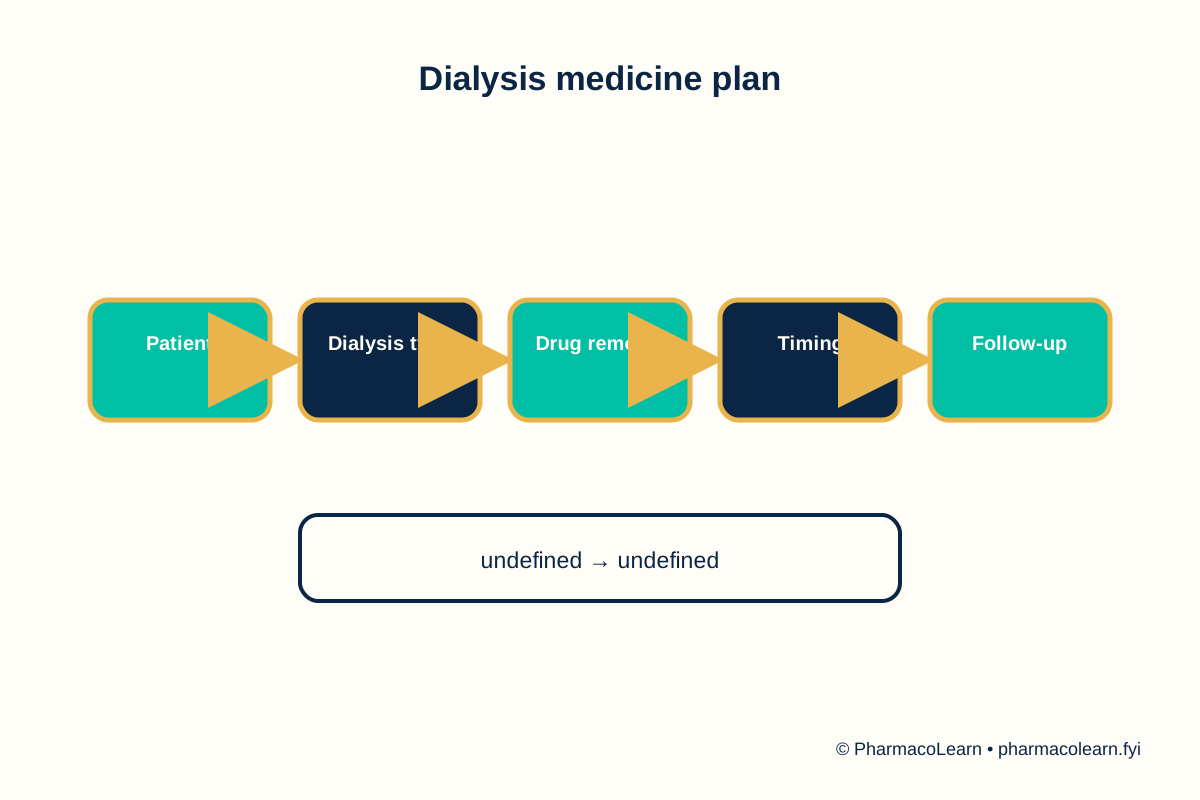
+Follow-up checklist: compare filtration trend, urine output, electrolytes, acid base state, weight, edema, blood pressure and medicine exposure. Confirm dialysis timing and access. Recheck after any nephrotoxic exposure or dose change. Urgent referral is required for severe fluid, potassium or uremic complications.
+## Expanded clinical reasoning
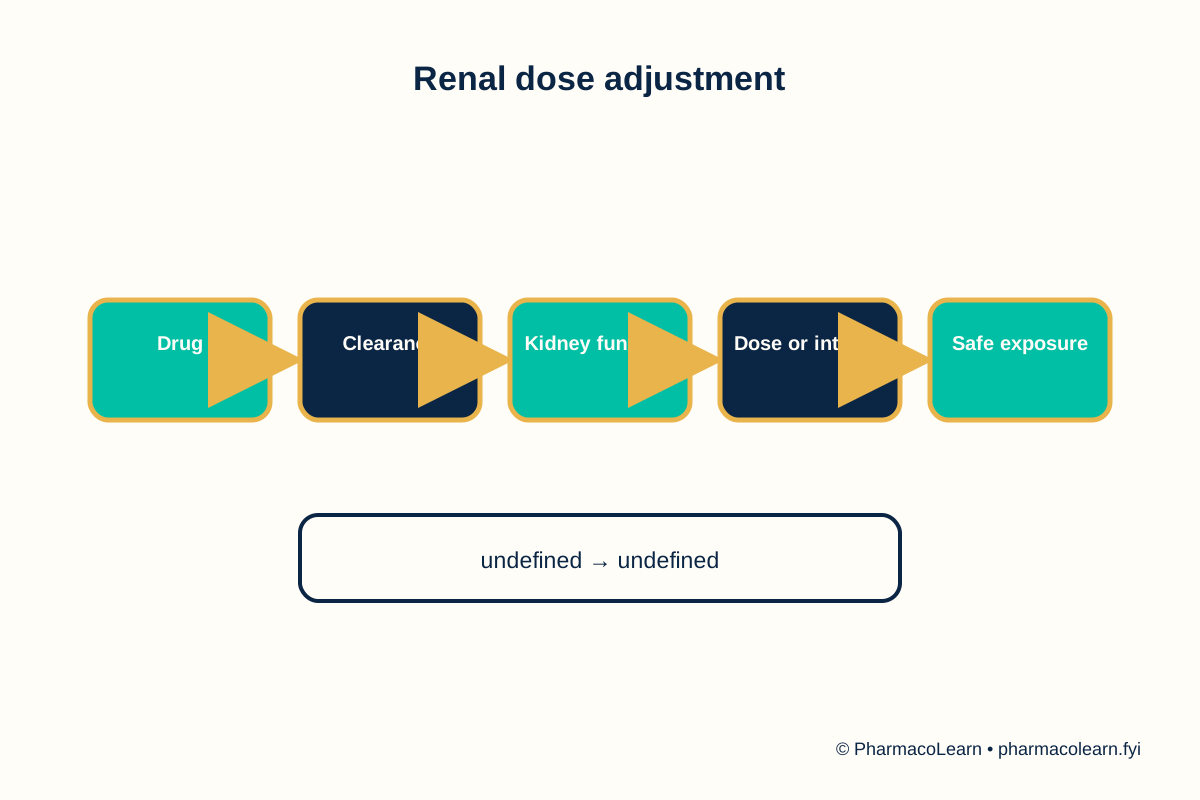
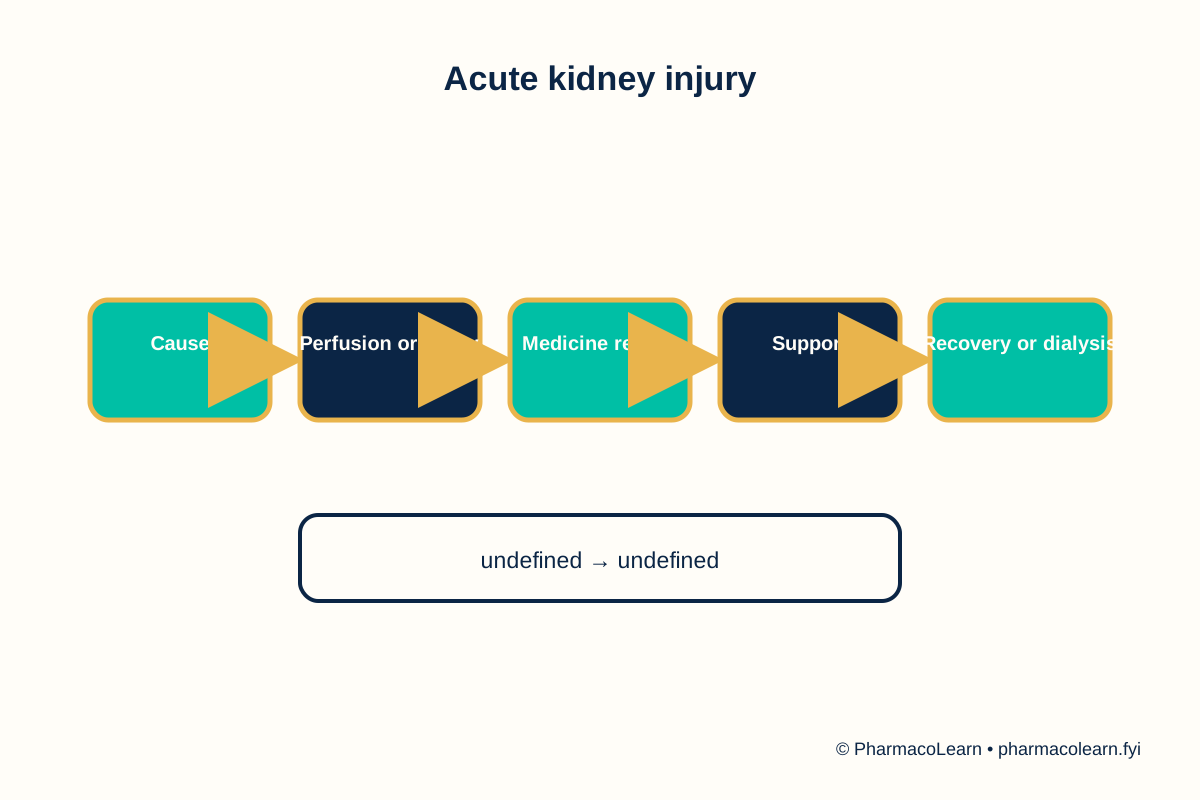
Acute kidney injury requires medication reconciliation and a search for reversible causes. Review volume depletion, infection, obstruction, contrast or other exposures, blood pressure, sepsis and recent medicine changes. A fall in filtration can increase concentrations of medicines that are normally safe at standard exposure. Dose adjustment may involve lowering dose, extending interval, avoiding the drug or choosing a different route. Do not use a formula without considering the patient's body composition and the purpose of the estimate.
Dialysis planning requires knowledge of treatment days, access, session timing and drug removal. Chronic renal disease increases cardiovascular, anemia, bone and electrolyte risk. The pharmacist should check phosphate, calcium, parathyroid-related monitoring and anemia therapy according to the clinical plan. Urgent symptoms include pulmonary edema, severe hyperkalemia, encephalopathy, pericardial symptoms, anuria or rapidly progressive decline.
Syllabus scope
This unit covers acute renal failure, chronic renal failure, renal dialysis and drug-induced renal disorders.
Core theory
Acute kidney injury is a rapid decline in kidney function caused by reduced perfusion, intrinsic tissue injury or obstruction. Chronic kidney disease is persistent structural or functional abnormality with implications for filtration, electrolyte balance, acid base status, endocrine function and cardiovascular risk. Therapeutic planning first addresses cause, volume and perfusion, obstruction, infection, nephrotoxins and complications.
Drug dosing changes because reduced filtration can increase exposure to renally cleared medicines and active metabolites. Dialysis removes substances according to molecular size, protein binding, distribution, water solubility and membrane characteristics. Some medicines require post-dialysis supplementation, while others are poorly removed. The pharmacist needs the patient's current kidney function estimate, dialysis schedule, access type and prescribed regimen.
Drug-induced renal disorders include hemodynamic reduction in filtration, tubular injury, interstitial nephritis, crystal injury, glomerular disease and obstructive effects. Risk increases with dehydration, age, preexisting disease, combinations and prolonged exposure. Monitoring includes creatinine trend, urine output, electrolytes, acid base state, blood pressure, edema, weight and medicine-specific markers.
Chronic renal care may include blood-pressure control, anemia management, mineral and bone disorder management, acidosis care, cardiovascular risk reduction and preparation for renal replacement therapy. Avoid assuming that a single creatinine value fully describes renal function. Trends, body size, muscle mass, hydration and clinical context matter.
Urgent referral is needed for rapidly falling urine output, severe electrolyte disturbance, pulmonary edema, uremic symptoms, obstruction, severe dehydration or suspected nephrotoxic injury.
Individualized therapeutic plan
- Confirm the diagnosis, severity, complications and treatment urgency.
- Identify patient-specific risks, comorbidities, medicines, allergies and organ function.
- Define the treatment goal and time frame.
- Select pharmacologic and nonpharmacologic measures using current guidance.
- Explain administration, adherence, precautions and expected response.
- Define monitoring, alternatives, referral criteria and follow-up.
Pharmacist focus
Therapeutics is a monitored clinical plan, not a list of drug names. Exact doses, treatment durations, targets and combinations must be checked against current local guidelines and approved product information. Do not diagnose from symptoms alone or substitute an old regimen for current evidence.
Tips, FAQs and takeaways
- Why individualize treatment? Disease severity, pathogen, organ function, comorbidity and patient goals change the best option.
- Why review therapy? Response, resistance, toxicity and diagnosis can change over time.
- What is the main takeaway? Treat the cause, monitor the patient and escalate early when danger signs appear.
References: PharmacoLearn Year 3 syllabus; Pharmacy Council of India, Pharm.D. Regulations 2008; DiPiro's Pharmacotherapy; Goodman and Gilman's The Pharmacological Basis of Therapeutics; current infectious disease, rheumatology, nephrology, oncology and dermatology guidelines.
Document the renal trend and dose plan. Review response and filtration. Use current local guidance. Coordinate with the treating team. Patient safety depends on a clear follow-up date, accessible advice and documented escalation criteria. Reassess promptly. Protect patients.
Record renal trends and dose decisions.
Review promptly.
Unit 4: Oncology
Expanded clinical reasoning
Follow-up checklist
Examination framework
Use teach-back for cycle dates, supportive medicines, infection precautions, handling instructions and emergency contact. Verify the patient can obtain the complete regimen before treatment begins.
Monitoring summary
Study tip and FAQ
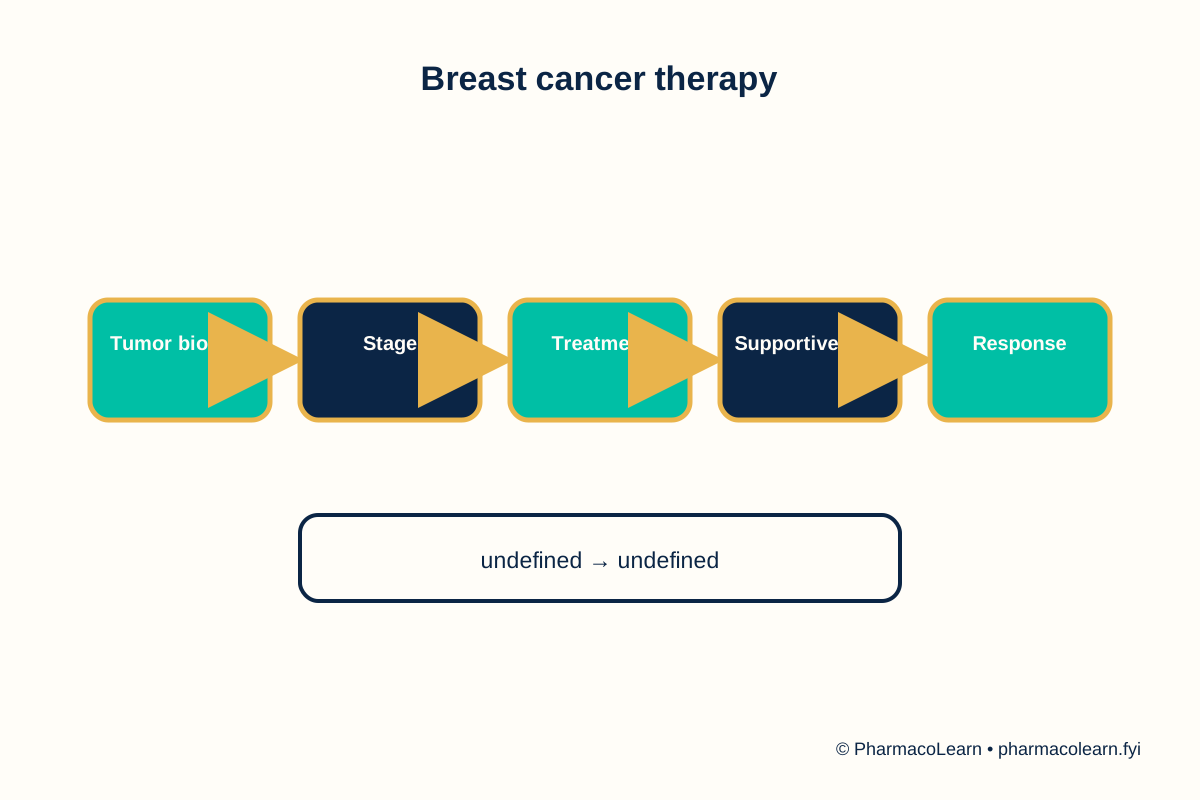
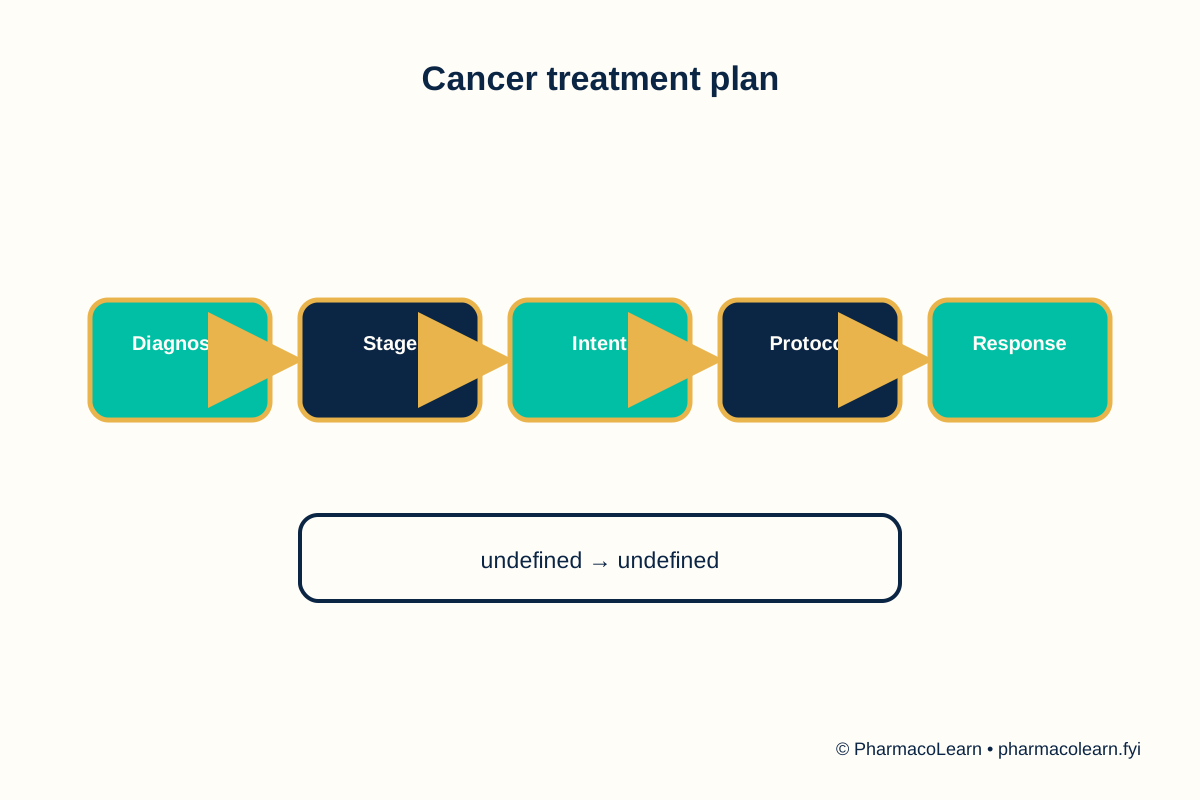
Study tip: write intent, stage, biomarker, protocol, cycle, supportive care, toxicity and response. FAQ: why verify every cycle? Organ function, prior toxicity and protocol changes alter safety.
Monitoring includes blood counts, organ function, infection and treatment response. Protocol deviations require review.
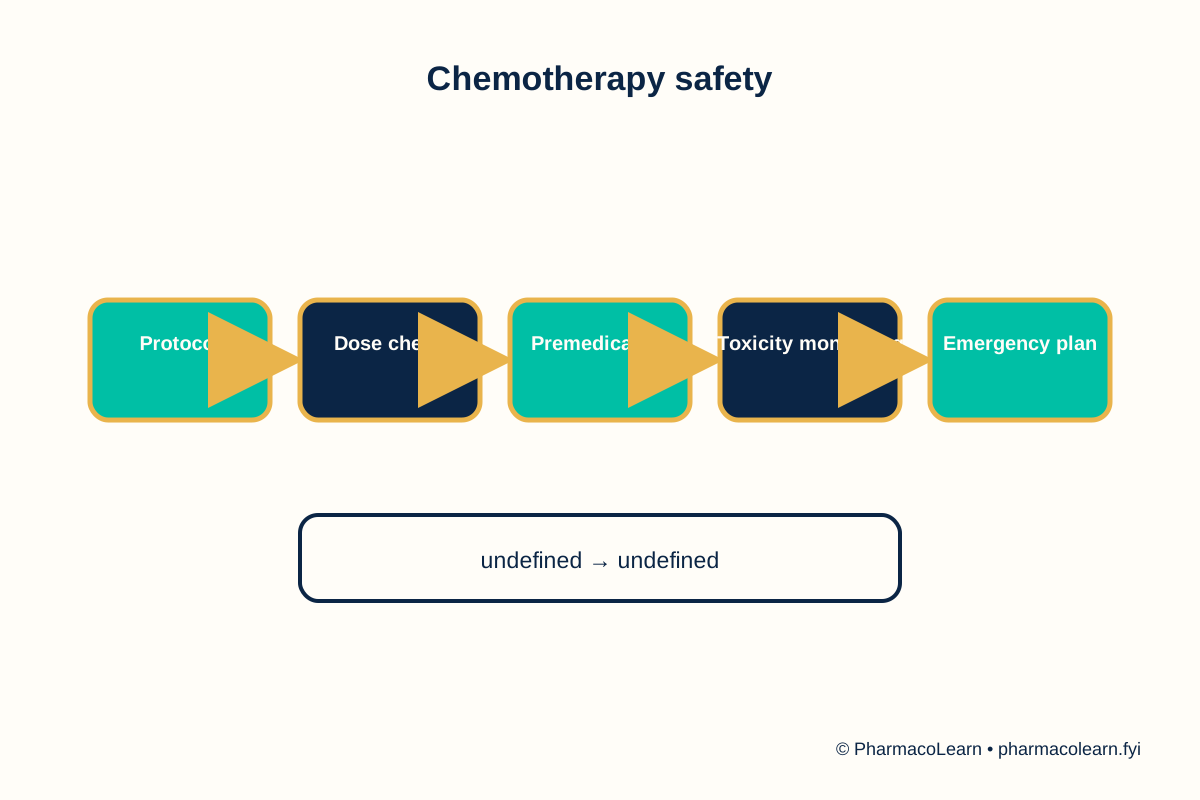
A complete oncology answer includes intent, diagnosis, stage, biomarker, protocol, cycle, calculation, organ function, premedication, interaction review, handling, laboratory criteria, response and supportive care. It also explains febrile neutropenia, severe diarrhea, mucositis, extravasation, hypersensitivity and uncontrolled vomiting as urgent or protocol-specific problems.
+Follow-up checklist: monitor counts, renal and hepatic function, infection, fever, nausea, hydration, neuropathy, mucosal injury, infusion reactions and disease response. Keep a current treatment protocol and verify every cycle rather than copying the previous cycle.
+## Expanded clinical reasoning
Cancer treatment is protocol based and errors can be high consequence. Verify diagnosis, stage, biomarker, cycle number, body size or renal calculation, dose cap, route, sequence, premedication, hydration, laboratory criteria and hold parameters. Check cumulative doses and prior toxicities. Supportive medicines prevent or treat nausea, mucositis, constipation, diarrhea, pain, infection and hypersensitivity. Fever during marrow suppression is an emergency pathway.
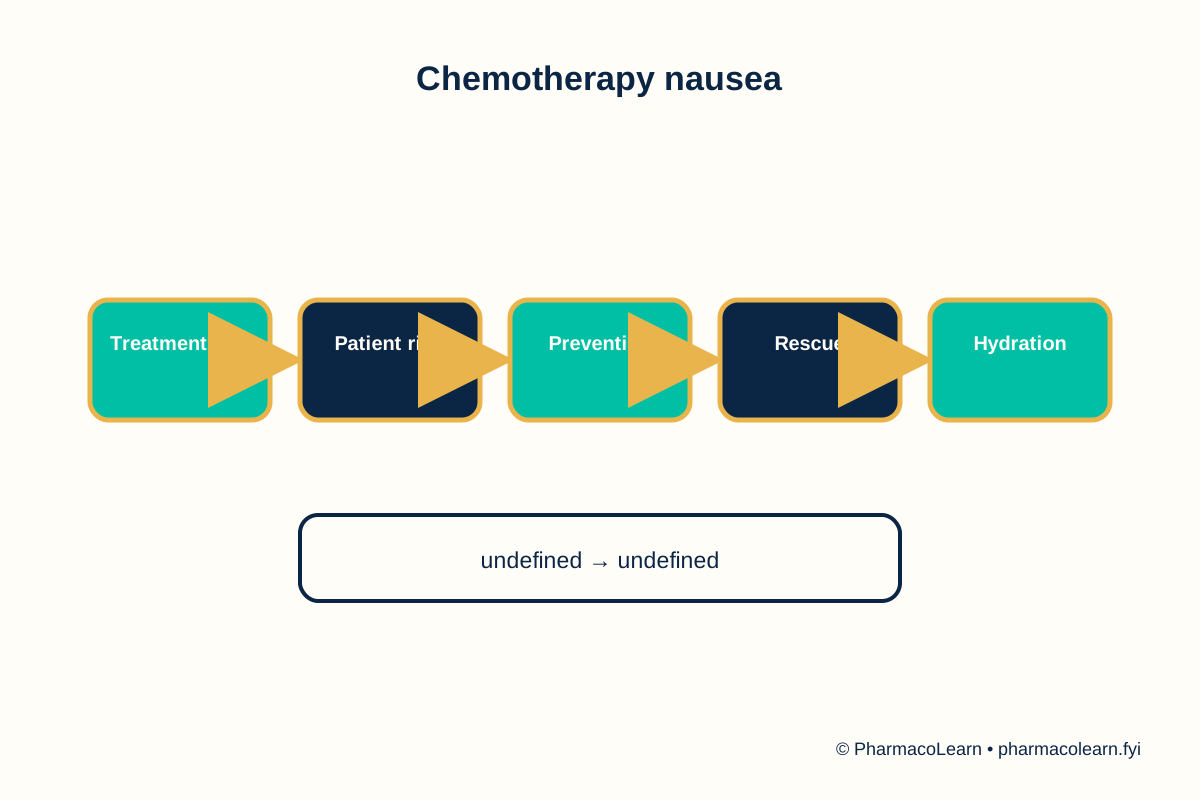
Breast cancer treatment varies by receptor biology and stage, while leukemia regimens vary by lineage, genetic features and remission status. Avoid assuming two patients with the same broad cancer label have the same treatment. Chemotherapy nausea may be acute, delayed, anticipatory or breakthrough. Use risk-based prevention, assess hydration and nutrition, and review rescue response. Safe handling includes PPE, closed systems where required, spill procedures and disposal.
Syllabus scope
This unit covers basic principles of cancer therapy, cancer chemotherapy, breast cancer, leukemia and chemotherapy nausea and emesis.
Core theory
Cancer therapy is selected by tumor type, stage, molecular features, prior therapy, organ function, performance status, patient goals and evidence. Treatment may be curative, disease controlling, adjuvant, neoadjuvant or palliative. Modalities include surgery, radiotherapy, cytotoxic chemotherapy, endocrine therapy, targeted therapy, immunotherapy and supportive care.
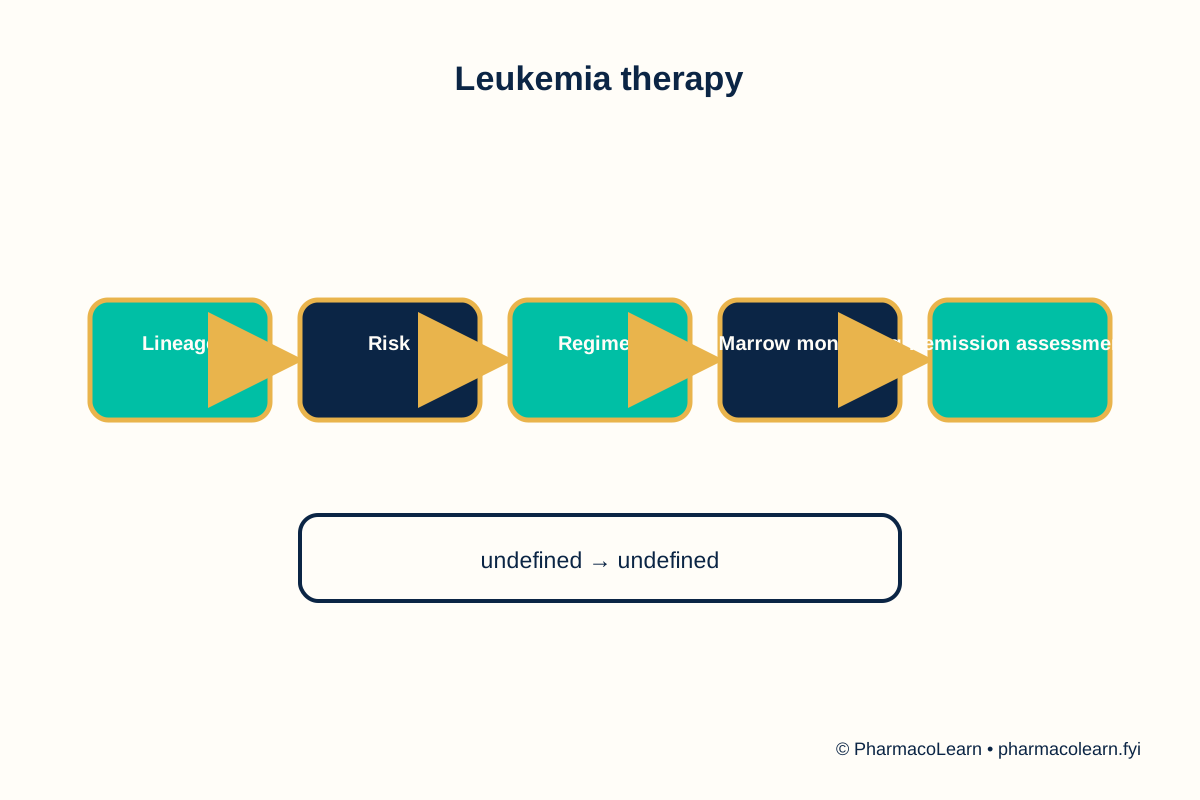
Cytotoxic medicines injure rapidly dividing cells or disrupt DNA, mitosis or nucleotide supply. Targeted therapies act on selected molecular drivers, while immune therapies alter recognition or immune activation. Breast cancer treatment depends on receptor status, stage, menopausal state, nodal or metastatic disease and prior treatment. Leukemia therapy depends on lineage, genetic risk, disease burden, remission status and patient fitness.
The pharmacist verifies protocol, cycle, dose calculation, organ-function adjustment, interactions, route, infusion sequence, compatibility, handling and supportive medicines. Toxicities include marrow suppression, infection, nausea, mucositis, diarrhea, constipation, alopecia, neuropathy, cardiac injury, renal injury, hepatic injury, infertility and hypersensitivity. Extravasation requires a drug-specific emergency protocol.
Chemotherapy-induced nausea and vomiting is classified by treatment risk, patient risk and timing. Prevention may involve multiple mechanisms, anticipatory counseling, hydration, food strategy and rescue planning. Breakthrough or delayed symptoms require review rather than repeated unsupervised use.
Therapeutic response is assessed through symptoms, examination, laboratory findings, imaging and disease-specific markers. Goals of care should be explicit. The pharmacist supports adherence, safe handling, vaccination and infection precautions, fertility counseling referral and communication across transitions.
Individualized therapeutic plan
- Confirm the diagnosis, severity, complications and treatment urgency.
- Identify patient-specific risks, comorbidities, medicines, allergies and organ function.
- Define the treatment goal and time frame.
- Select pharmacologic and nonpharmacologic measures using current guidance.
- Explain administration, adherence, precautions and expected response.
- Define monitoring, alternatives, referral criteria and follow-up.
Pharmacist focus
Therapeutics is a monitored clinical plan, not a list of drug names. Exact doses, treatment durations, targets and combinations must be checked against current local guidelines and approved product information. Do not diagnose from symptoms alone or substitute an old regimen for current evidence.
Tips, FAQs and takeaways
- Why individualize treatment? Disease severity, pathogen, organ function, comorbidity and patient goals change the best option.
- Why review therapy? Response, resistance, toxicity and diagnosis can change over time.
- What is the main takeaway? Treat the cause, monitor the patient and escalate early when danger signs appear.
References: PharmacoLearn Year 3 syllabus; Pharmacy Council of India, Pharm.D. Regulations 2008; DiPiro's Pharmacotherapy; Goodman and Gilman's The Pharmacological Basis of Therapeutics; current infectious disease, rheumatology, nephrology, oncology and dermatology guidelines.
Document the protocol and emergency plan. Review response and toxicity. Use current local guidance. Coordinate with the treating team. Patient safety depends on a clear follow-up date, accessible advice and documented escalation criteria. Reassess promptly. Protect patients.
Record protocol and toxicity review.
Review promptly.
Unit 5: Dermatology
Expanded clinical reasoning
Follow-up checklist
Examination framework
Use teach-back for topical quantity, application area, contact treatment, laundering, duration and review. Explain that persistent itch or redness may need reassessment and does not automatically justify more product.
Monitoring summary
Study tip and FAQ
Study tip: write lesion, pattern, mechanism, technique, duration, household or skin care, red flags and follow-up. FAQ: why can persistent itch remain? Inflammation, reinfestation or another diagnosis may be present.
Monitoring includes lesion response, irritation, infection and adherence. Failure requires diagnosis review.
A complete dermatology answer describes lesion pattern, distribution, symptoms, duration, exposure and red flags before recommending treatment. It distinguishes inflammatory, infectious and infestational mechanisms, explains technique and duration, prevents household spread when relevant, and defines follow-up. Avoid prolonged empiric treatment of a changing, painful, atypical or treatment-resistant lesion.
+Follow-up checklist: document lesion response, application technique, amount, duration, infection, irritation, adherence, contact treatment and referral triggers. A persistent or atypical lesion needs reassessment rather than indefinite escalation.
+## Expanded clinical reasoning
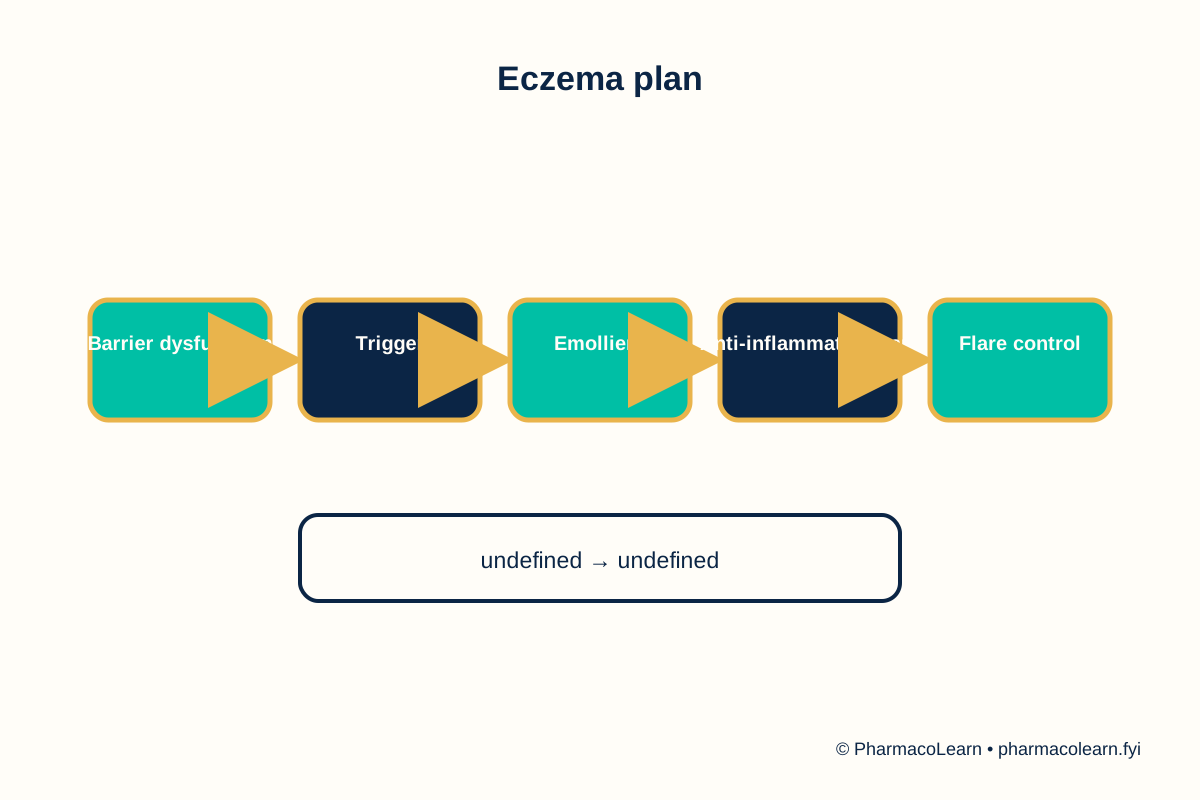
Dermatologic diagnosis is pattern based. Record primary lesion, surface, border, color, symmetry, distribution, flexural or extensor location, scalp or nail involvement, mucosal disease, itch, pain and systemic symptoms. Emollients restore barrier function but require regular use and adequate quantity. Topical corticosteroid choice depends on site, potency, duration and skin thickness. Occlusion increases exposure and should be used only with clear instructions.
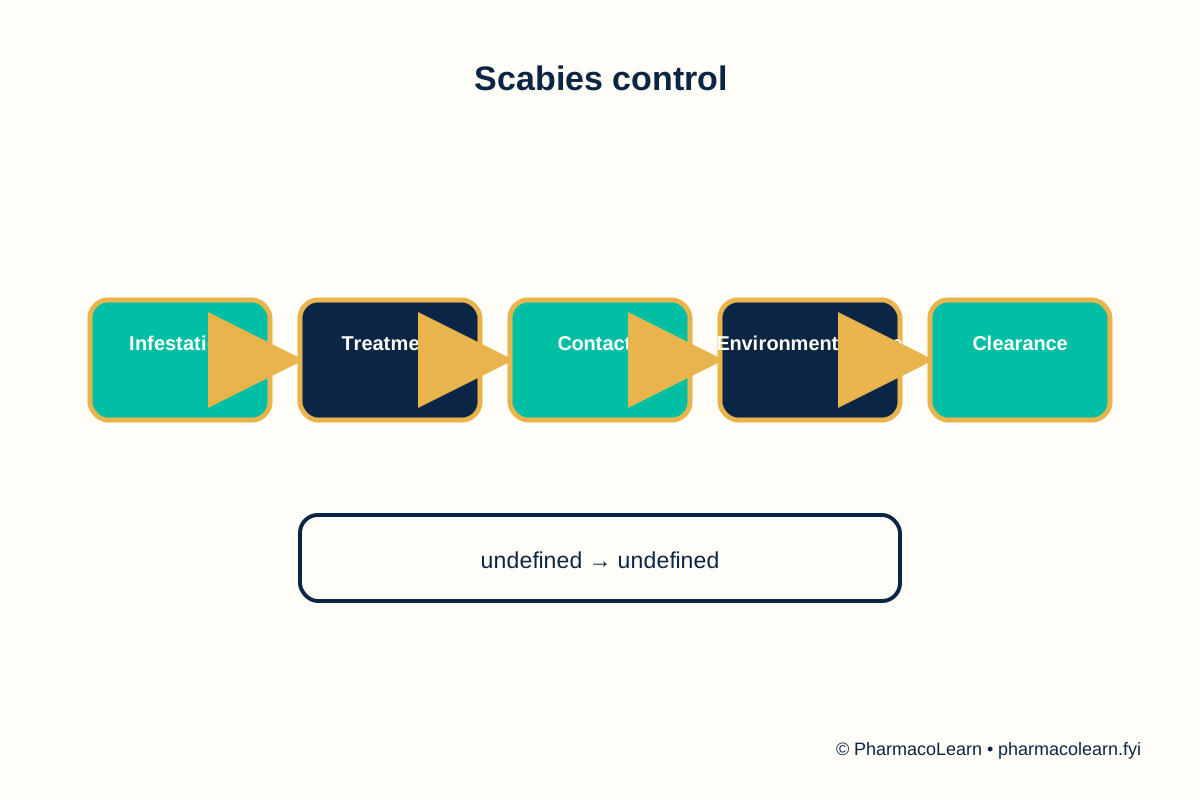
Scabies treatment fails when application is incomplete, contacts are untreated, reinfestation occurs or the diagnosis is wrong. Persistent itch does not always mean live infestation. Eczema may become secondarily infected, while impetigo can spread in households or schools. Refer for extensive disease, systemic symptoms, eye involvement, severe pain, immunosuppression, infant concern or treatment failure. Explain hygiene without stigma.
Syllabus scope
This unit covers psoriasis, scabies, eczema and impetigo.
Core theory
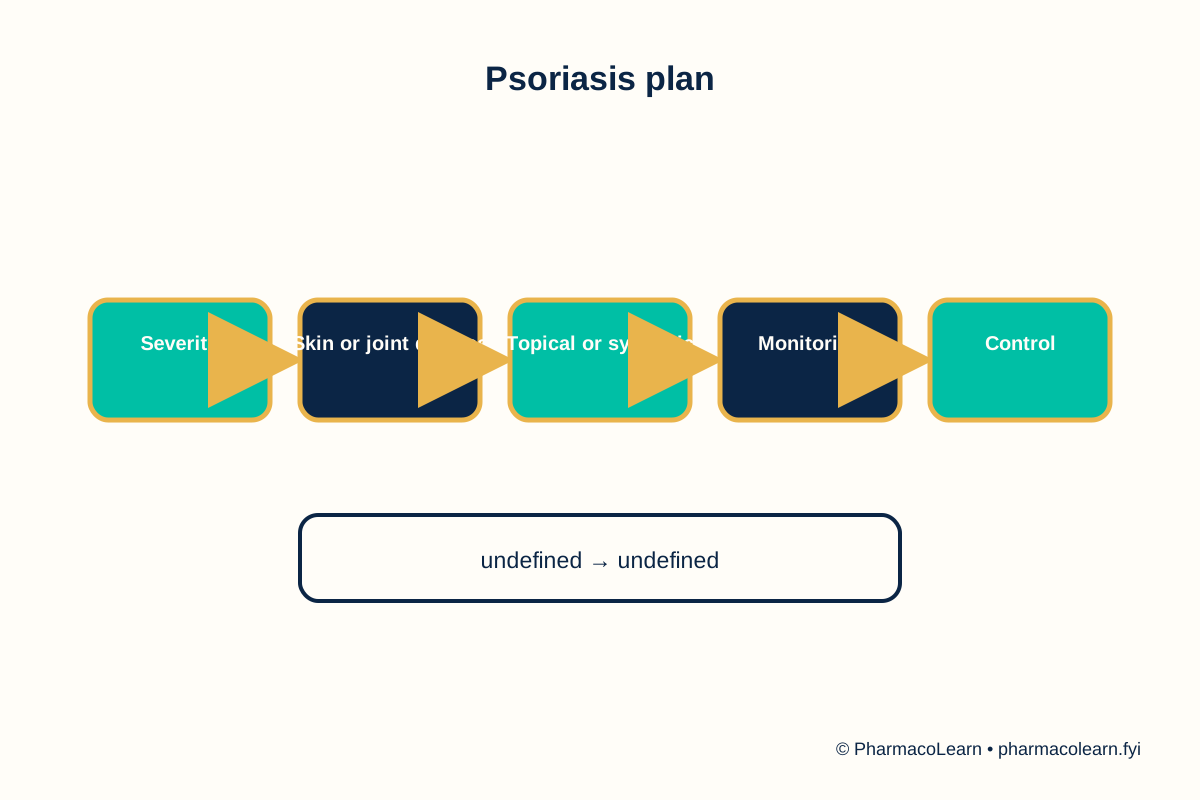
Dermatologic therapy begins with morphology, distribution, duration, itch or pain, exposure, infection risk, age, pregnancy and prior treatment. Psoriasis is an immune-mediated inflammatory disease with sharply demarcated plaques and may involve nails, joints or systemic inflammatory risk. Treatment ranges from emollients and topical therapy to phototherapy or systemic and biologic therapy according to severity and location.
Scabies is caused by infestation with mites and spreads through close contact. Treatment requires the correct medicine, adequate application, treatment of close contacts when indicated, laundering or isolation of relevant fabrics and explanation that itch may persist after successful eradication. Escalation may be needed for crusted disease, immunosuppression or treatment failure.
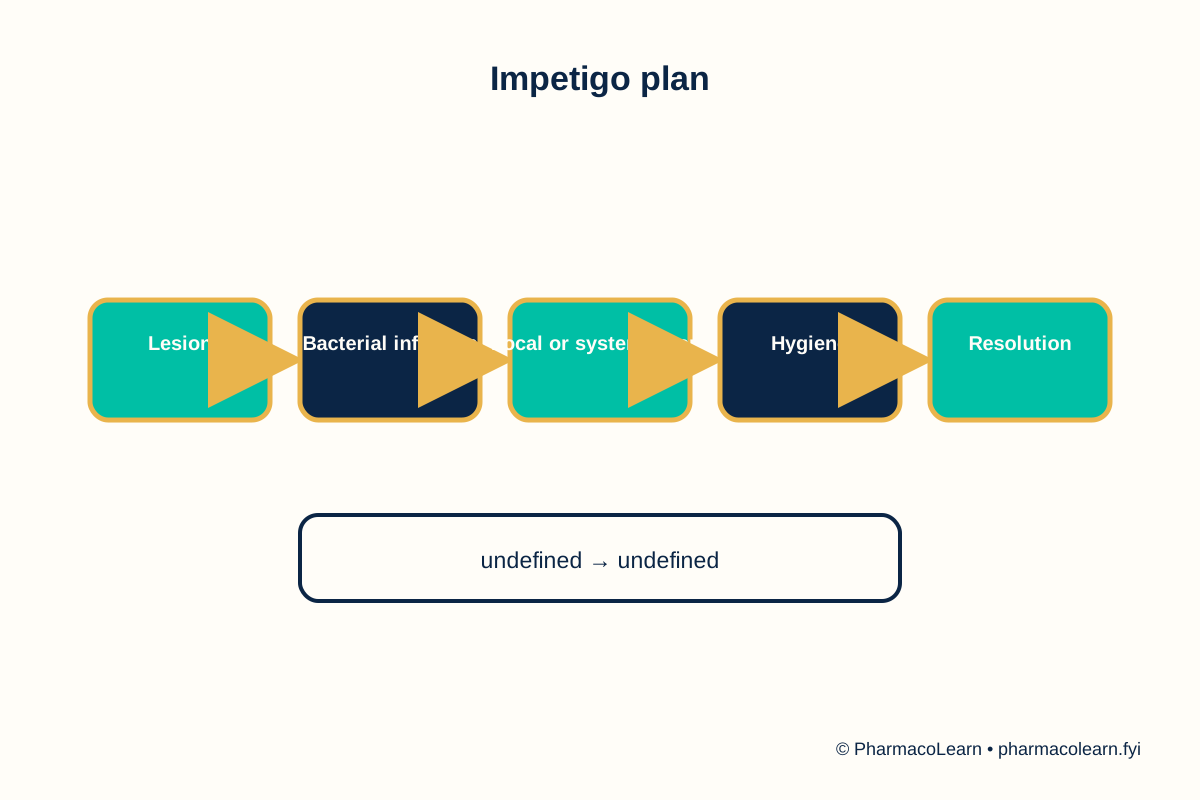
Eczema reflects barrier dysfunction and inflammation. Management includes regular emollient use, trigger avoidance, appropriate topical anti-inflammatory therapy, infection recognition and a plan for flares. Impetigo is a superficial bacterial infection. Localized disease and extensive, bullous or systemic disease may require different approaches. Hygiene, avoiding shared towels and monitoring spread are important.
The pharmacist checks potency, site, amount, duration, application technique, occlusion, age, pregnancy, infection, steroid overuse and adherence. Topical therapy can fail because the diagnosis is wrong, the amount is insufficient, the site is difficult, the product is not used consistently or infection is present. Red flags include rapidly spreading infection, systemic illness, eye or mucosal involvement, severe pain, immunocompromise and failure to improve.
A treatment plan must define the lesion, therapeutic goal, application instruction, expected time course, adverse effects, prevention and review date.
Individualized therapeutic plan
- Confirm the diagnosis, severity, complications and treatment urgency.
- Identify patient-specific risks, comorbidities, medicines, allergies and organ function.
- Define the treatment goal and time frame.
- Select pharmacologic and nonpharmacologic measures using current guidance.
- Explain administration, adherence, precautions and expected response.
- Define monitoring, alternatives, referral criteria and follow-up.
Pharmacist focus
Therapeutics is a monitored clinical plan, not a list of drug names. Exact doses, treatment durations, targets and combinations must be checked against current local guidelines and approved product information. Do not diagnose from symptoms alone or substitute an old regimen for current evidence.
Tips, FAQs and takeaways
- Why individualize treatment? Disease severity, pathogen, organ function, comorbidity and patient goals change the best option.
- Why review therapy? Response, resistance, toxicity and diagnosis can change over time.
- What is the main takeaway? Treat the cause, monitor the patient and escalate early when danger signs appear.
References: PharmacoLearn Year 3 syllabus; Pharmacy Council of India, Pharm.D. Regulations 2008; DiPiro's Pharmacotherapy; Goodman and Gilman's The Pharmacological Basis of Therapeutics; current infectious disease, rheumatology, nephrology, oncology and dermatology guidelines.
Document the lesion assessment and referral plan. Review response and diagnosis. Use current local guidance. Coordinate with the treating team. Patient safety depends on a clear follow-up date, accessible advice and documented escalation criteria. Reassess promptly. Protect patients.
Record lesion review.
Always.
Diagrams
Other Year 3 subjects: Pharmacology II · Pharmaceutical Analysis · Pharmacotherapeutics II · Pharmaceutical Jurisprudence · Medicinal Chemistry · Pharm D Year 3, Pharmaceutical Formulations · Year 3 · Pharm D