
Medicinal Chemistry — Pharm D Year 3
Notes for Medicinal Chemistry, Pharm D Year 3, organised unit by unit following the PCI Pharm D syllabus. 12 units, 20 diagrams.
Note: synthesis conditions, assay details and marketed-product status change with new editions and approvals. Verify them against the current pharmacopoeia or standard reference before use.
Syllabus: Pharm D Year 3 syllabus
Practicals: Medicinal Chemistry practicals
Units in this subject
- Unit 1: Rational Drug Design
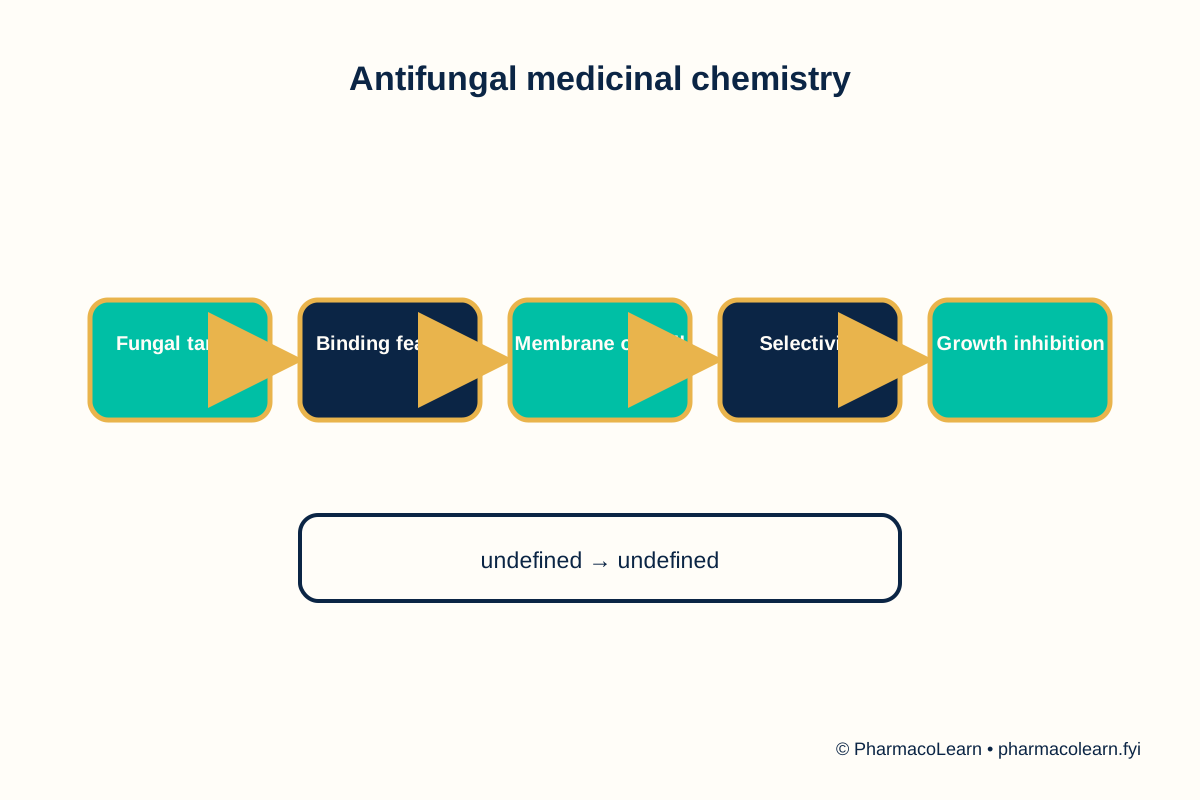
- Unit 2: Local Antiinfective, Preservative, Antifungal and Urinary Antiinfective Agents
- Unit 3: Antitubercular, Antiviral and Anti-AIDS Agents
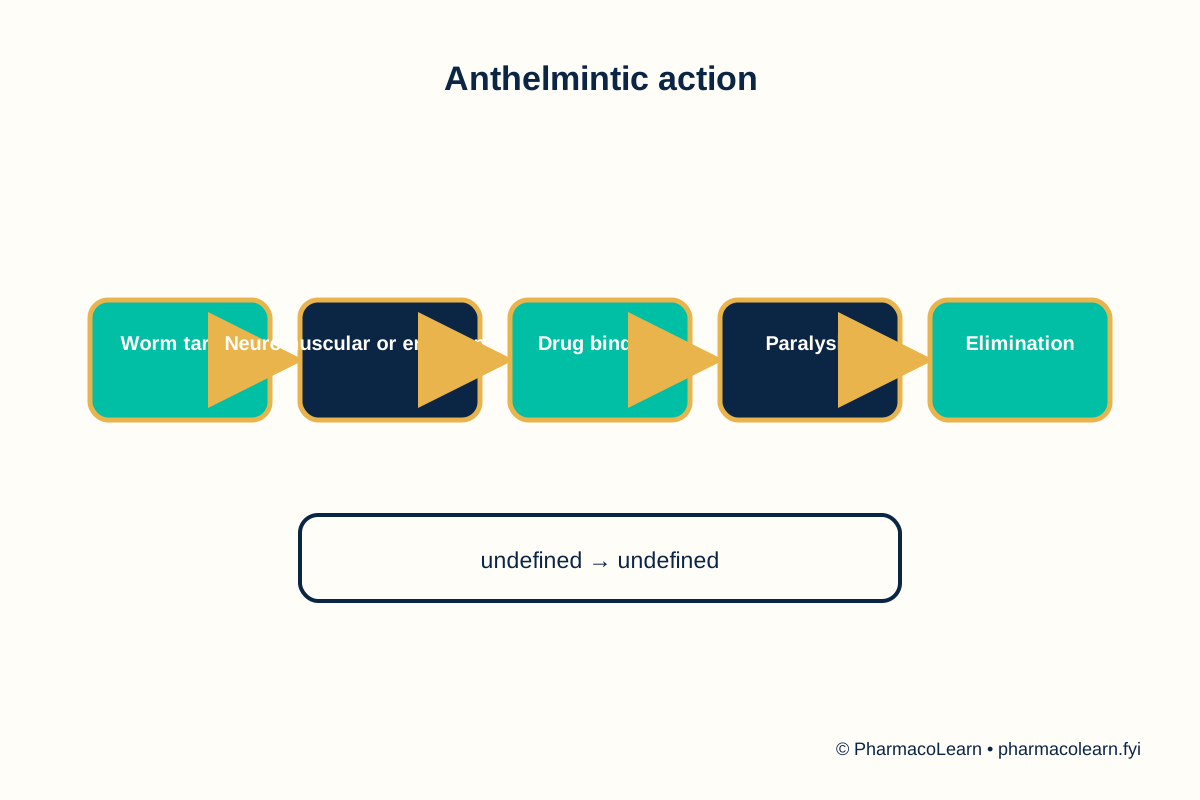
- Unit 4: Antiprotozoal and Anthelmintic Agents
- Unit 5: Antiscabies and Antipedicular Agents
- Unit 6: Sulphonamides and Sulphones
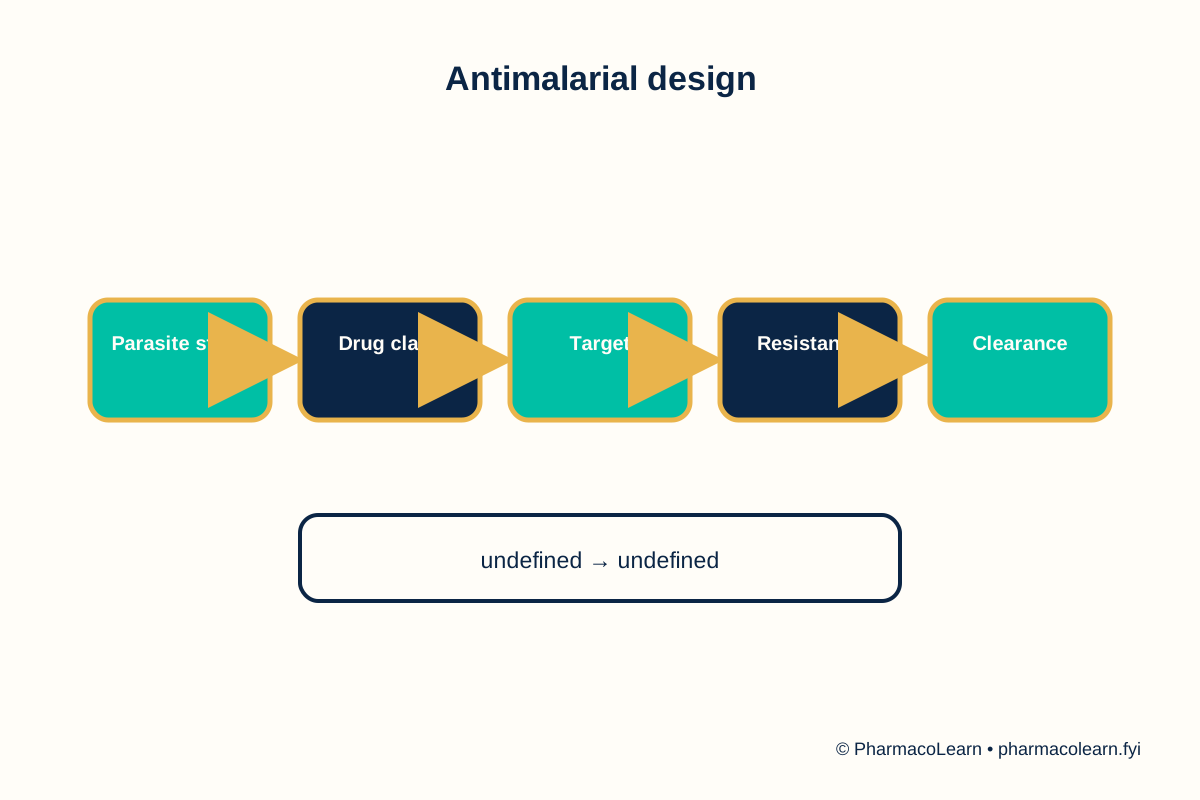
- Unit 7: Antimalarial Agents
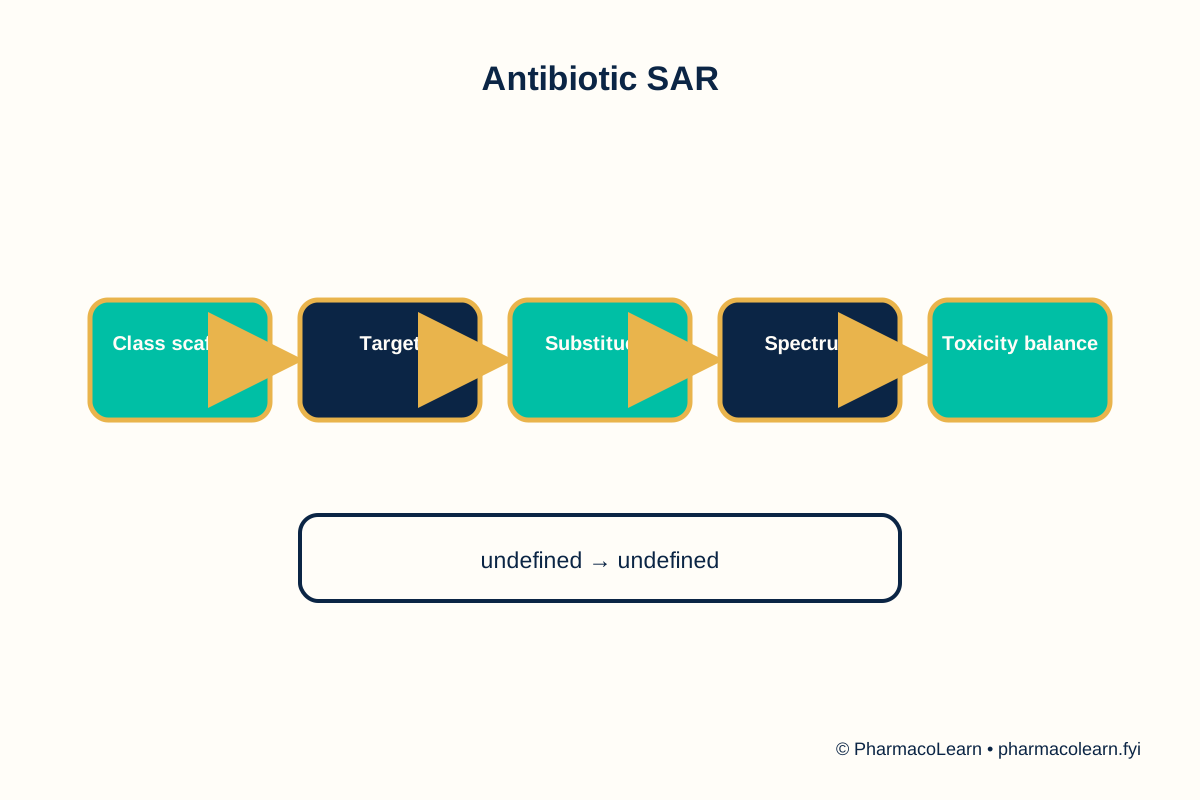
- Unit 8: Antibiotics
- Unit 9: Antineoplastic Agents
- Unit 10: Cardiovascular Agents
- Unit 11: Hypoglycemic, Thyroid, Antithyroid and Diuretic Agents
- Unit 12: Diagnostic Agents and Steroidal Hormones
Unit 1: Rational Drug Design
Syllabus scope
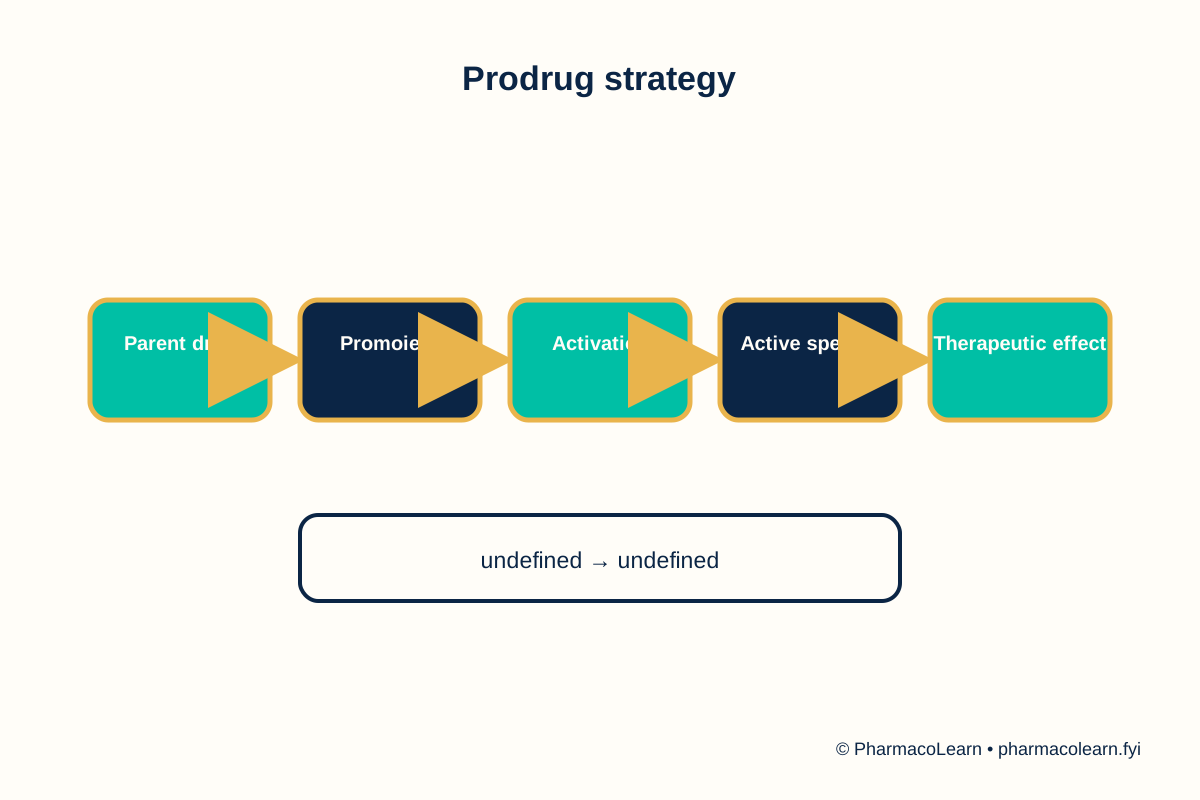
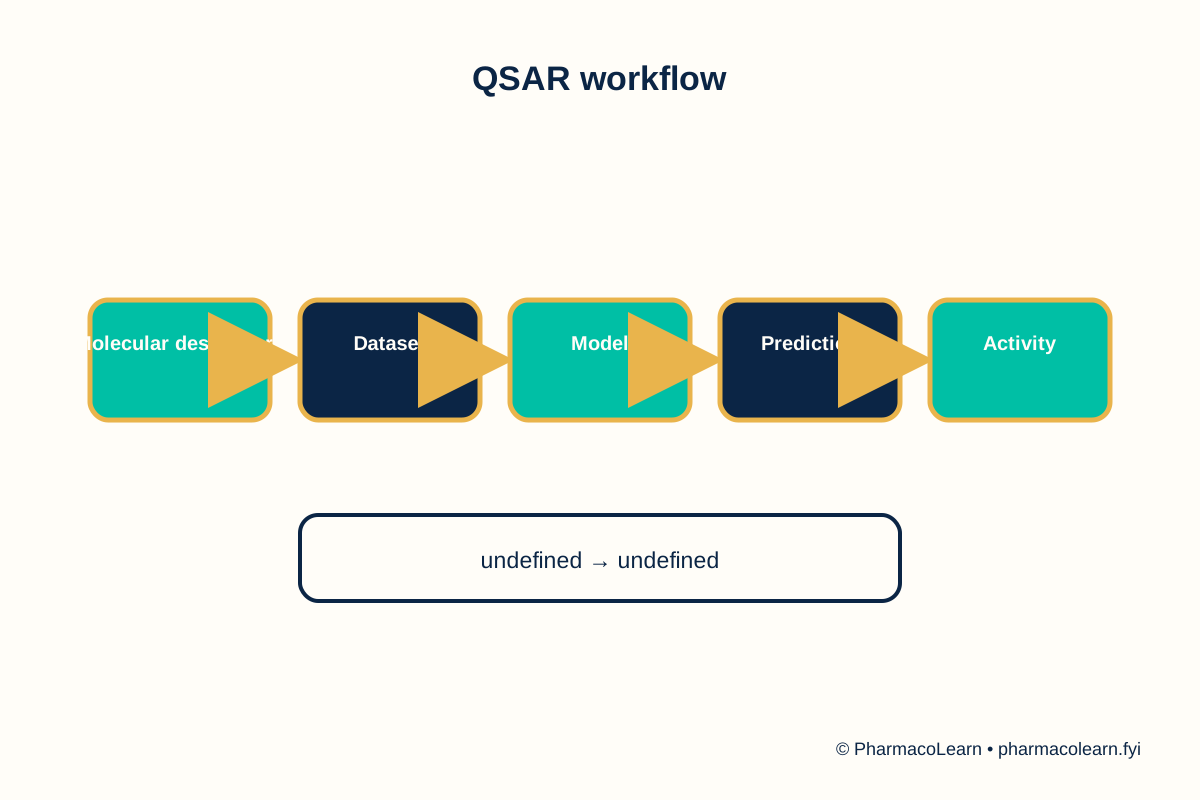
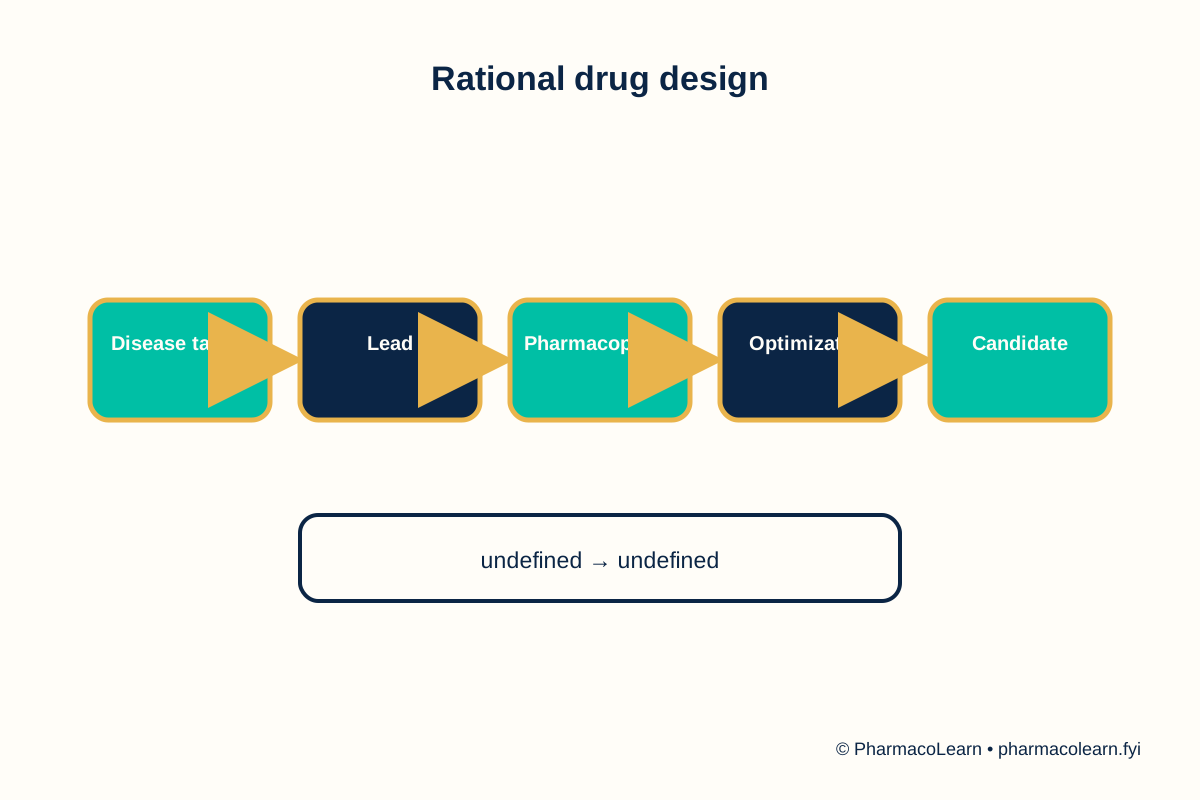
This unit covers QSAR, prodrugs, combinatorial chemistry, computer-aided drug design and antisense molecules.
Core theory
Medicinal chemistry connects molecular structure with physicochemical properties, biological target interaction, pharmacokinetics, metabolism, selectivity, potency and toxicity. A useful study sequence is: identify the pharmacophore, locate the interaction features, compare substituent effects, relate ionization and lipophilicity to distribution, explain the mechanism, and connect structural liabilities with metabolism or adverse effects.
For each class, distinguish the lead compound, important analogues, therapeutic target, binding interactions, activity trends, resistance or selectivity issues, and the reason a modification may improve duration, absorption, stability or safety. Synthesis should be studied as a sequence of named transformations and functional-group changes. Exact reaction conditions, yields and official assay procedures must be checked against the prescribed medicinal chemistry reference and current monograph.
Medicinal chemistry framework
- Chemical class and therapeutic role
- Pharmacophore and target interaction
- Structure activity relationship
- Ionization, solubility and permeability
- Metabolic soft spots and prodrug possibilities
- Resistance or selectivity considerations
- Important adverse effects and structural causes
- Nomenclature and representative synthesis pathway
- Quality and impurity considerations
Pharmacist correlation
The pharmacist uses structure-based understanding to anticipate interactions, formulation behavior, stability, metabolism and adverse effects. A brand name is not a substitute for an active chemical identity. Exact marketed products and current regulatory status require verification.
Tips, FAQs and takeaways
- Why study SAR? It explains why related molecules differ in potency, selectivity, duration and toxicity.
- Why study physicochemical properties? They influence absorption, distribution, formulation and analytical behavior.
- What is the main takeaway? Read structure, mechanism and clinical use as one connected chain.
References: PharmacoLearn Year 3 syllabus; Pharmacy Council of India, Pharm.D. Regulations 2008; Wilson and Gisvold's Textbook of Organic Medicinal and Pharmaceutical Chemistry; Foye's Principles of Medicinal Chemistry; Burger's Medicinal Chemistry and Drug Discovery; current pharmacopoeial and regulatory sources.
Study extension
Use a representative structure to compare target binding, ionization, metabolic stability, resistance risk and toxicity. Verify exact structures, synthesis conditions and assay details before publication.
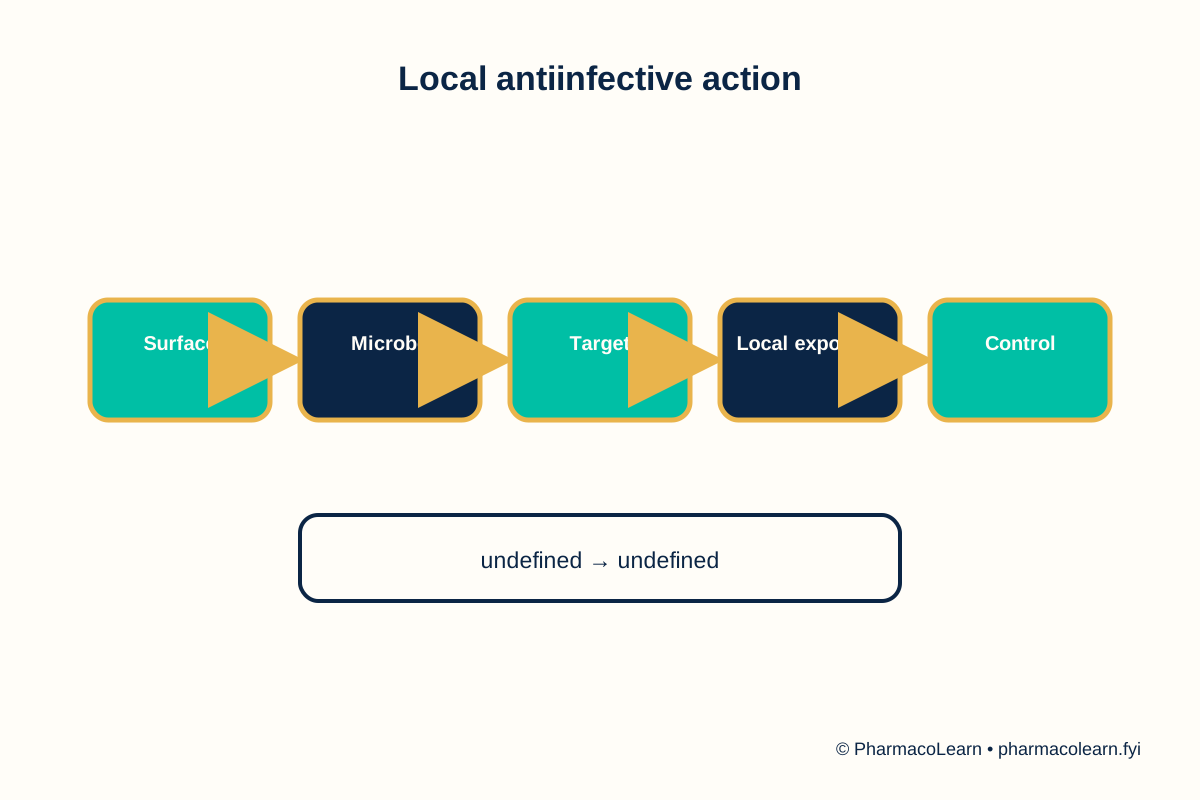
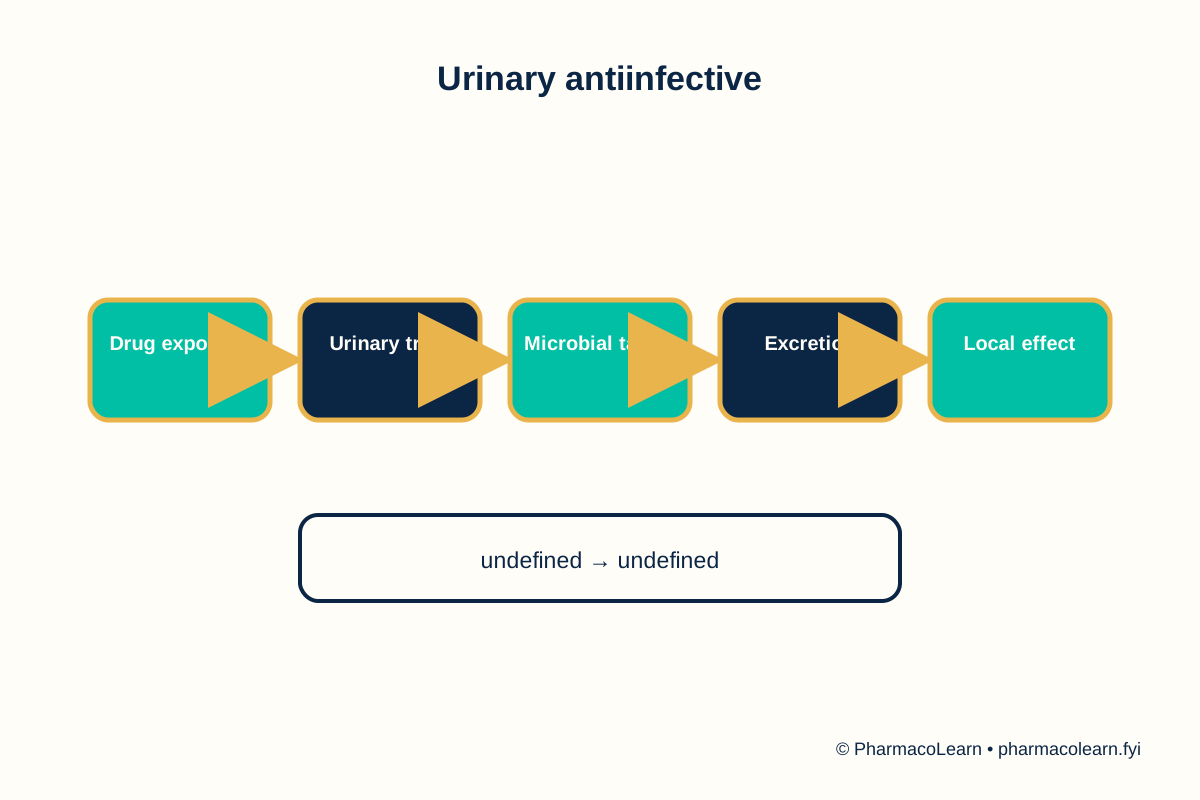
Unit 2: Local Antiinfective, Preservative, Antifungal and Urinary Antiinfective Agents
Syllabus scope
This unit covers development and medicinal chemistry of local antiinfectives, preservatives, antifungals and urinary tract antiinfectives.
Core theory
Medicinal chemistry connects molecular structure with physicochemical properties, biological target interaction, pharmacokinetics, metabolism, selectivity, potency and toxicity. A useful study sequence is: identify the pharmacophore, locate the interaction features, compare substituent effects, relate ionization and lipophilicity to distribution, explain the mechanism, and connect structural liabilities with metabolism or adverse effects.
For each class, distinguish the lead compound, important analogues, therapeutic target, binding interactions, activity trends, resistance or selectivity issues, and the reason a modification may improve duration, absorption, stability or safety. Synthesis should be studied as a sequence of named transformations and functional-group changes. Exact reaction conditions, yields and official assay procedures must be checked against the prescribed medicinal chemistry reference and current monograph.
Medicinal chemistry framework
- Chemical class and therapeutic role
- Pharmacophore and target interaction
- Structure activity relationship
- Ionization, solubility and permeability
- Metabolic soft spots and prodrug possibilities
- Resistance or selectivity considerations
- Important adverse effects and structural causes
- Nomenclature and representative synthesis pathway
- Quality and impurity considerations
Pharmacist correlation
The pharmacist uses structure-based understanding to anticipate interactions, formulation behavior, stability, metabolism and adverse effects. A brand name is not a substitute for an active chemical identity. Exact marketed products and current regulatory status require verification.
Tips, FAQs and takeaways
- Why study SAR? It explains why related molecules differ in potency, selectivity, duration and toxicity.
- Why study physicochemical properties? They influence absorption, distribution, formulation and analytical behavior.
- What is the main takeaway? Read structure, mechanism and clinical use as one connected chain.
References: PharmacoLearn Year 3 syllabus; Pharmacy Council of India, Pharm.D. Regulations 2008; Wilson and Gisvold's Textbook of Organic Medicinal and Pharmaceutical Chemistry; Foye's Principles of Medicinal Chemistry; Burger's Medicinal Chemistry and Drug Discovery; current pharmacopoeial and regulatory sources.
Study extension
Use a representative structure to compare target binding, ionization, metabolic stability, resistance risk and toxicity. Verify exact structures, synthesis conditions and assay details before publication.
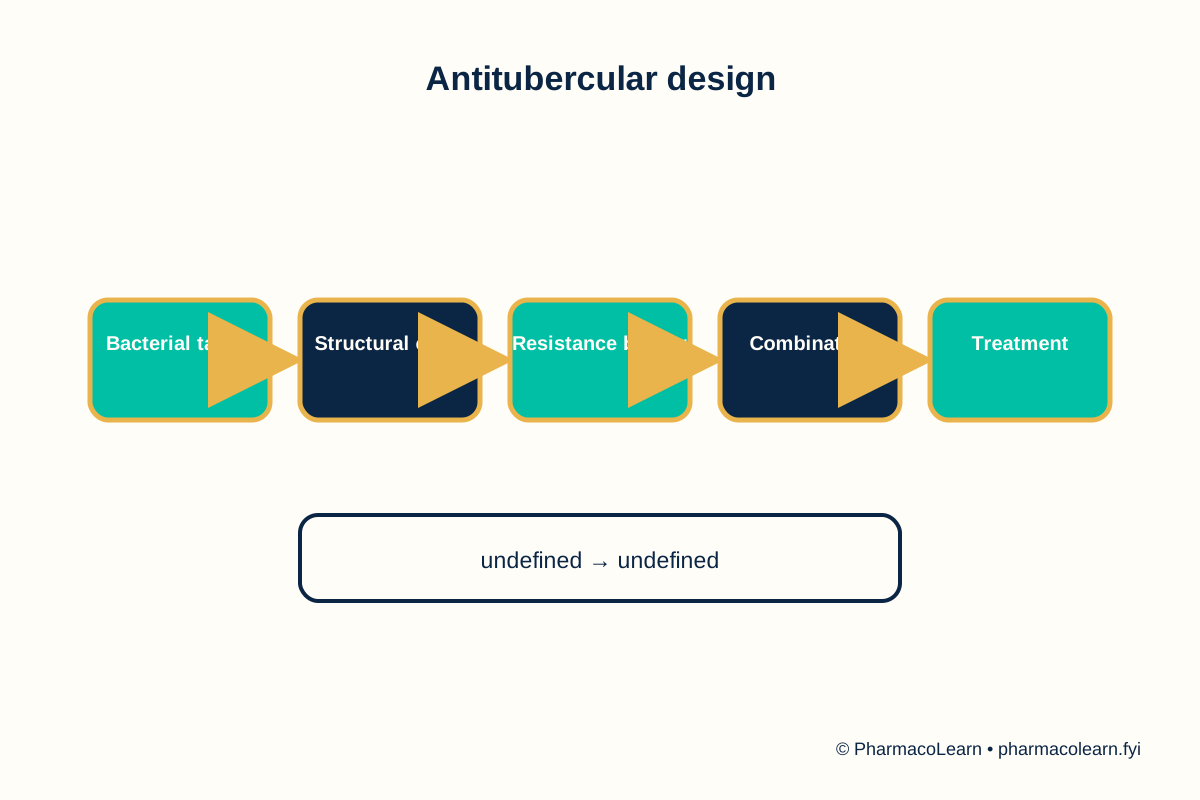
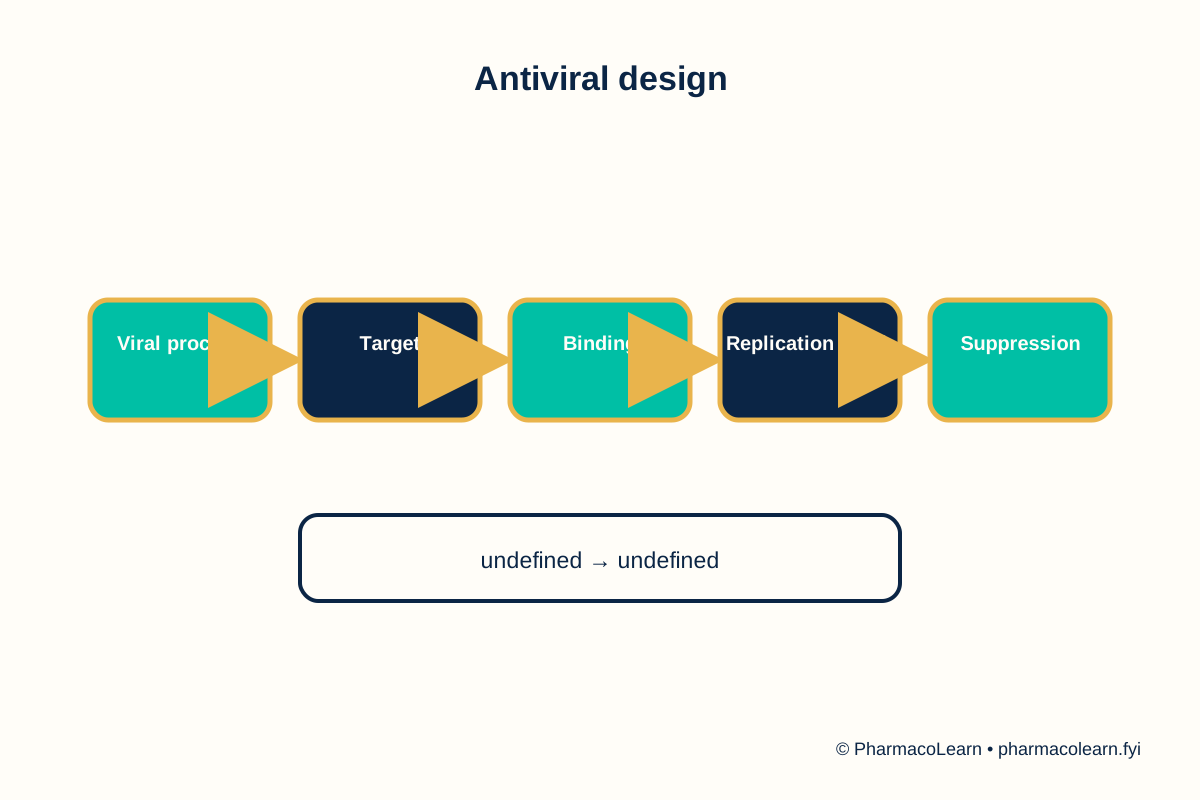
Unit 3: Antitubercular, Antiviral and Anti-AIDS Agents
Syllabus scope
This unit covers development, SAR, mechanisms, synthesis principles, nomenclature and adverse effects.
Core theory
Medicinal chemistry connects molecular structure with physicochemical properties, biological target interaction, pharmacokinetics, metabolism, selectivity, potency and toxicity. A useful study sequence is: identify the pharmacophore, locate the interaction features, compare substituent effects, relate ionization and lipophilicity to distribution, explain the mechanism, and connect structural liabilities with metabolism or adverse effects.
For each class, distinguish the lead compound, important analogues, therapeutic target, binding interactions, activity trends, resistance or selectivity issues, and the reason a modification may improve duration, absorption, stability or safety. Synthesis should be studied as a sequence of named transformations and functional-group changes. Exact reaction conditions, yields and official assay procedures must be checked against the prescribed medicinal chemistry reference and current monograph.
Medicinal chemistry framework
- Chemical class and therapeutic role
- Pharmacophore and target interaction
- Structure activity relationship
- Ionization, solubility and permeability
- Metabolic soft spots and prodrug possibilities
- Resistance or selectivity considerations
- Important adverse effects and structural causes
- Nomenclature and representative synthesis pathway
- Quality and impurity considerations
Pharmacist correlation
The pharmacist uses structure-based understanding to anticipate interactions, formulation behavior, stability, metabolism and adverse effects. A brand name is not a substitute for an active chemical identity. Exact marketed products and current regulatory status require verification.
Tips, FAQs and takeaways
- Why study SAR? It explains why related molecules differ in potency, selectivity, duration and toxicity.
- Why study physicochemical properties? They influence absorption, distribution, formulation and analytical behavior.
- What is the main takeaway? Read structure, mechanism and clinical use as one connected chain.
References: PharmacoLearn Year 3 syllabus; Pharmacy Council of India, Pharm.D. Regulations 2008; Wilson and Gisvold's Textbook of Organic Medicinal and Pharmaceutical Chemistry; Foye's Principles of Medicinal Chemistry; Burger's Medicinal Chemistry and Drug Discovery; current pharmacopoeial and regulatory sources.
Study extension
Use a representative structure to compare target binding, ionization, metabolic stability, resistance risk and toxicity. Verify exact structures, synthesis conditions and assay details before publication.
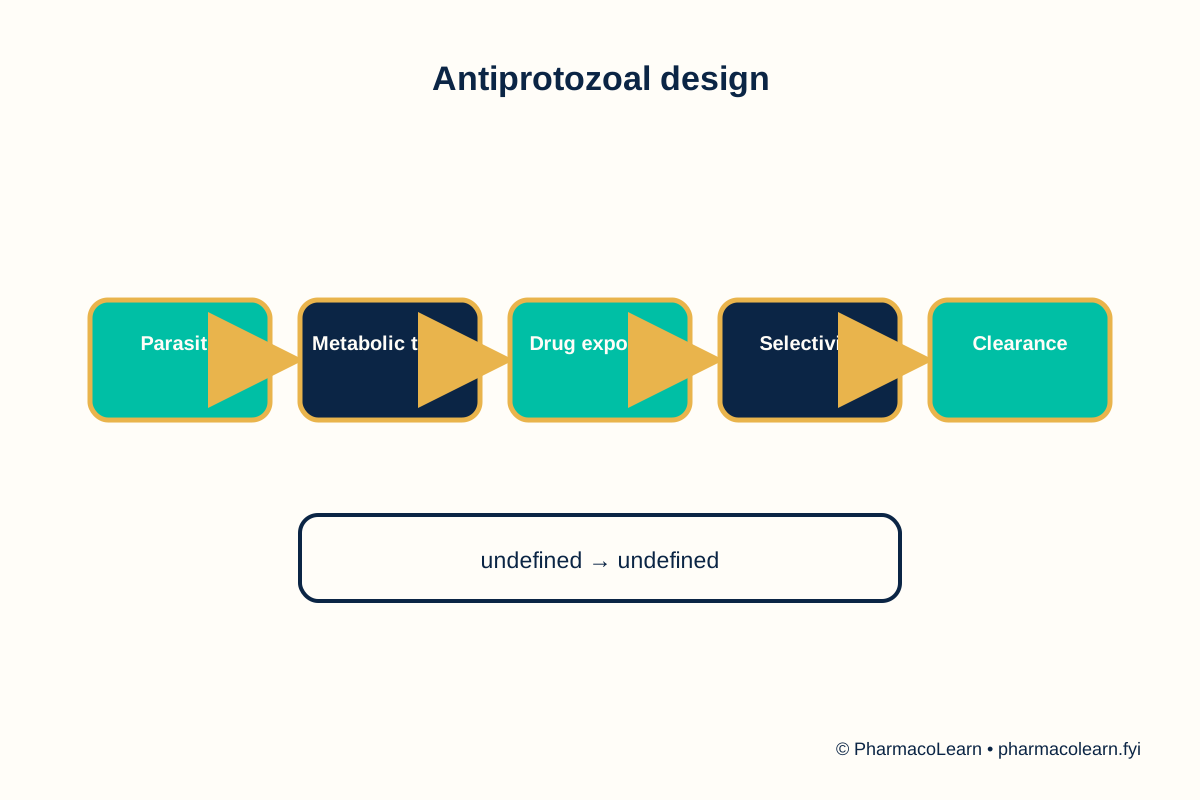
Unit 4: Antiprotozoal and Anthelmintic Agents
Syllabus scope
This unit covers medicinal chemistry of antiprotozoal and anthelmintic classes.
Core theory
Medicinal chemistry connects molecular structure with physicochemical properties, biological target interaction, pharmacokinetics, metabolism, selectivity, potency and toxicity. A useful study sequence is: identify the pharmacophore, locate the interaction features, compare substituent effects, relate ionization and lipophilicity to distribution, explain the mechanism, and connect structural liabilities with metabolism or adverse effects.
For each class, distinguish the lead compound, important analogues, therapeutic target, binding interactions, activity trends, resistance or selectivity issues, and the reason a modification may improve duration, absorption, stability or safety. Synthesis should be studied as a sequence of named transformations and functional-group changes. Exact reaction conditions, yields and official assay procedures must be checked against the prescribed medicinal chemistry reference and current monograph.
Medicinal chemistry framework
- Chemical class and therapeutic role
- Pharmacophore and target interaction
- Structure activity relationship
- Ionization, solubility and permeability
- Metabolic soft spots and prodrug possibilities
- Resistance or selectivity considerations
- Important adverse effects and structural causes
- Nomenclature and representative synthesis pathway
- Quality and impurity considerations
Pharmacist correlation
The pharmacist uses structure-based understanding to anticipate interactions, formulation behavior, stability, metabolism and adverse effects. A brand name is not a substitute for an active chemical identity. Exact marketed products and current regulatory status require verification.
Tips, FAQs and takeaways
- Why study SAR? It explains why related molecules differ in potency, selectivity, duration and toxicity.
- Why study physicochemical properties? They influence absorption, distribution, formulation and analytical behavior.
- What is the main takeaway? Read structure, mechanism and clinical use as one connected chain.
References: PharmacoLearn Year 3 syllabus; Pharmacy Council of India, Pharm.D. Regulations 2008; Wilson and Gisvold's Textbook of Organic Medicinal and Pharmaceutical Chemistry; Foye's Principles of Medicinal Chemistry; Burger's Medicinal Chemistry and Drug Discovery; current pharmacopoeial and regulatory sources.
Study extension
Use a representative structure to compare target binding, ionization, metabolic stability, resistance risk and toxicity. Verify exact structures, synthesis conditions and assay details before publication.
Unit 5: Antiscabies and Antipedicular Agents
Syllabus scope
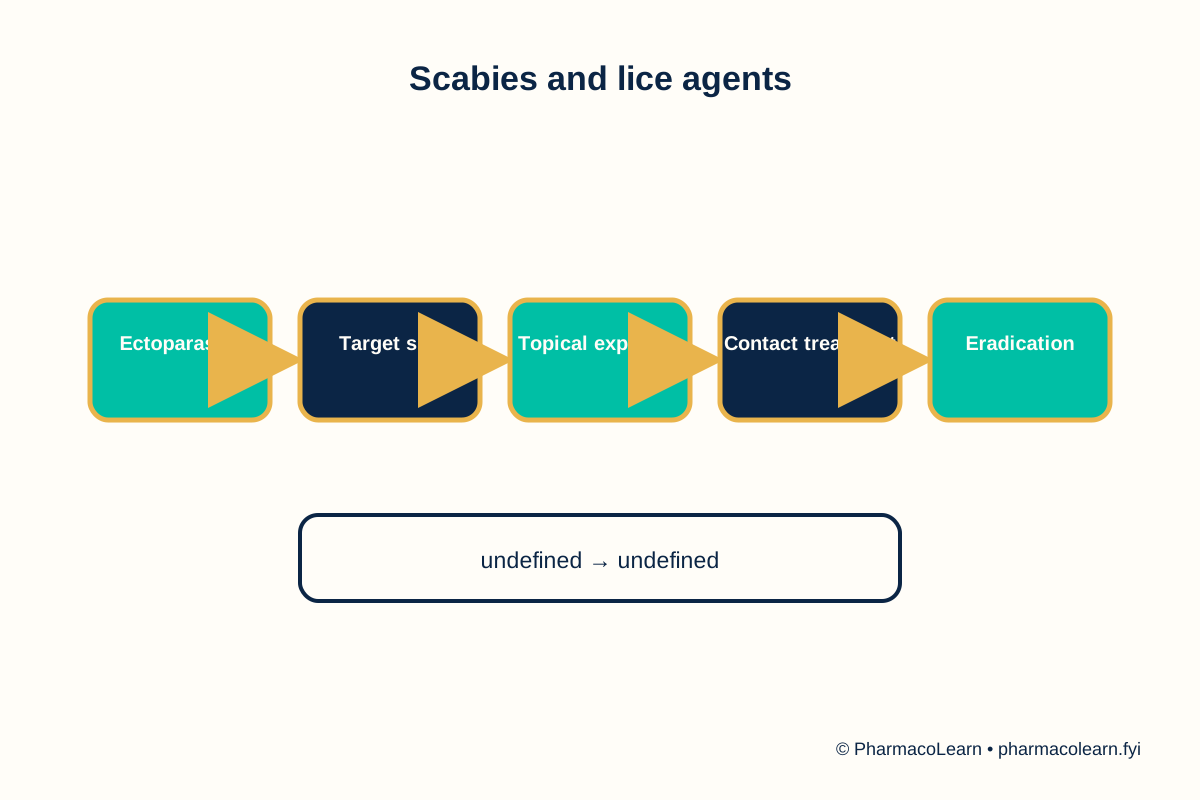
This unit covers chemistry, mechanism, formulation and safety of agents for mites and lice.
Core theory
Medicinal chemistry connects molecular structure with physicochemical properties, biological target interaction, pharmacokinetics, metabolism, selectivity, potency and toxicity. A useful study sequence is: identify the pharmacophore, locate the interaction features, compare substituent effects, relate ionization and lipophilicity to distribution, explain the mechanism, and connect structural liabilities with metabolism or adverse effects.
For each class, distinguish the lead compound, important analogues, therapeutic target, binding interactions, activity trends, resistance or selectivity issues, and the reason a modification may improve duration, absorption, stability or safety. Synthesis should be studied as a sequence of named transformations and functional-group changes. Exact reaction conditions, yields and official assay procedures must be checked against the prescribed medicinal chemistry reference and current monograph.
Medicinal chemistry framework
- Chemical class and therapeutic role
- Pharmacophore and target interaction
- Structure activity relationship
- Ionization, solubility and permeability
- Metabolic soft spots and prodrug possibilities
- Resistance or selectivity considerations
- Important adverse effects and structural causes
- Nomenclature and representative synthesis pathway
- Quality and impurity considerations
Pharmacist correlation
The pharmacist uses structure-based understanding to anticipate interactions, formulation behavior, stability, metabolism and adverse effects. A brand name is not a substitute for an active chemical identity. Exact marketed products and current regulatory status require verification.
Tips, FAQs and takeaways
- Why study SAR? It explains why related molecules differ in potency, selectivity, duration and toxicity.
- Why study physicochemical properties? They influence absorption, distribution, formulation and analytical behavior.
- What is the main takeaway? Read structure, mechanism and clinical use as one connected chain.
References: PharmacoLearn Year 3 syllabus; Pharmacy Council of India, Pharm.D. Regulations 2008; Wilson and Gisvold's Textbook of Organic Medicinal and Pharmaceutical Chemistry; Foye's Principles of Medicinal Chemistry; Burger's Medicinal Chemistry and Drug Discovery; current pharmacopoeial and regulatory sources.
Study extension
Use a representative structure to compare target binding, ionization, metabolic stability, resistance risk and toxicity. Verify exact structures, synthesis conditions and assay details before publication.
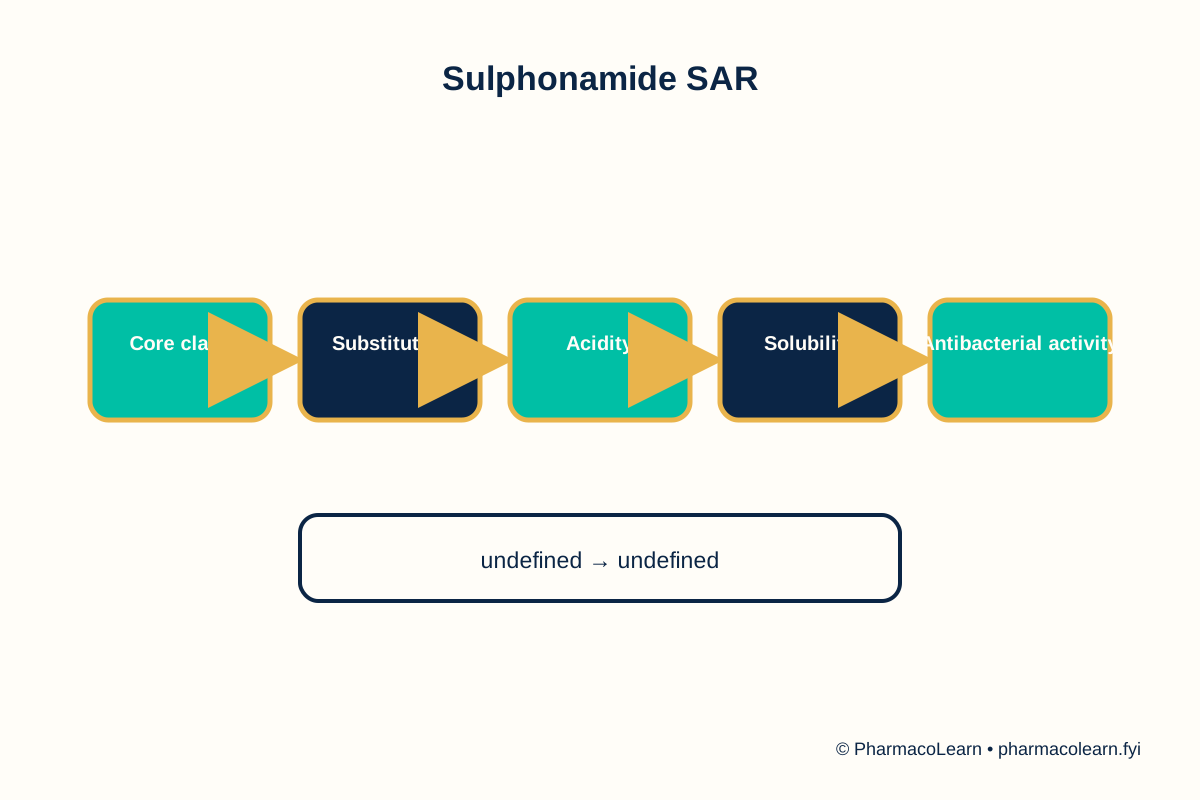
Unit 6: Sulphonamides and Sulphones
Syllabus scope
This unit covers development, SAR, mechanism, synthesis principles, nomenclature and adverse effects.
Core theory
Medicinal chemistry connects molecular structure with physicochemical properties, biological target interaction, pharmacokinetics, metabolism, selectivity, potency and toxicity. A useful study sequence is: identify the pharmacophore, locate the interaction features, compare substituent effects, relate ionization and lipophilicity to distribution, explain the mechanism, and connect structural liabilities with metabolism or adverse effects.
For each class, distinguish the lead compound, important analogues, therapeutic target, binding interactions, activity trends, resistance or selectivity issues, and the reason a modification may improve duration, absorption, stability or safety. Synthesis should be studied as a sequence of named transformations and functional-group changes. Exact reaction conditions, yields and official assay procedures must be checked against the prescribed medicinal chemistry reference and current monograph.
Medicinal chemistry framework
- Chemical class and therapeutic role
- Pharmacophore and target interaction
- Structure activity relationship
- Ionization, solubility and permeability
- Metabolic soft spots and prodrug possibilities
- Resistance or selectivity considerations
- Important adverse effects and structural causes
- Nomenclature and representative synthesis pathway
- Quality and impurity considerations
Pharmacist correlation
The pharmacist uses structure-based understanding to anticipate interactions, formulation behavior, stability, metabolism and adverse effects. A brand name is not a substitute for an active chemical identity. Exact marketed products and current regulatory status require verification.
Tips, FAQs and takeaways
- Why study SAR? It explains why related molecules differ in potency, selectivity, duration and toxicity.
- Why study physicochemical properties? They influence absorption, distribution, formulation and analytical behavior.
- What is the main takeaway? Read structure, mechanism and clinical use as one connected chain.
References: PharmacoLearn Year 3 syllabus; Pharmacy Council of India, Pharm.D. Regulations 2008; Wilson and Gisvold's Textbook of Organic Medicinal and Pharmaceutical Chemistry; Foye's Principles of Medicinal Chemistry; Burger's Medicinal Chemistry and Drug Discovery; current pharmacopoeial and regulatory sources.
Study extension
Use a representative structure to compare target binding, ionization, metabolic stability, resistance risk and toxicity. Verify exact structures, synthesis conditions and assay details before publication.
Unit 7: Antimalarial Agents
Syllabus scope
This unit covers development, SAR, mechanism, synthesis principles, nomenclature and adverse effects.
Core theory
Medicinal chemistry connects molecular structure with physicochemical properties, biological target interaction, pharmacokinetics, metabolism, selectivity, potency and toxicity. A useful study sequence is: identify the pharmacophore, locate the interaction features, compare substituent effects, relate ionization and lipophilicity to distribution, explain the mechanism, and connect structural liabilities with metabolism or adverse effects.
For each class, distinguish the lead compound, important analogues, therapeutic target, binding interactions, activity trends, resistance or selectivity issues, and the reason a modification may improve duration, absorption, stability or safety. Synthesis should be studied as a sequence of named transformations and functional-group changes. Exact reaction conditions, yields and official assay procedures must be checked against the prescribed medicinal chemistry reference and current monograph.
Medicinal chemistry framework
- Chemical class and therapeutic role
- Pharmacophore and target interaction
- Structure activity relationship
- Ionization, solubility and permeability
- Metabolic soft spots and prodrug possibilities
- Resistance or selectivity considerations
- Important adverse effects and structural causes
- Nomenclature and representative synthesis pathway
- Quality and impurity considerations
Pharmacist correlation
The pharmacist uses structure-based understanding to anticipate interactions, formulation behavior, stability, metabolism and adverse effects. A brand name is not a substitute for an active chemical identity. Exact marketed products and current regulatory status require verification.
Tips, FAQs and takeaways
- Why study SAR? It explains why related molecules differ in potency, selectivity, duration and toxicity.
- Why study physicochemical properties? They influence absorption, distribution, formulation and analytical behavior.
- What is the main takeaway? Read structure, mechanism and clinical use as one connected chain.
References: PharmacoLearn Year 3 syllabus; Pharmacy Council of India, Pharm.D. Regulations 2008; Wilson and Gisvold's Textbook of Organic Medicinal and Pharmaceutical Chemistry; Foye's Principles of Medicinal Chemistry; Burger's Medicinal Chemistry and Drug Discovery; current pharmacopoeial and regulatory sources.
Study extension
Use a representative structure to compare target binding, ionization, metabolic stability, resistance risk and toxicity. Verify exact structures, synthesis conditions and assay details before publication.
Unit 8: Antibiotics
Syllabus scope
This unit covers development, SAR, mechanism, synthesis principles, nomenclature and adverse effects of antibiotic classes.
Core theory
Medicinal chemistry connects molecular structure with physicochemical properties, biological target interaction, pharmacokinetics, metabolism, selectivity, potency and toxicity. A useful study sequence is: identify the pharmacophore, locate the interaction features, compare substituent effects, relate ionization and lipophilicity to distribution, explain the mechanism, and connect structural liabilities with metabolism or adverse effects.
For each class, distinguish the lead compound, important analogues, therapeutic target, binding interactions, activity trends, resistance or selectivity issues, and the reason a modification may improve duration, absorption, stability or safety. Synthesis should be studied as a sequence of named transformations and functional-group changes. Exact reaction conditions, yields and official assay procedures must be checked against the prescribed medicinal chemistry reference and current monograph.
Medicinal chemistry framework
- Chemical class and therapeutic role
- Pharmacophore and target interaction
- Structure activity relationship
- Ionization, solubility and permeability
- Metabolic soft spots and prodrug possibilities
- Resistance or selectivity considerations
- Important adverse effects and structural causes
- Nomenclature and representative synthesis pathway
- Quality and impurity considerations
Pharmacist correlation
The pharmacist uses structure-based understanding to anticipate interactions, formulation behavior, stability, metabolism and adverse effects. A brand name is not a substitute for an active chemical identity. Exact marketed products and current regulatory status require verification.
Tips, FAQs and takeaways
- Why study SAR? It explains why related molecules differ in potency, selectivity, duration and toxicity.
- Why study physicochemical properties? They influence absorption, distribution, formulation and analytical behavior.
- What is the main takeaway? Read structure, mechanism and clinical use as one connected chain.
References: PharmacoLearn Year 3 syllabus; Pharmacy Council of India, Pharm.D. Regulations 2008; Wilson and Gisvold's Textbook of Organic Medicinal and Pharmaceutical Chemistry; Foye's Principles of Medicinal Chemistry; Burger's Medicinal Chemistry and Drug Discovery; current pharmacopoeial and regulatory sources.
Study extension
Use a representative structure to compare target binding, ionization, metabolic stability, resistance risk and toxicity. Verify exact structures, synthesis conditions and assay details before publication.
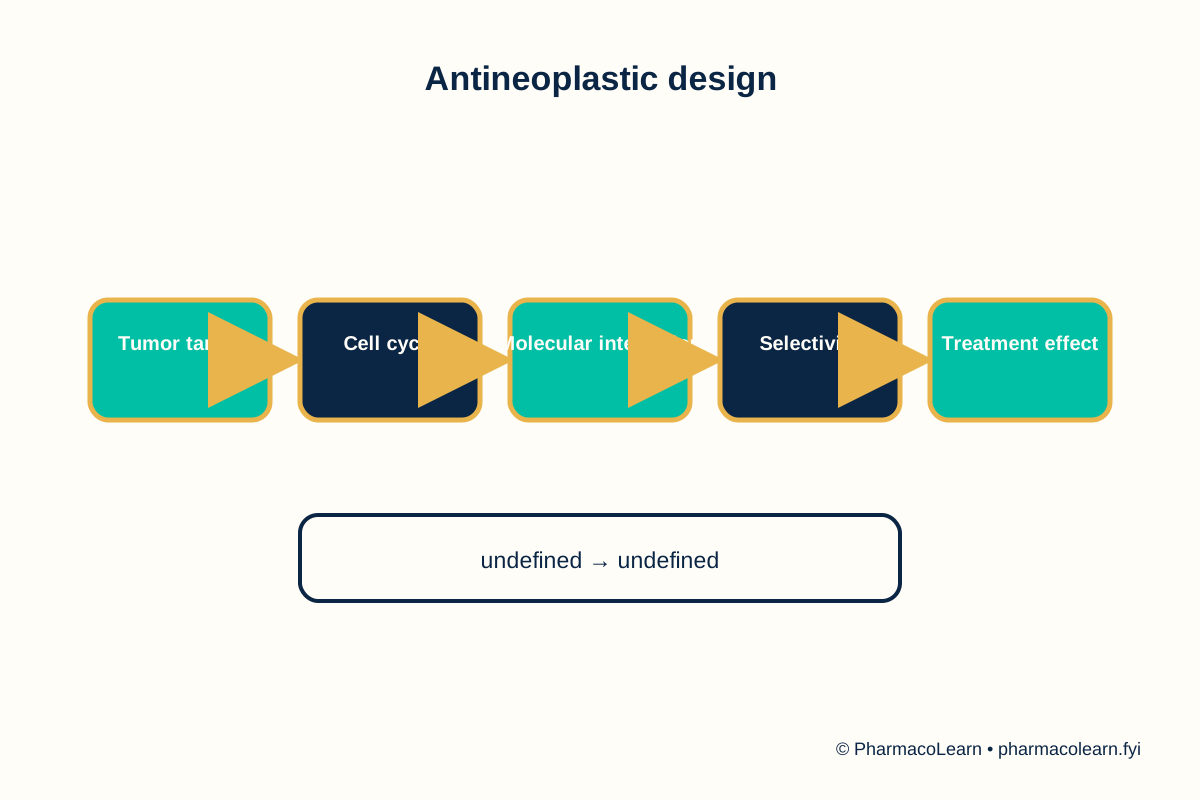
Unit 9: Antineoplastic Agents
Syllabus scope
This unit covers medicinal chemistry of cancer chemotherapeutic classes.
Core theory
Medicinal chemistry connects molecular structure with physicochemical properties, biological target interaction, pharmacokinetics, metabolism, selectivity, potency and toxicity. A useful study sequence is: identify the pharmacophore, locate the interaction features, compare substituent effects, relate ionization and lipophilicity to distribution, explain the mechanism, and connect structural liabilities with metabolism or adverse effects.
For each class, distinguish the lead compound, important analogues, therapeutic target, binding interactions, activity trends, resistance or selectivity issues, and the reason a modification may improve duration, absorption, stability or safety. Synthesis should be studied as a sequence of named transformations and functional-group changes. Exact reaction conditions, yields and official assay procedures must be checked against the prescribed medicinal chemistry reference and current monograph.
Medicinal chemistry framework
- Chemical class and therapeutic role
- Pharmacophore and target interaction
- Structure activity relationship
- Ionization, solubility and permeability
- Metabolic soft spots and prodrug possibilities
- Resistance or selectivity considerations
- Important adverse effects and structural causes
- Nomenclature and representative synthesis pathway
- Quality and impurity considerations
Pharmacist correlation
The pharmacist uses structure-based understanding to anticipate interactions, formulation behavior, stability, metabolism and adverse effects. A brand name is not a substitute for an active chemical identity. Exact marketed products and current regulatory status require verification.
Tips, FAQs and takeaways
- Why study SAR? It explains why related molecules differ in potency, selectivity, duration and toxicity.
- Why study physicochemical properties? They influence absorption, distribution, formulation and analytical behavior.
- What is the main takeaway? Read structure, mechanism and clinical use as one connected chain.
References: PharmacoLearn Year 3 syllabus; Pharmacy Council of India, Pharm.D. Regulations 2008; Wilson and Gisvold's Textbook of Organic Medicinal and Pharmaceutical Chemistry; Foye's Principles of Medicinal Chemistry; Burger's Medicinal Chemistry and Drug Discovery; current pharmacopoeial and regulatory sources.
Study extension
Use a representative structure to compare target binding, ionization, metabolic stability, resistance risk and toxicity. Verify exact structures, synthesis conditions and assay details before publication.
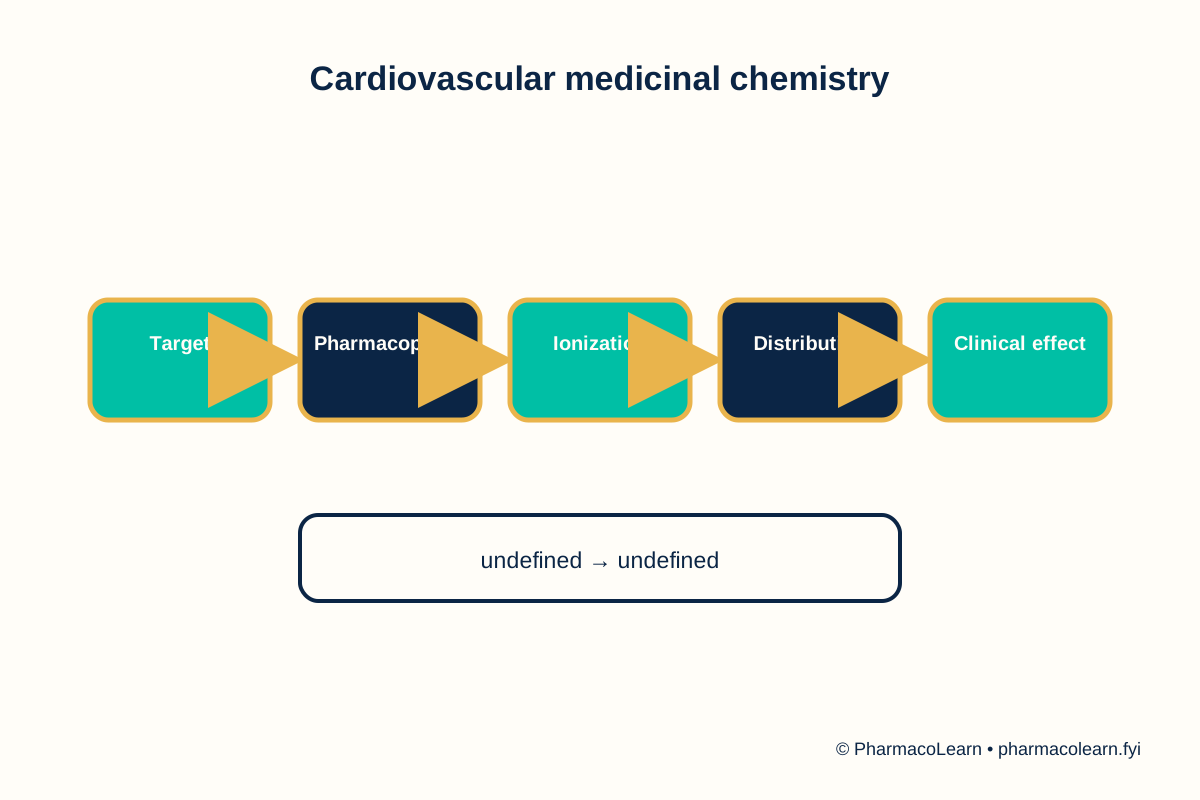
Unit 10: Cardiovascular Agents
Syllabus scope
This unit covers antihypertensive, antianginal, vasodilator, antiarrhythmic, antihyperlipidemic, coagulant and anticoagulant chemistry.
Core theory
Medicinal chemistry connects molecular structure with physicochemical properties, biological target interaction, pharmacokinetics, metabolism, selectivity, potency and toxicity. A useful study sequence is: identify the pharmacophore, locate the interaction features, compare substituent effects, relate ionization and lipophilicity to distribution, explain the mechanism, and connect structural liabilities with metabolism or adverse effects.
For each class, distinguish the lead compound, important analogues, therapeutic target, binding interactions, activity trends, resistance or selectivity issues, and the reason a modification may improve duration, absorption, stability or safety. Synthesis should be studied as a sequence of named transformations and functional-group changes. Exact reaction conditions, yields and official assay procedures must be checked against the prescribed medicinal chemistry reference and current monograph.
Medicinal chemistry framework
- Chemical class and therapeutic role
- Pharmacophore and target interaction
- Structure activity relationship
- Ionization, solubility and permeability
- Metabolic soft spots and prodrug possibilities
- Resistance or selectivity considerations
- Important adverse effects and structural causes
- Nomenclature and representative synthesis pathway
- Quality and impurity considerations
Pharmacist correlation
The pharmacist uses structure-based understanding to anticipate interactions, formulation behavior, stability, metabolism and adverse effects. A brand name is not a substitute for an active chemical identity. Exact marketed products and current regulatory status require verification.
Tips, FAQs and takeaways
- Why study SAR? It explains why related molecules differ in potency, selectivity, duration and toxicity.
- Why study physicochemical properties? They influence absorption, distribution, formulation and analytical behavior.
- What is the main takeaway? Read structure, mechanism and clinical use as one connected chain.
References: PharmacoLearn Year 3 syllabus; Pharmacy Council of India, Pharm.D. Regulations 2008; Wilson and Gisvold's Textbook of Organic Medicinal and Pharmaceutical Chemistry; Foye's Principles of Medicinal Chemistry; Burger's Medicinal Chemistry and Drug Discovery; current pharmacopoeial and regulatory sources.
Study extension
Use a representative structure to compare target binding, ionization, metabolic stability, resistance risk and toxicity. Verify exact structures, synthesis conditions and assay details before publication.
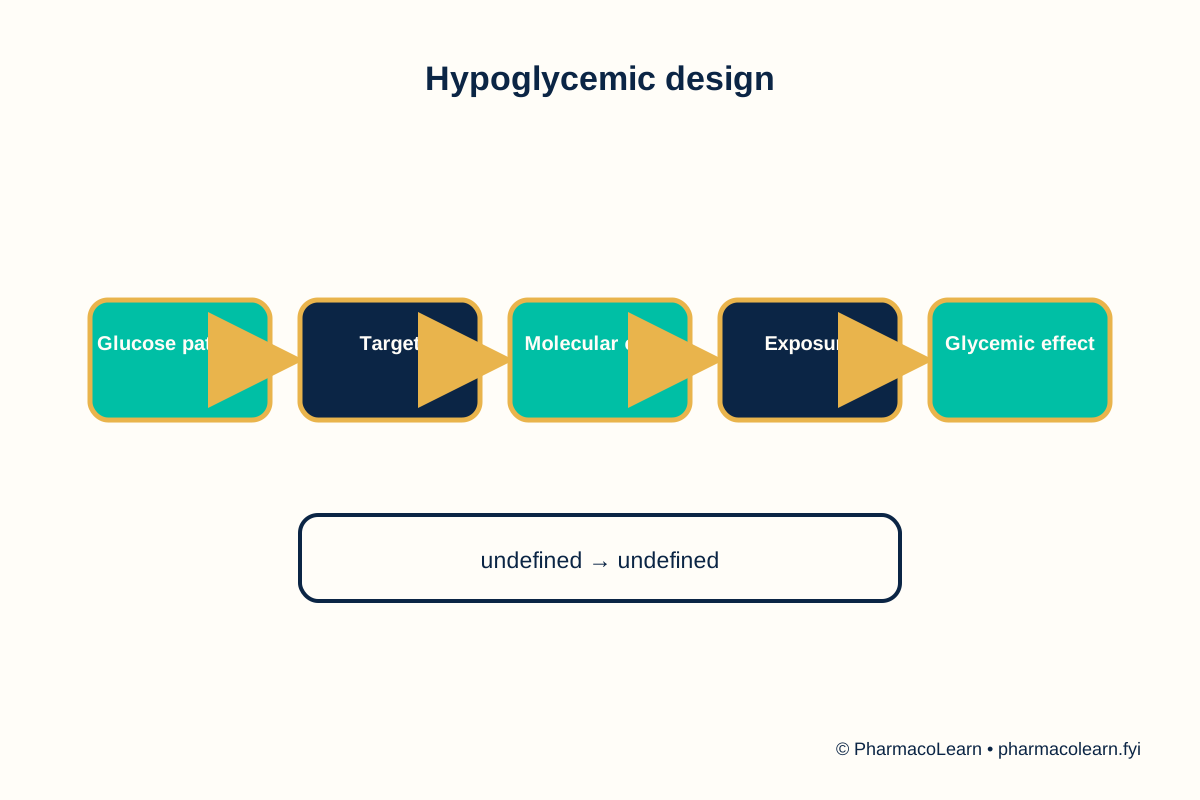
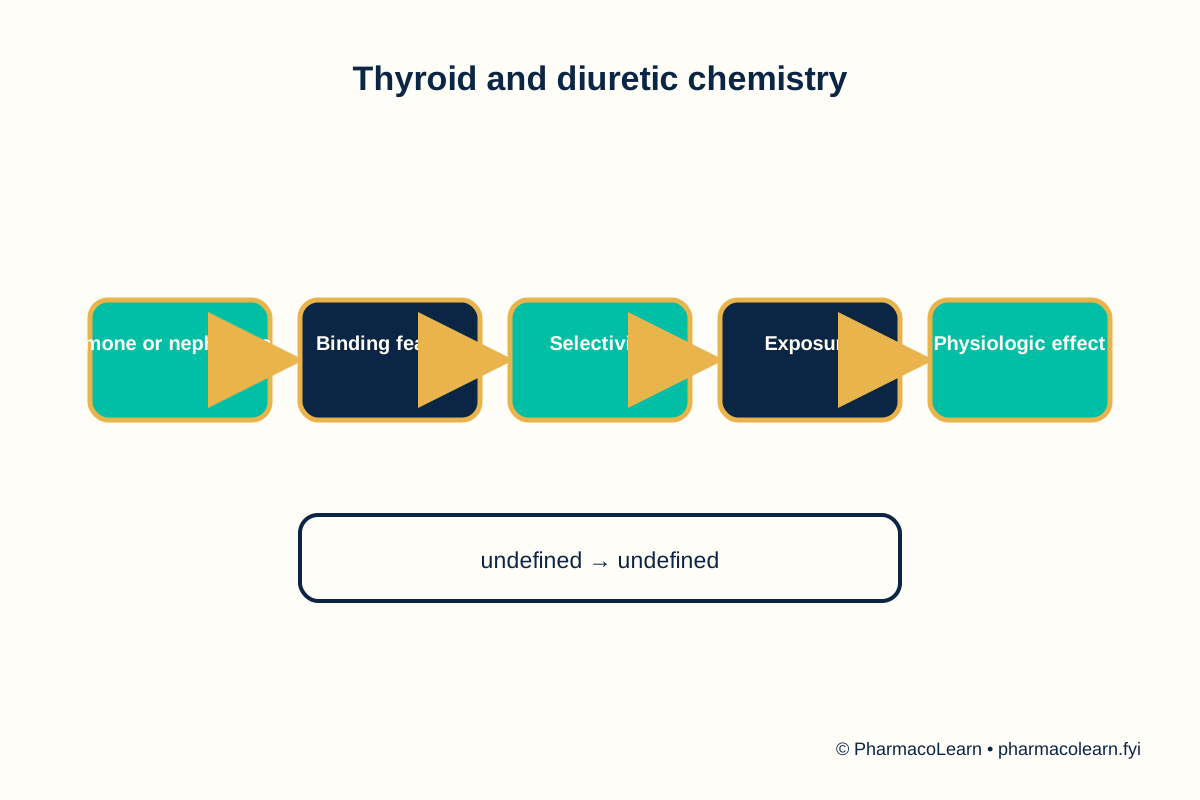
Unit 11: Hypoglycemic, Thyroid, Antithyroid and Diuretic Agents
Syllabus scope
This unit covers development, SAR, mechanisms, synthesis principles, nomenclature and adverse effects.
Core theory
Medicinal chemistry connects molecular structure with physicochemical properties, biological target interaction, pharmacokinetics, metabolism, selectivity, potency and toxicity. A useful study sequence is: identify the pharmacophore, locate the interaction features, compare substituent effects, relate ionization and lipophilicity to distribution, explain the mechanism, and connect structural liabilities with metabolism or adverse effects.
For each class, distinguish the lead compound, important analogues, therapeutic target, binding interactions, activity trends, resistance or selectivity issues, and the reason a modification may improve duration, absorption, stability or safety. Synthesis should be studied as a sequence of named transformations and functional-group changes. Exact reaction conditions, yields and official assay procedures must be checked against the prescribed medicinal chemistry reference and current monograph.
Medicinal chemistry framework
- Chemical class and therapeutic role
- Pharmacophore and target interaction
- Structure activity relationship
- Ionization, solubility and permeability
- Metabolic soft spots and prodrug possibilities
- Resistance or selectivity considerations
- Important adverse effects and structural causes
- Nomenclature and representative synthesis pathway
- Quality and impurity considerations
Pharmacist correlation
The pharmacist uses structure-based understanding to anticipate interactions, formulation behavior, stability, metabolism and adverse effects. A brand name is not a substitute for an active chemical identity. Exact marketed products and current regulatory status require verification.
Tips, FAQs and takeaways
- Why study SAR? It explains why related molecules differ in potency, selectivity, duration and toxicity.
- Why study physicochemical properties? They influence absorption, distribution, formulation and analytical behavior.
- What is the main takeaway? Read structure, mechanism and clinical use as one connected chain.
References: PharmacoLearn Year 3 syllabus; Pharmacy Council of India, Pharm.D. Regulations 2008; Wilson and Gisvold's Textbook of Organic Medicinal and Pharmaceutical Chemistry; Foye's Principles of Medicinal Chemistry; Burger's Medicinal Chemistry and Drug Discovery; current pharmacopoeial and regulatory sources.
Study extension
Use a representative structure to compare target binding, ionization, metabolic stability, resistance risk and toxicity. Verify exact structures, synthesis conditions and assay details before publication.
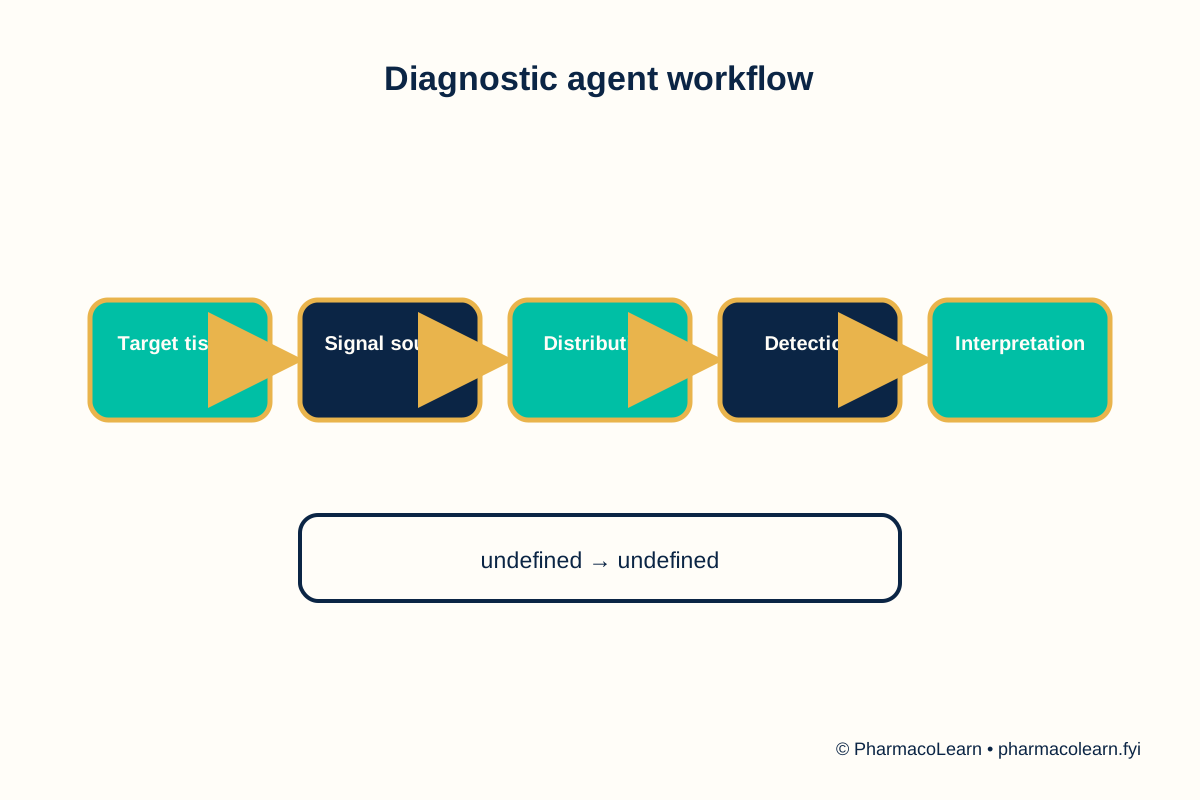
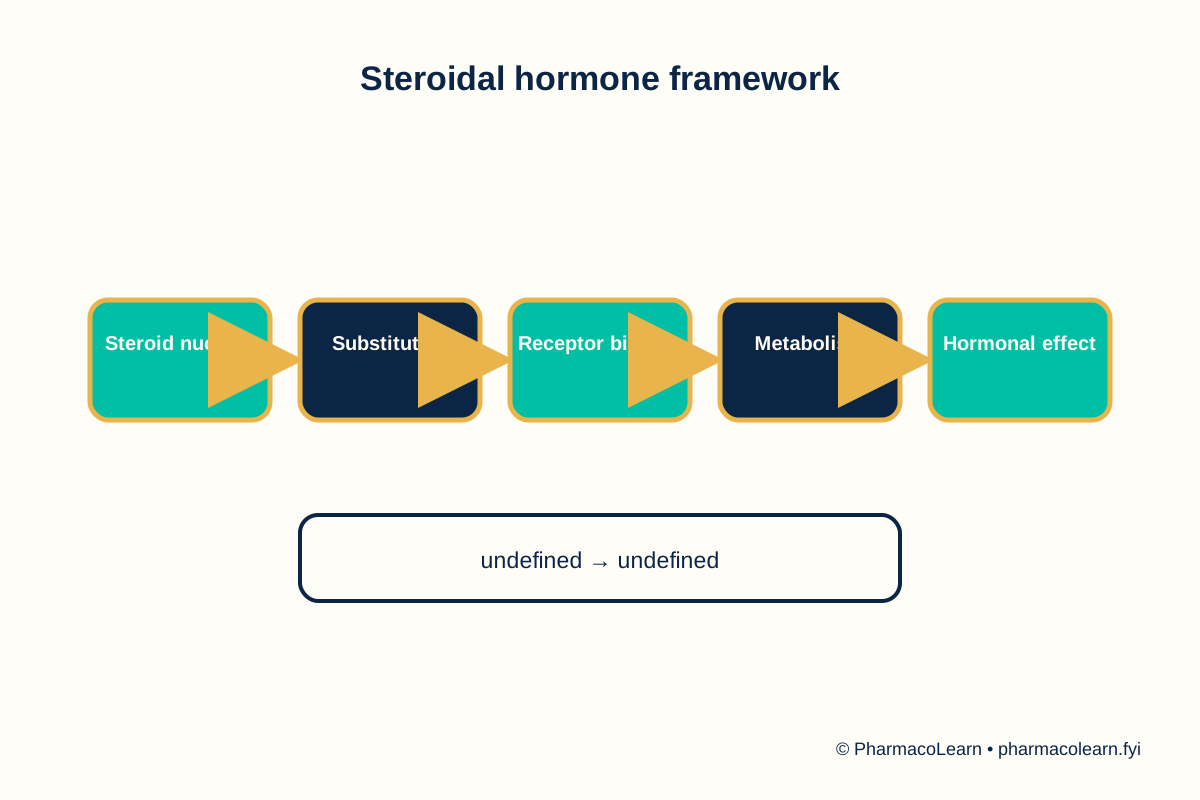
Unit 12: Diagnostic Agents and Steroidal Hormones
Syllabus scope
This unit covers diagnostic agents, steroidal hormones and adrenocorticoids.
Core theory
Medicinal chemistry connects molecular structure with physicochemical properties, biological target interaction, pharmacokinetics, metabolism, selectivity, potency and toxicity. A useful study sequence is: identify the pharmacophore, locate the interaction features, compare substituent effects, relate ionization and lipophilicity to distribution, explain the mechanism, and connect structural liabilities with metabolism or adverse effects.
For each class, distinguish the lead compound, important analogues, therapeutic target, binding interactions, activity trends, resistance or selectivity issues, and the reason a modification may improve duration, absorption, stability or safety. Synthesis should be studied as a sequence of named transformations and functional-group changes. Exact reaction conditions, yields and official assay procedures must be checked against the prescribed medicinal chemistry reference and current monograph.
Medicinal chemistry framework
- Chemical class and therapeutic role
- Pharmacophore and target interaction
- Structure activity relationship
- Ionization, solubility and permeability
- Metabolic soft spots and prodrug possibilities
- Resistance or selectivity considerations
- Important adverse effects and structural causes
- Nomenclature and representative synthesis pathway
- Quality and impurity considerations
Pharmacist correlation
The pharmacist uses structure-based understanding to anticipate interactions, formulation behavior, stability, metabolism and adverse effects. A brand name is not a substitute for an active chemical identity. Exact marketed products and current regulatory status require verification.
Tips, FAQs and takeaways
- Why study SAR? It explains why related molecules differ in potency, selectivity, duration and toxicity.
- Why study physicochemical properties? They influence absorption, distribution, formulation and analytical behavior.
- What is the main takeaway? Read structure, mechanism and clinical use as one connected chain.
References: PharmacoLearn Year 3 syllabus; Pharmacy Council of India, Pharm.D. Regulations 2008; Wilson and Gisvold's Textbook of Organic Medicinal and Pharmaceutical Chemistry; Foye's Principles of Medicinal Chemistry; Burger's Medicinal Chemistry and Drug Discovery; current pharmacopoeial and regulatory sources.
Study extension
Use a representative structure to compare target binding, ionization, metabolic stability, resistance risk and toxicity. Verify exact structures, synthesis conditions and assay details before publication.
Diagrams
Other Year 3 subjects: Pharmacology II · Pharmaceutical Analysis · Pharmacotherapeutics II · Pharmaceutical Jurisprudence · Medicinal Chemistry · Pharm D Year 3, Pharmaceutical Formulations · Year 3 · Pharm D