
Pharmacology II — Pharm D Year 3
Notes for Pharmacology II, Pharm D Year 3, organised unit by unit following the PCI Pharm D syllabus. 6 units, 20 diagrams.
Syllabus: Pharm D Year 3 syllabus
Practicals: Pharmacology II practicals
Units in this subject
- Unit 1: Blood and Blood-Forming Agents
- Unit 2: Renal Pharmacology
- Unit 3: Chemotherapy
- Unit 4: Immunopharmacology
- Unit 5: Principles of Animal Toxicology
- Unit 6: Dynamic Cell, Gene and Recombinant DNA Technology
Unit 1: Blood and Blood-Forming Agents
Expanded clinical reasoning
Detailed mechanisms and monitoring
Follow-up and pharmacist checklist
Examination and practice framework
A complete answer also addresses transitions between care settings. Confirm the indication, last dose, next dose, laboratory follow-up, procedure instructions and emergency contact. The patient should know that bleeding, clot symptoms, chest pain, breathlessness, sudden neurologic symptoms or fainting require urgent help.
Exam framework: compare anticoagulants, antiplatelets and thrombolytics by target, onset, indication, major risk and monitoring. Then explain a patient-specific plan for thrombosis prevention, including renal function, procedures and bleeding counseling. Compare haemopoietics by the deficiency or cell line addressed and state why plasma expansion is not the same as restoration of blood cells or coagulation proteins.
+Follow-up includes indication review, bleeding or clot symptoms, laboratory results where relevant, upcoming procedures, adherence, dietary or alcohol changes and patient understanding. A transition plan must identify who will monitor and when the therapy will be reassessed.
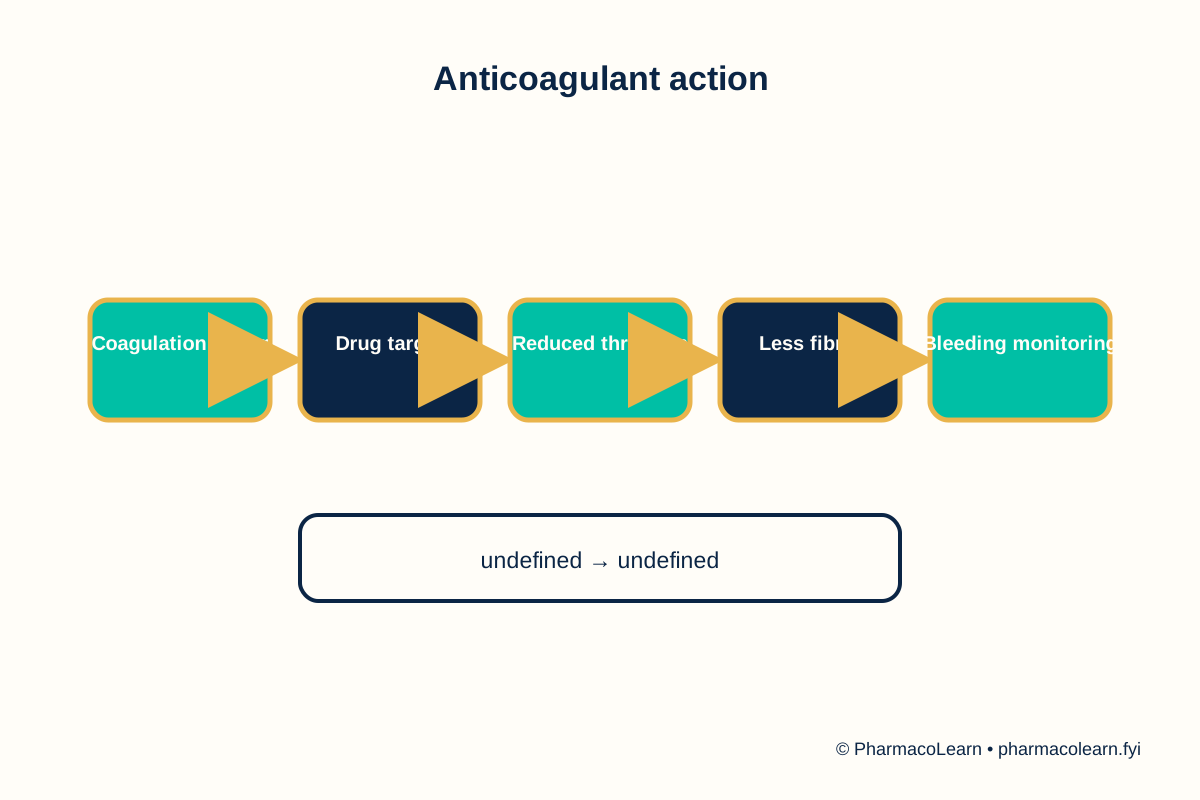
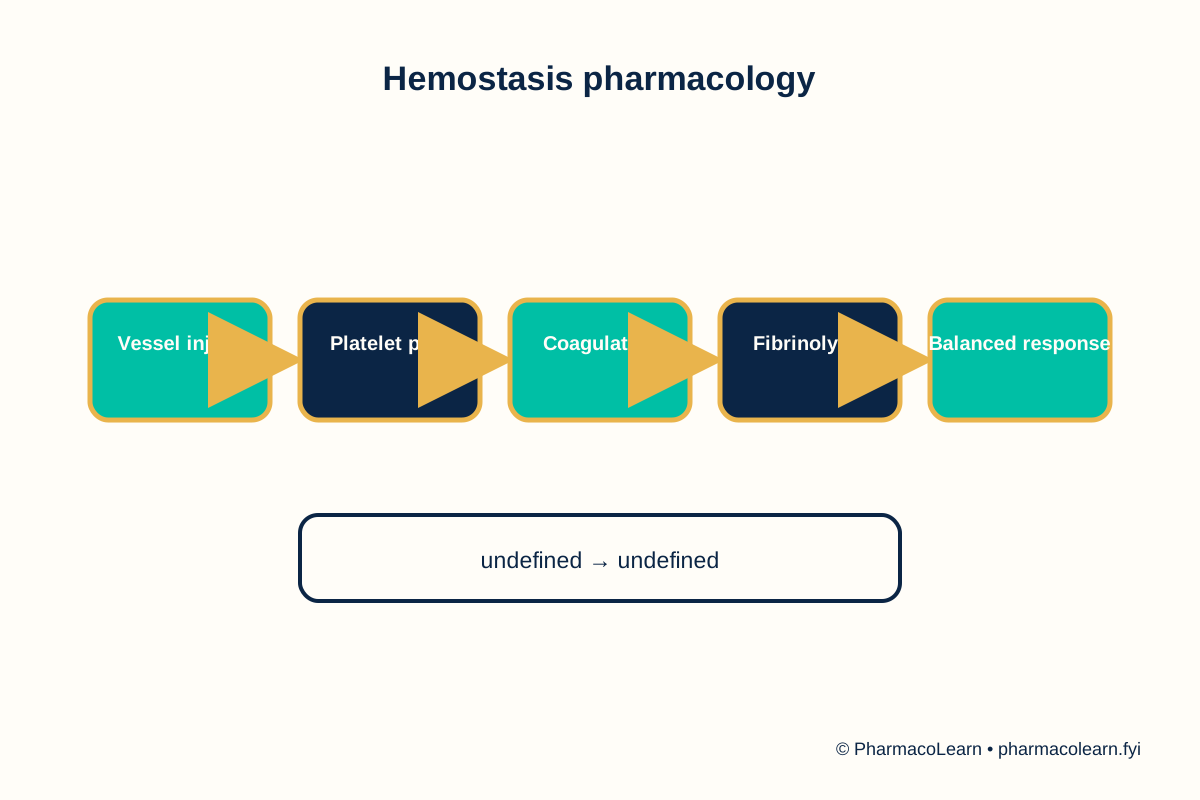
+A useful clinical framework separates prevention of clot formation, treatment of an established clot and restoration of circulating volume. Anticoagulants work through coagulation pathways and require attention to laboratory or clinical monitoring according to the agent. Antiplatelet therapy is particularly important in arterial disease, but combined therapy increases bleeding risk. Thrombolytics are not routine substitutes for anticoagulants and require a time window, confirmed indication and exclusion of major bleeding risk. Haemopoietics should be linked to a documented deficiency, marrow problem or treatment-related indication. Plasma expanders can change hemodynamics, but they may cause edema, dilutional changes, renal stress or allergic reactions. Counsel patients to report bleeding, clot symptoms, severe headache, sudden weakness, chest pain or shortness of breath immediately.
+Antithrombotic therapy is a balance between preventing clot formation and preserving hemostasis. Before dispensing, confirm indication, concurrent antiplatelets or anticoagulants, kidney and liver function, recent procedures, falls, alcohol use and bleeding history. Patients should understand adherence and urgent symptoms such as persistent bleeding, black stools, severe headache or sudden weakness. Thrombolysis is time critical and highly selected. Haemopoietic therapy requires confirmation of deficiency or treatment-related suppression and monitoring for excessive response, thrombosis or other class effects. Plasma expanders may improve circulation temporarily but do not correct bleeding, infection or loss of oxygen-carrying capacity.
Syllabus scope
This unit covers anticoagulants, thrombolytics, antiplatelet agents, haemopoietics and plasma expanders.
Core theory
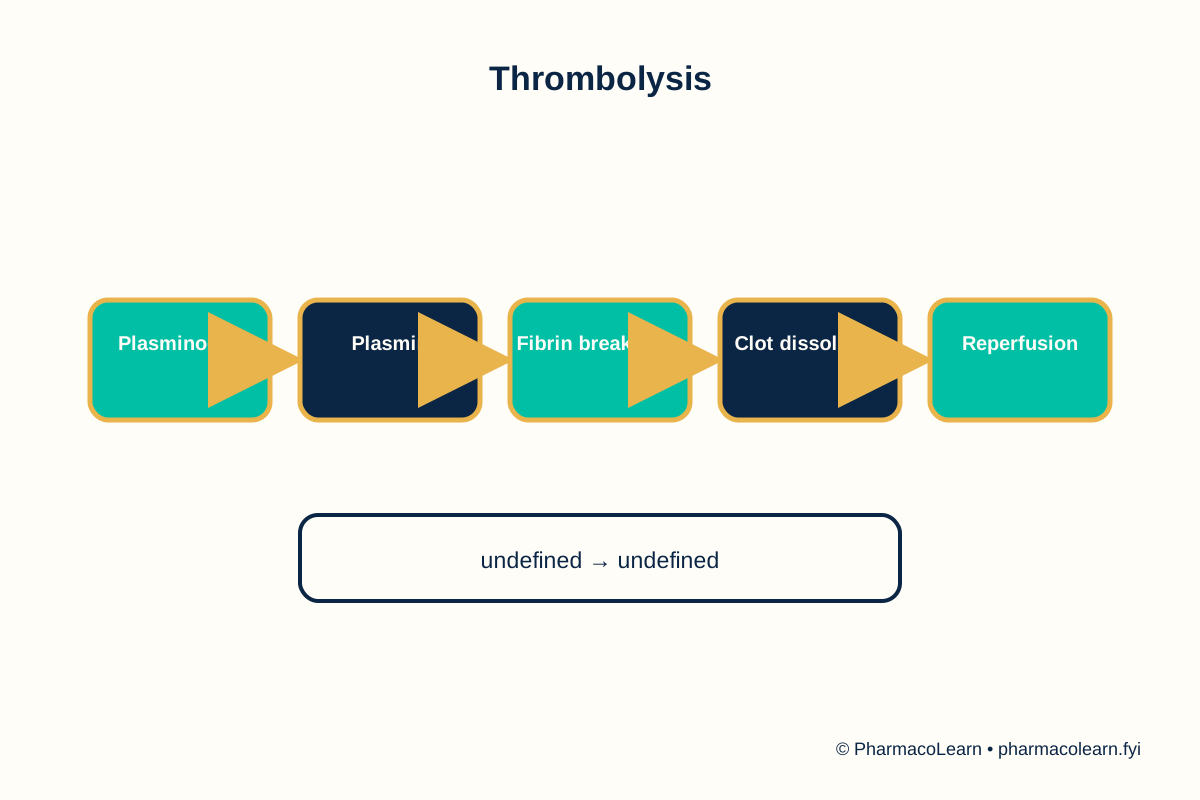
Hemostasis balances platelet plug formation, coagulation, anticoagulation and fibrinolysis. Anticoagulants reduce generation or activity of coagulation factors. Antiplatelet agents reduce platelet activation or aggregation. Thrombolytics convert plasminogen to plasmin and dissolve fibrin in selected urgent settings. Haemopoietics support production of red cells, white cells or platelets when the cause and indication are established. Plasma expanders increase intravascular volume but do not replace every function of plasma.
Mechanism and therapeutic reasoning
Begin with the biologic target, trace the molecular or cellular change, identify the organ-level effect, and then connect it to indication, adverse effects, monitoring and patient counseling. Pharmacology requires comparison of benefit and harm. The same mechanism that treats disease can disrupt normal physiology.
Pharmacist focus
Check indication, dose and route using current information, organ function, interactions, contraindications, adherence, product handling, monitoring and referral triggers. Do not invent a regimen, target or toxicity threshold. Exact recommendations must be verified against current local guidelines and approved product information.
Tips, FAQs and takeaways
- Why is mechanism important? It predicts therapeutic effect, adverse effects, interactions and monitoring.
- Why is patient context essential? Exposure and vulnerability differ across age, disease, organ function and co-medication.
- What is the main takeaway? Use a validated treatment plan and monitor the biology that the medicine changes.
References: PharmacoLearn Year 3 syllabus; Pharmacy Council of India, Pharm.D. Regulations 2008; Goodman and Gilman's The Pharmacological Basis of Therapeutics; Katzung, Basic and Clinical Pharmacology; Rang and Dale's Pharmacology; current applicable guidelines.
Document the rationale and follow-up clearly.
Unit 2: Renal Pharmacology
Expanded clinical reasoning
Detailed mechanisms and monitoring
Follow-up and pharmacist checklist
Examination and practice framework
A complete answer also addresses sick-day or acute-illness changes through current clinical guidance. Vomiting, diarrhea, poor intake, fever and new medicines can change fluid and electrolyte risk. Patients should have a clear route for advice rather than independently changing a complex regimen.
Exam framework: draw the nephron, mark the site of action, name the transporter or hormone pathway, state the change in sodium and water handling, then list electrolyte and clinical consequences. For a patient case, identify whether the priority is fluid removal, pressure control, water conservation or correction of a specific renal or endocrine problem.
+Follow-up includes daily weight when advised, edema, dizziness, cramps, thirst, urine pattern, blood pressure and laboratory trends. The patient should know not to self-correct severe electrolyte symptoms or double a missed dose without instructions.
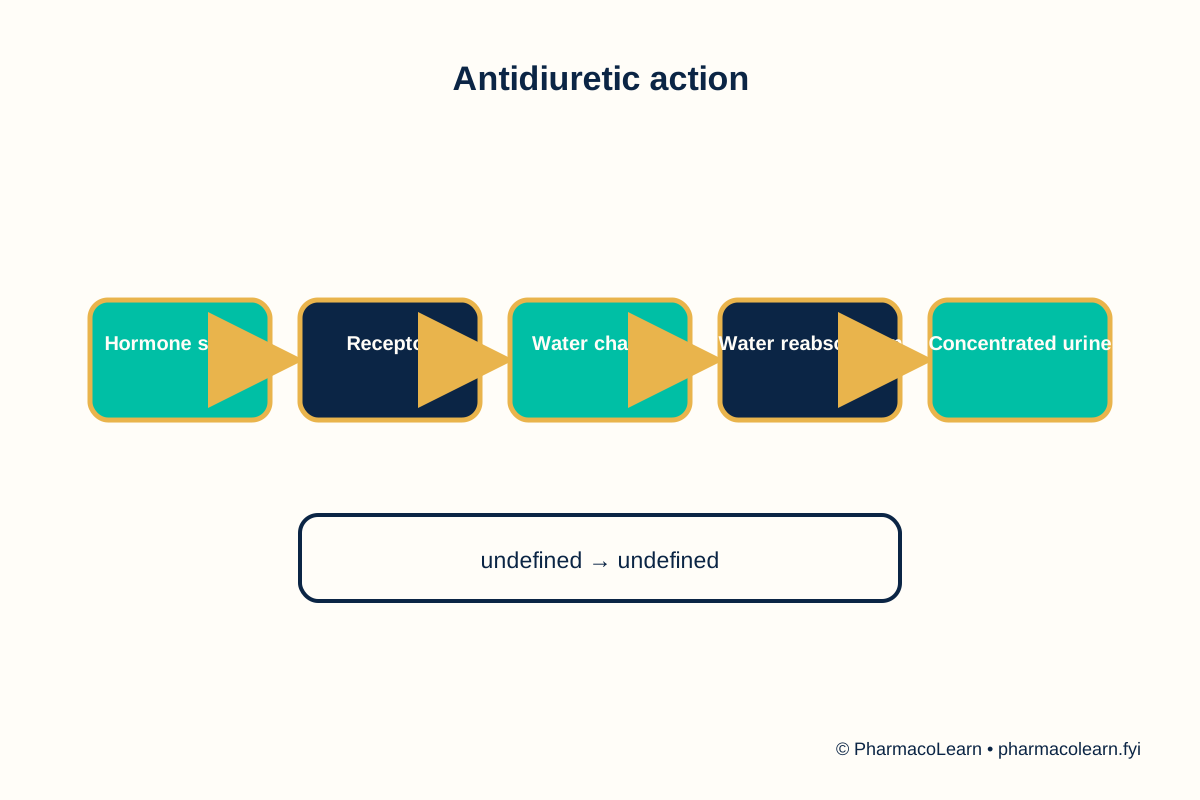
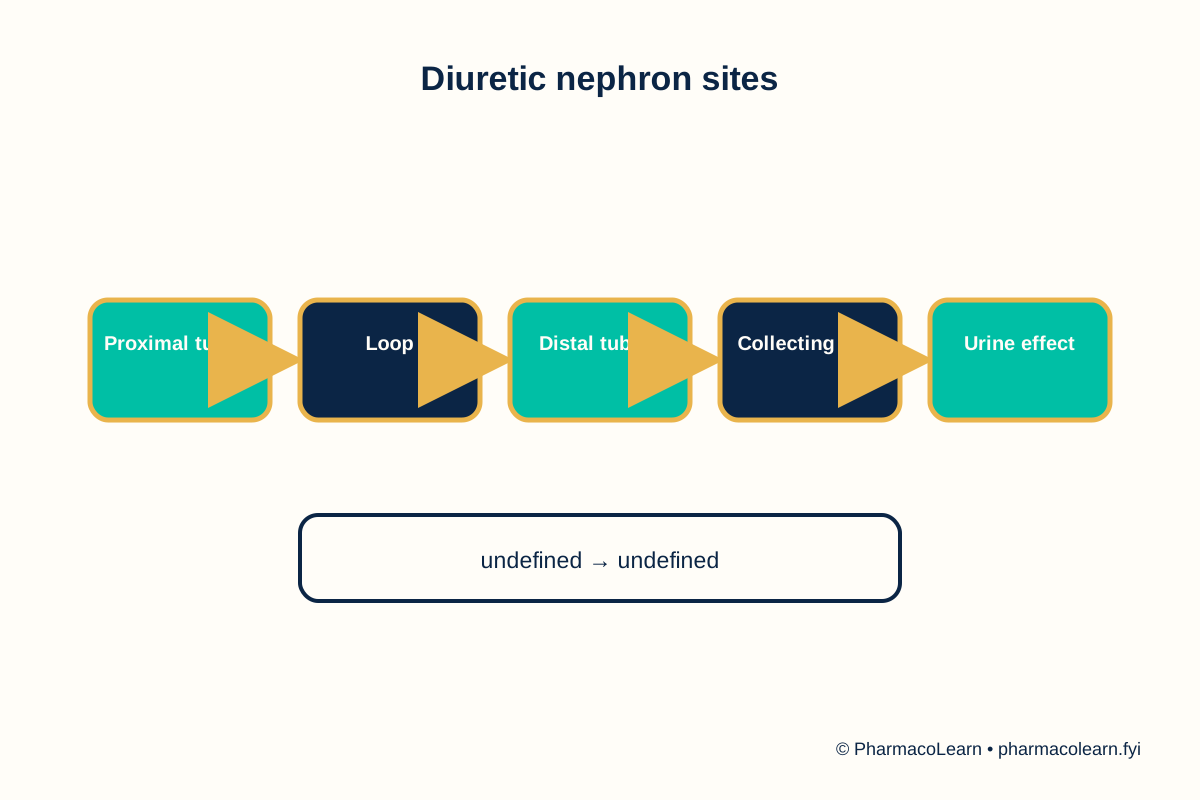
+Nephron physiology explains diuretic effects. Sodium reabsorption in the proximal tubule, loop, distal tubule and collecting duct creates different opportunities for intervention. Loop blockade reduces the medullary concentration gradient and can impair urine concentrating ability. Thiazide-type action increases distal sodium delivery and may lower urinary calcium. Potassium-sparing action limits potassium loss but can produce dangerous hyperkalemia. Osmotic agents increase tubular fluid osmolality. Antidiuretic hormone promotes water reabsorption in the collecting duct through receptor signaling and water-channel trafficking. The pharmacist reviews concurrent renin-angiotensin medicines, nonsteroidal anti-inflammatory drugs, lithium, digoxin and other agents that alter fluid, electrolytes or renal function. Monitor trends rather than isolated values and refer for severe weakness, confusion, palpitations or reduced urine output.
+Diuretic choice depends on the clinical objective. Rapid reduction of severe fluid overload differs from long-term blood-pressure management or treatment of a specific electrolyte problem. The pharmacist checks weight trend, edema, orthostatic symptoms, intake, output and laboratory results. Loop medicines can produce marked electrolyte and volume changes. Thiazide-type medicines affect sodium, potassium, uric acid and glucose. Potassium-sparing medicines can increase potassium, especially with kidney dysfunction or interacting medicines. Antidiuretic treatment requires careful distinction between excessive water loss and excessive water retention. Acute confusion, seizure, severe weakness or reduced urine output needs urgent evaluation.
Syllabus scope
This unit covers diuretics and antidiuretics.
Core theory
Diuretics alter tubular sodium and water handling at defined nephron sites. The therapeutic sequence is increased sodium delivery into urine, osmotic water movement, reduced extracellular volume and, in some classes, reduced vascular resistance. Loop, thiazide-type, potassium-sparing and osmotic agents differ in site, transporter, potency, duration and electrolyte effects. Antidiuretic therapy increases water conservation through receptor-mediated insertion of water channels or replaces deficient hormone effect.
Mechanism and therapeutic reasoning
Begin with the biologic target, trace the molecular or cellular change, identify the organ-level effect, and then connect it to indication, adverse effects, monitoring and patient counseling. Pharmacology requires comparison of benefit and harm. The same mechanism that treats disease can disrupt normal physiology.
Pharmacist focus
Check indication, dose and route using current information, organ function, interactions, contraindications, adherence, product handling, monitoring and referral triggers. Do not invent a regimen, target or toxicity threshold. Exact recommendations must be verified against current local guidelines and approved product information.
Tips, FAQs and takeaways
- Why is mechanism important? It predicts therapeutic effect, adverse effects, interactions and monitoring.
- Why is patient context essential? Exposure and vulnerability differ across age, disease, organ function and co-medication.
- What is the main takeaway? Use a validated treatment plan and monitor the biology that the medicine changes.
References: PharmacoLearn Year 3 syllabus; Pharmacy Council of India, Pharm.D. Regulations 2008; Goodman and Gilman's The Pharmacological Basis of Therapeutics; Katzung, Basic and Clinical Pharmacology; Rang and Dale's Pharmacology; current applicable guidelines.
Document the fluid plan clearly.
Unit 3: Chemotherapy
Expanded clinical reasoning
Detailed mechanisms and monitoring
Follow-up and pharmacist checklist
Examination and practice framework
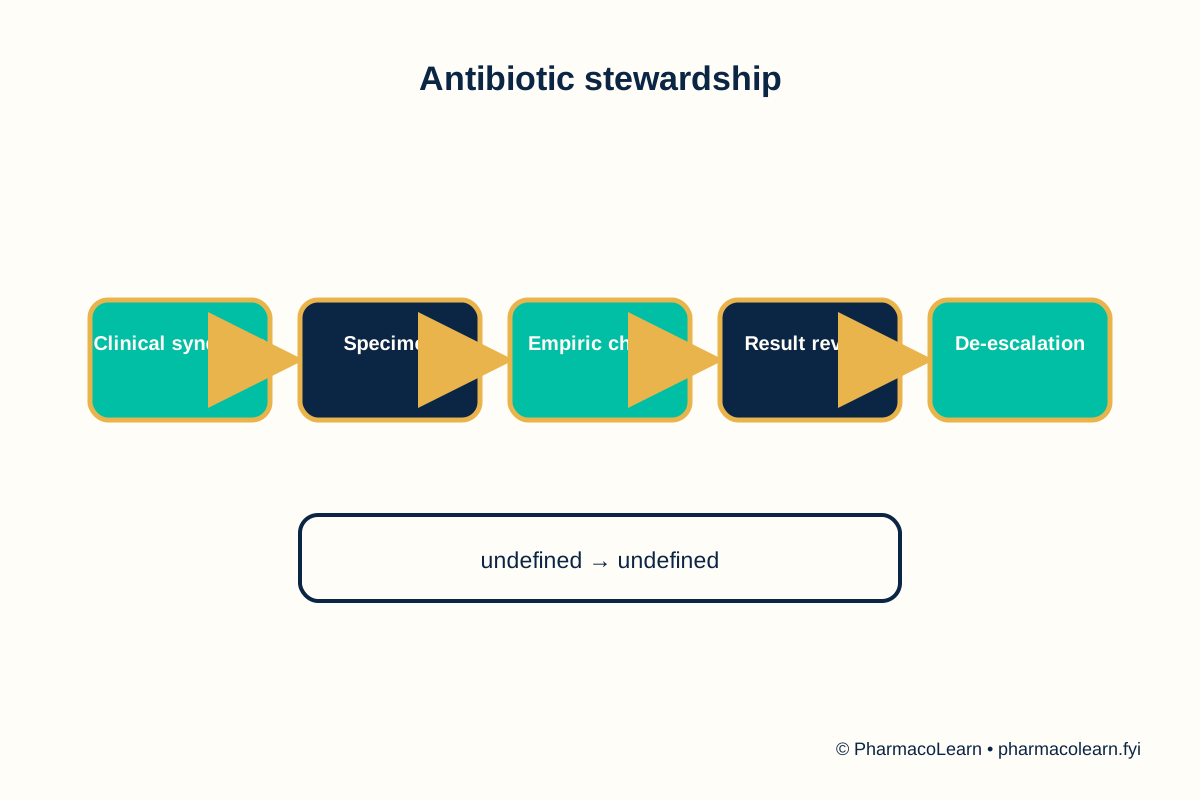
A complete answer also addresses stewardship. Review the diagnosis, culture or test result, duration, response and toxicity. De-escalate when appropriate, avoid duplicate coverage and explain why stopping early or saving leftover antimicrobial medicines can be harmful.
Exam framework: organize chemotherapy by organism or malignant target, mechanism, spectrum, resistance issue, toxicity, interaction and monitoring. Explain why combination therapy may prevent resistance and why unnecessary combinations increase harm. Always include specimen and susceptibility information when it changes the decision, and state the importance of adherence and review.
+Follow-up includes clinical response, adherence, cultures when relevant, adverse effects, organ function and interaction changes. Therapy should be reviewed when the organism, site, susceptibility or diagnosis becomes clearer. Supportive medicines and prevention of treatment toxicity are part of quality care.
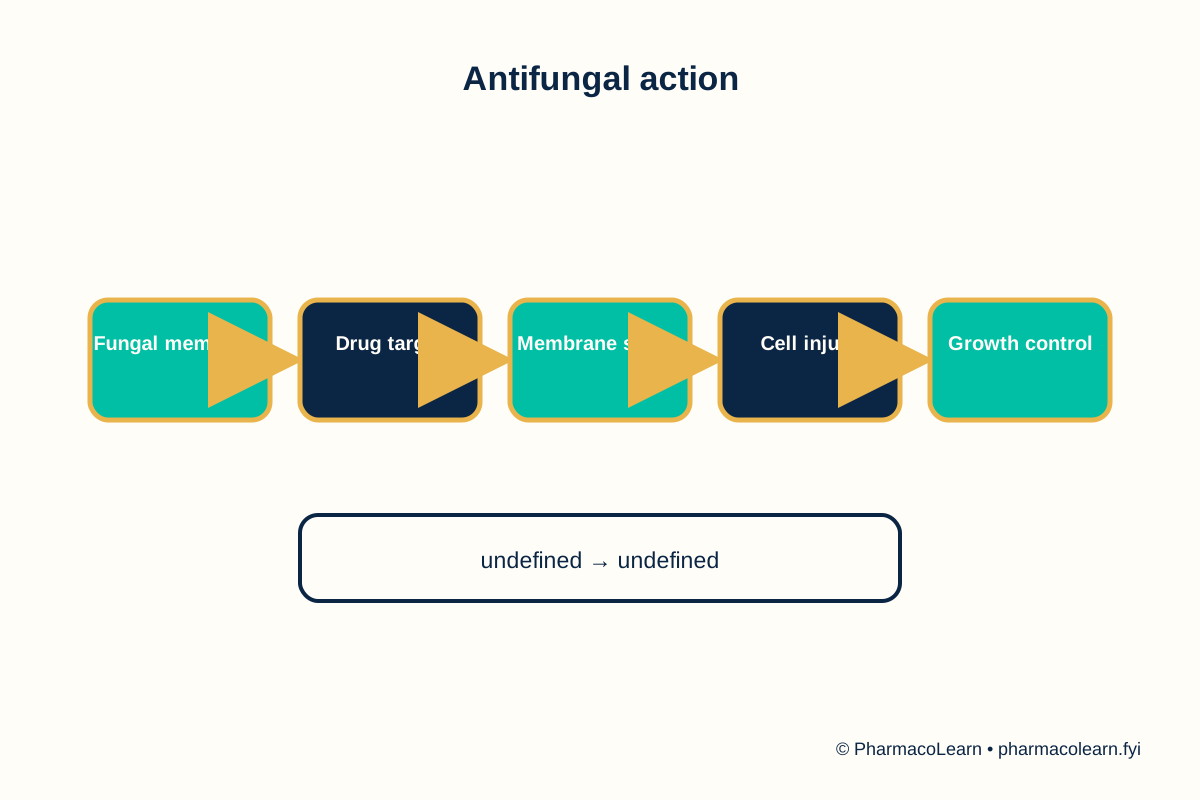
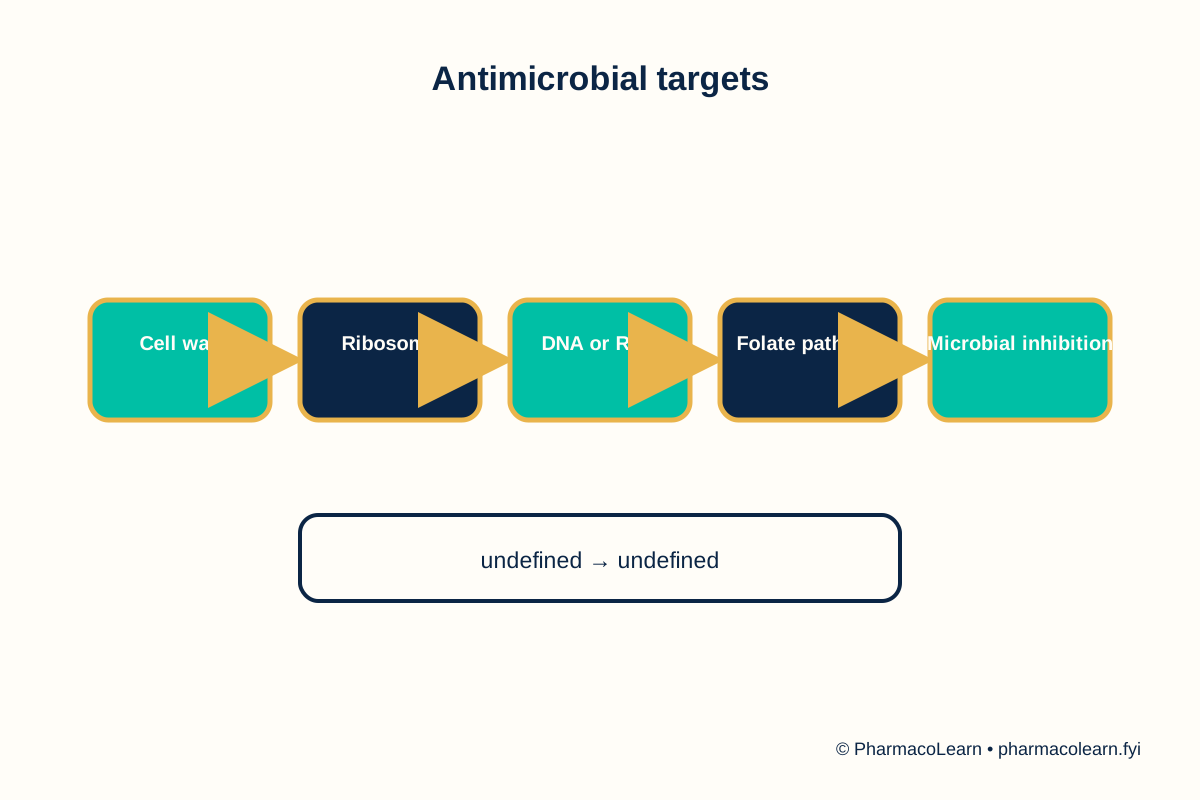
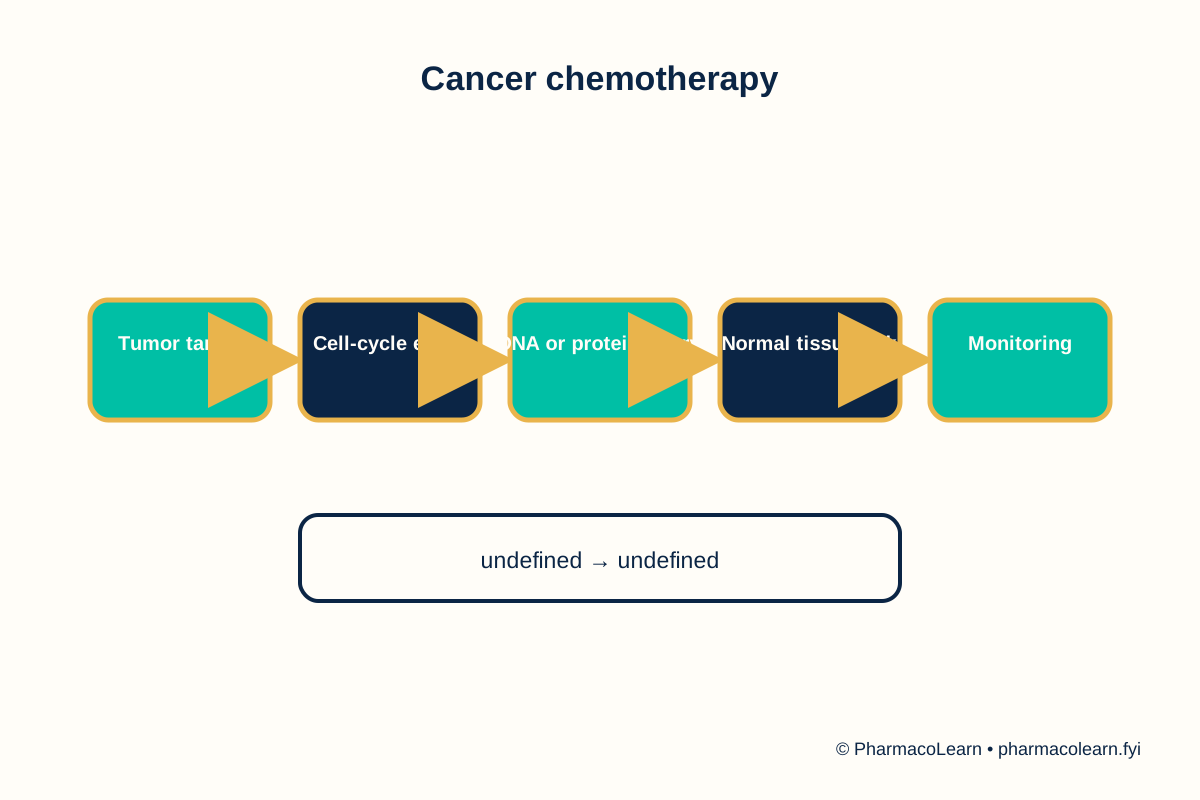
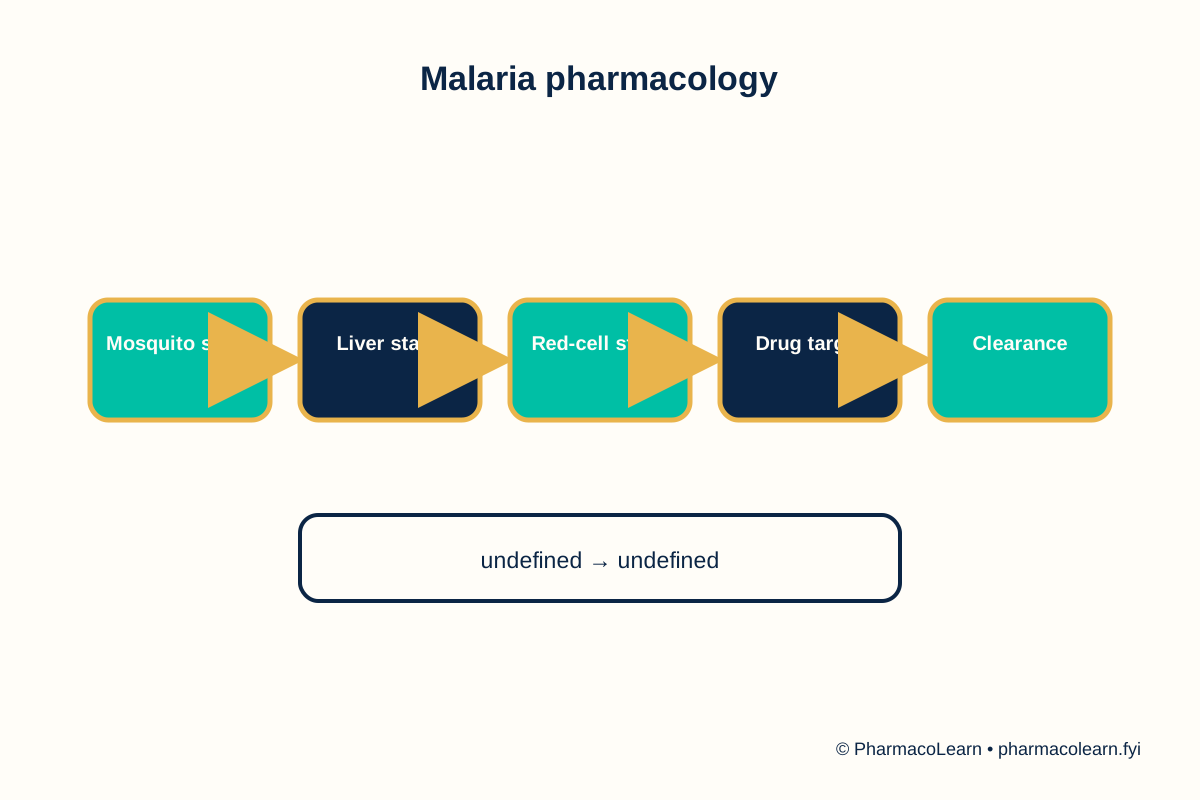
+Mechanism-based classification helps predict antimicrobial spectrum and toxicity. Cell-wall inhibitors work best when organisms are actively constructing wall. Protein-synthesis inhibitors differ by ribosomal target and can cause gastrointestinal, auditory, marrow, hepatic or neuromuscular toxicity depending on class. Nucleic-acid inhibitors can produce neurologic, tendon, hepatic or interaction concerns. Sulfonamide pathways involve folate synthesis, while combination therapy may produce sequential blockade. Antifungal therapy must account for the differences between human and fungal membranes. Antiviral treatment is often replication-stage specific. Tuberculosis, leprosy, malaria and HIV require combinations or prolonged adherence because organism burden, tissue stages and resistance barriers matter. Cancer chemotherapy is scheduled around cell cycle, tumor sensitivity, organ function and recovery of normal tissues. Supportive care is part of the regimen, not an optional addition.
+Antimicrobial selection should follow a confirmed or likely site, organism, severity, resistance pattern, allergy history, organ function, pregnancy status, culture data and stewardship principle. The narrowest effective therapy is preferred when clinically appropriate. Broad treatment may be justified initially in severe disease, but review and de-escalation are essential. Duration should follow current guidance rather than habit. The pharmacist monitors allergy, diarrhea, renal injury, hearing or balance changes, marrow suppression, liver injury and interactions. Anticancer therapy requires regimen verification, safe handling, extravasation awareness, nausea prevention, blood-count monitoring and a clear emergency contact plan.
Syllabus scope
This unit covers sulfonamides, penicillins, cephalosporins, tetracyclines, chloramphenicol, macrolides, aminoglycosides, polyene and polypeptide antibiotics, quinolones, antifungals, antivirals, tuberculosis, leprosy, malaria, protozoal infections, anthelmintics and cancer chemotherapy.
Core theory
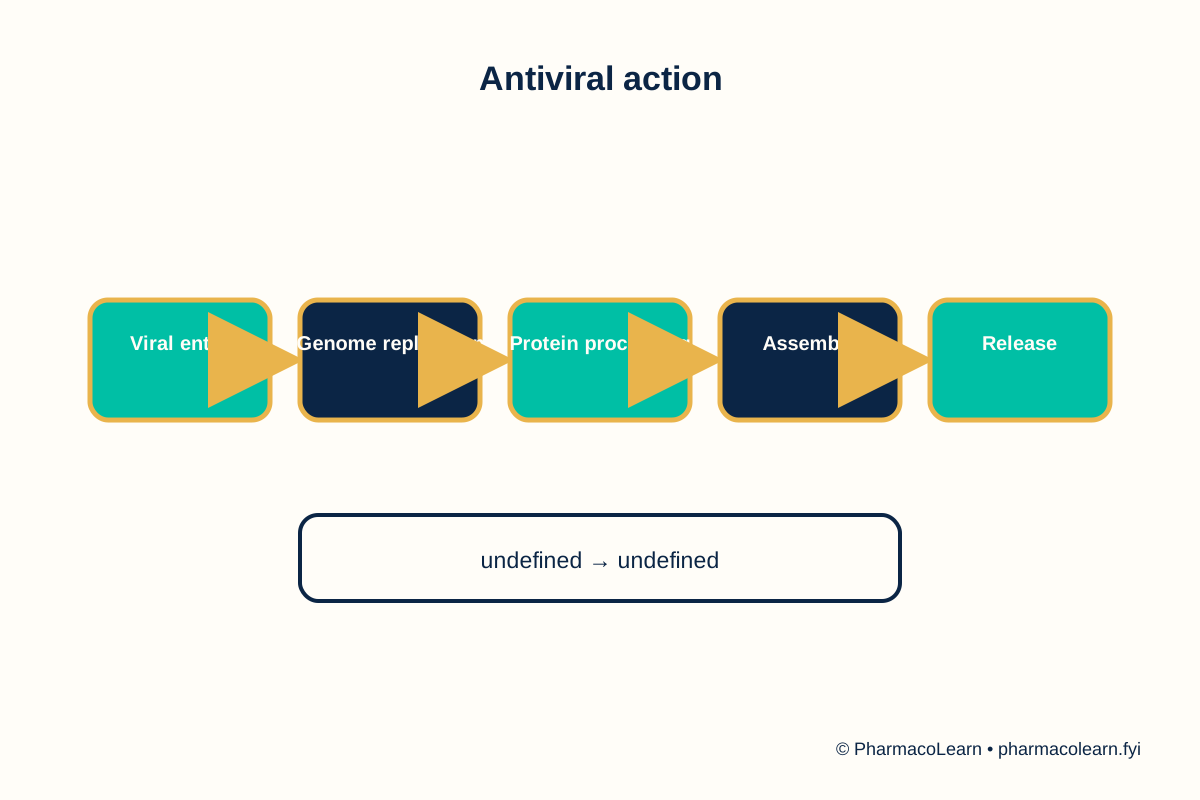
Chemotherapy targets microbial or malignant biology while limiting host injury. Antibacterials inhibit cell-wall synthesis, protein synthesis, nucleic-acid function, folate pathways or membrane integrity. Antifungals target fungal membranes or walls. Antivirals interrupt attachment, entry, genome replication, processing or release. Antitubercular and antileprosy treatment requires combination strategy and adherence to prevent resistance. Antimalarials act on parasite stages, while antiprotozoals and anthelmintics target organism-specific metabolism or structure. Cancer medicines exploit differences in proliferation, repair or signaling but can injure marrow, gut, hair follicles and gonads.
Mechanism and therapeutic reasoning
Begin with the biologic target, trace the molecular or cellular change, identify the organ-level effect, and then connect it to indication, adverse effects, monitoring and patient counseling. Pharmacology requires comparison of benefit and harm. The same mechanism that treats disease can disrupt normal physiology.
Pharmacist focus
Check indication, dose and route using current information, organ function, interactions, contraindications, adherence, product handling, monitoring and referral triggers. Do not invent a regimen, target or toxicity threshold. Exact recommendations must be verified against current local guidelines and approved product information.
Tips, FAQs and takeaways
- Why is mechanism important? It predicts therapeutic effect, adverse effects, interactions and monitoring.
- Why is patient context essential? Exposure and vulnerability differ across age, disease, organ function and co-medication.
- What is the main takeaway? Use a validated treatment plan and monitor the biology that the medicine changes.
References: PharmacoLearn Year 3 syllabus; Pharmacy Council of India, Pharm.D. Regulations 2008; Goodman and Gilman's The Pharmacological Basis of Therapeutics; Katzung, Basic and Clinical Pharmacology; Rang and Dale's Pharmacology; current applicable guidelines.
Document review decisions clearly.
Unit 4: Immunopharmacology
Expanded clinical reasoning
Detailed mechanisms and monitoring
Follow-up and pharmacist checklist
Examination and practice framework
A complete answer also addresses continuity. Patients should carry an accurate medicine list, avoid unapproved supplements, report infection or adverse effects and attend laboratory and specialist review. Abrupt discontinuation may cause disease flare or rejection.
Exam framework: distinguish immune suppression from immune stimulation and map each to a cellular target. Explain why monitoring must include infection, blood counts, organ function, vaccination status, malignancy risk and interactions. In transplant or autoimmune cases, balance disease control against the harm of excessive suppression.
+Follow-up includes infection symptoms, laboratory monitoring, therapeutic levels where required, vaccine planning, skin examination, malignancy surveillance and adherence. A patient should know which symptoms require same-day contact and which require emergency care.
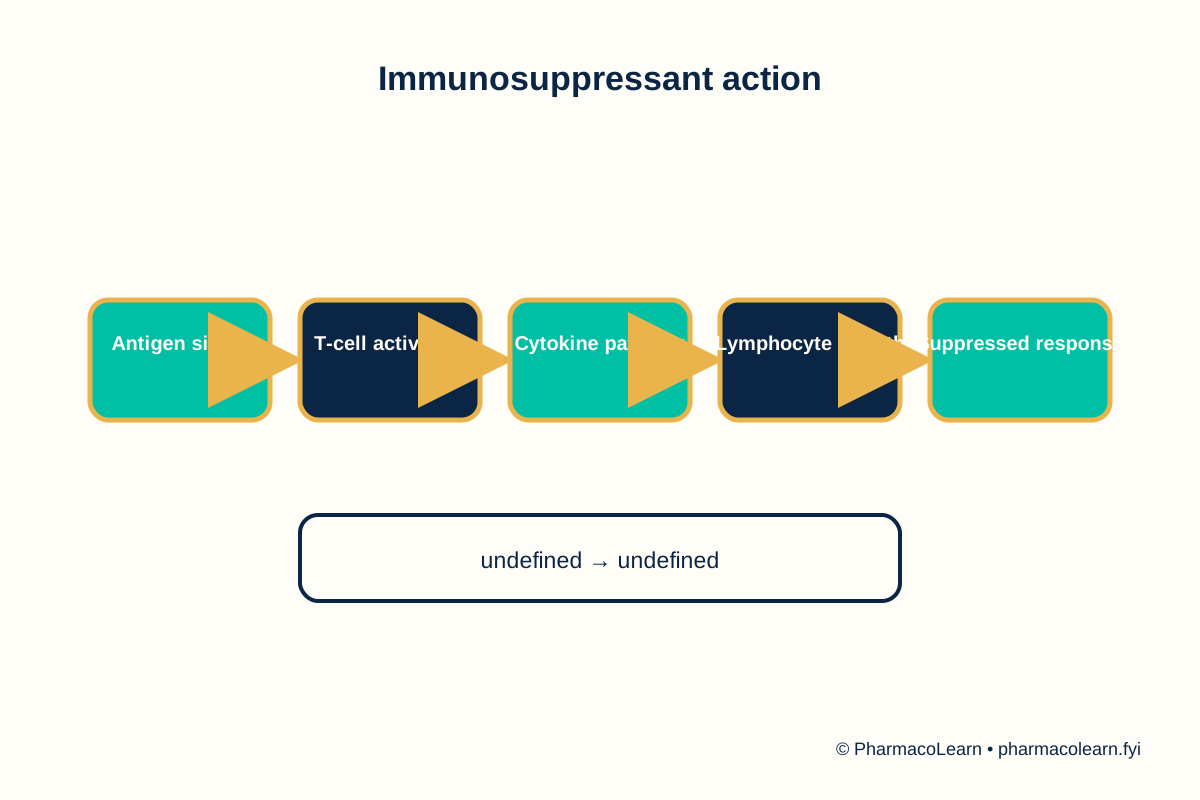
+The immune system is a network, so immunosuppression can affect infection defense, tumor surveillance and vaccine response. Calcineurin pathway inhibition reduces transcription of selected cytokines and T-cell activation. Antimetabolites interfere with lymphocyte proliferation. Corticosteroids alter gene transcription and inflammation broadly. Biologic medicines may block cytokines, cell-surface targets or costimulatory signals. Immunostimulants may replace a missing mediator or activate selected immune cells. Therapeutic drug monitoring is useful only when the result is interpreted with timing, adherence, interacting medicines and the clinical state. Patients need individualized vaccine advice, skin protection, infection prevention and a plan for fever. Pharmacists should check live vaccine issues, pregnancy planning, renal function, blood counts and malignancy surveillance.
+Immunosuppressive therapy is often long term and adherence is closely tied to outcome. A missed dose, interacting medicine or abrupt change can cause rejection or inflammatory relapse. Enzyme inhibitors can increase exposure, while inducers can reduce it. Infection risk is influenced by drug combination, dose, duration, vaccination status, exposure and patient factors. Immunostimulants are not interchangeable; their effects depend on the pathway activated and the indication. Screening, vaccination planning, cancer surveillance and counseling about fever or unusual infection form part of safe use. Patients should not stop an immunosuppressant without the treating team.
Syllabus scope
This unit covers immunosuppressants and immunostimulants.
Core theory
Immunosuppressants reduce immune activation, lymphocyte proliferation, mediator release or antibody responses. They are used in transplantation, autoimmune disease and selected inflammatory conditions. Immunostimulants enhance immune function through cytokine effects, replacement of deficient components or stimulation of selected responses. The balance is difficult because excessive suppression causes infection and malignancy risk, while inadequate suppression permits rejection or uncontrolled inflammation.
Mechanism and therapeutic reasoning
Begin with the biologic target, trace the molecular or cellular change, identify the organ-level effect, and then connect it to indication, adverse effects, monitoring and patient counseling. Pharmacology requires comparison of benefit and harm. The same mechanism that treats disease can disrupt normal physiology.
Pharmacist focus
Check indication, dose and route using current information, organ function, interactions, contraindications, adherence, product handling, monitoring and referral triggers. Do not invent a regimen, target or toxicity threshold. Exact recommendations must be verified against current local guidelines and approved product information.
Tips, FAQs and takeaways
- Why is mechanism important? It predicts therapeutic effect, adverse effects, interactions and monitoring.
- Why is patient context essential? Exposure and vulnerability differ across age, disease, organ function and co-medication.
- What is the main takeaway? Use a validated treatment plan and monitor the biology that the medicine changes.
References: PharmacoLearn Year 3 syllabus; Pharmacy Council of India, Pharm.D. Regulations 2008; Goodman and Gilman's The Pharmacological Basis of Therapeutics; Katzung, Basic and Clinical Pharmacology; Rang and Dale's Pharmacology; current applicable guidelines.
Document counseling and monitoring clearly.
Unit 5: Principles of Animal Toxicology
Expanded clinical reasoning
Detailed mechanisms and monitoring
Follow-up and pharmacist checklist
Examination and practice framework
A complete answer also addresses prevention. Secure storage, readable labels, safe disposal, workplace controls, child-resistant packaging and education reduce repeat exposure. Report suspected adverse effects and uncertain exposures through the appropriate service.
Exam framework: define exposure, classify acute, subacute or chronic toxicity, identify the target organ, describe the first safety priorities and state what information must be obtained. Do not confuse an animal toxicology endpoint with a confirmed human clinical threshold. Prevention and pharmacovigilance complete the answer.
+Follow-up after a toxic exposure depends on agent, delayed effects and organ risk. Document the exposure time, advice received, symptoms, tests, treatment and return precautions. Prevention should address safe storage, labeling, child protection and occupational controls.
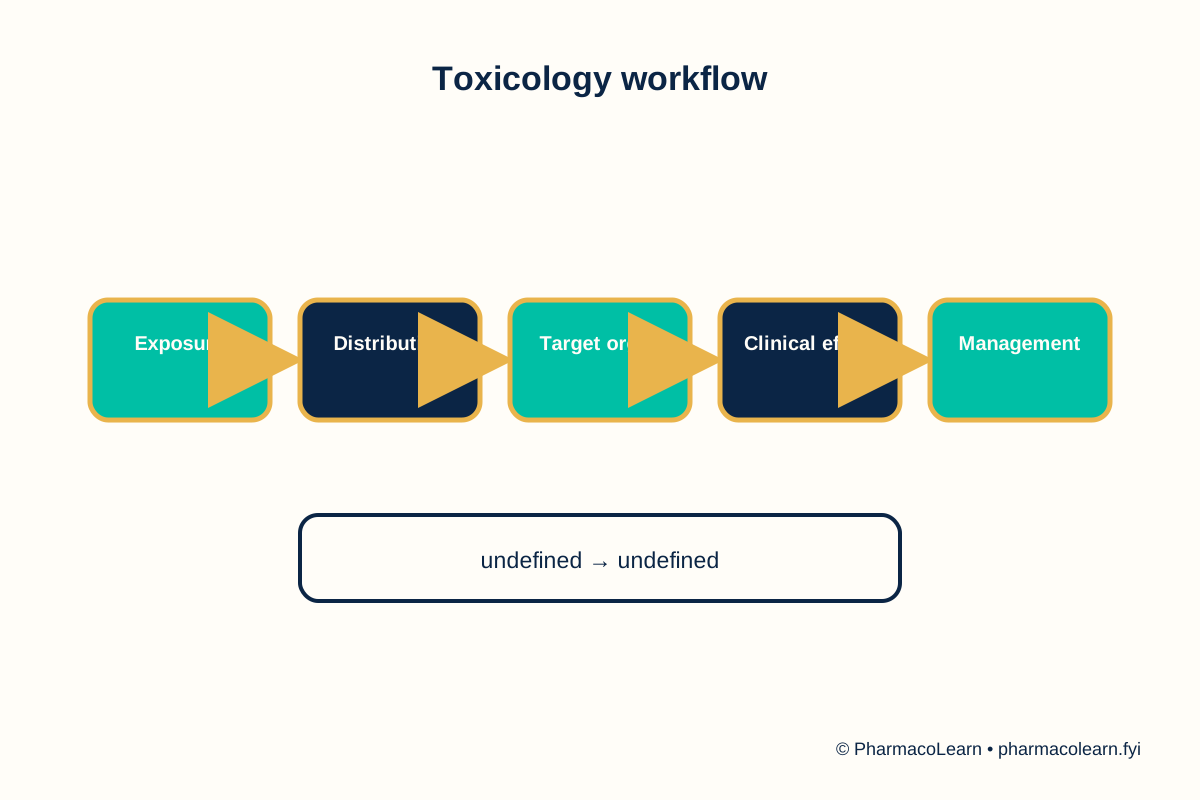
+Toxicity may be local or systemic, immediate or delayed, reversible or permanent, and dose dependent or idiosyncratic. Organ toxicity can result from parent compound, metabolite, reactive intermediate, immune response or altered repair. Dose response may have thresholds, plateaus or steep transitions. Acute assessment prioritizes airway, breathing, circulation, consciousness, glucose, temperature and seizure or arrhythmia risk. Obtain evidence safely and avoid contaminating the clinical picture with unverified treatment. Animal studies use control groups, defined exposure and endpoints, but species differences, metabolism and behavior limit direct translation. Subacute and chronic studies identify cumulative injury, delayed effects, carcinogenicity, reproductive effects and target-organ patterns. The ethical principle of replacement, reduction and refinement applies to animal research, while pharmacovigilance continues after approval.
+Toxicity evaluation distinguishes hazard from risk. Hazard is the capacity to cause harm, while risk depends on exposure. A toxicology history records product identity, concentration, amount, route, time, formulation, coexposures, symptoms, first aid and medical conditions. Do not induce vomiting or use an unverified home remedy. Supportive care and poison-center consultation are central. Delayed toxicity may occur after an initially quiet period. Animal toxicity studies use endpoints such as mortality, organ pathology, behavior, blood tests, reproductive effects and genetic damage, but translation to humans requires scientific and regulatory judgment.
Syllabus scope
This unit covers acute, subacute and chronic toxicity.
Core theory
Toxicology studies harmful effects as a function of dose, route, duration, exposure pattern and susceptibility. Acute toxicity follows a single or short exposure. Subacute studies examine repeated exposure over a shorter interval. Chronic studies assess longer exposure and delayed organ effects. Toxicity may involve the nervous system, liver, kidney, blood, heart, reproduction, development, immune system or genetic material.
Mechanism and therapeutic reasoning
Begin with the biologic target, trace the molecular or cellular change, identify the organ-level effect, and then connect it to indication, adverse effects, monitoring and patient counseling. Pharmacology requires comparison of benefit and harm. The same mechanism that treats disease can disrupt normal physiology.
Pharmacist focus
Check indication, dose and route using current information, organ function, interactions, contraindications, adherence, product handling, monitoring and referral triggers. Do not invent a regimen, target or toxicity threshold. Exact recommendations must be verified against current local guidelines and approved product information.
Tips, FAQs and takeaways
- Why is mechanism important? It predicts therapeutic effect, adverse effects, interactions and monitoring.
- Why is patient context essential? Exposure and vulnerability differ across age, disease, organ function and co-medication.
- What is the main takeaway? Use a validated treatment plan and monitor the biology that the medicine changes.
References: PharmacoLearn Year 3 syllabus; Pharmacy Council of India, Pharm.D. Regulations 2008; Goodman and Gilman's The Pharmacological Basis of Therapeutics; Katzung, Basic and Clinical Pharmacology; Rang and Dale's Pharmacology; current applicable guidelines.
Document exposure and advice clearly.
Unit 6: Dynamic Cell, Gene and Recombinant DNA Technology
Expanded clinical reasoning
Detailed mechanisms and monitoring
Follow-up and pharmacist checklist
Examination and practice framework
A complete answer also addresses data interpretation. Sequence or expression data must be linked to a validated method, specimen quality, reference framework and phenotype. Avoid promising a genetic intervention when clinical efficacy or long-term safety remains uncertain.
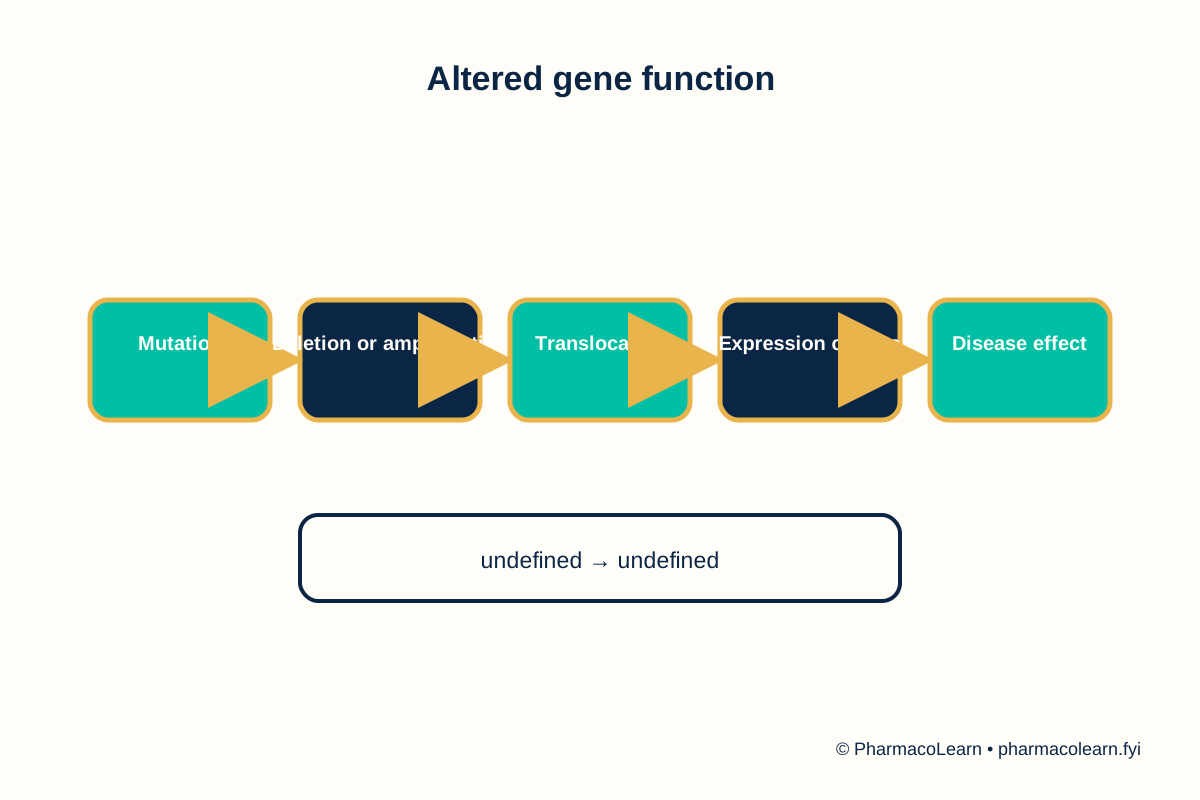
Exam framework: connect chromosome, replication, cell cycle, signaling, transcription, RNA processing, translation and altered gene function as one information pathway. Then explain how mutations or regulatory changes can produce disease and how recombinant DNA or gene therapy can alter the pathway. Include quality, delivery, immune and long-term safety considerations.
+Follow-up for gene-based or advanced biologic therapy may be long term. Verify identity, storage, chain of custody, administration record, adverse events and required surveillance. Molecular findings should be interpreted with clinical phenotype, not treated as isolated certainty.
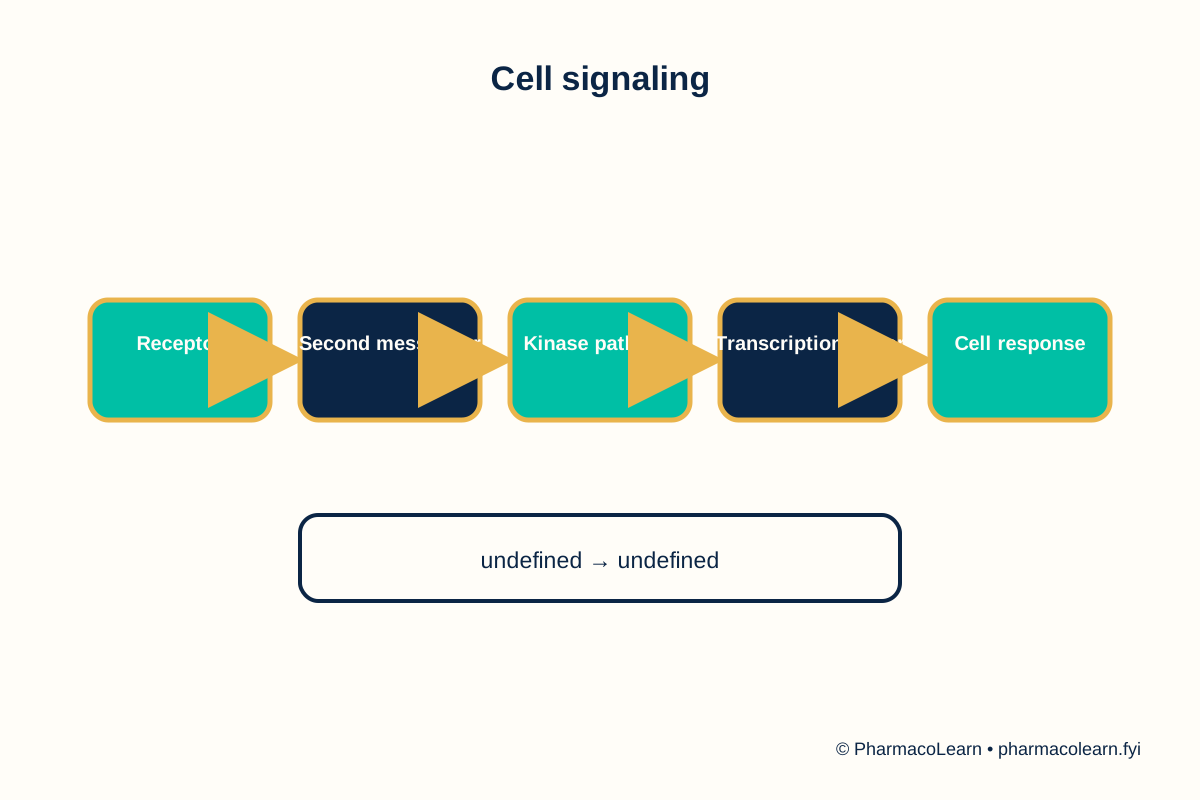
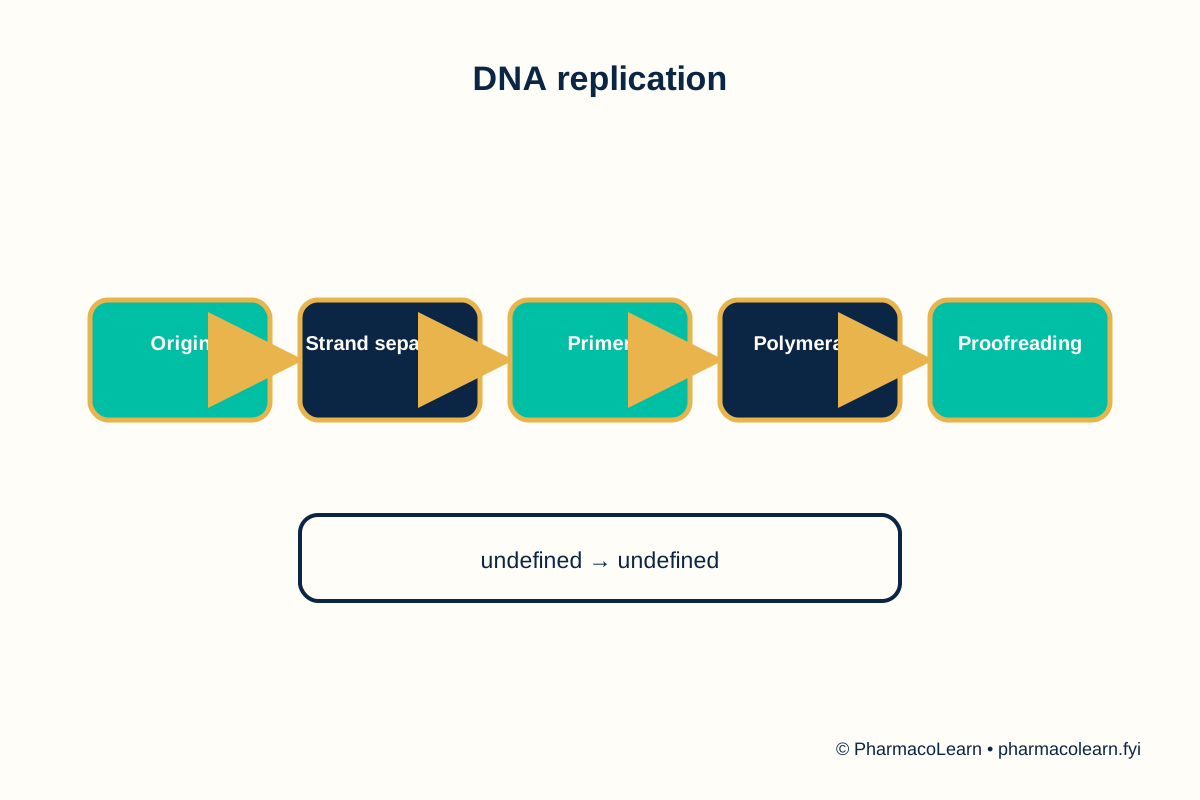
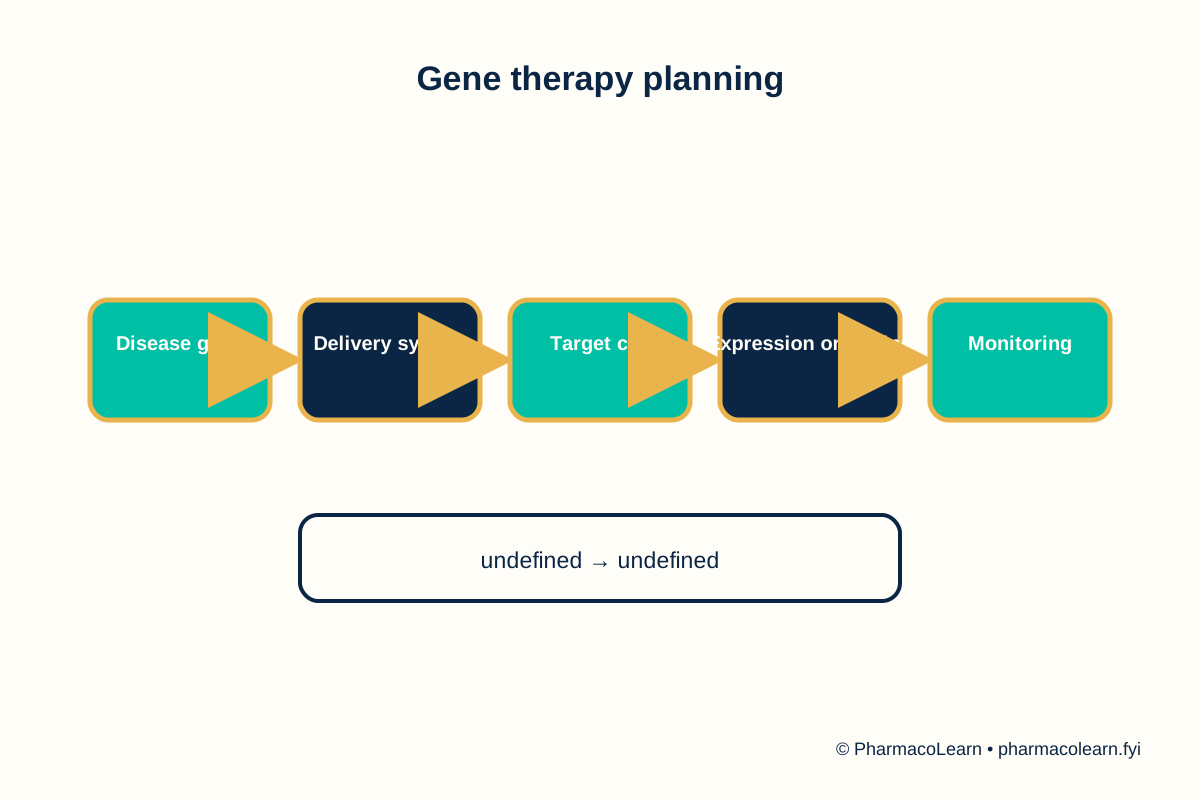
+Macromolecules form membranes, cytoskeleton, chromatin, ribosomes and signaling assemblies. Chromatin packages DNA and regulates access through nucleosomes, histone modification, DNA methylation and chromatin remodeling. Replication begins at origins, separates strands, uses primers and extends new DNA in a direction controlled by polymerase chemistry. Checkpoints coordinate cell-cycle progression with DNA integrity. Cell signaling begins at a receptor and may activate second messengers, Ras, MAP kinase, p38, JNK or PI3-kinase pathways before a regulated response is produced. Transcription factors bind regulatory DNA, while RNA processing produces mature rRNA, tRNA and mRNA. Translation requires initiation, elongation, termination and post-translational handling. Mutations, deletions, amplifications and translocations can change dosage or function. Gene therapy and recombinant DNA are therapeutic platforms that require vector, manufacturing, delivery and long-term safety controls.
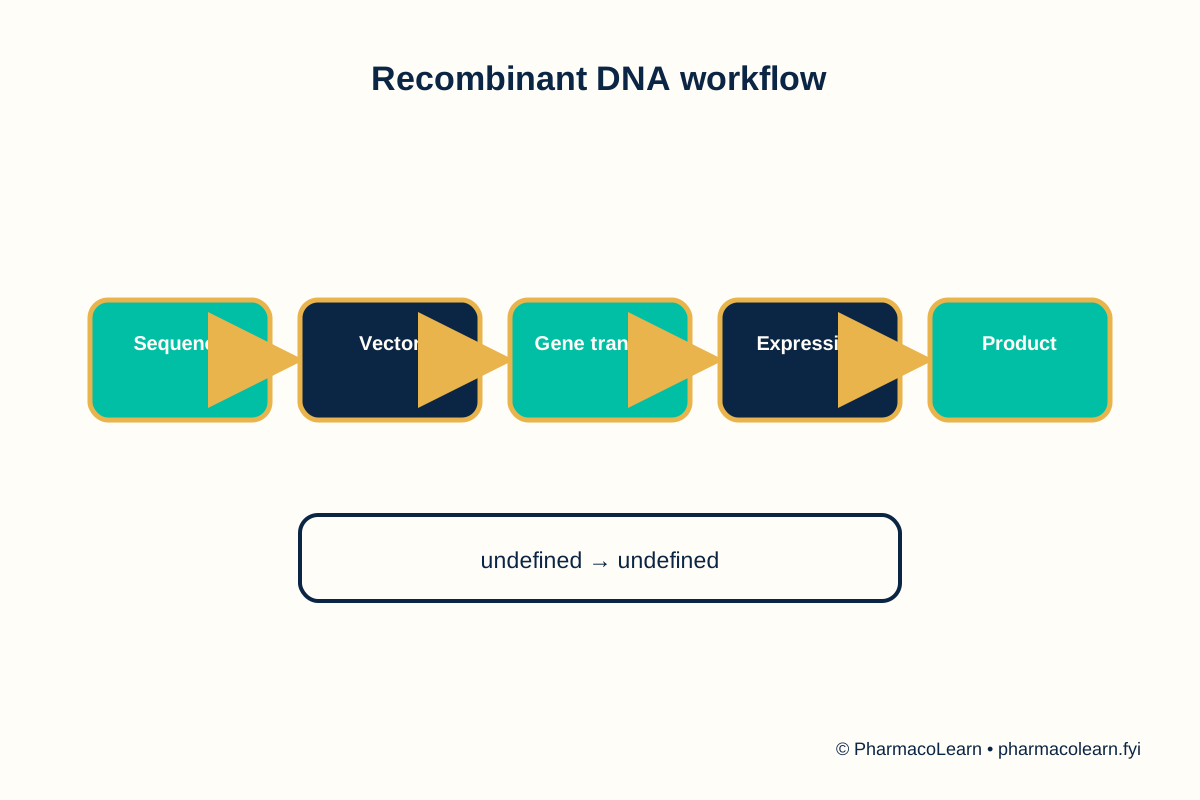
+Cell signaling is modular and regulated by feedback, localization, scaffolding and signal termination. Mutations can create constitutive signaling, loss of checkpoint control or altered response to therapy. DNA repair protects genome stability, while repair failure increases mutation and cancer risk. Epigenetic changes alter expression without changing sequence and can be reversible in some contexts. Recombinant DNA workflows include sequence selection, vector design, transfer into a host or delivery system, expression, purification, characterization and safety testing. Gene therapy requires attention to delivery, immune reaction, durability, off-target effects, manufacturing quality and long-term follow-up. Pharmacists handling advanced therapies verify identity, chain of custody, storage, preparation and patient-specific administration requirements.
Syllabus scope
This unit covers cell and macromolecules, chromosomes, DNA replication, cell cycle, signaling, gene structure and expression, RNA processing, protein synthesis, altered gene functions, oncogenes, tumor suppressors, gene sequencing, mapping, cloning, gene therapy and recombinant DNA technology.
Core theory
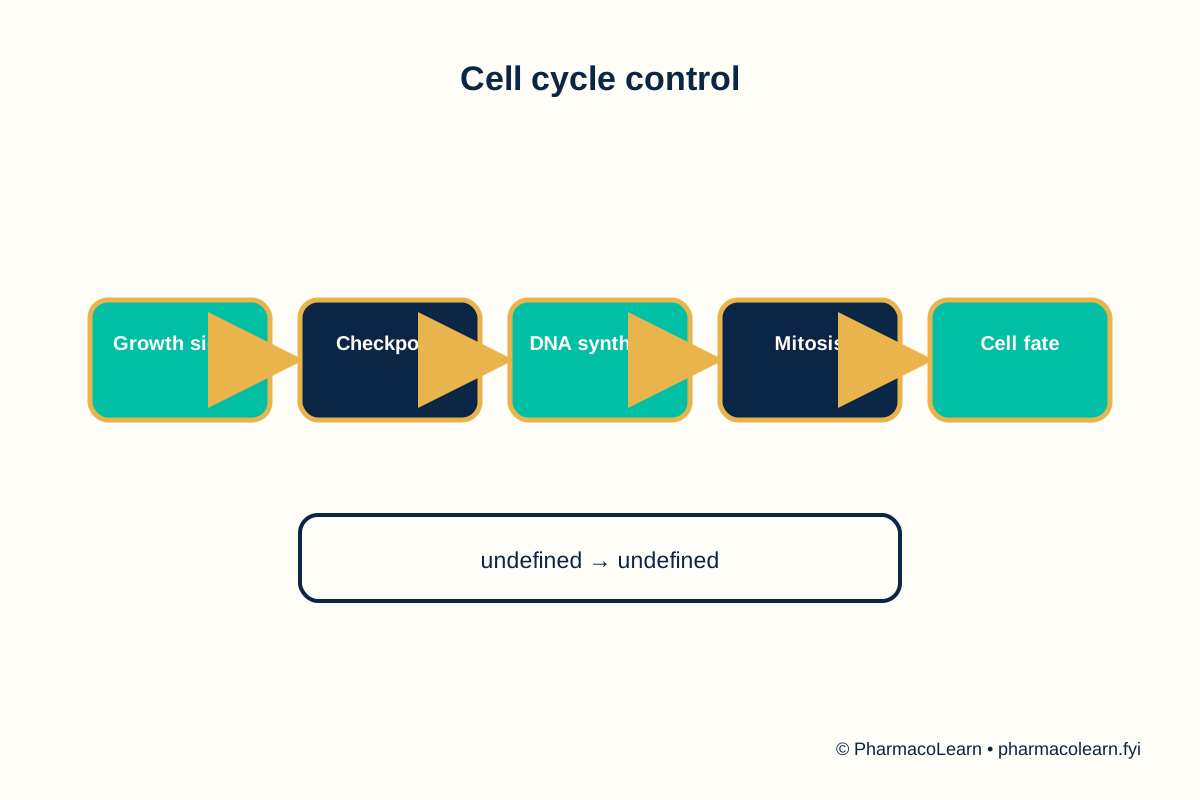
Cells organize macromolecules into membranes, organelles and large assemblies. Prokaryotic and eukaryotic chromosomes differ in packaging and regulation. DNA replication is semiconservative and uses templates, primers, polymerases, proofreading and repair. The cell cycle is controlled by cyclins, kinases, checkpoints and a restriction point. Signaling pathways use receptors, second messengers, Ras, MAP kinase, p38, JNK and PI3-kinase networks.
Mechanism and therapeutic reasoning
Begin with the biologic target, trace the molecular or cellular change, identify the organ-level effect, and then connect it to indication, adverse effects, monitoring and patient counseling. Pharmacology requires comparison of benefit and harm. The same mechanism that treats disease can disrupt normal physiology.
Pharmacist focus
Check indication, dose and route using current information, organ function, interactions, contraindications, adherence, product handling, monitoring and referral triggers. Do not invent a regimen, target or toxicity threshold. Exact recommendations must be verified against current local guidelines and approved product information.
Tips, FAQs and takeaways
- Why is mechanism important? It predicts therapeutic effect, adverse effects, interactions and monitoring.
- Why is patient context essential? Exposure and vulnerability differ across age, disease, organ function and co-medication.
- What is the main takeaway? Use a validated treatment plan and monitor the biology that the medicine changes.
References: PharmacoLearn Year 3 syllabus; Pharmacy Council of India, Pharm.D. Regulations 2008; Goodman and Gilman's The Pharmacological Basis of Therapeutics; Katzung, Basic and Clinical Pharmacology; Rang and Dale's Pharmacology; current applicable guidelines.
Document product handling and follow-up clearly.
Integrated molecular perspective
The dynamic cell topic is clinically useful because medicines can act at several levels of the information pathway. A receptor may alter a kinase cascade, a kinase may change a transcription factor, and transcription may change protein abundance. A DNA variant can alter a binding site, coding sequence, RNA processing signal or protein stability. These changes may produce a loss of function, gain of function or abnormal dosage effect.
Replication and repair maintain genome integrity. If repair fails, mutations accumulate and can alter checkpoints, apoptosis or signaling. The cell cycle is controlled by regulated transitions, so a drug that blocks DNA synthesis may be most active in cells entering a particular phase. This also explains injury to normal rapidly dividing tissues such as marrow, intestinal epithelium and hair follicles.
Cell signaling is not linear. Feedback, receptor desensitization, scaffold proteins, compartmentalization and signal termination shape the final response. Ras and kinase pathways can be persistently activated by mutation, while phosphatases and degradation systems limit the response. A pharmacist studying targeted therapy should connect the molecular abnormality with the drug target, biomarker, resistance mechanism and monitoring plan.
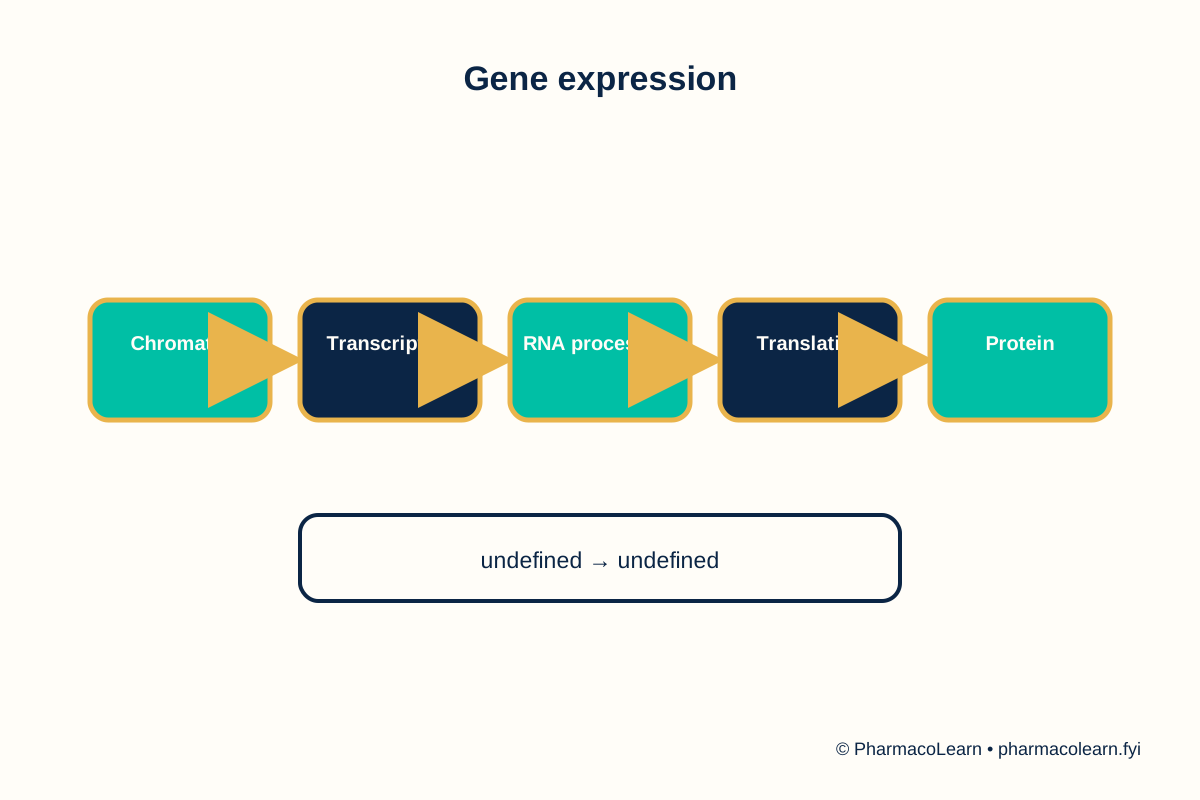
Gene expression proceeds from chromatin access to transcription, RNA processing, translation and post-translational modification. Recombinant DNA technology uses selected sequences, vectors, host cells and quality-control steps to produce a biological product. Gene therapy adds the additional questions of delivery, persistence, immune recognition, off-target action and long-term follow-up. These therapies require specialized handling, identity verification, cold-chain or controlled storage when applicable, and careful documentation.
FAQs: Why can a mutation have different effects in different tissues? Expression, signaling partners, epigenetic state and environmental context differ. Why is a genetic result not automatically a diagnosis? It must be validated and interpreted with phenotype, inheritance, penetrance and clinical evidence. What is the takeaway? Molecular precision requires clinical context, validated methods and long-term safety monitoring.
Use current guidance always.
Diagrams
Other Year 3 subjects: Pharmacology II · Pharmaceutical Analysis · Pharmacotherapeutics II · Pharmaceutical Jurisprudence · Medicinal Chemistry · Pharm D Year 3, Pharmaceutical Formulations · Year 3 · Pharm D