
BP204T — Pathophysiology
3 hrs/week · 4 credits · 45 hours · 100 marks (25 internal + 75 end-semester, 3 hr paper). Notes follow the PCI B.Pharm Semester 2 syllabus, unit by unit.
Units in this subject
- Unit 1 — Cell Injury, Inflammation and Repair
- Unit 2 — Cardiovascular, Respiratory and Renal Diseases
- Unit 3 — Haematological, Endocrine, Nervous and Gastrointestinal Diseases
- Unit 4 — Inflammatory Bowel, Hepatic, Bone and Joint Diseases
- Unit 5 — Cancer, Infectious and Sexually Transmitted Diseases
Download BP204T PDF Notes
Free PDFs for this subject, one per unit:
Unit I: Cell Injury, Inflammation and Repair
Homeostasis and feedback
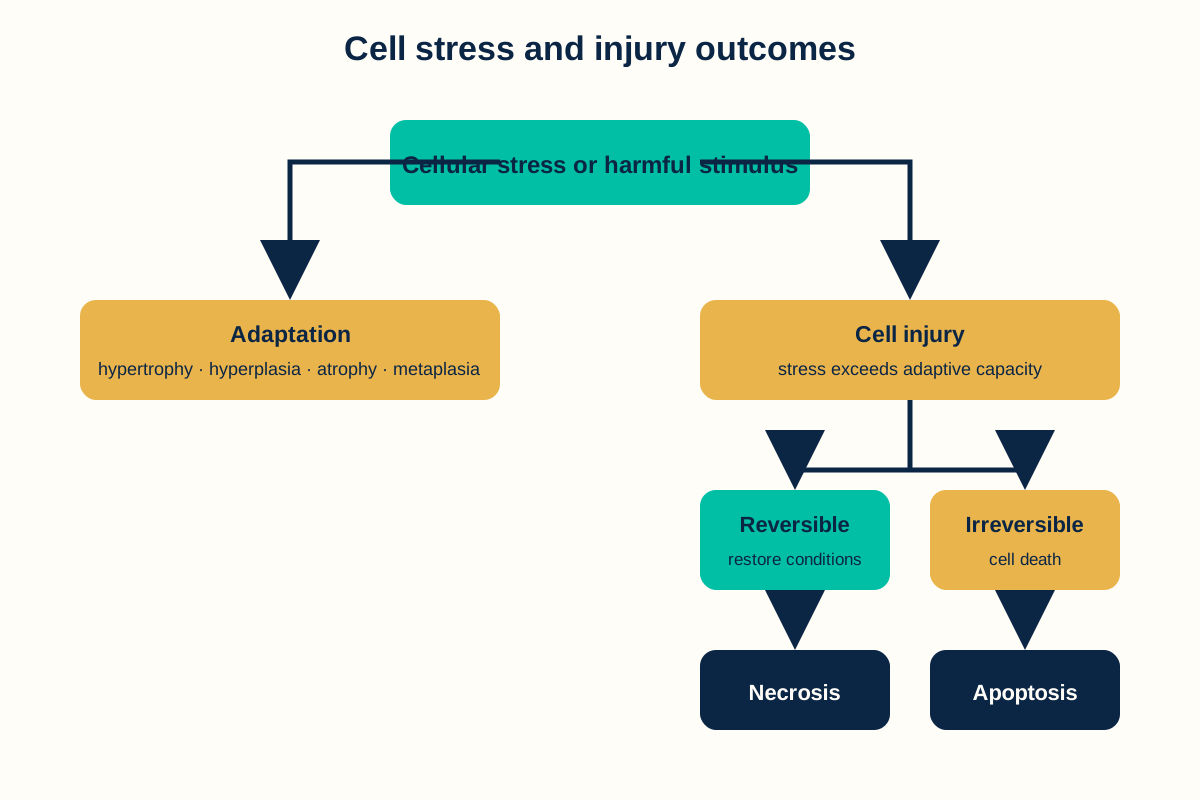
Homeostasis is maintenance of a relatively stable internal environment. Negative feedback opposes a change, while positive feedback reinforces a change until a defined event is completed. Disease can result when regulation fails, a stress exceeds adaptive capacity or an abnormal response becomes harmful.
Causes and mechanisms of cell injury
Cell injury can result from oxygen deprivation, physical agents, chemicals, infections, immune reactions, genetic defects or nutritional imbalance. Early injury may be reversible when the cause is removed. Persistent or severe injury can cause irreversible damage and cell death.
Important mechanisms include ATP depletion, mitochondrial dysfunction, loss of membrane integrity, calcium influx, oxidative stress, protein misfolding and DNA damage. Ribosome injury can reduce protein synthesis. Nuclear damage can lead to chromatin change and loss of genetic control.
Adaptation and cell death
Hypertrophy is increased cell size. Hyperplasia is increased cell number. Atrophy is reduced cell size or tissue mass. Metaplasia is replacement of one mature cell type by another better able to tolerate stress. Dysplasia is disordered growth and may be associated with a premalignant change.
Apoptosis is regulated cell death with cell shrinkage and fragmentation into membrane-bound bodies. Necrosis involves cell swelling, membrane rupture and inflammation. The morphology and biochemical pathways differ, though some diseases can involve both processes.
Inflammation and repair
Acute inflammation begins with changes in blood flow and vascular permeability, followed by leukocyte recruitment. Selectins support rolling, integrins support firm adhesion and chemotactic signals guide migration. Mediators include histamine, prostaglandins, leukotrienes, cytokines and complement fragments.
Chronic inflammation involves persistent injury, macrophages, lymphocytes, tissue destruction and repair occurring together. Repair uses regeneration when viable cells and supporting tissue remain, or fibrosis when damage is extensive. Wound healing proceeds through haemostasis, inflammation, proliferation and remodelling.
Unit I: Frequently asked questions
Q: What is reversible cell injury?
A: It is cell dysfunction that can return toward normal when the damaging stimulus is removed before irreversible membrane, mitochondrial or nuclear damage occurs.
Q: How does apoptosis differ from necrosis?
A: Apoptosis is regulated cell death with limited inflammation, while necrosis commonly involves membrane rupture and inflammation.
Q: What are the main stages of wound healing?
A: They are haemostasis, inflammation, proliferation and remodelling.
Unit I: Key takeaways
- Homeostasis depends on coordinated control systems.
- ATP loss, calcium imbalance and oxidative stress are important injury mechanisms.
- Cells adapt through hypertrophy, hyperplasia, atrophy and metaplasia.
- Apoptosis is regulated, while necrosis commonly causes inflammation.
- Inflammation and repair can restore tissue or produce fibrosis.
Unit I: Clinical correlation
Clinical correlation: inflammation. Redness, heat, swelling, pain and loss of function are classic clinical signs of inflammation.
Unit II: Cardiovascular, Respiratory and Renal Diseases
Hypertension and heart failure
Hypertension is persistently elevated arterial pressure. Vascular resistance, blood volume, renal sodium handling, sympathetic activity and hormonal regulation all contribute. Chronic pressure overload can damage vessels and organs.
Congestive heart failure occurs when the heart cannot provide adequate output for tissue needs without abnormal filling pressures. Reduced output activates sympathetic and renin-angiotensin systems, which initially support pressure but can increase fluid retention and remodelling.
Ischaemic heart disease
Atherosclerosis involves lipid accumulation, inflammation and fibrous change in an arterial wall. Plaque rupture can activate platelets and clotting, producing an acute obstruction. Angina is myocardial ischaemic discomfort without established infarction, while myocardial infarction involves myocardial cell death caused by prolonged ischaemia.
Asthma and chronic obstructive airway disease
Asthma involves variable airway narrowing, inflammation and bronchial hyperresponsiveness. Chronic obstructive airway disease causes persistent airflow limitation associated with airway and parenchymal changes. Mechanisms, reversibility and clinical patterns differ.
Acute and chronic renal failure
Acute kidney injury is an abrupt reduction in kidney function. Chronic kidney disease is persistent structural or functional abnormality. Reduced filtration causes accumulation of waste, fluid and electrolyte disturbance, acid-base imbalance and endocrine effects such as reduced erythropoietin activity.
Unit II: Frequently asked questions
Q: How can hypertension damage organs?
A: Chronic high pressure promotes vascular injury and remodelling, increasing risk to the heart, brain, kidneys and retina.
Q: What is myocardial infarction?
A: It is death of myocardial cells caused by prolonged inadequate blood supply.
Q: What is a major consequence of reduced kidney filtration?
A: Nitrogenous waste accumulates and fluid, electrolyte, acid-base and endocrine regulation can be disturbed.
Unit II: Key takeaways
- Hypertension reflects interacting vascular, renal, neural and hormonal factors.
- Heart failure activates compensatory systems that can later worsen remodelling.
- Atherosclerotic plaque can obstruct blood flow or rupture.
- Asthma and chronic obstructive airway disease have different patterns of airway limitation.
- Kidney failure affects filtration, fluid, electrolytes, acid-base balance and erythropoiesis.
Unit II: Clinical correlation
Clinical correlation: atherosclerosis. Atherosclerotic plaque can narrow an artery gradually or rupture suddenly and trigger thrombosis.
Unit III: Haematological, Endocrine, Nervous and Gastrointestinal Diseases
Anaemias
Anaemia is reduced oxygen-carrying capacity of blood, commonly because haemoglobin concentration or red-cell mass is reduced. Iron deficiency commonly produces microcytic, hypochromic cells. Vitamin B12 or folate deficiency can produce megaloblastic change. The cause must be established rather than inferred from one laboratory value.
Sickle cell disease results from an inherited haemoglobin abnormality that can promote red-cell deformation and vessel obstruction under low-oxygen conditions. Thalassaemias result from reduced synthesis of globin chains. Hereditary and acquired haemolytic anaemias involve increased red-cell destruction.
Haemophilia
Haemophilia is a bleeding disorder caused by deficiency or dysfunction of a clotting factor. The intrinsic pathway is affected in classic factor VIII or IX deficiency.
Diabetes and thyroid disease
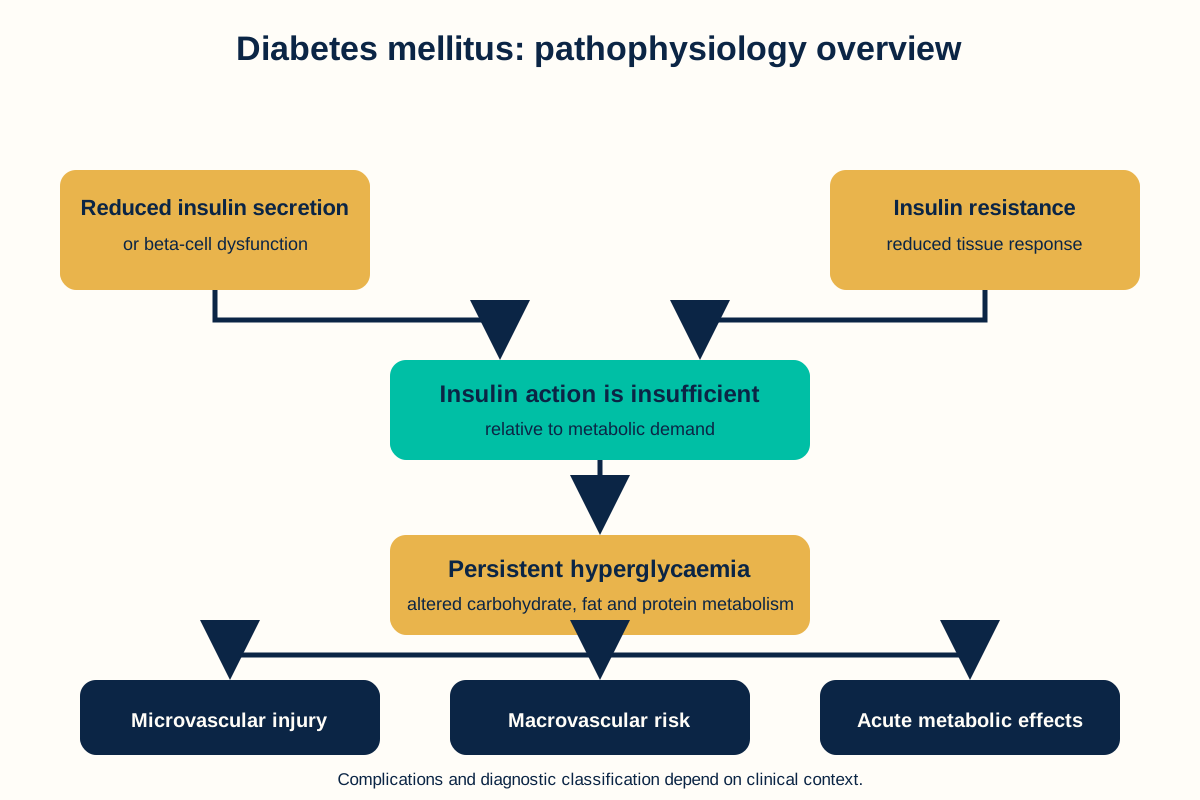
Diabetes mellitus is chronic hyperglycaemia caused by inadequate insulin secretion, impaired insulin action or both. It changes carbohydrate, lipid and protein metabolism and can damage vessels, nerves, kidneys and eyes.
Thyroid disorders can result from excess or deficiency of thyroid hormone, autoimmune mechanisms, inflammation or structural disease. Thyroid hormones influence metabolic rate, growth and development.
Nervous system diseases
Epilepsy is a disorder of recurrent unprovoked seizures caused by abnormal, excessive or synchronous neuronal activity. Parkinson disease involves motor features associated with dysfunction of dopaminergic pathways. Stroke is neurological dysfunction caused by interrupted blood flow or bleeding in the brain. Depression, schizophrenia and Alzheimer disease involve different combinations of mood, cognition, perception, behaviour and progressive neuronal dysfunction.
Gastrointestinal disease
Peptic ulcer disease involves mucosal damage in an acid-peptic environment when protective mechanisms are insufficient. Factors can include infection, medicines, smoking and other stresses.
Unit III: Frequently asked questions
Q: What is anaemia?
A: Anaemia is reduced blood oxygen-carrying capacity, usually due to reduced haemoglobin or red-cell mass.
Q: What is diabetes mellitus?
A: It is a disorder of chronic hyperglycaemia caused by inadequate insulin secretion, impaired insulin action or both.
Q: What is a stroke?
A: A stroke is neurological dysfunction caused by interrupted blood flow or bleeding in the brain.
Q: What is peptic ulcer disease?
A: It is a defect in gastrointestinal mucosa produced when damaging acid-peptic forces exceed protective mechanisms.
Unit III: Key takeaways
- Anaemia is a functional oxygen-carrying problem with many possible causes.
- Iron, vitamin B12 and folate deficiencies produce different patterns.
- Haemoglobin disorders can alter red-cell shape, quantity or survival.
- Diabetes changes metabolism and can cause long-term organ damage.
- Nervous system disease can affect movement, cognition, mood or consciousness.
- Gastrointestinal disease can damage mucosa and impair digestion or absorption.
Unit III: Clinical correlation
Clinical correlation: diabetes. Persistent hyperglycaemia can produce vascular, neural, renal and ocular complications.
Unit IV: Inflammatory Bowel, Hepatic, Bone and Joint Diseases
Inflammatory bowel disease
Inflammatory bowel disease involves chronic immune-mediated inflammation of the gastrointestinal tract. Crohn disease and ulcerative colitis differ in distribution and depth of involvement. Complications can include bleeding, obstruction, fistula, malnutrition or toxic dilation.
Jaundice and hepatitis
Jaundice is yellow discoloration caused by increased bilirubin. It can be prehepatic, hepatic or posthepatic depending on where bilirubin handling is disturbed. Hepatitis is inflammation of the liver and can be caused by viruses, alcohol, medicines, immune mechanisms or other injury.
Bone and joint disease
Rheumatoid arthritis is an immune-mediated inflammatory joint disease that can damage synovium and cartilage. Gout involves deposition of monosodium urate crystals when urate is elevated. Osteoporosis is primarily a reduction in bone strength rather than an inflammatory joint disease.
Unit IV: Frequently asked questions
Q: What is jaundice?
A: Jaundice is yellow discoloration caused by increased bilirubin in tissues and body fluids.
Q: What is the difference between rheumatoid arthritis and gout?
A: Rheumatoid arthritis is immune-mediated joint inflammation, while gout is crystal-induced inflammation caused by urate deposition.
Q: What is inflammatory bowel disease?
A: It is chronic immune-mediated inflammation of the gastrointestinal tract, including Crohn disease and ulcerative colitis.
Q: What is osteoporosis?
A: It is reduced bone strength due to loss of bone mass and structural deterioration, increasing fracture risk.
Unit IV: Key takeaways
- Hepatic disease can impair bilirubin handling and produce jaundice.
- Inflammatory bowel disease is chronic immune-mediated intestinal inflammation.
- Jaundice can result from prehepatic, hepatic or posthepatic disturbance.
- Rheumatoid arthritis, gout and osteoporosis have different mechanisms.
- Inflammatory bowel disease, hepatic disease and joint disease have different mechanisms and complications.
Unit IV: Clinical correlation
Clinical correlation: jaundice. Bilirubin pattern, liver enzymes and clinical history help distinguish production, hepatocellular and obstructive causes.
Unit V: Cancer, Infectious and Sexually Transmitted Diseases
Cancer principles
Cancer is uncontrolled clonal growth with potential for invasion and metastasis. Causes include inherited susceptibility, acquired mutations, chemical agents, radiation, infections and chronic inflammation. Hallmarks include sustained proliferation, evasion of growth suppression, resistance to cell death, angiogenesis and tissue invasion.
Metastasis is spread of malignant cells from a primary site to a distant site through blood, lymph or body surfaces. Invasion requires loss of normal tissue constraints, movement through extracellular matrix and establishment in a new environment.
General infection mechanisms
An infection occurs when a microorganism enters a host, survives, multiplies and produces direct or immune-mediated effects. Disease depends on pathogen factors, route, dose and host defence. Transmission may be direct, indirect, airborne, food-borne, water-borne, vector-borne or sexual.
Meningitis, typhoid and leprosy
Meningitis is inflammation of the meninges and may be caused by bacteria, viruses or other agents. It can produce fever, headache, neck stiffness, altered consciousness and neurological complications. Typhoid is a systemic infection associated with contaminated food or water and may cause prolonged fever and gastrointestinal symptoms.
Leprosy is a chronic infection that primarily affects skin and peripheral nerves. Clinical patterns depend on host immune response. Early recognition and treatment reduce nerve damage and disability.
Tuberculosis and urinary tract infection
Tuberculosis commonly affects the lungs but can involve other organs. The host response may produce granulomatous inflammation and tissue damage. Urinary tract infection commonly involves the bladder or urethra, but infection can ascend to the kidneys. Risk factors, symptoms and diagnostic testing vary by site.
Sexually transmitted diseases
Sexually transmitted infections include viral and bacterial diseases. HIV progressively damages immune function if untreated. Syphilis can pass through stages and may involve multiple organs. Gonorrhoea commonly affects mucosal surfaces and can cause pelvic, reproductive or disseminated complications.
Prevention includes barrier methods, testing, vaccination where available, partner notification and treatment of identified infections.
Unit V: Frequently asked questions
Q: What is metastasis?
A: Metastasis is spread of malignant cells from a primary site to a distant site through blood, lymph or body surfaces.
Q: What is meningitis?
A: Meningitis is inflammation of the protective membranes around the brain and spinal cord.
Q: Why can tuberculosis become chronic?
A: The pathogen can persist within host tissues, while the immune response may contain but not completely eliminate it.
Q: How can sexually transmitted infections be prevented?
A: Prevention includes barrier protection, testing, vaccination where available, partner notification and appropriate treatment.
Unit V: Key takeaways
- Cancer involves clonal growth, invasion and possible metastasis.
- Infection results from interaction between pathogen and host.
- Meningitis can rapidly threaten neurological function.
- Tuberculosis may persist with granulomatous inflammation.
- Urinary infection can ascend from lower to upper urinary tract.
- Prevention, testing and treatment reduce sexually transmitted infection spread.
Unit V: Clinical correlation
Clinical correlation: infection control. Hand hygiene, respiratory etiquette, safe injection practice, appropriate protective equipment and isolation decisions interrupt transmission.
Sources
- Pharmacy Council of India. Bachelor of Pharmacy Course Regulations and Syllabus, BP204T Pathophysiology. https://www.pci.nic.in/pdf/Syllabus_B_Pharm.pdf
- Kumar V, Abbas AK, Aster JC. Robbins and Cotran Pathologic Basis of Disease. Elsevier.
- Harsh Mohan. Textbook of Pathology. Jaypee Brothers.
- World Health Organization. Disease and infection-control resources. https://www.who.int/
Complete BP204T notes, all 5 units in one PDF, free to keep.
Other Semester 2 subjects: BP201T · BP202T · BP203T · BP204T · BP205T · BP206T · Semester 2 Hub · MCQ Bank