
Global Health News - Week ending 22 November 2026

FDA approves Lembaz, the first drug shown to help patients with infantile-onset Niemann-Pick disease type C live longer
The FDA approved Lembaz (adrabetadex) injection on 17 November 2026 to reduce the risk of death in adults and children who weigh at least 7 kg and whose neurological symptoms began before age 6, known as infantile-onset Niemann-Pick disease type C (NPC). NPC is a rare, inherited lysosomal storage disorder affecting an estimated 1 in 150,000 people, in which cholesterol and other fats accumulate inside cells, causing progressive neurological decline. Two therapies were already approved for NPC, but neither has been shown to reduce the risk of death. The approval rested on survival in 36 patients treated across three clinical studies and an expanded access programme, compared with a matched external control group, with a 55% reduction in the risk of death and median survival of 8.5 years against 4.9 years. Lembaz is given by a trained healthcare provider as an injection directly into the spinal canal every two weeks, and it carries a boxed warning for hearing impairment, including permanent hearing loss.
Why it matters: This is the first treatment for this fatal rare childhood disease with a demonstrated survival benefit, and a clear example of an approval built on an external-control survival comparison rather than a randomised trial.
Source: FDA, 17 November 2026
World Top Stories
Semaglutide cuts BMI in children aged 6 to under 12 with obesity in the STEP Young trial
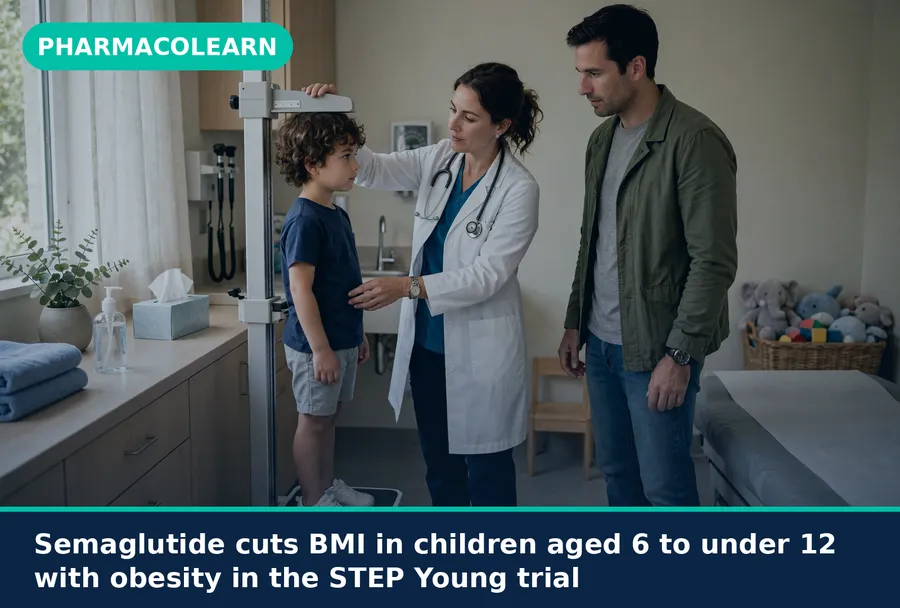
The phase 3 STEP Young trial, published in the New England Journal of Medicine on 16 November 2026, randomly assigned 167 children aged 6 to under 12 years with obesity to once-weekly subcutaneous semaglutide (112 children) or placebo (55 children) for 104 weeks, followed by a 7-week washout, with both groups receiving lifestyle counselling. At week 68, the mean change in body mass index was minus 13.5% with semaglutide and plus 2.7% with placebo, an estimated between-group difference of minus 16.2 percentage points. A reduction in BMI category had occurred in 79% of children on semaglutide against 23% on placebo, and BMI had fallen below the obesity threshold in 38% against 2%. At week 104, BMI was down 9.4% with semaglutide and up 8.4% with placebo. Adverse events occurred in 96% of children on semaglutide and 93% on placebo, with gastrointestinal events the most common, and they led to discontinuation in one child on semaglutide. Semaglutide is approved for obesity in adolescents and adults, but not in the United States for children under 12.
Why it matters: This is the first large randomised trial of a GLP-1 medicine in children under 12, and it raises direct questions for students about paediatric obesity treatment, long-term follow-up, and what happens when treatment stops.
Source: New England Journal of Medicine, 16 November 2026
FDA approves Wilserdly with everolimus for ESR1-mutated advanced breast cancer

On 16 November 2026, the FDA approved giredestrant (Wilserdly, Genentech), an oral estrogen receptor antagonist, in combination with everolimus for adults with estrogen receptor-positive, HER2-negative, ESR1-mutated locally advanced or metastatic breast cancer, as detected by an FDA-authorized test, whose disease recurred during or after endocrine-based adjuvant therapy or progressed on at least one endocrine-based regimen in the metastatic setting. Efficacy was evaluated in the evERA trial, a randomised, open-label trial in 373 adults, including 207 whose tumours had ESR1 mutations. In the ESR1-mutated group, the progression-free survival hazard ratio was 0.38, with median progression-free survival of 10 months against 5.5 months with physician's choice endocrine therapy plus everolimus, and overall survival data were immature. The FDA also authorized the FoundationOne Liquid CDx assay as a companion diagnostic to identify ESR1 mutations. The review was conducted under Project Orbis with Health Canada and Israel's Ministry of Health, and the application was approved four weeks ahead of the FDA goal date.
Why it matters: This is the first oral SERD combination approval in ESR1-mutated breast cancer, and a good case study in mutation-selected treatment, companion diagnostics, and a progression-free survival approval without mature survival data.
Source: FDA, 16 November 2026
More countries have antimicrobial resistance plans, but patients still lack testing and treatment
New WHO findings released on 16 November 2026, ahead of World AMR Awareness Week (18-24 November), show that 173 countries report having developed plans to address antimicrobial resistance, more than double the 79 countries that reported doing so in 2017. Only 22% of countries report having both the necessary funding and full implementation of their national action plans. The findings come from the 2026 Tracking Antimicrobial Resistance Country Self-assessment Survey (TrACSS), completed by 183 countries, representing 94% of WHO Member States. Diagnostic capacity falls far short of need: only 36% of countries report having a national reference laboratory equipped to test the selected bacteria and fungi, against a global target of 80% by 2030. Only 63% of countries report having guidelines on appropriate antimicrobial use, and just over half report surveillance systems to monitor antibiotic use and track resistance. In 2023, approximately 1 in 6 laboratory-confirmed bacterial infections worldwide were resistant to antibiotics. WHO released two new practical tools under its AMR Diagnostic Initiative to help laboratories diagnose bacterial and fungal infections.
Why it matters: This is the clearest current picture of the gap between having an AMR plan and having funded, implemented plans with working diagnostics, which is exactly where pharmacy and laboratory practice meet policy.
Source: WHO, 16 November 2026
FDA grants accelerated approval to Nelkarmi for previously treated ALK-positive lung cancer

On 17 November 2026, the FDA granted accelerated approval to neladalkib (Nelkarmi, Nuvalent), a kinase inhibitor, for adults with locally advanced or metastatic ALK-positive non-small cell lung cancer who previously received either one prior ALK tyrosine kinase inhibitor consisting of alectinib, or two or more prior ALK inhibitors and platinum-based chemotherapy, in the unresectable locally advanced or metastatic setting. Efficacy was evaluated in ALKOVE-1, a multicentre, single-arm, open-label trial. Among 67 patients who received one prior ALK inhibitor consisting of alectinib, the overall response rate was 49%, with 76% of responders having a duration of response of at least 6 months and 52% at least 12 months. Among 155 patients who received two or more prior ALK inhibitors and platinum-based chemotherapy, the overall response rate was 32%, with 69% of responders having a duration of response of at least 6 months. The prescribing information includes warnings for hepatotoxicity, renal toxicity, ocular toxicity, creatine phosphokinase elevation, and embryo-foetal toxicity. The application received priority review, and neladalkib received breakthrough therapy and orphan drug designations.
Why it matters: A new targeted option for ALK-positive lung cancer after resistance to earlier inhibitors, and a textbook accelerated approval based on response rate and duration of response, with confirmatory benefit still to be verified.
Source: FDA, 17 November 2026
Evidence mounts that exposure to hormone-disrupting chemicals starts before birth, UNEP and WHO report
A new report released on 17 November 2026 by the United Nations Environment Programme (UNEP) and WHO, the State of the Science on Endocrine-Disrupting Chemicals 2026, is the first major global update since the 2012 UNEP-WHO assessment. It finds that exposure to endocrine-disrupting chemicals can begin before birth, with the chemicals detected in blood, breast milk and cord blood, and that early exposure can have lasting effects on brain development, growth and reproductive health. More than a decade of research has strengthened the evidence linking these chemicals with effects on fertility and reproductive development, brain development and neurological function, thyroid and other hormone regulation, metabolism, immunity and cardiovascular health. More than 350,000 chemicals and chemical mixtures are registered for production and use globally, yet only a small fraction have been evaluated for endocrine-disrupting properties. The report estimates health-related costs from these chemicals at more than US$1.1 trillion a year, around 1% of global gross domestic product. UNEP also published a companion synthesis, From Evidence to Action, with practical actions for policymakers.
Why it matters: This reframes chemical safety as a prenatal and early-life health issue for students, linking everyday products, hormones, and long-term disease in one global assessment.
Source: UNEP (joint UNEP-WHO report), 17 November 2026
Leaders commit to accelerate action on obesity prevention and control

The Government of Spain and 20 other countries joined WHO and UNICEF on 17 November 2026 to launch the global call to action on obesity, "Bending the curve by 2030", committing to accelerate prevention, early intervention and care and to reduce national obesity prevalence by 5% by 2030. More than 1 billion people worldwide now live with obesity, which affects 1 in 7 people globally. Since 1990, prevalence has more than doubled among adults and quadrupled among adolescents, and in 2025 obesity overtook underweight as the most common form of malnutrition among children and adolescents aged 5 to 19 years. Countries are encouraged to use proven measures including support for breastfeeding and complementary feeding, healthy school environments, taxes on sugar-sweetened beverages, front-of-pack nutrition labels, restrictions on marketing unhealthy foods to children, policies that make physical activity easier, and stronger obesity prevention and care in primary health care, including pharmacotherapy where appropriate. The call recognises people living with obesity as partners in designing policies and services, rather than simply recipients of care.
Why it matters: A global policy commitment with a measurable 2030 target, and a useful framework for students linking prevention, early intervention and care rather than treatment alone.
Source: WHO, 17 November 2026
Governments make over 230 new pledges to prevent violence against children
Governments are to announce over 230 new pledges to prevent violence against children at the Second Global Ministerial Conference on Ending Violence Against Children in Manila, Philippines, on 18-19 November 2026, WHO said on 17 November. New pledges include Tanzania's planned US$190 million investment in child protection, Nepal's pledge to halve school violence by 2030 benefiting 4.2 million children, Chile's commitment to protect more than 3.4 million children from school violence and cyberbullying, and Mexico's commitment to strengthen online protection by 2030. Burundi has pledged to ban corporal punishment by 2028, while Cote d'Ivoire aims to reduce violence against children by 30% by 2030. The commitments, including first-time pledges from 30 countries, bring the global total to more than 630 pledges from 140 countries since the first conference in Bogota in 2024. Violence affects more than 1 billion children worldwide each year, and an estimated 400 million children under five regularly experience physical punishment or psychological violence. Childhood violence is associated with a 66% higher risk of depression in adulthood, twice the likelihood of adolescent pregnancy, and a 34% higher risk of HIV infection.
Why it matters: Violence against children is a major determinant of lifelong physical and mental health, and this story shows students how health systems, schools and child protection services are meant to work together on prevention.
Source: WHO, 17 November 2026
FDA approves Cosentyx, the first anti-IL-17 biologic for polymyalgia rheumatica

Novartis announced on 17 November 2026 that the FDA approved Cosentyx (secukinumab) 150 mg for adults with polymyalgia rheumatica who have had an inadequate response to corticosteroids or who cannot tolerate corticosteroid taper. It is the first and only anti-interleukin-17 biologic approved for polymyalgia rheumatica, and the 11th United States indication for Cosentyx. Approval was based on the phase 3 REPLENISH trial, a global, randomised, double-blind, placebo-controlled study in 381 patients across 27 countries, all following a 24-week steroid taper. Adults treated with Cosentyx 150 mg achieved sustained remission at week 52 at twice the rate of placebo, 40.5% against 20.5%, while tapering steroids. Polymyalgia rheumatica affects approximately 966,000 people in the United States, mainly adults over 50, causing pain and stiffness in the shoulders, neck and hips, with relapses in up to 40% of patients in the first year. Long-term steroid use, the current standard of care, increases the risk of osteoporosis, cardiovascular disease and diabetes. The trial data were published in the New England Journal of Medicine in June 2026, and the polymyalgia rheumatica indication is already approved in the European Union.
Why it matters: A steroid-sparing biologic option for a common inflammatory disease of older adults, and a clear example of how a sustained remission endpoint with a steroid taper supports a new indication.
Source: Novartis, 17 November 2026 (announcing the FDA approval)
FDA approves Infilbray, the first drug for neurological symptoms of type 3 Gaucher disease

The FDA approved Infilbray (venglustat) tablets on 18 November 2026, the first treatment for the neurological symptoms of type 3 Gaucher disease (GD3) in adults and children weighing at least 15 kg. GD3 is a rare, inherited condition in which the body cannot break down fatty substances called glucosphingolipids, which accumulate in organs, tissues and the brain, causing difficulties with balance, coordination, speech, memory and thinking that worsen over time. Infilbray is a glucosylceramide synthase inhibitor that crosses the blood-brain barrier to reduce that accumulation. Approval rested on a randomised, double-blind, multicentre study in 43 patients aged 12 and older who had previously received enzyme replacement therapy and reached systemic disease stabilisation; at week 52, patients on once-daily oral Infilbray showed improvement on a combined measure of ataxia and cognitive function compared with intravenous enzyme replacement therapy every two weeks. The most frequently reported side effects were gastrointestinal symptoms and effects on mood, and the labelling carries warnings for serious psychiatric risks including suicidal ideation and behaviour, potential clouding of vision in younger patients, and adverse effects on fetal development. Infilbray received Orphan Drug designation and Priority Review, and the approval was granted to Genzyme Corporation, a Sanofi company.
Why it matters: This is the first medicine to reach the neurological symptoms of type 3 Gaucher disease, which existing enzyme replacement therapy cannot address, and a clear example of a small 43-patient trial supporting a first-in-disease approval.
Source: FDA, 18 November 2026
FDA approves Livsayis, the first siRNA therapy for generalised myasthenia gravis
The FDA approved Livsayis (cemdisiran) on 18 November 2026 for adults with generalised myasthenia gravis (gMG) who are anti-acetylcholine receptor (AChR) antibody-positive, the predominant form of the disease. It is the first and only approved small interfering RNA (siRNA) therapy for gMG and the only FDA-approved gMG treatment given subcutaneously four times a year, every three months. Livsayis is a complement component 5 (C5)-directed siRNA that degrades the messenger RNA encoding C5, lowering circulating C5 and limiting terminal complement activation. Approval rested on the phase 3 NIMBLE trial, a randomised, double-blind, placebo-controlled study described as the largest global interventional gMG trial to date. At week 24, the Myasthenia Gravis-Activities of Daily Living (MG-ADL) score improved by a least-squares mean of 4.5 points with Livsayis against 2.2 points with placebo, a placebo-adjusted difference of 2.3 points, and the Quantitative Myasthenia Gravis (QMG) score improved by 4.2 points against 1.5 points, a placebo-adjusted difference of 2.8 points. The prescribing information carries a Boxed Warning for serious meningococcal infections, and Livsayis is available only through a restricted Risk Evaluation and Mitigation Strategy (REMS) programme requiring meningococcal vaccination at least two weeks before the first dose. It is Regeneron's first approved siRNA therapy and first approved neurology medicine.
Why it matters: A quarterly injection replaces frequent dosing for a chronic autoimmune disease, and the approval shows students how a new mechanism, an siRNA that lowers C5 production, is weighed against a boxed warning and a restricted REMS programme.
Source: Regeneron Pharmaceuticals, 18 November 2026 (announcing the FDA approval)
FDA approves Sogroya, the first once-weekly growth hormone for children with Turner syndrome
The FDA approved once-weekly Sogroya (somapacitan-beco) on 20 November 2026 for children aged 2.5 years and older with growth failure associated with Turner syndrome, a chromosomal condition in females that commonly leads to short stature. It is the first long-acting growth hormone approved for this use, offering one injection a week instead of daily injections. Approval rested on the Turner syndrome cohort of the phase 3 REAL8 trial, in which 105 girls aged 2.5 to 10 years were randomised to weekly Sogroya or daily somatropin for 52 weeks. Average growth was 8.9 cm per year with Sogroya against 9.7 cm per year with daily treatment, a difference of 0.8 cm per year. With this indication, Sogroya is now approved for growth hormone deficiency and four further growth-related conditions.
Why it matters: Weekly dosing replaces 365 injections a year with 52, which is a practical adherence lesson for paediatric endocrine care, and the trial shows students how a small numerical gap against daily treatment is weighed against that convenience.
Source: Novo Nordisk, 20 November 2026 (announcing the FDA approval)
WHO designates new COVID variant PJ.2.1 as a variant under monitoring
The World Health Organization designated the SARS-CoV-2 lineage PJ.2.1, a descendant of the JN.1 family, as a variant under monitoring on 19 November 2026, after its share of sequenced cases rose globally, driven largely by detections in the Americas, particularly Canada and the United States. In its initial risk evaluation, WHO assessed the additional global public health risk posed by PJ.2.1 as low, while stating that confidence in that assessment is low and more evidence is needed. The lineage emerged through a saltation event and shows strong binding to the human ACE2 receptor. Laboratory evidence showed limited additional antibody escape compared with the variants tested, and blood samples from recipients of LP.8.1- and XFG-adapted vaccines neutralised PJ.2.1 in laboratory assays. There is not yet enough clinical data to judge whether it causes more severe disease.
Why it matters: Variant tracking is core pharmacy and public health teaching, showing how genomic surveillance, risk ratings and vaccine laboratory data are weighed before any change in guidance.
Source: World Health Organization, 19 November 2026
South Asia
Only 3 stories met the bar this week.
President inaugurates Golden Jubilee of ICMR-National Institute of Malaria Research
President Droupadi Murmu inaugurated the year-long Golden Jubilee celebrations of the Indian Council of Medical Research-National Institute of Malaria Research (ICMR-NIMR) in New Delhi on 17 November 2026. The President said malaria was one of the most critical public health challenges at independence, and that India has made remarkable progress in malaria control in recent years through improved healthcare services, modern diagnostics, effective medicines, mosquito-control campaigns and community participation. In 2024, India moved out of the World Health Organization's 'High Burden to High Impact' category. She said the institute played a pivotal role over five decades, with pioneering research on malaria parasites, mosquitoes, vector control, insecticide resistance and community-based surveillance. She warned that climate change, unplanned urbanisation and growing insecticide resistance could pose fresh obstacles, and that preventing water stagnation, eliminating mosquito breeding sources and managing the environment also matter. She added that dengue has emerged as a major challenge, likely to become more formidable with global warming and shifting monsoon patterns, and that ICMR research has guided the fight against tuberculosis, leprosy and kala-azar, shaped national health programmes, and built a nationwide COVID-19 testing network in record time while partnering in the development of India's first indigenous COVID-19 vaccine.
Why it matters: It marks fifty years of India's principal malaria research institute and frames the shift from control to elimination, with vector biology, insecticide resistance and surveillance as live syllabus topics for pharmacy and healthcare students.
Source: Press Information Bureau (President's Secretariat), 17 November 2026
Health Secretary launches NCG VISHWAS, an AI-enabled patient education initiative on cancer
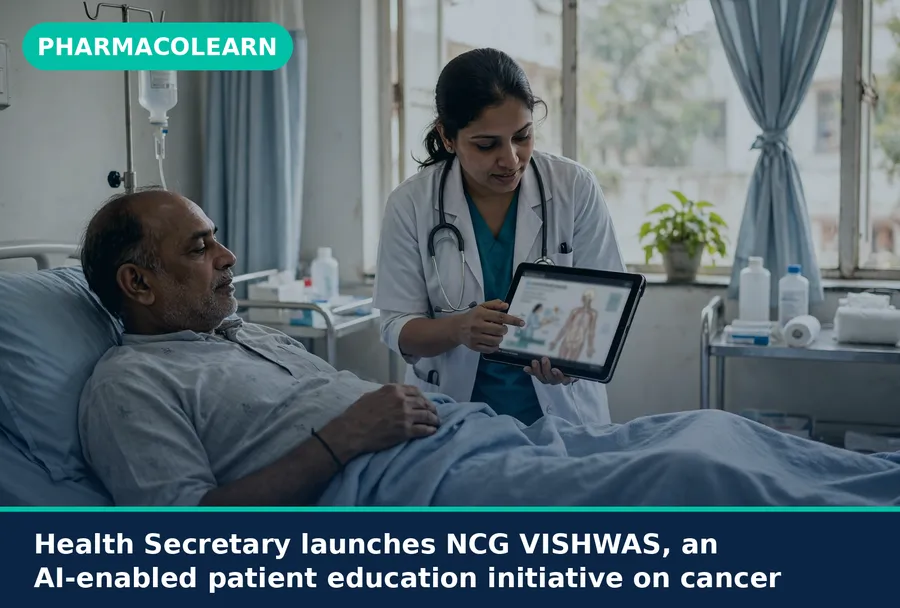
Union Health Secretary Punya Salila Srivastava launched NCG VISHWAS (Videos to Support Health, Wellness, Awareness and Self-care) at the National Cancer Grid Annual Meeting 2026 in Mumbai on 21 November. The initiative provides AI-enabled patient education videos on breast, cervical and oral cancers in Hindi, Marathi, Tamil and English, covering prevention, diagnosis, treatment and long-term care, and will be shared through the National Cancer Grid network of more than 400 cancer centres. The launch was presented alongside national screening figures, with over 153 crore screenings recorded so far, including 37.1 crore for oral cancer, 17.4 crore for breast cancer and 9.7 crore for cervical cancer, and around 99 crore ABHA IDs created under the Ayushman Bharat Digital Mission.
Why it matters: It shows how a national cancer network is using patient education in regional languages and digital health records to support early detection and continuity of care, a model pharmacy students will meet in oncology practice.
Source: Press Information Bureau, 21 November 2026
WHO urges South-East Asian countries to speed up national priority lists for assistive technology

The World Health Organization called on countries in the South-East Asia Region on 19 November 2026 to accelerate work on national Priority Assistive Products Lists, with adequate financing, sustainable procurement and stronger services for the full life cycle of assistive products. More than 2.5 billion people worldwide need one or more assistive products, such as wheelchairs, hearing aids, spectacles, prostheses and communication aids, a figure expected to rise to 3.5 billion by 2050, while nearly one billion people cannot access the products they need. With WHO support, Bhutan, India, Nepal and Timor-Leste have developed or revised and adopted national lists, Bangladesh has developed a draft list and an investment case, and WHO has supported a national list in Maldives. A two-day multi-country technical workshop with representatives from eight countries in the Region began on the same day to help countries adapt the WHO model list, updated in 2026 with 66 categories, to national needs.
Why it matters: Assistive technology is part of universal health coverage and pharmaceutical care, and national priority lists decide which products health systems must make available, finance and supply.
Source: WHO South-East Asia Regional Office, 19 November 2026
Europe
Only 4 stories met the bar this week.
MHRA launches Women's Health Programme to tackle evidence gaps for women

The Medicines and Healthcare products Regulatory Agency launched its Women's Health Programme 2026 to 2030 on 16 November 2026, as the first part of a wider MHRA initiative to address health inequalities under its Strategy to 2030. The programme aims to improve the evidence available on medicines and medical devices for women, including how their risks and benefits may differ for women, and to support innovation in women's health technology. An MHRA analysis of all 4,616 United Kingdom clinical trial applications submitted between 2019 and 2023 found pregnant women represented in just 1.1 percent of trials and breastfeeding women in 0.6 percent. Women make up 51 percent of the population but have historically been underrepresented in clinical research, limiting the evidence available during pregnancy and across reproductive health. The programme was shaped by patients, including through the MHRA Patient and Public Community and a focus group delivered by the Patients Association, and the United Kingdom FemTech sector already has an annual turnover of nearly 300 million pounds. It was announced at the inaugural DIA-MHRA Global Summit in London on 16 to 17 November 2026, and the MHRA will host an introductory webinar on 9 December 2026.
Why it matters: Sex-disaggregated evidence is a live regulatory issue for students: trial populations that exclude pregnant and breastfeeding women leave prescribers and pharmacists with almost no data for exactly the patients who need it.
Source: MHRA, 16 November 2026
WHO Europe launches digital mental health roadmap for 2027 to 2035

The Digital mental health roadmap for the WHO European Region (2027 to 2035) was launched on 17 November 2026 in Dublin by Ireland's Minister for Mental Health, at a high-level European conference held under Ireland's Presidency of the Council of the European Union. The roadmap was developed by the WHO Regional Office for Europe in partnership with Ireland's Department of Health and the Health Service Executive, after consultation with Member States, clinical experts, people with lived experience, digital health specialists, civil society and policy leaders. It guides planning, adoption and implementation of digital technologies across mental health promotion, prevention, care delivery and system management. Digital mental health in the roadmap covers smartphone apps, online platforms, virtual reality, digital phenotyping and generative artificial intelligence, including large language models. It sets out six domains: policy and strategy; governance and accountability; standards and regulation; technology and infrastructure; engagement and capacity-building; and monitoring, evaluation and learning. The roadmap aims to ensure digital tools improve access and are safe, equitable and person-centred, enhancing rather than replacing the human relationships at the heart of mental health care.
Why it matters: Digital tools are becoming a front door to mental health services across Europe, and this roadmap gives students the governance, safety and equity framework that should sit behind apps and online therapy, not just the technology itself.
Source: Department of Health (Ireland), 17 November 2026
UK government backs modernisation of gene therapy definitions

The UK government confirmed on 19 November 2026 that it will modernise the legal definition of gene therapy medicinal products, so that certain synthetic gene therapies and novel genome-editing treatments can be regulated under the UK's established advanced therapies framework. The proposals, published in the government's response to a consultation led by the MHRA and the Department of Health in Northern Ireland, received support from 83% of respondents. Subject to international notification procedures and parliamentary approval, they will amend the Human Medicines Regulations 2012, replacing definitions written in 2007 that assumed treatments were based on biological material. The existing approval process and standards for safety, quality and efficacy will remain unchanged, and medicines already licensed will not need to be reclassified.
Why it matters: Pharmacy students should understand how the legal definition of a gene therapy decides which regulatory route a product follows, and this change brings synthetic nucleic acid products and genome-editing treatments inside the advanced therapy framework.
Source: GOV.UK, 19 November 2026
WHO designates a new collaborating centre to turn healthy ageing data into action

WHO has designated a new WHO collaborating centre at Vrije Universiteit Brussel in Belgium to help countries improve how healthy ageing is measured and turn that information into earlier, more effective action. The centre, designated for 2026-2030, is the WHO Collaborating Centre for Biomarkers, Interventions and Technological Innovations to Monitor and Promote Healthy Ageing, and will focus on intrinsic capacity, a person's physical and mental capacities, and functional ability, what people are able to do in everyday life. It will support WHO/Europe in developing a Healthy Ageing Intelligence Dashboard, analysing survey data including the Survey of Health, Ageing and Retirement in Europe, and contributing to healthy ageing country profiles for all 53 Member States in the WHO European Region. The work supports the Ageing is Living strategy for 2026-2030, which places functional ability at the centre of healthy ageing.
Why it matters: For pharmacy and healthcare students, this shows how health systems are shifting from counting diseases to measuring what older people can still do, which shapes prevention, rehabilitation and medicines review in later life.
Source: WHO Regional Office for Europe, 20 November 2026
North America
US loses measles elimination status after 26 years, and CDC outlines a re-elimination plan
The Pan American Health Organization determined at the close of its 10 to 13 November meeting that measles transmission in the United States had continued uninterrupted for more than 12 months, so the country no longer meets the international definition of measles elimination, a designation it had held since 2000. In a joint statement issued on 17 November 2026, the CDC and national public health partners committed to stopping outbreaks and regaining elimination status by promoting MMR vaccination, expanding vaccine access, closing protection gaps, and equipping state, local, tribal and territorial health departments. Since August, CDC has provided approximately $100 million in additional funding nationwide, including $50.2 million to identify emerging risks and support rapid outbreak response and $49.8 million to strengthen outbreak prevention, preparedness, detection and response, running through most of 2027. CDC recorded 5,412 confirmed measles cases in 2026 as of 12 November, compared with 2,289 cases in all of 2025, and kindergarten MMR coverage fell from 95.2% in the 2019-2020 school year to 92.7% in 2023-2024.
Why it matters: Losing elimination status after 26 years is the clearest measure yet of the 2026 measles resurgence, and the re-elimination plan gives students a direct link between falling vaccine coverage, sustained transmission, and the public health response.
Source: CDC, 17 November 2026
Isotretinoin safety programme iPLEDGE eases pregnancy testing rules as updated measures go live
The US Food and Drug Administration has published updated questions and answers on the iPLEDGE risk evaluation and mitigation strategy for isotretinoin, confirming that changes to the programme are now fully implemented and live. Prescribers may now allow pregnancy tests to be taken outside a medical setting, including home pregnancy tests, during and after treatment. The waiting period for repeat pregnancy tests has been removed for patients who missed their first seven day prescription window. Monthly documentation of counselling is no longer required for patients who cannot become pregnant. Current participants do not need to re-certify, re-enrol or change category, and the changes follow FDA approval of the revisions on 9 February 2026, with full implementation on 15 November 2026.
Why it matters: Isotretinoin is a highly teratogenic medicine, so pharmacy students must know how the safety programme works in practice and what has changed for patients and prescribers.
Source: FDA, 16 November 2026
Thirteen babies born with congenital measles in the US as 112 pregnancy cases are counted

A preliminary analysis by scientists at the US Centers for Disease Control and Prevention, published in NEJM Evidence, counted 112 confirmed cases of measles during pregnancy in the United States between 1 January 2025 and 28 September 2026, reported by 16 jurisdictions. Almost all of the women, 98 per cent, had received no measles, mumps and rubella vaccine before pregnancy or had an unknown vaccination status. Twenty-six women, 23 per cent, were admitted to hospital for reasons unrelated to labour, and 11 developed pneumonia, with two cases of respiratory failure. Thirteen babies met the definition for congenital measles, with a positive reverse transcription polymerase chain reaction test within ten days of birth, and six of them developed symptoms, including one with symptoms compatible with meningoencephalitis. Among 21 pregnancy outcomes within 14 days of the mother's rash, there were 19 live births and two losses, one miscarriage and one stillbirth, and eight of the live births were preterm while eight newborns needed neonatal intensive care. Outcomes were unknown for 56 of the 112 women, and the authors note the data are preliminary and that no national surveillance definition for congenital measles currently exists.
Why it matters: Measles in pregnancy is reappearing after years of absence, and students need to understand the maternal and neonatal risks, the limits of surveillance, and why pre-pregnancy immunity matters, since the vaccine cannot be given during pregnancy.
Source: NEJM Evidence, 16 November 2026
FDA classifies Cardinal Health Presource kit correction as a Class I recall over faulty infusion sets

The US Food and Drug Administration has classified as a Class I recall the correction of Cardinal Health Presource convenience kits that may contain recalled BD Alaris Pump Infusion Sets, the most serious type of recall. The affected infusion sets, used with the BD Alaris Pump Module Model 8100, may malfunction and cause unpredictable pump behaviour, including under-infusion, over-infusion or failure to infuse, which may lead to severe adverse events. The risk is greatest for the most vulnerable patients, including neonates, children and critically ill patients. Cardinal Health has told customers to locate and quarantine affected kits and to affix a warning label instructing clinicians to remove and discard the recalled infusion sets before the kits are used. The FDA said no serious injuries or deaths had been reported in connection with the issue as of 19 August 2026.
Why it matters: Infusion pump errors can deliver the wrong dose of a medicine without any visible warning, so students should understand how device recalls reach the ward and why quarantining affected kits matters.
Source: FDA, 17 November 2026
US measles cases rise to 5,838, the first CDC update since the country lost elimination status
The CDC updated its measles data on 20 November 2026, reporting 5,838 confirmed cases in the United States so far in 2026, as of 19 November. That is 426 more than the 5,412 reported a week earlier. Cases were reported by 47 jurisdictions, with 18 more among international visitors. There have been 43 outbreaks in 2026, and 96% of cases (5,629 of 5,838) are outbreak-associated, with 4,244 from outbreaks that started in 2026 and 1,385 from outbreaks that started in 2025. The CDC lists 6 deaths in 2026, against 2,289 cases in all of 2025. The page also records that MMR coverage among kindergarteners has fallen to 92.4% in the 2025-2026 school year, below the 95% target.
Why it matters: This is the first national case update since the US lost measles elimination status on 17 November, and it shows transmission is still accelerating, which makes catch-up vaccination and outbreak response central teaching for pharmacy students.
Source: CDC, 20 November 2026
FDA publishes Breckenridge propranolol recall over possible metal contamination

The FDA published a recall announcement on 20 November 2026 for one lot of Breckenridge propranolol hydrochloride extended-release capsules, 60 mg, after the company announced the recall on 16 November. The affected lot, PK25110035, in 100-count bottles with expiry May 2029, was recalled to consumer level because of potential metal contamination. The lot shared intermediate material suspected to be the source of metal contamination found in a separate lot that was not released for sale. The affected lot was distributed nationwide to wholesalers and pharmacies between 26 October and 4 November 2026. The FDA page states that use of the affected product could cause lacerations of soft tissues in the mouth, oesophagus, stomach, or intestine, and that Breckenridge was not aware of any adverse events assessed as related to the recall.
Why it matters: A consumer-level recall of a widely used beta blocker over metal contamination is a direct lesson in lot checking, patient counselling, and recall handling for pharmacy students.
Source: FDA, 20 November 2026
Africa
Ebola cases in the DRC more than double in three months, WHO tells Emergency Committee
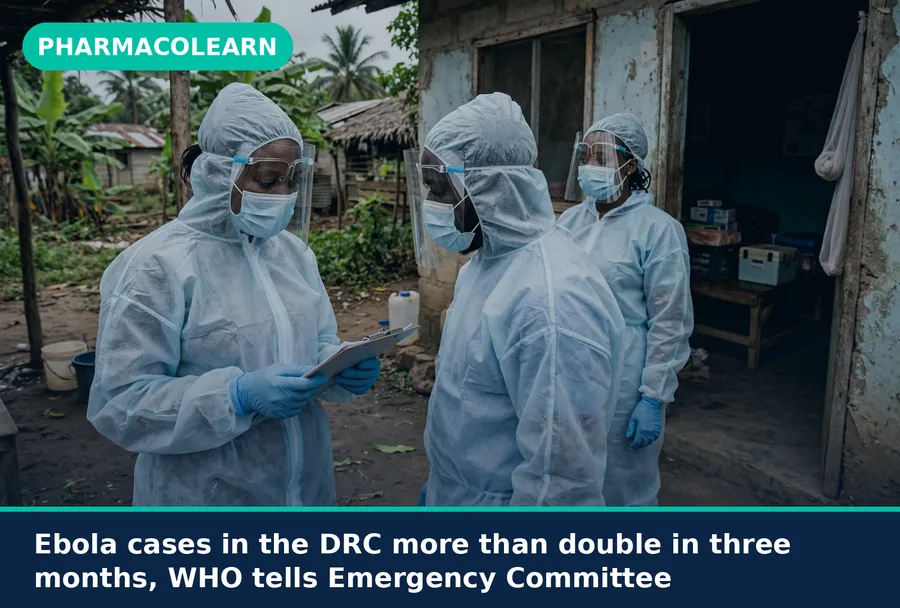
Opening the third meeting of WHO's Emergency Committee on the Bundibugyo virus disease epidemic on 17 November 2026, WHO Director-General Dr Tedros Adhanom Ghebreyesus said the outbreak in the Democratic Republic of the Congo (DRC) had more than doubled in three months, with more than 11,000 cases and 5,400 deaths now reported in 67 health zones across eight provinces. Children are paying a heavy price, accounting for more than a quarter of confirmed cases and a third of deaths, and seven in ten children under five with confirmed Ebola have died. Kenya has reported nine cases linked to an imported case, including two deaths, and Nigeria has reported one imported case. Dr Tedros warned against blanket travel restrictions, which he said hinder the response and discourage countries from reporting outbreaks quickly. He also reported progress: rapid transmission has been halted in most early epicentres, laboratories able to test for the virus have risen from two to more than two dozen, and two candidate vaccines developed specifically for Bundibugyo virus will be added to an ongoing vaccine trial in the coming weeks. Even so, between 400 and 500 new cases are still reported every week, and two-thirds of confirmed deaths occur outside Ebola treatment centres, a sign that infections are being identified too late.
Why it matters: This is the formal Emergency Committee assessment of the largest Bundibugyo outbreak on record, and it gives students the current scale, the disproportionate toll on children, and the difference between progress in early epicentres and control of the outbreak as a whole.
Source: UN News, 17 November 2026 (reporting the WHO Director-General's remarks to the Emergency Committee)
Gilead signs royalty-free licences for investigational Ebola drug obeldesivir

Gilead Sciences announced on 16 November 2026 that it has signed royalty-free voluntary licensing agreements with three generic manufacturers, Dr. Reddy's Laboratories, Eva Pharma and Ferozsons Laboratories, to support potential future access to its investigational antiviral obeldesivir as post-exposure prophylaxis for Ebola Bundibugyo virus disease. The agreements cover 127 primarily low- and lower-middle-income countries, and include all African countries that have reported cases during the current outbreak. The licences are intended to support manufacturing readiness, technology transfer and supply planning while the ongoing EBO-PEP trial, a Phase 3 randomised, placebo-controlled field trial coordinated by ALIMA and partners, evaluates obeldesivir in people at high risk of developing the disease. Gilead is also updating its existing voluntary licensing agreements for remdesivir to include filovirus disease, pending results from the WHO-sponsored PARTNERS trial and regulatory approvals. Gilead said it has donated more than 2,000 vials of remdesivir to Kenya for investigational use, and more than 38,000 vials in compassionate use donations to the DRC, Uganda and Kenya. Obeldesivir is not approved for post-exposure prophylaxis of filovirus disease, or for any indication, in any country.
Why it matters: With no licensed vaccine or treatment for Bundibugyo virus, students can see how access planning, generic licensing and technology transfer are arranged before trial results arrive, rather than after a medicine is approved.
Source: Gilead Sciences, 16 November 2026
Africa CDC and Canada agree health security partnership, with 2 million dollars for Ebola response

Africa CDC announced on 16 November 2026 a Memorandum of Understanding with the Public Health Agency of Canada, announced by Canadian Prime Minister Mark Carney at the 20th Sommet de la Francophonie in Phnom Penh, Cambodia. The agreement was signed by Africa CDC Director General Dr Jean Kaseya and Public Health Agency of Canada President Nancy Hamzawi, and sets a framework for closer technical cooperation, knowledge exchange and joint work in public health. It covers five priority areas: epidemiological surveillance and public health intelligence; laboratory systems, biosafety and biosecurity; public health emergency preparedness and response; public health workforce development; and research, innovation and medical countermeasures. The Prime Minister also announced 24 million dollars for projects in partnership with countries across Francophone Africa, including public health security, of which 2 million dollars will help prevent and reduce the spread of Ebola in affected African regions. Africa CDC said the partnership supports the African Union's Africa Health Security and Sovereignty Agenda, which aims to strengthen African institutions and reduce dependence on external support during public health emergencies.
Why it matters: It shows students how continental health security is built through formal partnerships on surveillance, laboratories and workforce, and how a current outbreak shapes where new funding is directed.
Source: Africa CDC, 16 November 2026
Uganda integrates HIV, TB and other disease programmes after sudden aid cuts
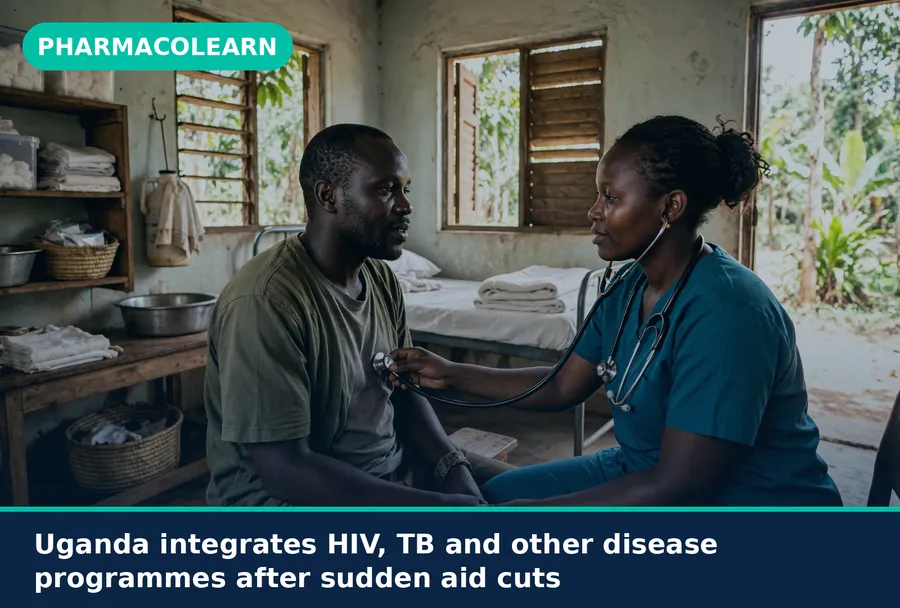
Uganda has reorganised its health services after a significant decline in external funding threatened health programmes in 2025, according to a WHO Regional Office for Africa feature published on 16 November 2026. In February 2025, the Ministry of Health directed the integration of HIV, TB and other disease-specific programmes into routine health services, so that patients receive care for several conditions in a single visit rather than travelling to separate clinics on different days. In December 2025, Uganda launched three strategic policy documents to carry the reform through to 2030: the Ministry of Health Strategic Plan 2025/2026-2029/30, the Uganda National Health Compact 2025-2030, and the Health Systems Integration Framework. WHO supported the reform through the UHC Partnership and the Health Development Partners Forum, which brings together bilateral and multilateral partners. Early results point to progress: integration has reached almost every facility assessed, and 95% of evaluated health facilities have integrated disease-specific services into coordinated, people-centred care models, with patients reporting fewer visits and broader access to services.
Why it matters: This is a live case study in health system resilience for students: how a country reorganises HIV, TB and chronic disease care around patients when external funding falls, rather than closing vertical programmes.
Source: WHO Regional Office for Africa, 16 November 2026
WHO reports 11,613 Ebola cases in the DRC as emergency status is maintained
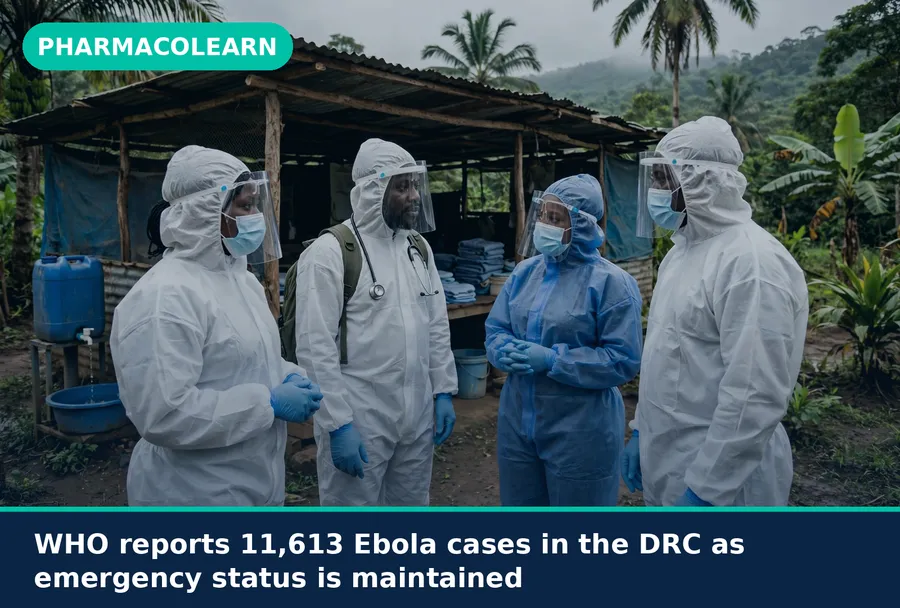
The World Health Organization published a new Disease Outbreak News update on 20 November 2026 on Ebola disease caused by Bundibugyo virus. As of 17 November, the Democratic Republic of the Congo had reported 11,613 confirmed cases, including 5,678 deaths, a crude case fatality ratio of 48.9%, across 68 health zones in eight provinces, with active transmission in 48 health zones. A further 945 confirmed cases and 480 deaths were reported since the previous update on 6 November. Kenya and Nigeria reported no new cases and have begun 42-day countdowns to declare the end of their outbreaks. On 18 November, the Director-General determined that the event continues to be a public health emergency of international concern, following the third Emergency Committee meeting on 17 November. The update notes that many deaths still occur in communities rather than in treatment centres, especially among young children, pointing to late detection and delayed access to care.
Why it matters: Outbreak figures and emergency declarations shape how response resources are planned, and the high share of community deaths shows students why early detection and access to care matter as much as treatment capacity.
Source: WHO, 20 November 2026
Africa CDC six-month review finds contact lists captured only 11% of Ebola cases
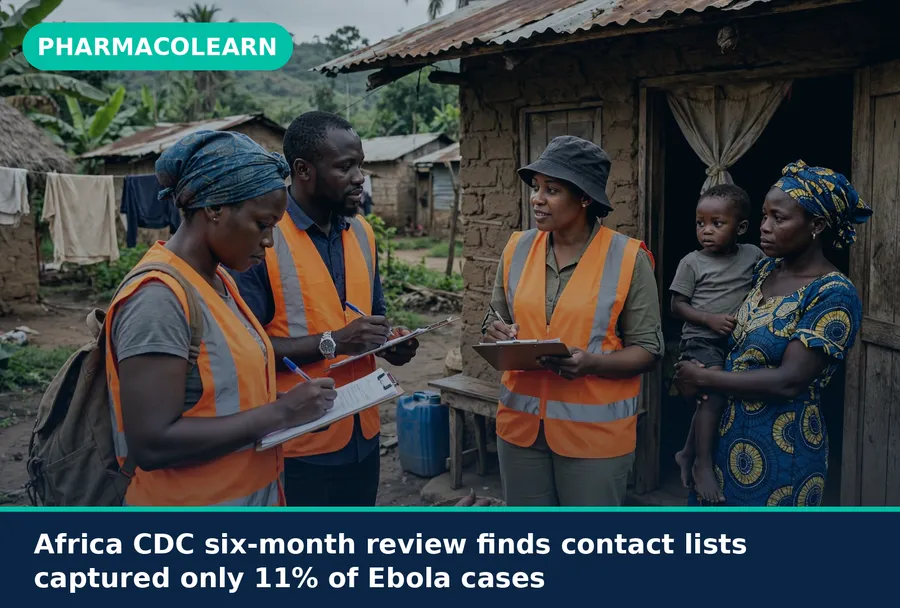
Africa CDC published a six-month situation and response report on the Bundibugyo virus disease outbreak, covering the period from its declaration on 15 May 2026 to the six-month milestone on 15 November. Its central finding is that only 1,146 of 10,659 confirmed cases with onset from week 19 to week 45, or 11%, had already appeared on contact lists, against a target of 95%, so most transmission links were found too late to list and monitor the contacts. National notifications have held at about 460 to 480 confirmed cases a week since late September, a sustained plateau rather than a decline. By 8 November, five countries had reported 11,021 confirmed cases and 5,358 deaths, almost all of them in the Democratic Republic of the Congo. The report concludes that substantial response capacity was mobilised but did not consistently translate into early detection, timely access to care, or complete identification of transmission networks, and that the spillover event that started the outbreak remains unexplained.
Why it matters: Contact tracing is a core public health skill for pharmacy and healthcare students, and the gap between a 95% target and an 11% result shows why finding chains of transmission early matters as much as having treatment capacity in place.
Source: Africa CDC, 20 November 2026
Older: Week ending 25 October 2026 → · All Global Health News
Every story on this page was verified on its original source page. Coverage is pharma, medical, healthcare and community health only; no politics or finance.